Composer/musicologist Robert Carl gives his perspective of the “new common practice”, a term which attempts to describe the current state of compositional and performance practices. I first heard that term from Alvin Curran, a composer who indulges (most successfully) in a wide variety of musical practices. And the term appears now to be generally accepted by contemporary musicians and music journalists as a way to give a name to this historical moment in music history.
That’s great but Carl’s book goes beyond mere academic musical history and invites listeners of all stripes to experience and engage with these interesting, increasingly divergent practices. His lucid writing gave this reviewer marvelous insights into the current “scene”, the variety of music and performances that adventurous listeners will encounter.
Professor Carl’s earlier publication presented a comprehensive analysis (the last word in this writer’s opinion) of Terry Riley’s manifesto of minimalism, “In C”. That book provided me with insights to a work I thought I knew well. Well, I like it even more after reading that book. And his friendly, knowledgeable writing is very much evident in this most recent tome from one of the finest writers on the subject.
Robert Carl (1954- ) is a prolific composer and a wonderfully readable scholar of music. His music partakes creatively from a wide variety of musical practices so, in that time honored adage, he “writes what he knows”. His passion for new music feeds directly to my insatiable curiosity for what the heck they’re all doing these days. It is an adventure worth your time and Carl is a dutiful docent, offering context and analysis for the eternally curious. You will not be disappointed.
…tell the old story for our modern times. Find the beginning.
-Homer, The Odyssey (Emily Wilson translation)
When I first got the email notice of this concert, I was, to say the least, intrigued. A two piano concert at Littlefield Concert Hall on the campus of Mills College featuring two composer/performers who figured prominently in that Temple of new music and in my personal listening life. Alas, I live some 350 miles from that location. But further intrigue came from the featured artists: Sarah Cahill and Joseph Kubera, two of the finest working new music pianists anywhere and both worked with the evening’s composers. This was just too compelling and I decided that I would regret missing this if I failed to go hear it.
So it was, I planned my little odyssey, leaving at about 9AM from Santa Barbara on a nice lightly trafficked trip, more a pilgrimage than an odyssey. A pilgrimage, frequently defined as a personal spiritual journey ostensibly in search of insight or enlightenment is how I’ve come to identify my listener’s adventure to the secular temple of Mills College featuring music of former Mills faculty Robert Ashley (1930-2014) and Robert Sheff (1945-2020), better known by his stage name, “Blue Gene Tyrrany”.
Robert Ashley (copyright unknown)
“Bob and Blue” (copyright by Other Minds)
The two featured composers had a strong connection to the Bay Area, mostly via their work at Mills College. This intelligent but modest production left little room to print program notes so the performers spoke of the music at various points during the concert and the excellent liner notes were made available by a QR code in the program book.
Sarah Cahill, pianist, radio host, producer, tireless advocate for new music (photo copyright by Other Minds)
Joseph Kubera, pianist, member of the SEM ensemble, Downtown Music, and countless collaborations promoting new music with many fine recordings to his name. (Photo copyright by Other Minds)
Our two performers are no strangers to each other or the composers on the program, having collaborated on numerous performances and recordings. The well rehearsed duo turned in riveting performances of this largely unknown repertoire which made a strong case that it be better known. Their playing and choice of repertoire compelled this listener’s attention such that I forgot to take all but a few performance shots. See those program notes for further biographical info on these two fine musical celebrants.
Entrance to Littlefield Concert Hall (copyright by author)
Mills College has long been a temple, a Mecca for new music in the Bay Area of California. Its roster of faculty and students comprises some of the finest post 1945 composers and performers. Darius Milhaud (1892-1974) and Luciano Berio (1925-2003) and students as diverse as Terry Riley (1935- ), Steve Reich (1936- ), and Dave Brubeck (1920-2012) to name but a few. Many artistic spirits musical and otherwise, exert their presence here. It’s a perfect destination for a pilgrimage.
A bust of frequent Mills visitor Lou Silver Harrison (1917-2003) in the lobby, a persistent benevolent spirit. (photo copright by author)
The concert was organized by Charles Amirkhanian and his Other Minds organization, another guiding light in the San Francisco/Oakland new music scene. Pianists Sarah Cahill and Joseph Kubera were to be the celebrants in the concert ritual paying homage to “Bob and Blue” as well as to the oracular Mills College.
Scene from the lobby (photo copyright by author)
Let me tell you about this concert hall. It is the work of legendary California architect Julia Morgan (1872-1957) who famously also worked on Hearst Castle. This is one of her several architectural gems on campus. Her spirit was also witness to this celebration by virtue of her fine architecture.
Stage at Littlefield Hall showing the ornate, colorful detailed designs (photo copyright by the author)
Look at that ceiling and those chandeliers (photo copyright by the author)
Two pianos, a new Steinway stage left and a slightly worn Baldwin stage right were placed such that the pianists seated at their respective keyboards could see each other. The Steinway with its lid open to reflect the sound to the audience and that well worn Baldwin with no lid at all (for reasons to be revealed later). The sonics of the hall and tuning of those pianos were excellent.
Unseen Worlds’ wonderful survey of Blue’s ensemble works.
The concert opened with Blue Gene Tyrrany’s peaen to old Route 66 in his “Decertified Highway of Dreams” (1999) for two pianos. It was clear from this first selection, that our performers were well rehearsed and in sync despite rhythmic complexities inherent in this quite beautiful work. It is cinematic and sweetly nostalgic, a fine example of “Blue”’s genius. The performance was riveting and worthy as the first performance ritual of the evening.
This was followed by a real rarity, a performance of Robert Ashley’s Piano Sonata (1959, 1979, 1985). In fact, it appears to have been the first complete performance of the two piano version of this impressive serially structured piece. Previous recordings are available, one with the composer performing the first movement at the ONCE Festival from 1966, the other by Blue Gene Tyrrany on his album, “Just for the Record”. This writer also found some useful analysis by musicologist Kyle Gann on his website. Gann worked with Ashley and later published a fine survey of Ashley’s music that is well worth your time. The result was a convincing, almost romantic sounding performance of this foundational work in Ashley’s oeuvre.
This was followed by a solo rendition by Joe Kubera of Tyrrany’s “The Drifter” (1994), which was written for Mr. Kubera. He spoke briefly about the structure of this work (which he also recorded on his recent “Horizons” album). This piece has a meandering quality created by the intricate evolving structure. Kubera’s performance was hypnotic and a fine tribute.
The second half began with Ms. Cahill solo at that stage left Steinway playing first Tyranny’s “Nocturne With and Without Memory” (1989), one of his better known works. Then she played his “Spirit” (1996/2002), a piece that is a sort of homage to the experimental composer/performer Henry Cowell (1897-1965). It was rather unusual in that it involved harmonics over which the pianist plays. The title is an homage to Cowell’s famous piano piece, “The Banshee”, a malevolent spirit in Irish mythology. Both were vintage Blue Gene pieces.
Two pianists, one piano.
Then Kubera returned, taking a seat at the blemished Baldwin with Cahill standing at that same piano, at a 90 degree angle to Kubera. Here, in these two obscure Ashley pieces, Viva’s Boy (1991), and “Details” (2b, 1962), Cahill played like a chef at a chef’s table, playing the strings inside the piano while Kubera manned the keyboard. These true rarities getting perhaps their first performance, were certainly a highlight of the concert.
It was Blue Gene Tyrrany’s spirit that was the final ritual celebration on this magical night with both pianists at their respective pianos to give a heartfelt reading of his, “A Letter From Home” (2002). This brought this learned, well rehearsed, beautifully collaborative evening’s ritual to a satisfying close.
The modest, self selected audience, applauded warmly and gave an extended, much deserved ovation and seemed as enthralled as this listener whose musico-spiritual pilgrimage found an ecstatic height. I drove home that same night, blessedly lifted, if only briefly, from the chaos of the world by this wonderful artistic ritual. They will now take this great program to New York.
I am grateful for this music review aggregator Feedspot. They have declared my blog New Music Buff to be among the top 35 new music blogs. I made number 20 this year.
Here is their review:
20. New Music Buff » Experimental Music
Blog https://newmusicbuff.com/category/experimenta.. Indulge perspectives from an informed new music fan. Enjoy nuanced takes and some amusing anecdotes from artists of Experimental Music. New Music Buff envisages the musical interest and preferences of a long-time listener with a fervent interest in all music new and old.
I am grateful to have achieved this ranking but I am also delighted to be able to see the perceived context of my peers in this area. New Music Buff is a solo effort now going into its 14th year of publication. And that description does a fine job of characterizing my work. I’m grateful to get to see my competitors (though competition is hardly the point).
With the relative demise of print magazines that carried reviews of new releases, listeners now tend to rely upon the blogosphere to find new music to suit their interests. The problem is that the meanings of words like “new music”, “experimental”, “avant garde”, etc. can steer the reader to a great deal of music and not necessarily music that satisfies their thirsts. So this blog aggregator attempts to collect sites and provide brief descriptions that help hungry listeners find items to satisfy their tastes.
One of the very useful aspects of this aggregator is also to provide bloggers a context by defining a purported peer group which I can tell you, has enlightened this blogger/listener. This site is designed in part to provide mailing lists and contacts for musicians, promoters, and publishers. There are various useful products but listeners can find low or no cost items here that can really help searchers find their way.
Chandos is one of my favorite classical labels with an intelligent selection of repertoire. The Neave Trio consisting of violinist Anna Williams, cellist Mikhail Veselov, and pianist Eri Nakamura is clearly a fit for Chandos. This trio’s releases have been consistently interesting and creative. This most recent release is a perfect example.
The recording includes three works by three composers (and a brilliant arranger) for piano trio. The first is by the venerable Brahmsian Charles-Camille Saint-Saens, his second Piano Trio Op. 92 (1892). I am not familiar with the chamber music portion of this prolific, virtuoso pianist/composer’s oeuvre but I’ve yet to have heard anything by him that failed to impress. Indeed, this 5 movement trio is a gloriously engaging fin de siècle salon music. Cast in 5 movements, it is a handsome piece of chamber music that deserves more hearings. And The Neave Trio clearly make a case for that in a lively execution of this virtuosic music.
The next work is a fine example of the curiosity and vision of these artists. These two movements for piano trio entitled “Soir-Matin” Op. 76 (1907) are by a composer wholly unknown, even to your eclectically curious reviewer. Mélanie Hélène“Mel” Bonis(1858-1937) is a new name to this listener and likely to most listeners. The lack of recognition of female composers is slowly being remedied by artists such as these who have here found a composer whose reputation deserves at least a little boost. I mean, she was a student of Cesar Franck and her music was lauded by no less than Saint-Saens. She was also a classmate of Debussy at the Paris Conservatoire. And this leads us to…
As if these first two entries alone weren’t enough to recommend this fine release, behold the ear opening arrangement (yes, for piano trio) of the masterful La Mer (1905) by Claude Debussy. The arrangement is by one Sally Beamish from 2013.
As a listener, I have frequently been amazed by the power of the long tradition of “arrangements” of music generally better known in a different form. Some use reduced forces to allow music to be performed more affordably (chamber ensemble vs. orchestra). Take Maurice Ravel’s brilliant orchestration of Modest Mussorgsky’s “Pictures at an Exhibition”, or the two piano arrangement of Igor Stravinsky’s seminal “Rite of Spring” ballet (1913) as examples. Comparatively few people even know that Pictures at an Exhibition was originally a solo piano piece. But both versions each have their charms, and each communicate the musical message differently. And though audiences are doubtless more familiar with the colorful orchestral original, The Rite of Spring, reduced to the work of four busy hands on two keyboards is a more portable experience. Especially before the flourishing of the recording industry, it made this music accessible to more listeners at less cost (2 musicians instead of a whole orchestra).
In both cases, the one vastly and gloriously expanding the evoked pictures described in sound, the other compacting a big orchestral tapestry into a more intimate “salon” experience. Each carries its own message and provides its own insights.
And it is here in the last three tracks of this fine album that we hear the ultimate glory, the real reason you want to add this disc to your collection. I have not heard any but the original orchestration (requiring an orchestra of some 60 musicians) of this French impressionist masterpiece. I could not imagine how one could squeeze these fully orchestrated harmonies and have that make sense to a listener using but three instruments. But the Neaves (if I may mint a friendly collective noun), with this arrangement by Beamish, provided this listener with a revelatory experience comparable to Joshua Rifkin’s brilliant arrangement of Joni Mitchell’s “Clouds” sung by the equally brilliant Judy Collins. Or, even more eclectic, the Anton Webern orchestration of the J.S. Bach Ricercar from his Musical Offering. The point here is that great performances of great arrangements have the effect of opening your ears and mind.
So let the “The Neaves” open your ears and mind with this delightfully unusual and very effective recording.
I’ve written before (and likely will again) about the disturbing lack of attention given to new classical composers from Canada. Nova Pon (1983- ) is a Canadian born and educated artist who was awarded an “Emerging Composer” award back in 2015 here, in this release, shows herself to be a composer who has emerged and continues to develop substantial works that are easily approached yet quite original. The two works on this disc (released just last year) are the work of a mature and evolving artist from my neighbor to the north (not the 51st U.S. State).
The disc begins with World Within (2015), a chamber work of a brief but symphonic dimension that provides the listener with a sonic taste of the composer’s work at the time of that emerging composer award. It is scored for a modestly sized chamber orchestra. The composer describes the work as a musical metaphor describing the visuals of staring into a little sphere (like a terrarium) as well as a metaphor for the experience of deep emotion. It appears to be a set of variations in more or less classical tradition, This concern with visual, emotional, and musical metaphor develop much more substantially in the five movement Symphonies of Mother and Child (2022), the featured work on this fine Redshift Records release.
Ms. Pon shares, in the concise liner notes, the intended metaphorical underpinnings of both works on the disc, and describes each of the five movements of this symphony. The composer invokes the same metaphor that Luciano Berio did in titling his masterful “Sinfonia” of 1968, the original meaning of “sounding together”. In doing so she invokes her connection to the past and the evolving meaning of “symphony”. She also returns to her focus on her internal world contemplating her experiences as a mother. It is ,perhaps, a world known more completely to women who have borne children, but the music does speak universally.
The performance duties are discharged most enthusiastically by Vancouver’s Turning Point Ensemble under the able guidance of Owen Underhill. This music, I suspect, may not be easy to play but it is a delight to hear. Whether the listener connects with the intended metaphors, their own metaphors, the music, or both, the music and performance here are likely to connect with listeners. This is quite a spectacular release and puts Nova Pon on my musical radar which I will monitor eagerly awaiting this artist’s next effort.
I must also comment on the beautiful album art work by Kathryn Beals which seems to evoke the very images that inspired the composer. No surprise that both album design and liner notes were also the work of Ms. Pon. This is a very personal album that explores themes not often considered in the classical western music traditions, a trend that this writer has noticed lately. As the emerging composer was born and crowned, she now shares her personal experiences of pregnancy, childbirth, and nurturing even as she gives birth to some amazing new music. Give a listen. You will be glad you did.
By whom? This is latest release in this fascinating series that seeks to record music that has been neglected. Music in Exile shares a kinship with Decca’s “Entartete Musik” (Degenerate Music) series, among others. That series focused on music and composers judged inferior by the leaders of the Third Reich. Their suppression of music paralleled their suppression of visual art which suppressed works purported to be “degenerate” and presumably toxic to their political goals. That meant, in the case of music, essentially two categories. The largest is the suppression of Jewish composers (regardless of style and/or content) and also musical modernism that the regime did not understand. Similar suppression occurred under Stalin in Russia.
But Music in Exile casts a wider net. One does not need a totalitarian regime to cause suppression. Economic and performance opportunities are mediated by many factors and music gets neglected for many reasons, some far less onerous than directed political oppression. This music which was composed for general performance has no overt political agenda, rather it is the victim of political and economic agendas.
That, in a nutshell, is the essence of the choices of repertoire that ARC (Artists of the Royal Conservatory) director, Simon Wynberg makes to create this fascinating and historically significant recording project. Of course neither suppression nor neglect confer values by themselves. I mean, the thrill of finding a major masterpiece is certainly the driving force but, even if these recordings ultimately only fill the gaps in the list of historical recordings, the opportunity for listeners to hear them is the point here. That said, I am appending a list of this ensemble’s discography (kindly supplied by promotional staff) thus far:
ARC ENSEMBLE DISCOGRAPHY
On the Threshold of Hope, Mieczyslaw Weinberg Chamber Music (2006) with Richard Margison, tenor RCA Red Seal (Sony) 82876-87769 2 (GRAMMY and JUNO nominations, 2007) Right through the Bone: Julius Röntgen Chamber Music (2007) RCA Red Seal (Sony) 88697-158372 (GRAMMY nomination, 2008) Two Roads to Exile: Walter Braunfels String Quintet, Adolf Busch String Sextet (2010) RCA Red Seal (Sony) 88697-64490 2
Music in Exile: Chamber Works by Paul Ben-Haim (2013) Chandos 10769 Music in Exile: Chamber Works by Jerzy Fitelberg (2015) Chandos 10877 (GRAMMY nomination, 2016) Music in Exile: Chamber Works by Szymon Laks (2017) Chandos 10983 (JUNO nomination, 2018) Music in Exile: Chamber Works by Walter Kaufmann (2020) Chandos 202170 (OPUS Klassik nomination, 2020) Music in Exile: Chamber Works by Dmitri Klebanov (2021) Chandos 20231 (JUNO nomination, 2022) Music in Exile: Chamber Works by Alberto Hemsi (2022) Chandos 20243 (JUNO nomination, 2023) Music in Exile: Chamber Works by Robert Muller-Hartmann (November, 2023) Chandos Records All titles produced by David Frost and engineered by Carl Talbot
Now comes the latest release, all premiere recordings, of chamber music by “Frederick [Friedrich] Block [Bloch]” (1899-1945). This series is a real “feather in the cap” of the wonderful Chandos label whose curatorial choices are always intelligent and wide ranging.
This latest release is another triumph, another unveiling of some truly fine music which, thanks to the passion of researcher/producer Simon Wynberg and the fine musicians of the Toronto Conservatory, are now available in definitive performances lovingly documented in high quality recordings. Even if these works never again have performances or recordings (something this writer doubts), they will have a life heretofore denied them in the lasting medium of recorded sound. In addition to the music, Wynberg pens some profoundly useful program notes that help provide flavor and context to this all but forgotten composer. Wynberg notes that, while Block’s archive was acquired by the New York Public Library and carefully preserved, this recording represents the first serious effort to explore his ultimate legacy. All works are world premiere recordings.
Four works, all but one written in the interwar years (1918-1939), an era in which American composer Aaron Copland suggested that there remain many works which deserve attention. How right he was.
The disc opens with the substantial four movement Piano Trio No. 2 Op. 26 (1930). Frederick Block was not a modernist or innovator but that is not a bad thing. Block was a fan of Gustav Mahler’s music and, as such, a proponent of a similarly post romantic ethic. Here we have a highly entertaining work which is challenging to performers but wonderfully entertaining to audiences.
The first movement signals a post Brahmsian style with highly virtuosic writing and a slightly extended harmonic language just enough to let the listener know that the 19th century has indeed passed.
It is followed by a playful, brief scherzo-like movement followed by a lovely, sometimes mournful adagio and a truly fun last movement deriving inspiration from tango music but still firmly ensconced in classical traditions going back to the classical era of Mozart and Haydn.
It left this listener longing to hear Maestro Block’s first essay in this form (and sparked curiosity about his other unheard music). Perhaps a future release will expand the exploration and documentation of this forgotten master still further.
Next up is String Quartet Op. 23 (1929-30) cast in the classical four movements. Again the harmonic language is just noticeably post romantic (and quite beautiful). It is easy to imagine this work included in a satisfying evening of chamber music. It is melodic and requires significant performance skills but poses little challenge to the engaged listener.
The Suite for Clarinet and Piano Op.73 (1944), written at the height of the Second World War, consists of 5 brief movements (the longest clocks in at just over 3 minutes and the entire suite at just shy of 8 minutes). It is as lively and engaging as imaginable, suggesting no echoes of the still ongoing world war. It is sort of a delightful palate cleanser for the closing work on the disc.
And the closing work is in a form born in the romantic era with Schubert’s “Trout Quintet” (1819) being the shining emblematic work in that genre. Other well known examples include the quintet by Robert Schumann (1842) and that of Johannes Brahms (1864). Now I don’t mean to suggest that Block’s entry in the genre will give these classics serious competition but this 1929 entry would do well in a pairing with one or all of the aforementioned classics.
Block’s Piano Quintet is cast in three movements and is a beautiful example of some of the best post romantic pieces for this chamber grouping. As with the previous works on this recording, this one delights the ear with rich melodic and harmonic gestures that would likely please a chamber music audience.
This disc makes a strong case for further curatorial efforts by Mr. Wynberg and the fine musicians of the Royal Conservatory in Toronto. This is a wonderful release which adds some substantial pieces to the chamber music repertory. It is also, in its way, a strong advocacy of musical art as well as a condemnation of those people and forces which cause the oppression of artistic expression.
In addition to Simon Wynberg’s scholarly curatorial efforts, thanks are due to the following musicians of the Royal Canadian Conservatory: Erica Raum and Marie Bérard, violins; Steven Dann, viola; Tomas Wiebe, cello; Joaquin Valdepeñas, clarinet; and Kevin Ahfat, piano.
If you’re a chamber music fan and/or a supporter of the arts, you owe it to yourself to check this one out. You won’t be disappointed.
This is, by my count, the fifth Starkland release of Guy Klucevsek’s work. Klucevsek has happily been one of Starkland’s favorite artists. Though he officially retired from performing in 2018, he continues to compose, collaborate, and record.
“Hope Dies Last” consists of several new compositions from this (hardly retired) man. And if you don’t know his work, this is a fine place to start. Klucevsek is a unique composer/performer who has defined his brand as one of the finest accordion players in new and experimental music. Through years of composing, performing, and collaborating, Klucevsek has taken the accordion to places it never dreamed of going and still manages to do honor to the history and significance of his chosen instrument.
NB: This reviewer is biased, having had a long admiration for this artist. The “vernacular” idioms of the accordion had been very familiar to me from my childhood on with my exposure to rituals of some of my Eastern European ancestors (polka bands, Lawrence Welk, Myron Florence, etc). Because of Klucevsek I will never hear the accordion in the same way ever again.
Having, ostensibly, “retired” (at least from performing), we find his creative juices still flowing in these recent compositions. This album is largely representative of his more lyrical writing as heard in releases like, “Citrus, My Love” but Klucevsek is seldom far from parody (in an honorific sense) and both humor and pathos infuse this music in ways that sneak up on the listener. This recording stems in part from music written by Klucevsek and performed by many of his friends, but not always on accordion, on a concert in celebration of his 75th birthday.
We hear, on this album, compositional genius distilled from the composer’s broad knowledge and understanding of music in general, and of his ability to incorporate classical and vernacular idioms into his personal style. The valuable liner notes by the composer reveal how his work belies the complexity which underlies his very approachable style. There is a depth in these works that lies, tantalizingly, just below the surface.
One of the most rewarding aspects of this album is hearing all these fine collaborators play Klucevsek’s music. The dedication and enthusiasm of these performances are a fitting celebration of this unique artist who brings his 19th century folk instrument (and its milieu) very successfully into the 21st century. Participating artists include: Jenny Lin, pianos; Todd Reynolds, violins; Jeff Gauthier, violin; Margaret Parkins, cello and whistling; Will Holshouser, accordion; Alan Bern, accordion; Nathan Koci, accordion; Bachtopus Accordion Ensemble (Robert Duncan, Peter Flint, Mayumi Miyaoka, and Jeanne Velonis); Jerome Kitzke, heavy breather and toy piano schlepper; and, of course, Guy Klucevsek, accordion and piano. Starkland founder Tom Steenland’s steady producer’s hand is a guiding spirit here as well.
The last six tracks, “Industrious Angels” (2010) were written on commission by Laurie McCants for her dramatic presentation of the same name, a work inspired by the poems of Emily Dickinson. Collaborations such as this, with non-musician artists, are well represented in Klucevsek’s career. These are the oldest compositions here.
The first 13 tracks, with the exception of the 2022 transcription (of the 1988 original classic), “Flying Vegetables of the Apocalypse”, were all composed from 2015 to 2021. And they serve to characterize Klucevsek’s wide ranging musical interests whose further elucidation in the aforementioned liner notes provide valuable insights into his compositional processes. Really fascinating on that technical level as well as in the resulting sound of the compositions. This album just works well on so many levels.
In many ways, this release, with so much recently composed music, feels like an apotheosis, an artist’s very satisfying and nostalgic perspective looking back on a very successful career (I’m thinking like Wild Strawberries, maybe, but happier). It is a contemporary journey that will likely send listeners to hear more of this man’s work. And so they should.
More Klucevsek at Starkland Starkland has previously released five other Klucevsek CDs:
Transylvanian Softwear with works by William Duckworth, Fred Frith, Klucevsek, and John Zorn. Awarded a “Recording of Special Merit” by Stereo Review.
Free Range Accordion with works by Burt Bacharach, Lars Hollmer, Aaron Jay Kernis, Jerome Kitzke, Klucevsek, Stephen Montague, Somei Satoh, and Lois V Vierk. “A rebel with an accordion… Klucevsek combines poker-faced wit and imagination with command of his instrument, forcing you to re-think the accordion’s limitations” (Downbeat).
Polka From The Fringe A double-CD re-release presenting the most comprehensive edition of this major project conceived and shepherded by Klucevsek. Works by Mary Ellen Childs, Anthony Coleman, Dick Connette, William Duckworth, Carl Finch (of Brave Combo), Fred Frith, David Garland, Peter Garland, Phillip Johnston, Aaron Jay Kernis, John King, Mary Jane Leach, Bobby Previte, Elliott Sharp, Carl Stone, Lois V Vierk, William Obrecht, and more. “A long-overdue reissue” (John Schaefer, WNYC New Sounds). “A two-CD collection of new polkas he got from a wide range of classical new music, jazz and indie pop composers. It’s a riot, and an addictive one at that” (Los Angeles Times).
Teetering on the Verge of Normalcy with works exclusively by Klucevsek. With violinist Todd Reynolds, soprano Kamala Sankaram, and pianist Alan Bern. “This heartfelt album has an especially elegiac quality” (Sarah Cahill).
Citrus, My Love offers two substantial works composed for dance, Citrus, My Love (1990) and Passage North (1990), separated by another piece Patience and Thyme (1991). A “strikingly beautiful” CD (AllMusic Review) that is “generously imbued with melodic charm and grace” (The Wire).
There is most certainly an arbitrary factor in the determination of fame and of historical significance. Choose any figure at any historical moment and you can find other lesser known or forgotten figures who stood near, worked with, or were recognized in their time but whose presence has faded from history. Of course there are less arbitrary factors such as socioeconomic and political factors but, the ARC Ensemble’s mission is to fill some of the gaps (or gaping holes) in the historical record in their amazing “Music in Exile” series.
This most recent volume focuses on one Robert Müller-Hartmann (1884-1950). Even his brief Wikipedia page is apparently only available in German. This German-Jewish composer took refuge in England in 1933 where he became well known to artists of the day there like pianist Artur Schnabel and composer Ralph Vaughn Williams.
The process of exile is not a kind one. The list of refugee composers, from Europe alone, is a lengthy one with a few names that have been sustained to some degree in the historical record (like Arnold Schoenberg, Erich Korngold, Bertholdt Goldschmidt, Roberto Gerhard, and Ernst Toch) but, with the exception of Schoenberg, these artists are hardly household names. Even though many works by this parenthetical group have been recorded, they remain, in this writer’s opinion, far less known than they deserve.
ARC to the rescue. This latest installment is by a musician whose name and history were not known to this writer until now. After fleeing the terrors of fascist regimes, this talented composer/performer/teacher became integrated to musical life in England and even assisted Ralph Vaughn Williams in his compositional efforts. But Robert Müller-Hartmann’s music, though performed and respected at one time, has fallen into obscurity. These recordings, as this series does so well, provide a window into his creative music. And this release is a valuable historical document which justly recognizes an important voice and character whose work need not be absent any more.
Five works (or groups of works) are featured here:
1. String Quartet No. 2
2. Three Intermezzi and a Scherzo for piano
3. Two pieces for cello and piano
4. Sonata for Violin and Piano
5. Sonata for two Violins
It is difficult to say if any of these works will ultimately find a place in the common performing repertoire but at least we as listeners and other musicians have a chance to hear this music and decide. These unabashedly romantic works are both substantial and a challenge for the musicians that bring this art to life. So listen, decide, like or don’t like, but be grateful that it can be heard.
Those who want to learn more can download performance notes from when these pieces were presented in concert here.
Samuel Taylor Coleridge begat Samuel Coleridge-Taylor, who begat Coleridge Taylor Perkinson… Wait, that’s not right. But these three men, listed in chronological order, became intertwined, much as they were admired, by their names. Samuel Taylor Coleridge (1792-1834) is the great (white) British poet. Samuel Coleridge-Taylor (1875-1912), named in honor of that poet (and the subject of this review) was a much lauded, though subsequently neglected British composer, as it happens a black British composer. Taylor Coleridge Perkinson (1932-2004), a much lauded and subsequently neglected black American composer named in honor of those predecessors. Stick with me, this comes together (for the purposes of this review) with the name of the orchestra on this recording, “Chineke”, a word taken from the African Igbo religion, meaning, “God”. Add an exclamation point and you get “Chineke!”, the orchestra which was founded in 2015 by the double bass player, Chi-chi Nwanoku CBE, to provide career opportunities for Black and ethnically diverse classical musicians in the UK and Europe.
All that to introduce listeners to this landmark of the recording industry, fulfilling in part the mission of this fine orchestra. This two CD set provides an intelligent selection of the music of Samuel Taylor-Coleridge which is nothing short of revelatory. Knowledge (at least outside of Britain) of his music, up until this release pretty much limited to his fine choral work “Hiawatha’s Wedding Feast” and perhaps a short orchestra movement. The late great Paul Freeman included an aria from that choral work and one movement (Danse Negre) from his African Suite in his defining set of recordings on Columbia/Sony, “Black Composers”. These brief pieces were the introduction for many people, this writer included, to this composer’s work.
The last family Christmas card, 1912
Chineke! now presents a far more representative selection of this man’s work with a truly nice touch of alreleasing the first recording of music by Coleridge-Taylor’s daughter Gwendolyn Avril Coleridge-Taylor (1903-1998) who wrote under the pen name Peter Riley (it is hardly a secret that both black people and women suffer from lack of recognition in the world of classical music).
Coleridge-Taylor’s output was large, comprising some 82 pieces with opus numbers and unpublished works as well. That’s a lot of music from a man who died at age 37 from pneumonia. This two disc set does a very nice job of presenting music from all eras of his brief career. From the Opus 2 Nonet (1894) to the Opus 80 Violin Concerto (1912) this release provides a larger perspective on this artist (dubbed by white musicians in New York, in what today would be judged a pejorative appellation, “The Black Mahler”). My guess is that the same people who would speak condescendingly about Coleridge-Taylor were also not appreciative of that Jewish Austrian conductor/composer.
Though it appears that all these works have appeared previously in recordings (appropriately on mostly British labels) this collection does a great service in demonstrating the arc of his truncated life’s work. Only the Avril Coleridge-Taylor work, “Sussex Landscape” (1940), is a world premiere recording.
Track list
For the purposes of this review I will be discussing these works in chronological order rather than the order on the recordings. Even a short career demonstrably goes through changes over time, led by social, political, historical, and musical experiences. A photo (above) shows the order on the discs.
The Nonet Op. 2 (1894) for strings, winds, and piano was written by the 19 year old (still a student at the Royal College of Music). This unusual combination, nearly a chamber orchestra in dimension as is the grand, late romantic, Brahmsian dimension. His skill in orchestration is evident here and serves to clarify the musical lines in these four large movements. It is virtually a symphony with a virtuoso piano obbligato.
Here, emissaries of the nascent Harlem Renaissance came to England in the the form of a 1896 concert by the Fisk Jubilee Singers who presented a program of “Negro Spirituals” (Fisk is one of the so called “Historically Black Colleges and Universities” which were formed to provide educational opportunities for Black Americans who were barred from admittance to other colleges). The following year Coleridge-Taylor met the Black American poet Paul Laurence Dunbar (1872-1906), who had come to England on a literary tour. His parents were freed slaves in Kentucky. Both of these experiences had a profound effect on Coleridge-Taylor and his music. Coleridge-Taylor would attend the first Pan-African Conference in London in July 1900. There he would explore the ideas and philosophies of Pan-Africanism which emphasised the importance of a shared African heritage. The orchestral works “Ballade in A minor” Op. 33 and the “African Suite” Op. 35, (both 1898) reflect those influences.
The two movement Ballade is a grand romantic work with no particular program but one that demonstrates the composer’s amazing command of the orchestra. The African Suite, one of his more popular works, was directly influenced by the work of Dunbar (whose career, like Coleridge-Taylor’s, also ended prematurely).
The two movement “Romance” Op. 39 (1899) for violin and orchestra is a foreshadowing of the later Violin Concerto. It is a heavily late romantic work with a beautiful and substantial violin part.
His “Petite Suite” Op. 77 (1911) is among his most popular works and arguably served as a precursor to what would later be termed, “Light Music”. The second movement strikes deep into this writer’s memory as one of those pieces whose charm prompted me to find out what it was so I might hear it again. Very charming and immediately listener friendly music.
The first work on this set, The five movement, “Othello” Orchestral Suite Op. 79 was published in 1909 and first performed in 1911. It was conceived and written as an orchestral suite, not a suite of music drawn from another work and is complete as performed here. It is a stunning example of the composer’s skills with orchestration and with dramatic writing.
Maud Powell (1867-1920)
Now we come to the Op. 80 Violin Concerto of 1911-2 which is dedicated to American violinist Maud Powell, a staunch advocate for female musicians, black composers, and new music in general (an early model for the likes of Rachel Barton Pine). This work of high late romanticism echoes Brahms and Bruch in its Melodie’s, it’s harmonies, and the grand sweep of its gorgeously orchestrated three movements. It is easy to imagine this as a regular repertoire piece.
Avril Coleridge Taylor (1903-1998)
Last and most certainly not least is the world premiere recording by Coleridge-Taylor’s daughter, Gwendoline Avril Coleridge-Taylor (1903-1998), her “Sussex Landscape” Op. 27 (1940). This is just a taste of her 60+ compositions but it is compelling enough to prompt listeners (and hopefully progressive organizations such as “Chineke!”) to pursue more exploration of her oeuvre.
Chineke! Truly achieves their goal in producing this wonderful portrait of a composer whose work has, until very recently languished in relative obscurity. Even this writer, whose obsessive interest in the new and interesting, has been seriously transformed by this release. You really have to hear this release. My thanks and congratulations to everyone involved in this fine Chineke! release.
“Music in Exile” is but one of many projects that are attempting to find, perform, and in many cases publish music neglected for many reasons, mostly political. Alberto Hemsi (1898-1975) is not a familiar name to this reviewer and will likely not be familiar to the average listener. But such are the hazards of resurrecting neglected music. This release in the 6th in the Music in Exile series and, like it’s predecessors, it is a loving adventure of discovery.
The ARC (artists of the royal conservatory) Ensemble here bring to a CD player near you an (apparently representative selection) of the extant works of this composer and ethnomusicologist. Hemsi spent 17 years collecting and publishing harmonizations of Sephardic Melodie’s he collected throughout the countries of the former Ottoman Empire.
Alberto Hemsi (photo from University of Michigan website fair use)
The composer’s widow donated his manuscripts to the European Institute of Jewish Music in 2004 where The Hemsi Collection has become a significant part of one the largest collections of Judeo-Spanish music. Spain, in 1492, famously funded Christopher Columbus’ expedition of discovery and, infamously in that same year, officially exiled all of the Jews in Spain. Now some 500 years later the work of Hemsi is helping to preserve some of that culture.
Of course, like Bartok, Kodaly, Copland, and sundry like minded composers who incorporated similar song collecting ventures into the late romantic nationalist traditions in the late 19th and early to mid 20th century classical compositions. But this disc is actually more about Hemsi’s own compositions.
Track listing
The two works that comprise the first six tracks of this recording, the “Danzi Nuziali Greche” Op. 37 bis (1957) for cello and piano, and the “Tre Arie Antiche” Op. 30 (ca. 1945) for string quartet are fine examples of Hemsi’s direct incorporation of his collected folk musics into these charming chamber works.
But, for this listener, the pre 1945 works provide a compelling insight to this fine composer’s works that are not explicitly expositions of folk songs. Don’t get me wrong. All of these works are receiving world premiere recordings in this release, making them valuable additions to the history of music. But this listener was pleasantly drawn to Hemsi’s contributions to the western classical canon.
The three movement Violin and Piano Sonata Op. 27 (1942) is the longest work here and demonstrates the composer’s facility with larger compositional architectures. The same can be said of the “Quintet for Viola and String Quartet Op. 28 (ca. 1943). This very substantial music, composed in the shadow of the Second World War reveal a hopeful and talented composer producing music that would not see public performance in his lifetime.
The album concludes with the Meditation Op. 16 (ca. 1930). It Carrie’s the subtitle “in Armenian Style”. Hemsi’s folk song documentation also included Armenian Melodie’s, music of yet another culture of exile. It is doubtless influenced by some sense of the reality of the Armenian genocide which was vehemently denied until the 21st century.
We have yet another album of suppressed, oppressed, neglected music to add to an important and growing collection of music that arguably began with that of the Nazi declared “Entartete Musik” where music and composers were vilified viciously and directly. But this collection reminds listeners that the neglect and marginalization of art neither began or ended with “The Third Reich” and that there remains a great deal of research to be done and much joy to be derived from bringing such music to light as this disc does admirably.
Kudos to Chandos records and the fine Canadians of the ARC Ensemble for the joyful presentations of music that needs no longer languish in obscurity.
Every solo artist, regardless of what instrument they play seeks to define themselves. Generally that means setting limits. Some set limits by specializing in an era (baroque, classical, etc.). Some specialize in working with electronics, some with jazz, some with experimental music, some with standard recital repertoire, etc. Seth Parker Woods (1984- ) seems almost unaware of such limits. He plays what he chooses. And, oh, what choices. From standard classics to the leading edge of musical creativity woods is poised at the beginning of a very promising career.
Seth Parker Woods (photo from his faculty page at USC Thornton School of Music)
This album is in fact the musical portions of what was produced as a staged presentation with Woods playing, singing, talking. No doubt something is lost without the staging but Woods’ asserts himself with great clarity on the sonic aspect alone. Think of this as a sort of cast album, though it is more than just a souvenir. It is Woods’ second album and it has this writer enthralled at where he may go next. You will be too.
Parker’s first solo release “asinglewordisnotenough” available on bandcamp reveals his dedication to new and recent music.
I feel privileged to have known this artist via digital media and to have watched with increasing interest his development as a true rising star in the new music world. I only recently acquired his first album via bandcamp. It was released “across the pond” when he was completing his Ph.D. at the University of Huddersfield.
Born in Houston, his father, a jazz and gospel singer, Woods was exposed to a great deal of music. He rehearsed in a home studio and somehow came to a fascination and deep appreciation for a wide variety of repertory.
His affiliations continue to be wide ranging from Peter Gabriel to George Lewis. He has appeared on many recordings but this is only the second disc dedicated entirely to Woods as performer and the first such solo efforts on a US label. Woods is apparently able and willing to tackle music of all eras and genres including the wildly experimental, like his “Ice Cello” homage to Charlotte Moorman and the theatrical, which brings to the the album at hand.
Track listing.
Four of the seven works presented are world premieres. And, despite this being a sort of “cast album” which lacks the visuals, this is a major release that presents a characteristic variety of musical choices and is a fine calling card for the artist. This is one classy production.
Frederic Gifford (photo from composer’s website)
He begins with the title track, “Difficult Grace” by Chicago based composer Frederic Gifford (1972- ). It is a setting of poetry by Dudley Randall subjected to some Cageian mesostic like manipulation. This first track tells us we are dealing with modern music and sort of sets the tone of this project. This is a complex work in concept (lucidly described in the composer’s notes) and involves projections of the texts onto the performer as well as electronics which, by careful use of both the sounds and the spoken text (spoken by the cellist) which then contributes to the musical structure. Photographs in the booklet show some of the striking visual design for this project.
Coleridge Taylor Perkinson (photo from Wikipedia)
Woods follows with what is to this listener a stunningly beautiful piece, “Calvary Ostinato” (1973) by the late, sadly neglected Coleridge Taylor Perkinson (1932-2004), a black American composer (actually represented admirably in a fine earlier Cedille release CDR 90000 087). The Ostinato is one movement from Perkinson’s “Lamentations: Black/Folk Song Suite For Solo Cello” (1973). Woods’ performance is available on YouTube. It’s truly enthralling. One gets the feeling that Woods really gets inside the music he performs and that deep feel for the music is delightfully obvious in this track, the second oldest work on the disc and one that is for the solo cello sans electronics or vocals but using a dazzling variety of extended instrumental techniques, none involving a bow.
Monty Adkins (photo from electro cd website)
Then we hear Monty Adkins’ (y. 1972- ) “Winter Tendrils” (2019) written for cellist who, in addition to playing his instrument, is asked to use his voice and work with electronics, albeit in a different manner than the title track. Adkins worked closely with Woods on the creation of this work. The work essentially an impressionistic piece with clever use of counterpoint to depict fresh fallen snow on the branches of a tree.
Nathalie Joachim (1983- ), a Haitian-American vocalist, flautist, and composer, is represented by two works. The first, “The Race 1915” (2019), a work that contributes to the Chicago centered Cedille label by its use of historical quotations from The Defender, a major and influential black newspaper in Chicago. Woods is again asked to use his vocal skills in this work which celebrates efforts to undo social inequalities.
The multitalented Joachim lends her vocal skills to Woods’ performance in Joachim’s second piece on the album, “Dam Men Yo” (2017). The title is Haitian Creole for “they are my ladies”. It is a sort of black feminist peaen celebrating the strength of the women with whom the composer was raised in her native Haiti. (NB: Haiti is the site of the only successful slave revolt in history, a fact that continues to be reflected in their turbulent politics).
Alvin Singleton (photo from Schott website)
In between those two pieces we get to hear perhaps the best known composer in this mix, Alvin Singleton (1940- ). Singleton is represented by “Argoru II” (1970) for solo cello (the Argoru series is a set of pieces for solo instruments akin to Luciano Berio’s “Sequenza” series). The title is from the Twi language (spoken in Ghana) and translates as “to play”. It is a virtuosic piece employing extended instrumental techniques which Woods accomplishes with almost supernatural ease. He does honor to this living elder statesman of American music.
Ted Hearne (photo by Jen Rosenstein from composer’s website)
And here we are back in Chicago now with Maestro Woods’ performance of a work by Chicago born composer Ted Hearne (1982- ), a name which did make it to this writer’s musical radar but one whose work I have just begun to explore. But this is a fine example of one of the reasons for my admiration for Woods’ scope of musical interest. I think he is one of those artists to whom I will turn to look for good new music. His instincts for repertory choices are amazing.
This is perhaps the most unusual entry on this disc as well as one that, if any controversy is forthcoming, it will likely originate with this set of songs to poetry by Keri Alabi. A casual listen to some of Hearne’s music on YouTube suggests a sort of post minimalist ethic but this last work is not discernibly minimal. Like the music that preceded it, this cycle is overtly about politics and equality.
Hearne’s little 6 movement song cycle is a combination of poetry, electronics, cello (of course), and the voice of said cellist. Hearne’s expletive title, “free fucked”, is apparently very much in line with the composer’s assertive and playfully humorous style.
We return in these tracks to the avant garde and complex with which the album opened. Again we have a multitasking role for the cellist demanding his vocal participation and working in a distinctly electroacoustic genre. Hearne lends his voice to the final track of this unusual work.
While political themes and references abound in this release it is as much about black politics and civil rights as well as feminist, gender, and global equality issues. But ultimately this recording is a landmark in the career of this fine young musician who works fearlessly with a variety of composers, poets, designers, political activists, progressive ideas, and new music in general.
Cedille is one of my top favorite new music record labels and has been since they first started in 1987. Their releases (not limited to new music) are consistently well recorded and produced but producer James Ginsburg really pulls out all the stops on this one. From concept to recording, from lucid liner notes to gorgeous package design this has all the marks of a classic and collectible release. I mean, the music is great, but the whole package is something you’ll want to own. That’s right, I’m calling for “collector’s item” status here. Now is the time to get your copy.
This release completes Sarah Cahill’s monumental survey of piano music written by women which saw its first two CD volumes last year.last year. This, the third volume titled “At Play”, follows the first two as seen below. This trilogy is not, of course, the last word, the end on the subject of piano works by women. There can be no last word but these selections are a reflection of Cahill’s perspective as a performer but also a producer/programmer whose scholarship and advocacy are well known and respected worldwide. These releases speak to women, certainly. But they also speak to audiences in general, producers, and fellow musicians. They comprise a careful sampling of some three hundred years of music which effectively demonstrates that “there’s gold in them thar hills” (after all Cahill is a Californian). Here’s hoping that this survey will help start a metaphorical gold rush to unearth the gold that can be found in this neglected music.
The first two volumes (both previously reviewed in this blog).
Other Minds OM 1022-2
I recall my fascination with Cahill’s earlier commissioning project which resulted in her CD “A Sweeter Music” (2013). I recall attending a very preliminary recital at Mills College where she did brief run through of some of the compositions and spoke about the project. She later toured the music (sometimes with John Sanborn’s wonderful accompanying visuals, sometimes without). Little did Cahill know that she hit upon a genre of classical music dear to this listener’s heart, that of politically inflected classical music. As a result, my interest in her artistry and choices of repertoire escalated tremendously (I heard two of her Bay Area recitals of this music and reviewed the recording in the early incarnation of this very blog). So another project, this time supporting female composers, with even greater dimension than that earlier project has similarly grabbed my attention in this landmark collection of music by women composers which has largely been neglected by mainstream artists, producers, and programmers.
This trilogy of recordings hardly solves the egregious neglect of this music but it does contribute rather authoritatively to the canon (there is one now) of music by non-male composers. Cahill is not the first artist to do this, and there are multiple ongoing projects exploring the work of female composers, but this project deserves top billing as it casts a mighty wide net with its three volumes covering about 300 years (of neglect). These recordings of some 30 pieces are but a fraction of music by women composers in this pianist’s repertoire. But, more than simply righting wrongs, this is about celebrating a legacy of artists getting their due recognition. (The “bad idea” Biblical metaphor of hiding a lamp beneath a basket comes to mind). Just look, er, listen at/to what’s been under that basket!
Cahill playing at the Chapel of the Chimes Solstice Concerts in 2013, a major annual Bay Area event created and managed by her. (Photo by Allan Cronin Creative Commons License)
This now completed trilogy doubtless will not mark the end of Cahill’s advocacy but it will stand as a major manifesto of sorts and will hopefully bring more performers and producers to be open to performing and recording them. Simply hearing these recordings exposes the listener to music of stunning substance selected by an artist whose curatorial radar is finely tuned and whose choices will speak definitively to listeners (and likely fellow performing artists) for years to come. (N.B. Listeners would do well to check out Cahill’s YouTube channel where one can find a gold mine of music which reflects the scope of her performances and advocacy, not just for women composers, but for an amazing range of artists.)
This third volume is entitled, “At Play”. Like the previously released volumes, this collection gets a collective title that vaguely hints at the character of the music herein. The sequencing of the music is, like the previous two volumes, pretty much chronological. The essential program notes by Ms. Cahill (in all three volumes) provide just enough background to provide useful contexts for the listener. And you have to love the “Cahill and friends” photo galleries (on each volume) reflecting the deeply personal nature of this undertaking. That may sound hyperbolic but just listen to this music and feel the love, the passion, the connections, the sincerity, and the incisive playing. (Should I throw in a “Pied Piper” metaphor?) Listen and you’ll likely get hooked.
Track listings
There are 16 tracks comprising nine works by nine female composers over nearly three centuries. Four of the nine works receive here receive their first (or first commercial) recordings. As noted earlier, the track sequence is chronological. (N.B. That makes 30 + works over the 3 CDs), a little less than half of the total commissions.
We begin with the last of 9 sonatas by Hélène de Montgeroult (1764-1836). Her lifespan covers the classical to the early romantic eras in western musical history but recordings of her music didn’t begin to appear until about 2006 when Jérôme Dorival published a biography of her. Listeners will likely find this music similar to that of Mozart, Haydn, and early Beethoven but with a level of virtuosic writing that anticipates Chopin and Liszt. This three movement sonata was published in 1811. This is apparently the second recording of this work as another new music champion, Nicolas Horvath, released a recording of all nine of these in 2021, further testament that time has come for this composer (and perhaps women composers in general).
Next is the Thème varié, Op. 98 (1895) by Cécile CHAMINADE (1857–1944). This late romantic composer is probably the only name with which most listeners may be acquainted. A recording of her Concertino for flute and orchestra (1902) continues to receive attention by classical broadcasters but most of her work remains very little known. Cahill makes a strong case for this music with her interpretation of this virtuosic early romantic styled work. She is far better known in her native France. It is time we see what the French have been hiding.
Grażyna BACEWICZ (1909–1969), represented here by her Scherzo (1934), has gotten recognition in her native Poland but has only fairly recently become known internationally. This early work, less modernist than her later work, has apparently been recorded before but is new to this reviewer’s ears. Bacewicz was a prolific composer and this fine piece, a virtuosic showpiece, is likely to encourage listeners to further explore her extensive catalog which includes Symphonies, Concertos for violin, viola, cello, and for piano, 7 string quartets, symphonies, operas, songs, and much more.
Now Cahill brings us into present time, featuring living composers, beginning with the music of Chinese-American composer Chen YI (b. 1953). Guessing (1989) is a small piano piece which incorporates a Chinese folk song in a set of variations.
This is the first commercial recording of this music. To be honest, I am not familiar with much of this composer’s work (nor most of them here) save for Oliveros and Wong) but this piece as with all the selections here are sufficiently intriguing to prompt listeners to explore further. That is the point of an anthology such as this, to spark curiosity, suggest another path for the journey. Mission accomplished.
Franghiz ALI-ZADEH (b. 1947), born in Azerbaijan, incorporates elements from her ethnic heritage into modern classical idioms. Music for Piano (1989/1997) utilizes Cagean-like preparations, in this case a glass beaded necklace laid across the strings. The resulting sound, evoking Alan Hovhaness and/or Henry Cowell at times, is intended to evoke that of the traditional Azerbaijani string instrument called “tar” (not a reference to the recent film). The composers use of different scales also seems to derive from folk models. The piece is in several sections delineated by dynamics and by register in which is, I believe, an ingenious use of register used to control when to allow for those prepared strings to sound. The piece is by a composer with a wide expressive pallete and the ability to use those methods judiciously toward her unique creative ends.
Next, in the briefest entry at just over 4 minutes, we get one piece from a set of commissions (all by women composers) Cahill made to honor the 100th birthday of American composer Ruth Crawford (1901-1953). Pauline OLIVEROS (1932–2016) submitted this work (her first notated composition since the 60s) which uses her own unique approach to indeterminate composition in Quintuplets Play Pen: Homage to Ruth Crawford (2001), here in its world premiere recording. Oliveros, who exerted a profound influence on a generation of composers, performers, and listeners via her work in electronic music and improvisation, but most powerfully via her “Deep Listening” concepts which effectively define the role of the listener as being a part of the compositional process.
A clearly happy Pauline Oliveros acknowledges the warm applause of the Other Minds 20 audience after her performance at the SF Jazz Center in 2015. Her gentle spirit and powerful intellect preside over this trilogy and continue to influence all who knew her and her work. She would have loved these recordings. (Photo by Allan Cronin Creative Commons license)
I’m claiming fair use in publishing this lovely photo ad for an expensive perfume inspired by the same poem. Kinda Freudian, no?
Hannah KENDALL (b. 1984) is a black British composer whose three movement “On the Chequer’d Field Array’d” (2013) is based on the 1763 poem Caissa by Sir William Jones and depicts the three sections of a game of chess. The lengthy Elizabethan styled poem can easily be read as protofeminist given that the female chess piece heroically wins. Read it if you don’t believe me. And there are musical metaphors as well. It is these: mindplay, middlegame, and coda into which the work is divided. The music, like the poem is an intimate perspective which invites the reader (or hearer of the music) to create their own meanings here.
Aida SHIRAZI (b. 1987), an Iranian born composer, takes the performer inside the piano. Her blandly titled, “Albumblatt” (2017) belies her deep understanding of the piano and its possibilities. This is arguably the most avant garde (or modernist if you prefer) composition of the trilogy. Cahill’s choices reflect her eclectic approach to music programming.
In addition to a chronological approach, this trilogy is stylistically diverse. This music borrows from forbears such as John Cage and Morton Feldman as well as Henry Cowell. This meditative music only reveals itself fully to the focused listener. This is like an etude comprised of sounds you rarely hear (intentionally) from a piano. Played much of the time inside the piano but also at the keyboard more conventionally, the piece also demands close attention to dynamics (down to silence). Here is where the recordist’s art shines through. The subtleties of dynamics and the ability to capture the variety of harmonics evoked. Of course said performer had to accomplish rather large postural changes and do so silently if the performance adheres to the score, lol. And both are accomplished here in what sounds like a single take. This is a pretty great listen.
Regina HARRIS BAIOCCHI (b. 1956), a native Chicagoan poet and composer is given the last word with her, “Piano Poems” (2020). Last but not least by any means is a testament to Cahill’s singular but relevant choices as well as her advocacy of young composers as their stars begin to rise. This artist is new on my radar but one that will remain there. As both poet and composer, this young artist, commissioned by Cahill with a request that the music be about poetry, specifically by fellow (adopted) Chicagoans Gwendoline Brooks (one of this formerly Chicagoan reviewer’s personal faves) and Richard Wright.
The response was these 4 meditations on Brooks, Wright, and on the composer’s own poetical musings. The language here seemingly derives, appropriately, from 30s to 40s jazz of Ellington and Basie and a seemingly latter day version of that in the last two pieces describing the composer’s own literary utterances. Both virtuosic and apparently written by a composer very familiar with the instrument, a fitting and hopeful glimpse to the future.
Each of these discs contains at least one piece that reflects a deeper than average commitment by the performer. Cahill’s collaborative wok (with Dr. John DesMarteau) in the Agi Jambor sonata in volume I, her advocacy of Teresa Wong premiering the first performance of (She dances Naked…),the justly celebrated bay area artist’s selection on volume II. And her reaching out to Regina HARRIS BAIOCCHI for a commission (in volume III) all reflect another valued aspect of this performer.
The recording by Matt Carr is very listener friendly demonstrating serious skills at times in dealing with the many sonic challenges. This album and its two predecessors belong in any serious collector’s library. If the future is indeed female, then this is a fine soundtrack. Listeners, performers, Brava!!
This is the most recent recording by Italian pianist Agnese Toniutti. (her third release by my research). It is also the most recent recording of John Cage’s masterful Sonatas and Interludes (1946-8) for prepared piano, a defining work for that unusual instrument. It has been recorded at least 30 times but is rather rarely heard in live performance.
John Cage is perhaps best known for his challenges to the philosophy and the very definition of music itself epitomized in his infamous silent piece titled 4’33” premiered in 1952. The composer eschewed the notion of a “masterpiece” but irony loving “fate” would hand him that title at least for this set of pieces.
Toniutti, a graduate of The Conservatory of Venice, seems to be as much a researcher and activist as she is a widely skilled pianist. While doubtless schooled in the commonly played repertoire for her instrument, she favors new music and music undeservedly neglected in her performances and recordings as well as the commissioning of new works and finding yet unplayed that strike her fancy.
The Sonatas and Interludes, now some 80 years old doesn’t really qualify as “new music” per se nor can it really be called neglected having been recorded 30+ times. In the context of this release this cycle of pieces seems to function much as a new recording of the Goldberg Variations or the late Beethoven Sonatas might function to introduce the skills of a musician whose trajectory was aimed at the conventional recital hall circuit. Toniutti clearly has other plans.
I won’t attempt to compare this most recent interpretation to the other available recordings. I believe this recording does much to validate the music as an essential work in the western canon of art music and to display the estimable understanding and widely skilled competence of the performer whose work is and will continue to embrace new music and advocate for that music to earn an esteemed place in the minds and hearts of listeners and other performers.
This is a very enjoyable recording whether it is to be a collector’s only recording of this music or one that stands most favorably in comparison to previous recordings. If this is to be your first recording of this work or if you simply want to hear another interpretation, you will not be disappointed. This is a wonderful performance.
Pianist Agnese Toniutti previously released a very forward looking recording on Neuma Records. The 2021 release pictured below is a collection of much more recent music. I listened numerous times and didn’t feel I “got it” well enough to say something reasonably intelligent (if not insightful) until this second release. And while I may not fully understand these “subtle matters” I now have a better context.
Neuma 138
This collection which I had yet to review represents Toniutti’s understanding and appreciation as well as her apparent mission to expand the experimental repertoire for piano. Here is a fascinating set of composers, each with a unique view of her instrument. Just listen, trust this artist. You’ll be glad you did.
Track listing
Keep your eyes and ears open for Agnese Toniutti, an advocate for and a master of the avant garde. And to Ms. Toniutti, I greet you at the beginning of a great career.
Attempts to meld pop, jazz, and classical music are abundant but many, like some of the poorly done string quartet transcriptions (there are a few good ones but most are guaranteed to offend pop and classical audiences alike). But this set of chamber group incorporations of essentially “pop” music is among the most engaging and convincing.
Here the truly fabulous Reed player, composer, conductor, and Bang on a Can member Evan Ziporyn takes listeners on a journey which, to this listener, are a modern equivalent of Aaron Copland’s “Old American Songs” and, for that matter, Luciano Berio’s “Folksongs”. It is a personal selection with (sometimes) quirky but ultimately convincing transcriptions which rise to the level of full blown compositions that function as an homage to the chosen songs.
Actually these “chamber transcriptions” are for multiple clarinets, all played by Maestro Ziporyn. Doubtless many will hear echoes of Steve Reich’s multitracked instrument pieces in his “counterpoint” series. In that sense this is also a set of pieces that does homage to Reich’s work as well.
Tracks 01 UNCLE ALBERT/ADMIRAL HALSEY (5:05) (Wings) Paul & Linda McCartney 02 RIDE CAPTAIN RIDE (5:07) (Blues Image) Mike Pinera, Frank Konte 03 WOODSTOCK (5:32) (Joni Mitchell) Joni Mitchell 04 ALONG COMES MARY (3:00) (The Association) Tandyn Almer 05 WOODSTOCK IMPROVISATION/VILLANOVA JUNCTION (6:42) 06 SHINING STAR (2:17) (Earth Wind & Fire) P. Bailey, L. Dunn, V. White, M. White, S. Burke 07 THAT’S THE WAY OF THE WORLD (5:56) (Earth Wind & Fire) C.Stepney, V. White, M. White 08 PORTRAIT OF TRACY (2:23) (Jaco Pastorius) Jaco Pastorius 09 I LIVE ABOVE THE HOBBY SHOP (3:43) (McFabulous) Benjamin McFadden 10 DEADBEAT CLUB (4:12) (B-52s) C. Wilson, F. Schneider, K. Strickland, K. Pierson 11 STRAWBERRY LETTER #23 (5:24) (Brothers Johnson) Shuggie Otis 12 YOUR GOLD TEETH II (4:03) (Steely Dan) Walter Becker & Donald Fagen
Ziporyn, born in 1959, played in Reich’s ensemble and that sound world is a surprisingly effective one for Ziporyn to share the pop music of his era. Certainly this music can benefit from musicological analysis but it speaks clearly and entertainingly as well to the casual listener. It is helpful but not absolutely necessary that listeners know the music upon which these pieces are based but this may have significant nostalgia for those who do.
Mr. Ziporyn’s familiarity with a wide variety of music ranging from avant garde classical to jazz and pop along with his composer’s acumen of form combine to make this one of, at least for this writer, most convincing and satisfying efforts to appropriate (or perhaps more like simply incorporate) some familiar pop standards. This is a marvelously entertaining album.
Igor Levit is a man of vision and of multiple talents. His pianistic skills and his vast knowledge of repertoire are pretty much unquestioned at this point. His vision is evidenced by his very personal choices in choosing what he will play and record. In my first encounter with this artist, his three disc survey of large keyboard variation works spanning three centuries including Frederic Rzewski’s “The People United…” suggested that this piece represent the 20 century with the Beethoven “Diabelli Variations” representing the 19th century, and Bach’s “Goldberg Variations” the 18th, and virtually the origin of the form.
I have not heard all of Levit’s albums but those I have seem a similar pattern in his choices of what to record. They seem to serve his vision of choosing works for which he makes the case that they be included in the common concert hall repertoire. His inclusion of Ronald Stevenson’s monumental “Variations on DSCH” alongside the Shostakovich Preludes and Fugues effectively issued a challenge to his fellow artists to consider including those masterworks in the canon of music commonly played in concert halls.
The two disc set considered here seems to follow that same pattern. In “Tristan”, Levit makes provocative and unusual but ultimately intelligent choices of what to play.
Here, Levit makes a charming choice of performing the late, great Hungarian pianist, composer, and conductor Zoltan Kocsis whose transcription of Wagner’s “Tristan Prelude” (1857-9) for piano is basically the seed from which this quasi-concept album grows. And finally, in another brilliant move, he includes Ronald Stevenson’s piano transcription of the gorgeous, angst ridden Adagio of Mahler’s unfinished Tenth Symphony 1910-11), making at least the suggestion of a connection between the 19th century of Wagner’s landmark opera and, via Mahler’s post romanticism to Henze’s 20th century Tristan whose inspiration was garnered from that same medieval epic poem.
The centerpiece here is obviously Hans Werner Henze’s “Tristan Preludes” (1974) for piano, orchestra, and tape (a rare but effective choice by this composer). He pairs this large work with curiously connected pieces such as Liszt’s very familiar “Liebestraum No. 3“ (1850), and the less familiar Transcendental Etude, “Harmonies du soir” (1851). Liszt, a contemporary and supporter of Wagner, was the virtuosic showman, the “Liberace” of his day. This helps provide the listener a historical context as well as a contrast to the severe intensity and harmonic rebellion of Wagner’s “Tristan”.
Surprisingly, as far as I can tell, this is only the second recording of this major Henze work (wonderfully conducted by the fine Franz Welser-Möst) and likely the first recording of the Kocsis and Stevenson transcriptions. I have no doubt the Liszt selections have received much attention but they are critical here to Levit’s appropriately lofty (and very much romantic) vision, that of garnering a deserved place for all of this music to be kept alive both in recordings and the concert hall.
Levit’s playing is slow paced, full of romantic angst, and full of nuance. His pacing and his use of a wide dynamic range create an atmosphere that is both dark, and meditative. This album has the deep substance of Levit’s personal vision, a glory to behold. The gauntlet has been laid down.
This is the second album I’ve had the pleasure of reviewing by this wonderfully talented composer and conductor from Iceland. The other album which put his name forever into my watch list was Recurrence. Daniel Bjarnason conducted on that recording which features his work as well as that of fellow Icelandic composers.
The present release is also conducted by Bjarnason and features three amazing works by this young composer and conductor. The works include, “Blow Bright” (2013) for orchestra, “The Isle is Full of Noises” (2012) for chorus and orchestra, and the title work, “Collider” (2015).
Blow Bright and Collider are performed by the lucid Icelandic Symphony. They are joined by the Hamrahild Choir for the three movement, Isle Full of Noises. The recording is also listener friendly (with detail that sent this listener to find headphones to hear them).
It is a mark of genius that this composer already has a clearly defined sound all his own. Hearing these left this listener wanting to hear these pieces again and to hear more of this man’s work.
Blow Bright and Collider are significant contributions to the modern orchestral repertoire and Isle Full of Noises is an opportunity to hear Bjarnason’s vocal writing with orchestra. This listener, no surprise was charmed. His facility in melodic invention, judicious use of modern harmonies make for very listener friendly music that challenge gently but always entertain. Classical music is alive and well…at least in Iceland.
The combination of Gil Rose and his Boston Modern Orchestra Project alone are reasons to buy this disc. The process of discovering new music can be an arduous task with few hints along the way. However certain musical gurus have been very helpful to this writer and one of the finest is Mr. Rose and his orchestra. His curation and the dedication of these incredible musicians pretty much guarantees a satisfying listening experience. The useful liner notes by Bay Area music maven Sarah Cahill also serve to recommend this disc.
If those accolades are not enough for you let me tell you that this was my first encounter with this composer so I went in with few expectations and no negative prejudices. What I found was a hugely entertaining work of deep substance which grows on the listener with each run through.
The work is in four movements, each concerned with each focused upon one theme or idea related to the life of Robert Millikan, the composer’s brother. The movements are, “science”, “animals”, “rowing”, and “violin”. Each one describes an aspect of his life and, while elegy is a part of the intent in this music (which it does well), each one stands on its own musically and the work entertains on a purely musical level as well.
That last movement is virtually a violin concerto and seems among the most personal of the four. No doubt there are many personal references but the overall feeling is celebratory, the step just past mourning.
All in all a great listening experience which will send this listener on a quest for more of this composer’s work.
The Lincoln Trio is a Chicago based piano trio (founded in 2003) consisting of Desiree Rushtrat, violin; David Cunliffe, cello; and Marta Aznavoorian, piano. Their choice of repertoire is particularly wide ranging and includes basically the entire history of the piano trio including contemporary works.
The present (already Grammy nominated for chamber music performance) offering, titled “Trios from the Homelands” gives us readings of piano trios by Rebecca Clarke (1886-1979), Arno Babajanian (1921-1983), and Frank Martin (1890-1974). All are described as being outsiders whose work is little known outside of their native lands of, respectively, England, Armenia, and Switzerland.
In many ways this recording is representative of the strengths of the Cedille imprint. Attention to fine local musicians, a unique ear for truly interesting repertoire from a variety of time periods (largely 20th century), and high quality recording. Whether or not these selections become incorporated into the common performing repertoire for piano trios is secondary to the fact that these selections are eminently listenable and entertaining. They may very well find a place in many listeners’ playlists.
The first selection by Rebecca Clarke was premiered in 1922 (the oldest piece here) with none other than Dame Myra Hess at the keyboard. Clarke’s music is hampered by gender prejudice but not by depth or talent. This is a substantial work which is highly entertaining and contains material that continues to reveal wonders with repeated listenings. There are three movements and the style is basically tonal, perhaps post romantic.
Next is the trio by Arno Babajanian. Most listeners (this reviewer included) have little exposure to Armenian classical composers outside of the Armenian derived works by the fine American composer Alan Hovhaness and perhaps some exposure to the truly wonderful work of Tigran Mansurian, the living ambassador and dean of Armenian composers. On hearing this substantial Chamber work from 1952 listeners are alerted to the fact that there is much quality music that has seldom been heard outside of a country whose best known attribute at the present moment may rest largely on the 2015 centennial commemoration of the Armenian genocide perpetrated at the hands of the Turks.
The last piece is by the most familiar composer, Frank Martin. Though not exactly a household name his oeuvre is the best documented in recordings even if his presence in the performing repertoire is still somewhat limited. Martin is best known for some of his orchestral and choral music. This “Trio sur des melodies populaires irlandaises” (1925) is described as a significant early example of the composer’s chamber music and the only work for piano trio.
As with the first two trios this is a substantial work whose three movements provide both technical challenges and very effective musical development. This is not simply a pastiche of Irish tunes. It is a very accomplished use of so called “popular” melodies to fashion major piece of chamber music.
This disc is another fine entry into the Lincoln Trio’s recordings of lesser known repertoire that deserves at least a second hearing if not a promotion to more common live performances. Their previous releases have included music by Joaquin Turina and a disc of music by women composers. It would seem they are an ensemble that bears watching/listening.
The American composer Lou Harrison (1917-2003) and Korean composer Isang Yun (1917-1995) turn 100 this year and Other Minds 22 has a wonderful celebration that is not to be missed. On February 18th at 7:30 PM in the beautiful, historic Mission Dolores Basilica in San Francisco’s famed Mission District. This is actually only the first of two concerts which will comprise the Other Minds season 22 which is subtitled, “Pacific Rim Centennials”. It is curated by Charles Amirkhanian, the reliable arbiter of modern musical tastes in the Bay Area and beyond. (The second concert, scheduled for May 20, will be an all Lou Harrison concert closer to the composer’s May 14th birthday.)
Yun Isang (1917-1995)
Harrison is well known to new music aficionados, especially on the west coast for his compositions as well as his scholarship and teaching. His extensive catalog contains symphonies, concertos, sonatas and other such traditional classical forms as well as some of the finest of what we now call “world music” featuring instruments from non-western cultures including the Indonesian gamelan. He is also the man responsible for the preparation and premiere of Charles Ives’ Third Symphony in 1946 which was subsequently awarded a Pulitzer Prize.
Yun is perhaps less of a household name but is known for his many finely crafted compositions in the modern western classical tradition and, later, incorporating instruments and techniques from his native Korea. He was infamously kidnapped by South Korean intelligence officers in 1967 and taken from his Berlin home to South Korea where he was held and tortured due to allegations (later proven fabricated) of collaboration with North Korea. Over two hundred composers and other artists signed a petition for his release. After several years he was returned to his adopted home in Berlin in 1969 where he continued to compose prolifically and teach until his death in 1995.
Dennis Russell Davies (from the American Composers Orchestra site)
This celebratory and memorial concert will feature world renowned artists including Grammy Award winning conductor and pianist Dennis Russell Davies who knew and collaborated with both Harrison and Isang. Other artists will include pianist Maki Namekawa, violinist Yumi Hwang-Williams, percussionist William Winant (with his percussion group), and the Other Minds Ensemble.
The program is slated to consist of:
Sonata No. 3 for Piano
(1938, Lou Harrison)
Dennis Russell Davies
Kontraste I for Solo Violin
(1987, Isang Yun)
Yumi Hwang-Williams
Gasa, for Violin & Piano
(1963, Isang Yun)
Yumi Hwang-Williams, Dennis Russell Davies
Grand Duo for Violin and Piano (excerpts)
(1988, Lou Harrison)
IIII. Air
II. Stampede
Yumi Hwang-Williams, Dennis Russell Davies
Intermission
Canticle No. 3
(1941, Lou Harrison)
William Winant Percussion Group
Joanna Martin, ocarina
Brian Baumbusch, guitar
Dan Kennedy, Loren Mach, Ben Paysen, William Winant, Nick Woodbury, percussion
Dennis Russell Davies, conductor
Interludium A
(1982, Isang Yun)
Maki Namekawa, piano
Suite for Violin, Piano & Small Orchestra
(1951, Lou Harrison)
I. Overture
II. Elegy
III. First Gamelan
IIII. Aria
V. Second Gamelan
VI. Chorale
Yumi Hwang-Williams, violin
Maki Namekawa, piano
The Other Minds Ensemble:
Joanna Martin and Janet Woodhans, flute
Kyle Bruckman, oboe
Meredith Clark, harp
Evelyn Davis, celesta
Andrew Jamieson, tack piano
Emil Miland and Crystal Pascucci, cello
Scott Padden, bass
William Winant, percussion
Dennis Russell Davies, conductor
Other Minds is also co-sponsoring (with the Berkeley Art Museum/Pacific Film Archive) a screening of the 2015 German television produced film, Isang Yun: In Between North and South Korea on February 19th (4:15PM) at the Pacific Film Archive in Berkeley. Dennis Russell Davies and composer Charles Boone will also be present to discuss the film.
If you do know these composers you probably already have your tickets but if you don’t know them you owe it to yourself to check out these performances.
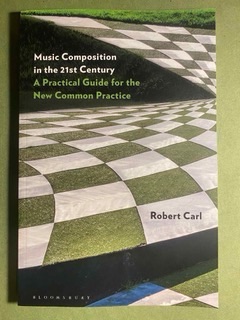


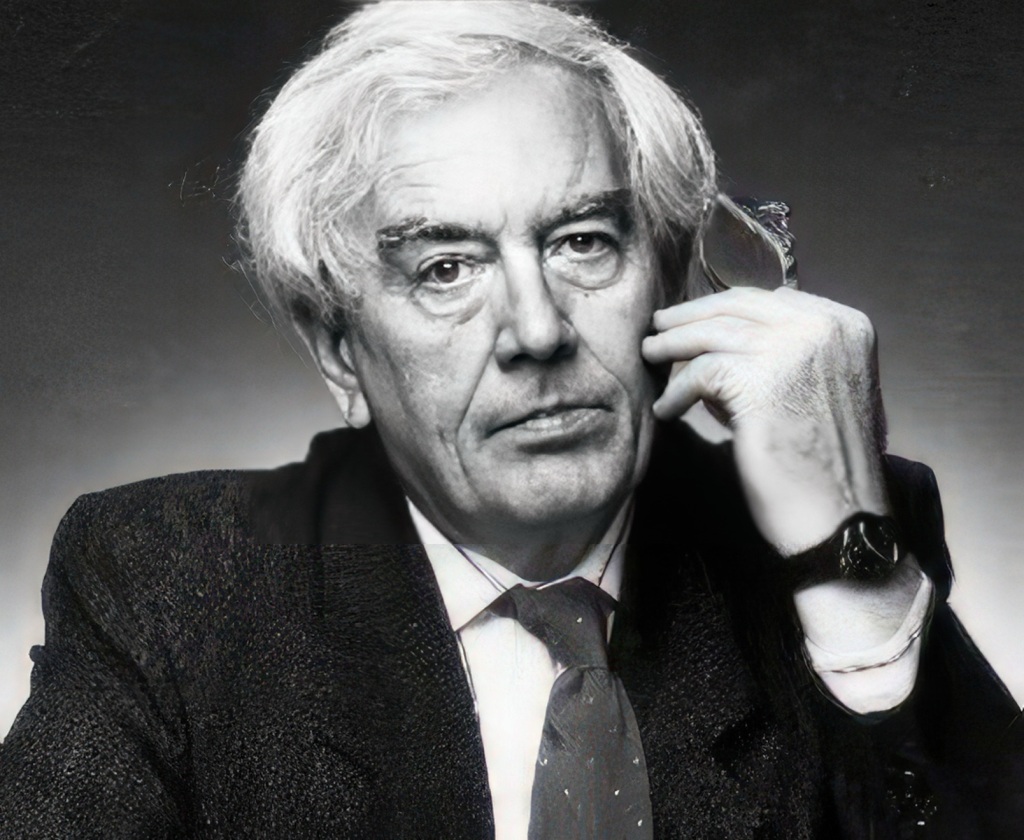


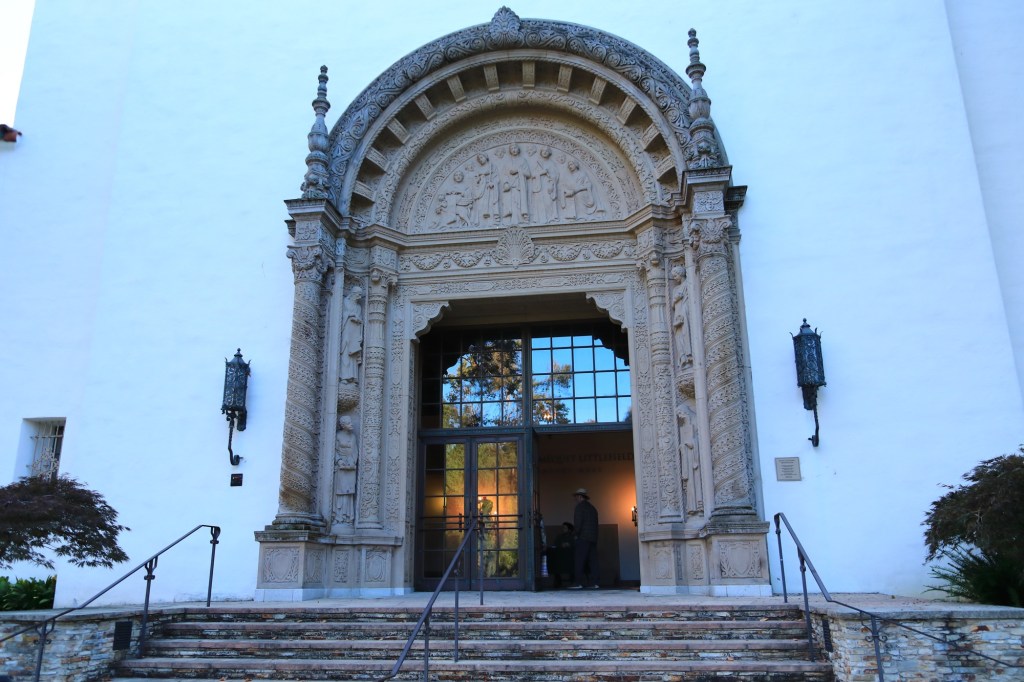


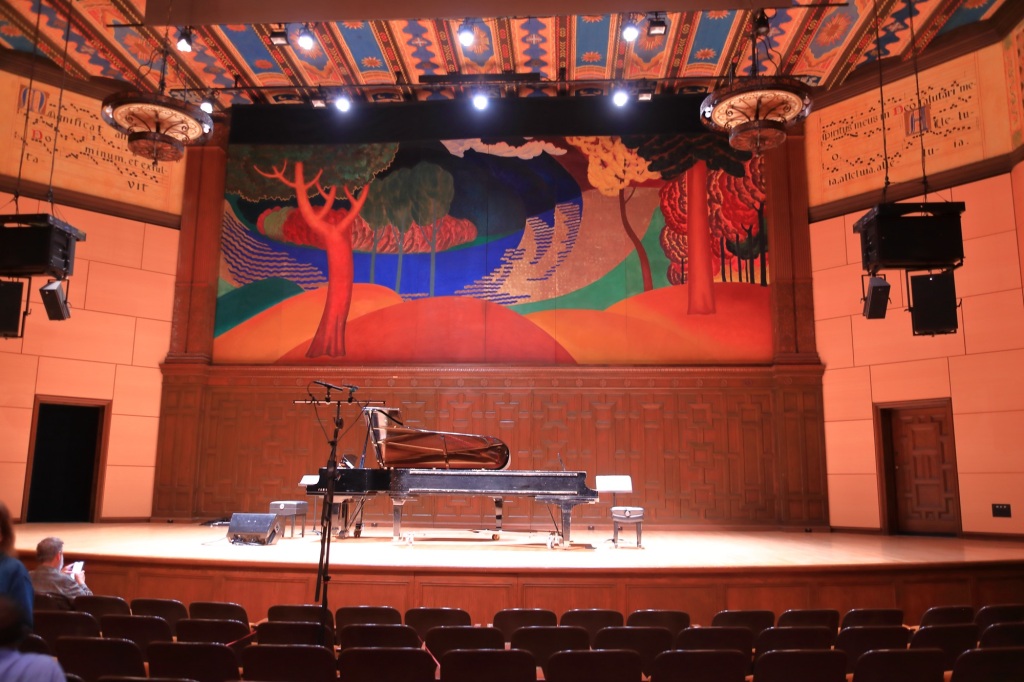
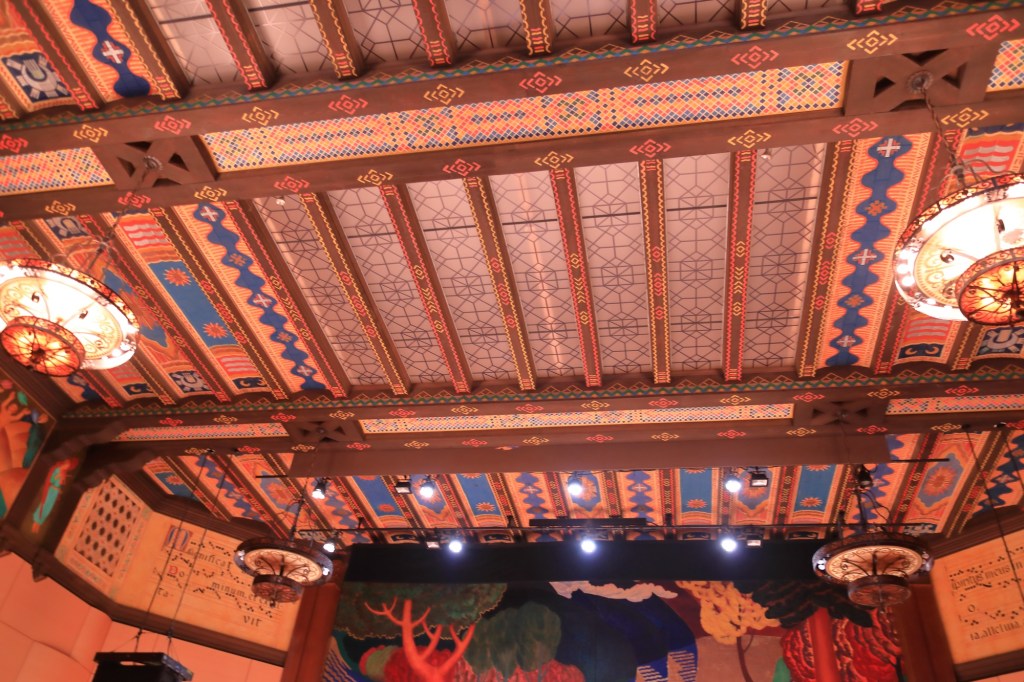
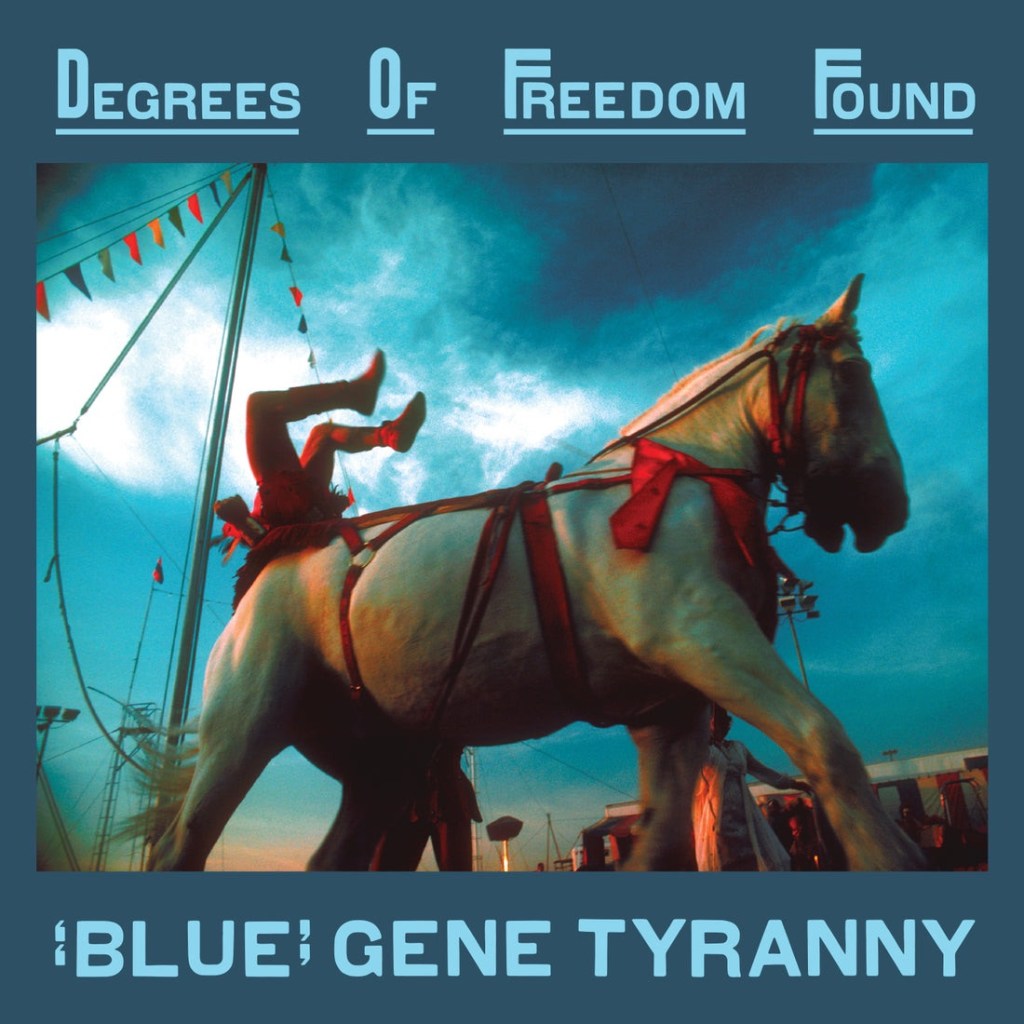


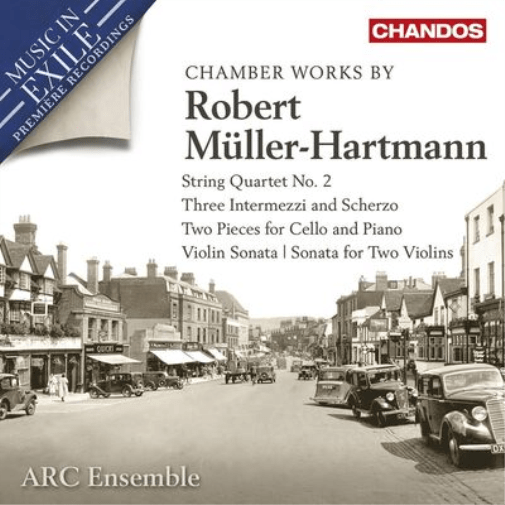

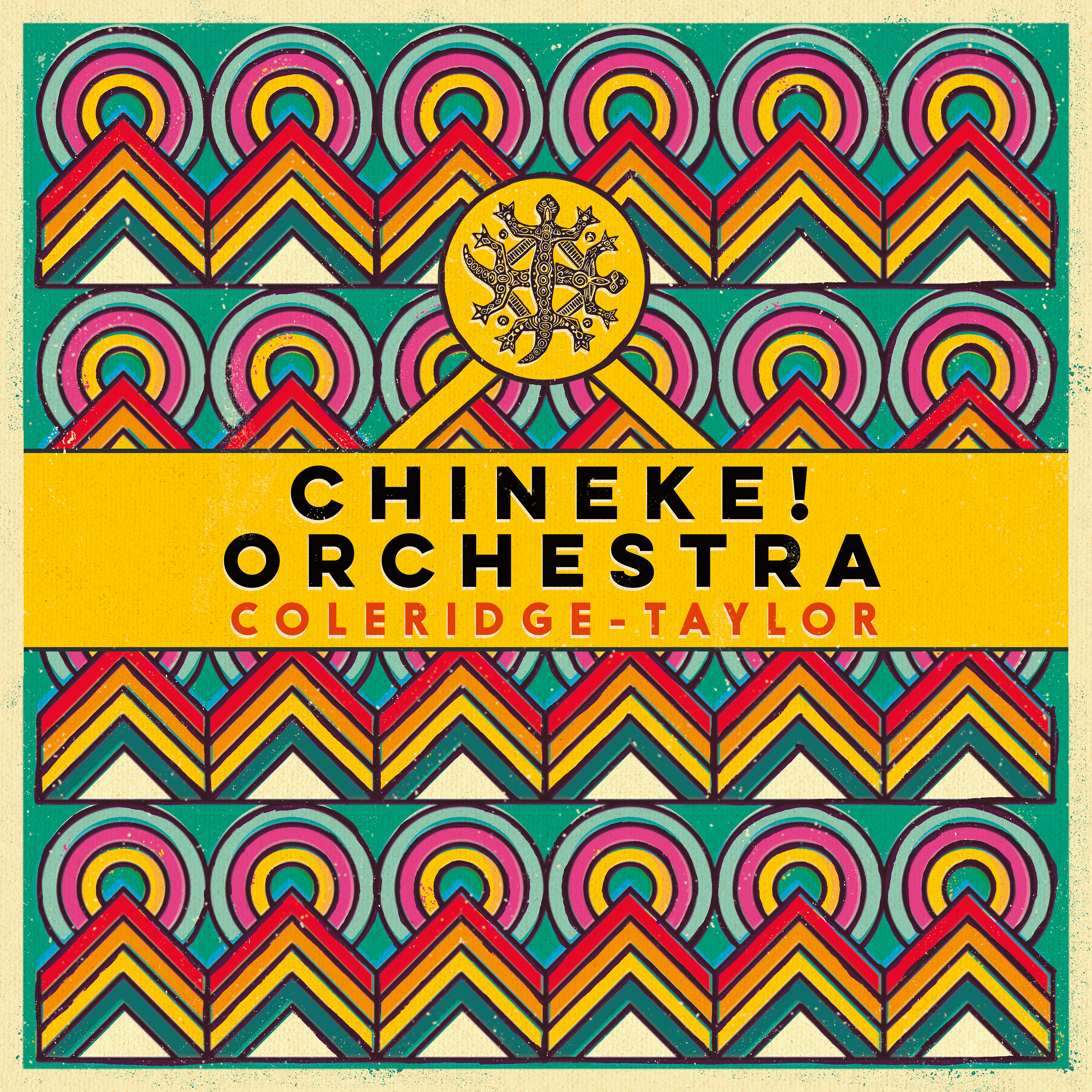


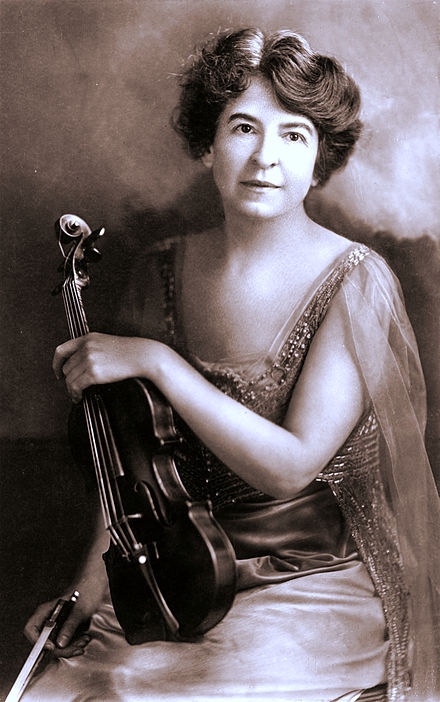

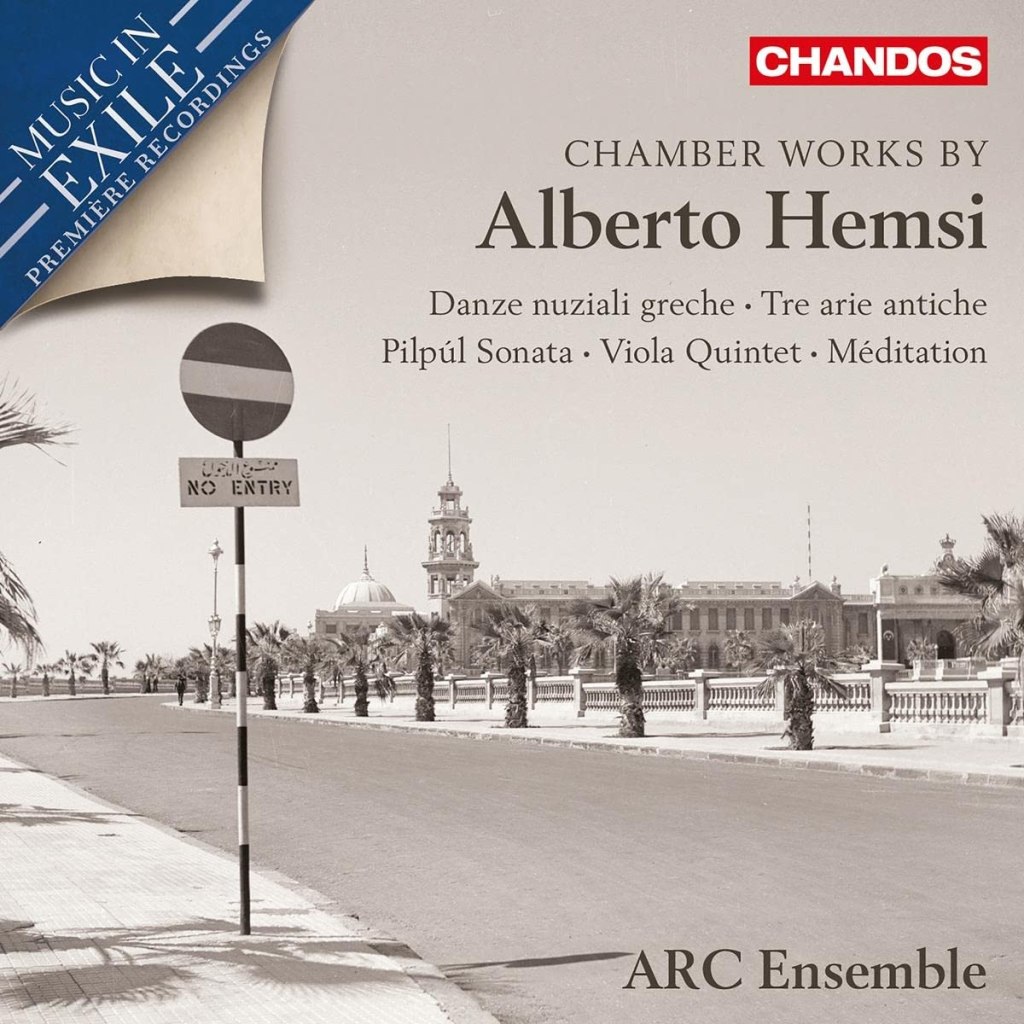
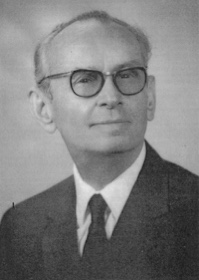





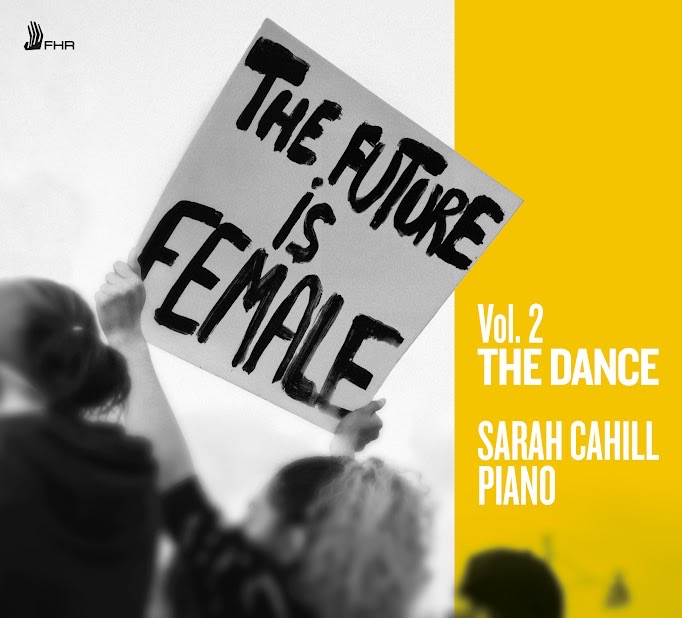

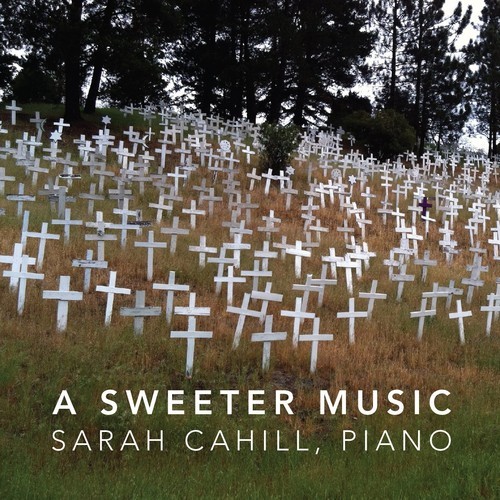


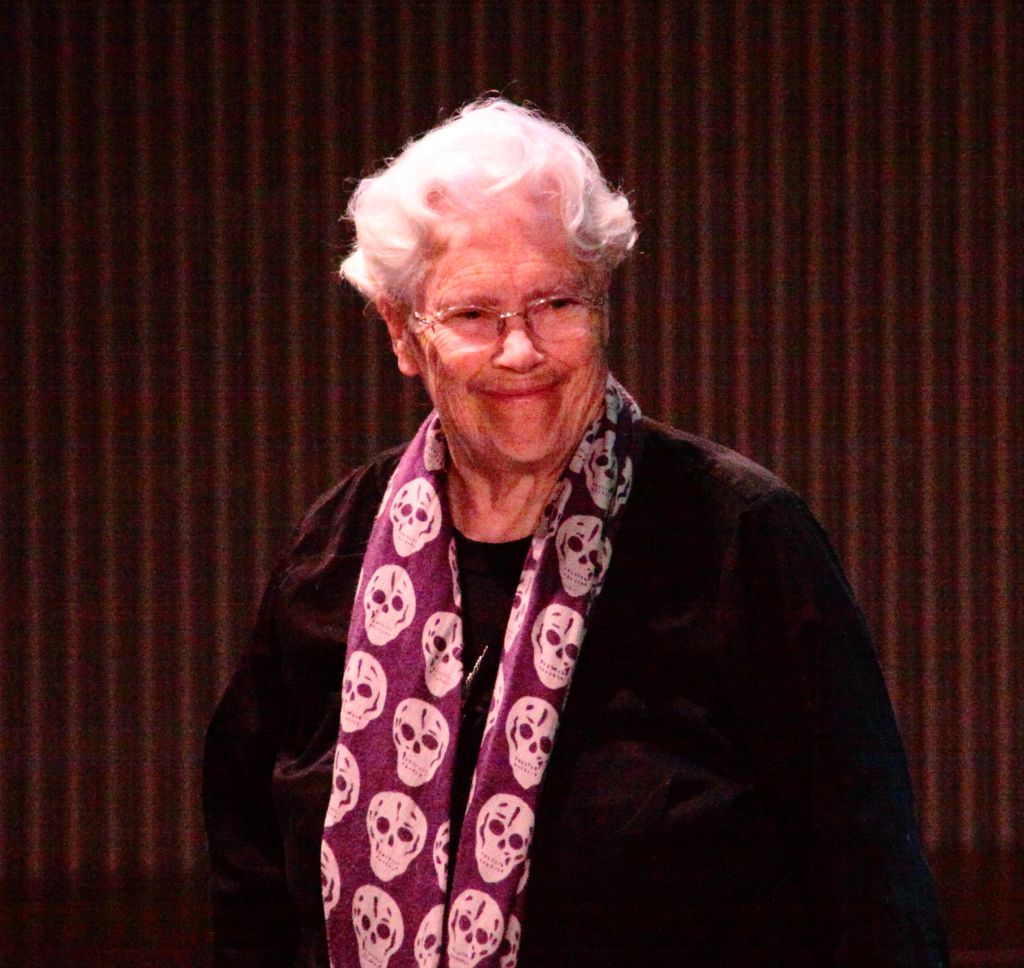

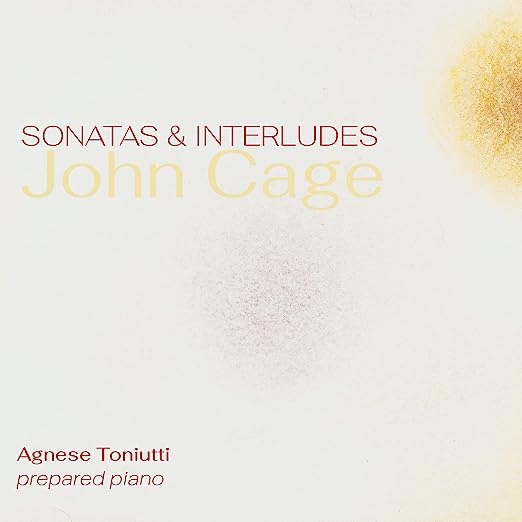


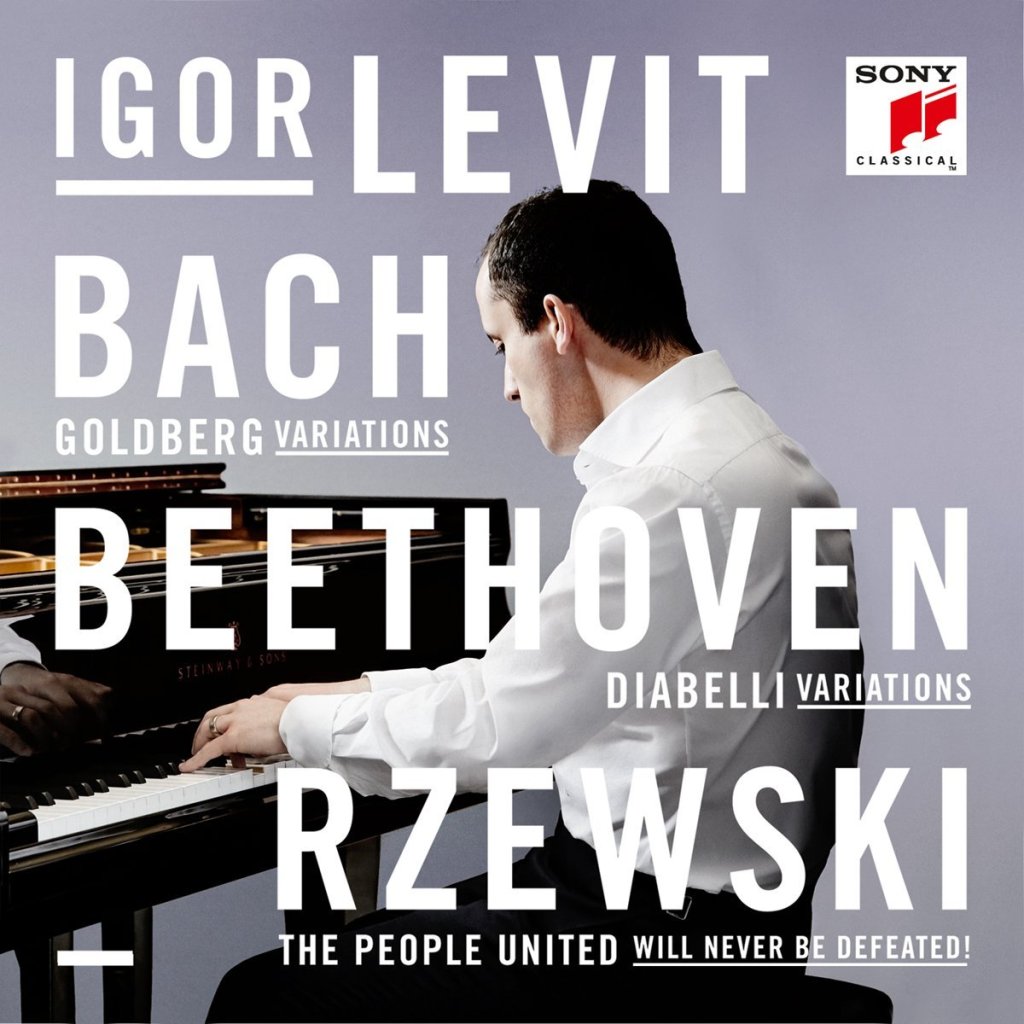

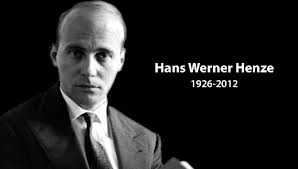
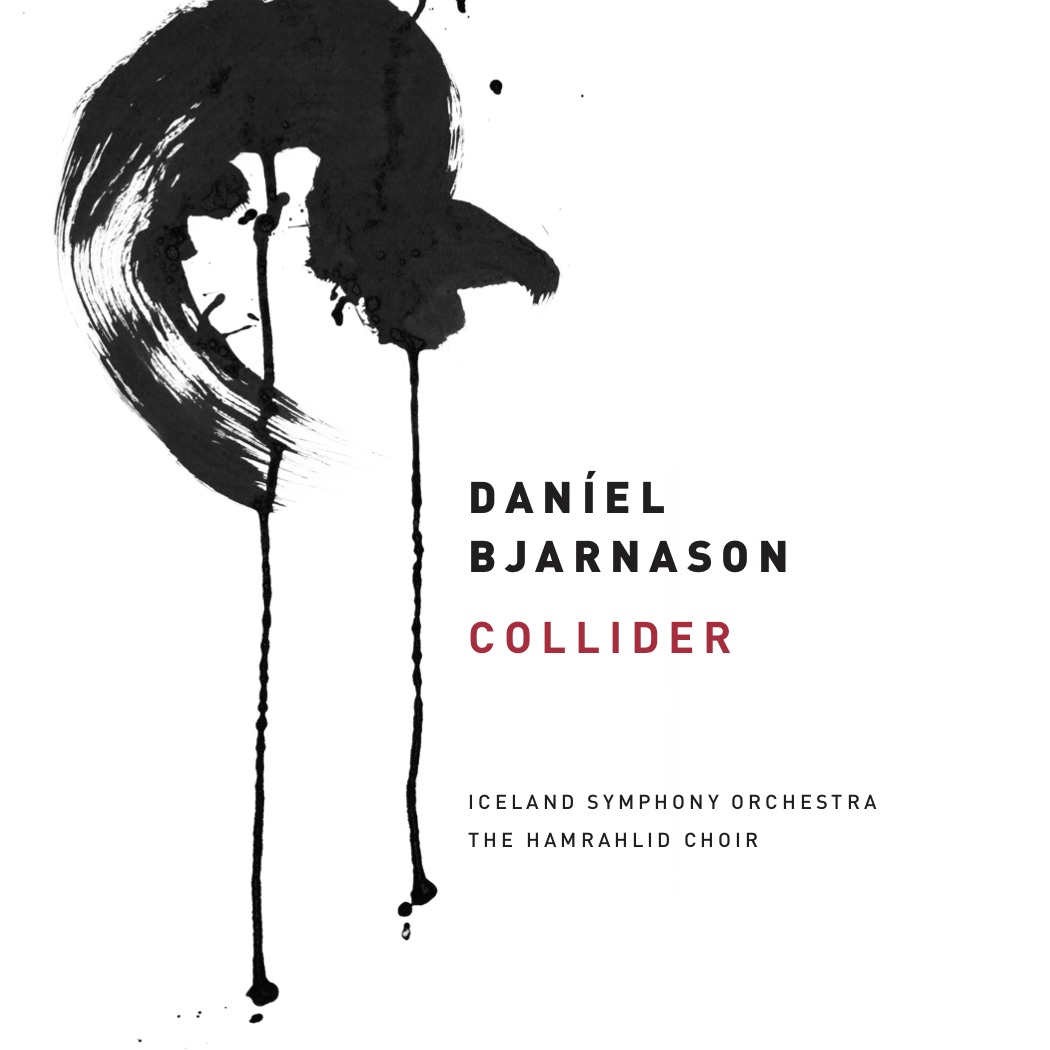
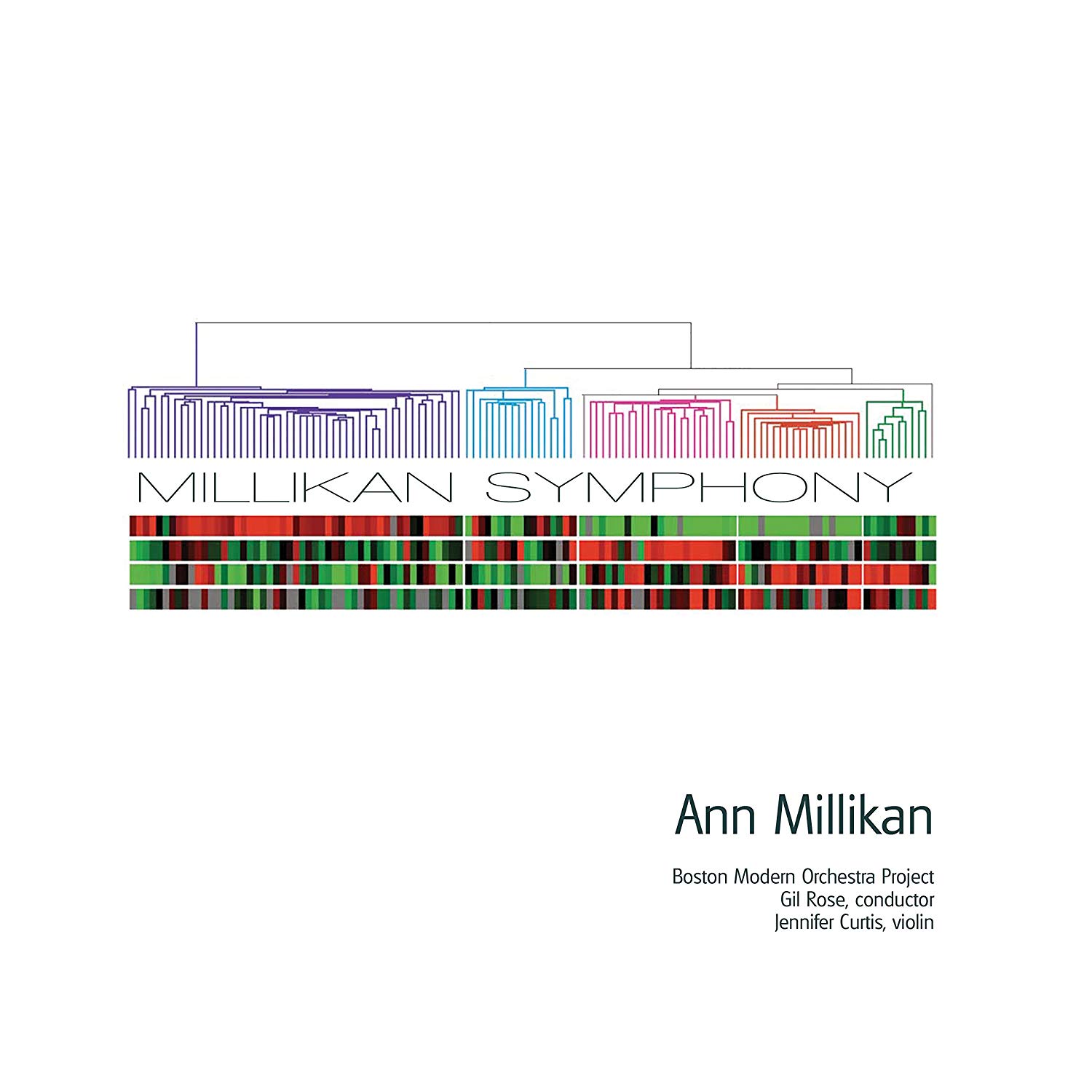



 New Music Buff