Primous Fountain World Music Tour Begins in Moldova


Primous Fountain arrives in Moldova to oversee the performances of his music.

Primous Fountain arrives in Moldova to oversee the performances of his music.

There has been quite a bit of interest in my earlier post on this composer.  Since then I have had the pleasure of exchanging quite a few e-mails with Mr. Fountain in which he has generously shared more details about himself and his work.  It turns out that he had been preparing for a tour of concerts of his music the first of which will occur in Chisinau, Moldova on May 19th.

Mr. Fountain has now completed 6 symphonies in addition to other orchestral and chamber works.  His first orchestral work, Manifestation (1969) was premiered by the Chicago Symphony when the composer was just 19.  He is a graduate of Wendell Phillips High School in Chicago and studied at De Paul University and the New England Conservatory with Gunther Schuller.  His Second Symphony was commissioned by Quincy Jones and it was a performance of this work that caught the interest of Gheorghes Mustea, a composer, conductor and cultural icon in Moldova who later agreed to this all Primous Fountain concert.

Maestro Gheorghes Mustea with his Orchestra of Teleradio Moldova Corporation.

Maestro Gheorghes Mustea with his Orchestra of Teleradio Moldova Corporation.

The 6th Symphony received its world première at this concert along with movements 7 and 8 of his composition, String Orchestra and an arrangement for trumpet and strings of a portion of his 2nd Symphony.  The concert will be recorded on video for later broadcast.  It was broadcast live on Radio Moldova and streamed on the internet.

Primous Fountain in the Radio Moldova Studio for his interview.

Primous Fountain with Maestro Gheorghes Mustea in the Radio Moldova Studio for his interview.

This was apparently the first time this orchestra had done a world première by a living American composer and I spoke with the very helpful orchestra manager Vasile Oleinic who told me that the conductor and musicians are very excited about this opportunity.  Mr. Oleinic has been sending me the photographs which illustrate this post.

This is the first of a planned series of concerts to be announced at a later date in what is billed as the Primous Fountain World Music Tour.  Mr. Fountain kindly sent me a copy of a promotional flyer which you can access here: PrimousFountainTour

This is the first article in what I hope to be a series devoted to Mr. Fountain’s concert series.  Stay tuned.

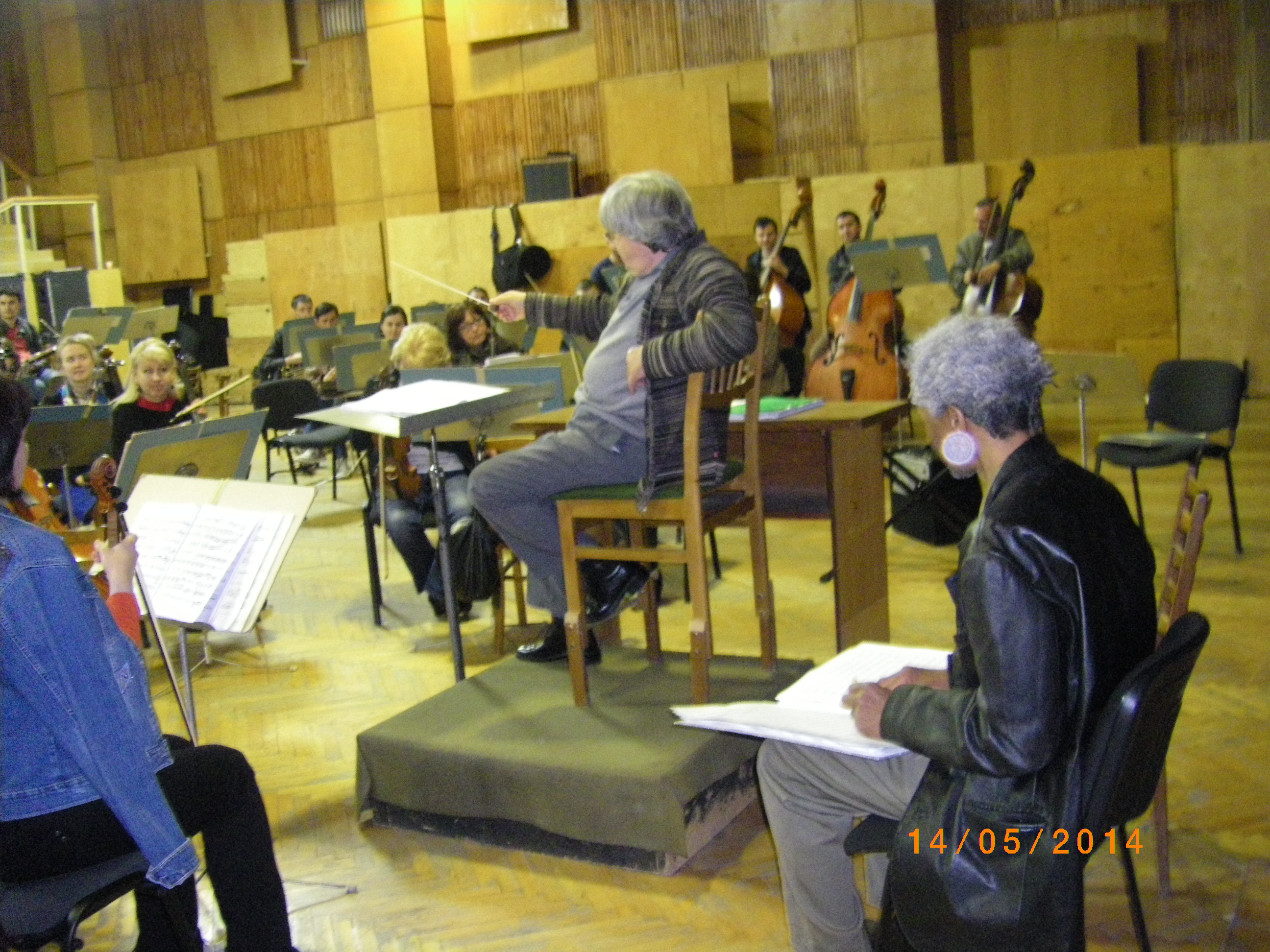
Primous Fountain working with the conductor at rehearsal.

Primous Fountain working with the conductor at rehearsal.


Enhanced by Zemanta

Tawawa House in Modesto? A New Staging of Zenobia Perry’s Opera.


Modesto California is not a common destination for new music productions but I learned of an upcoming performance of Tawawa House by Zenobia Powell Perry (1908-2004).  It was written in 1984 and premiered in 1987 at Central State University in Wilberforce, Ohio (actually the geographic setting of this opera) where she was part of the music faculty from 1955-1982.

I only learned of this performance due to my Facebook contact with Bill Doggett, a bay area business developer and marketing consultant who focuses on music by people of color.  The production is staged by Townsend Opera at the Gallo Center for the Arts in Modesto, CA.  It was the world première of a revised libretto and orchestration by Perry scholar Jeannie Gayle Poole.

After a mostly pleasant two-hour drive I arrived for my first visit to the central valley town.  I  located the beautiful arts complex and proceeded from a warm sunny spring day into one of several theaters housed in the same building, an arts multiplex, if you will.  The theater was about 2/3 full, a good sign.  It is a large and well-designed theater with great site lines, comfortable seats and a large fully equipped stage with a nicely nested orchestra pit.

The program book listed other productions that Townsend has done and it is an impressive list.  While they program popular standard repertory like La Boheme and Aida (no small feat) I did note that they have also done less frequently performed works such as Menotti’s Amahl and the Night Visitors and Offenbach;s Christopher Columbus.  Under the direction of Matthew Buckman since 2008 this is their first world premiere and perhaps their most adventurous production.

The staging (Heike Hambly), costumes (Tara Roe), lighting (Erik Vose), choreography (Erikka Reenstierna) and scenic design (Jean-Francois Revon) were excellent and well suited to what is essentially a chamber opera with spoken dialogue.  The singers were simply amazing both in their vocal artistry and their acting and dancing abilities.  The cast appeared quite comfortable with each other and clearly enjoyed what they were doing.  The orchestra was most ably led by conductor Ryan Murray.  This was a loving, beautiful production with amazing singers who appeared to put their hearts and souls along with their sizable talents to this opera.

The spectacular vocal cast included baritone Lawrence Craig, tenor Anthony P. McGlaun, baritone V. Savoy McIlwain, soprano Leslie Sandefur, baritone Barry Robinson and soprano Shawnette Sulker along with supporting singers and chorus.  These artists alone justified the price of a seat for this performance.

Dramatically staged scene from the second act.

Dramatically staged scene from the second act.

Tawawa House is based on a real place which existed in Ohio and served both as a luxury hotel for white visitors with purported healing waters as well as a major stop on the underground railroad with socially progressive whites assisting in the rescue of slaves from their forced servitude even before the emancipation proclamation.  The story begins before the civil war and ends just after.  It is a story nearly lost to history and one that deserves to be told.

The joyful multiple weddings scene as one happy couple "jumps the broom" in a traditional practice of the era.

The joyful multiple weddings scene as one happy couple “jumps the broom” in a traditional practice of the era.

As an opera it is cast in a conservative musical style relying on spirituals and popular songs of the era with some quotation of both genres.  It consists of choral sections, a few arias and some ensemble singing.  Like many operas this one suffers from a weak libretto at times which nonetheless serves to support the overall structure of the musical work.  This is a gentle retelling of a tale from a sordid and shameful time in our collective history.

The orchestration ranged from a theater orchestra style to some Hollywood-like film score that one might hear in motion pictures from the 1940s.  I don’t know how this edition differed from the original 1987 performance or why the decision was made to revise it.

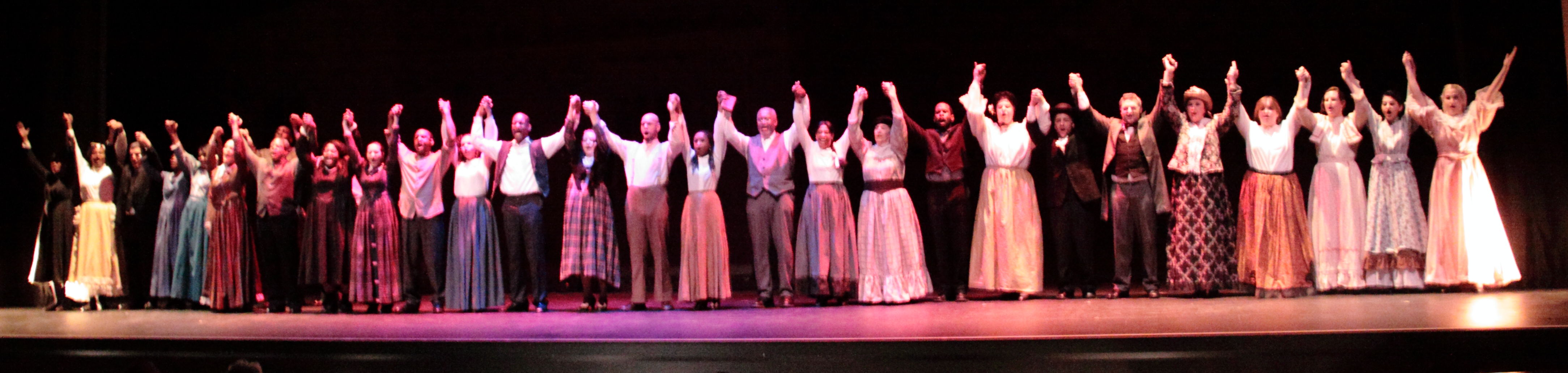
The cast taking their first bow to the appreciative audience.

The cast taking their first bow to the appreciative audience.

It is difficult to say where this work will take its place in musical history but it certainly deserves to be revived.  I hope that the success of this production will encourage adventurous opera companies such as Townsend to seek out other neglected works in that deserve revival and, in many cases, first performances.

Despite some minor weaknesses the performance was very professionally executed,  full of joy and clearly pleased the audience.  After all theater goers are accustomed to the sometimes silly plots common to a lot of operas and musicals but they are seeking entertainment by talented performers and that is definitely what they got.  This was a wonderful production which now puts Townsend opera on my radar.  Looking forward  to more from this company.  Congratulations on a great show!


Enhanced by Zemanta

New Carriers of the Flame of the Leading Edges of New Music


English: Shiraz Art Festival: David Tudor (lef...

With Paul Hillier in Malmö fall 2005

Kronos Quartet with Paul Hillier in Malmö fall 2005 (Photo credit: Wikipedia)

Looking back at the history of music since 1945 one can clearly see the musicians who took on the newly developing repertoire with all its difficulties both in performance and in selling it to an audience.  These are the performers who introduced these new pieces to unsuspecting audiences and lovingly nurtured them to the place they now hold in the canon of musical masterpieces.


I’m speaking here of people like David Tudor, champion of the New York School (Cage, Feldman, Brown and Wolff) as well as a composer in his own right.  I’m speaking of ensembles like the Kronos Quartet and the Arditti Quartet, champions of innovators in music for string quartet.  I’m also speaking of conductors including Serge Koussevitzky, Leopold Stokowski, Leonard Bernstein and a host of others who daringly programmed new music and even sometimes endeared their audiences in so doing.

Arditti String Quartet

Cover of Arditti String Quartet

Date of photo not recorded.

Date of photo not recorded. (Photo credit: Wikipedia)

These are the people who brought that fascinating repertoire to my ears and those of many over the years  They are the people who also taught me why this music needs to be heard, whose enthusiasm communicated the depth in the scores they lovingly rehearsed and performed.


These musicians are part of a tradition, that of championing new music.  They widen and deepen the repertory by their selection, interpretation and performances of music that is new or not yet well-known.  They are the high priests and priestesses of the religion of sonic culture.  And as they fade into history they leave a vacuum which must be filled.


English: Portrait of Serge Koussevitzky (Russi...

 Portrait of Serge Koussevitzky from the Library of Congress’s George Grantham Bain Collection (Photo credit: Wikipedia)

My intention here is to identify some of the musicians I have discovered who seem to be taking up residence in that vacuum.  I am starting a series of articles in which I intend to share what I believe to be important cultural finds both in the musicianship and the emerging repertory.


As always I am open to any and all suggestions for inclusion here.  I would like to know who is going to introduce me to my next favorite musical discovery.


English: Leonard Bernstein

 Leonard Bernstein (Photo credit: Wikipedia)

My first article, currently in preparation, will be on the French pianist Nicolas Horvath.  His significant presence in social media makes him almost hard to miss and relatively easy to research.  Please stay tuned.


Enhanced by Zemanta

Secret Rose Blooms: Rhys Chatham at the Craneway Pavilion


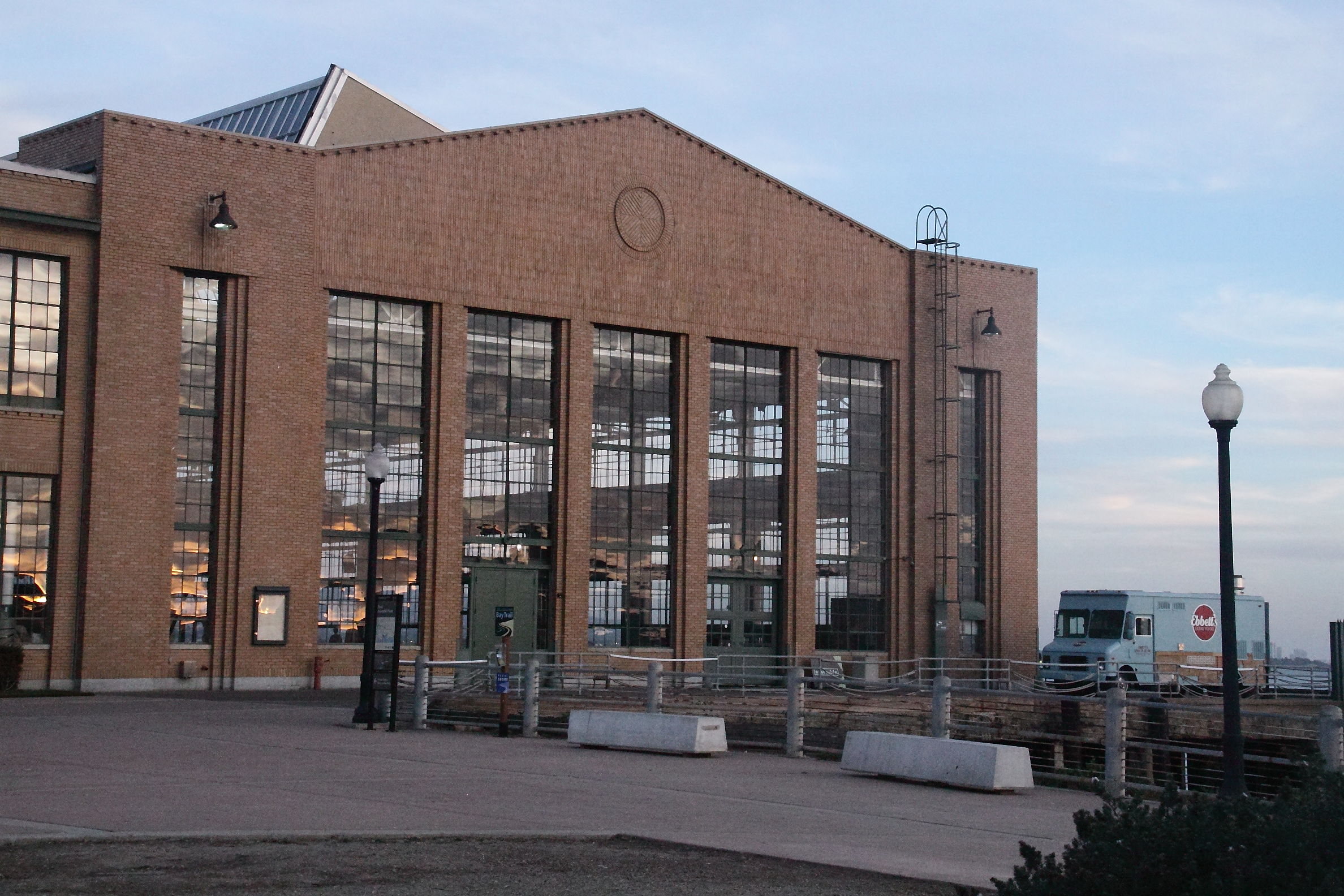
Craneway Pavilion

Craneway Pavilion

On Sunday November 17th I attended one of the most unusual concerts in my experience.  The performance of Rhys Chatham‘s ‘A Secret Rose’ at the beautiful Craneway Pavilion in Richmond was produced by Other Minds and the eclectic bay area new music bloodhound Charles Amirkhanian.

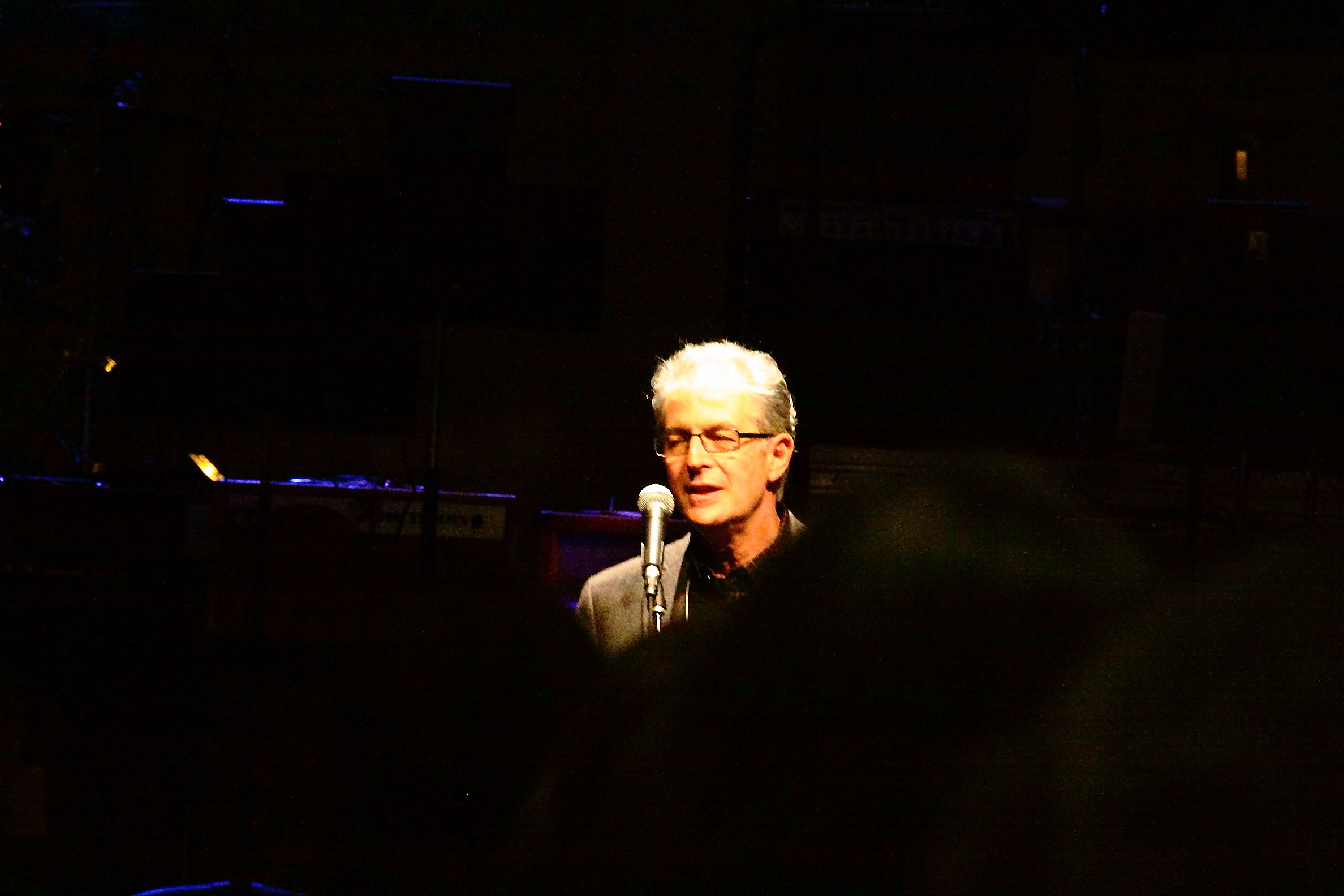
Charles Amirkhanian speaking briefly to introduce the performance.

Charles Amirkhanian speaking briefly to introduce the performance.

Rhys Chatham is an American musician and composer who has spent much of his career in living in France.  He was a part of the New York post-punk downtown music scene in the 70s working with musicians like Glenn Branca, La Monte Young and Charlemagne Palestine.OMChathfinal0131

English: Rhys Chatham at Islington Mill, Salford

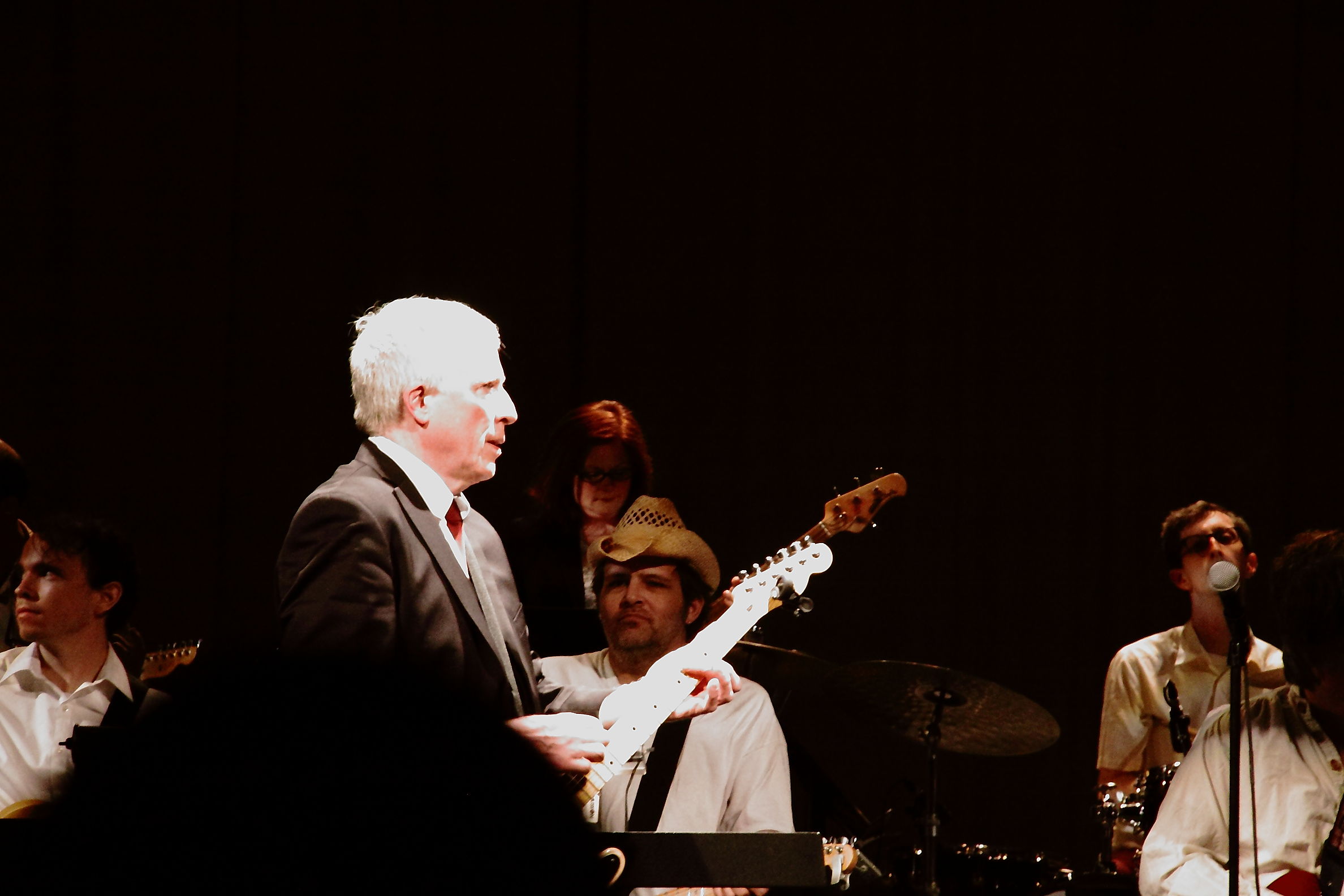
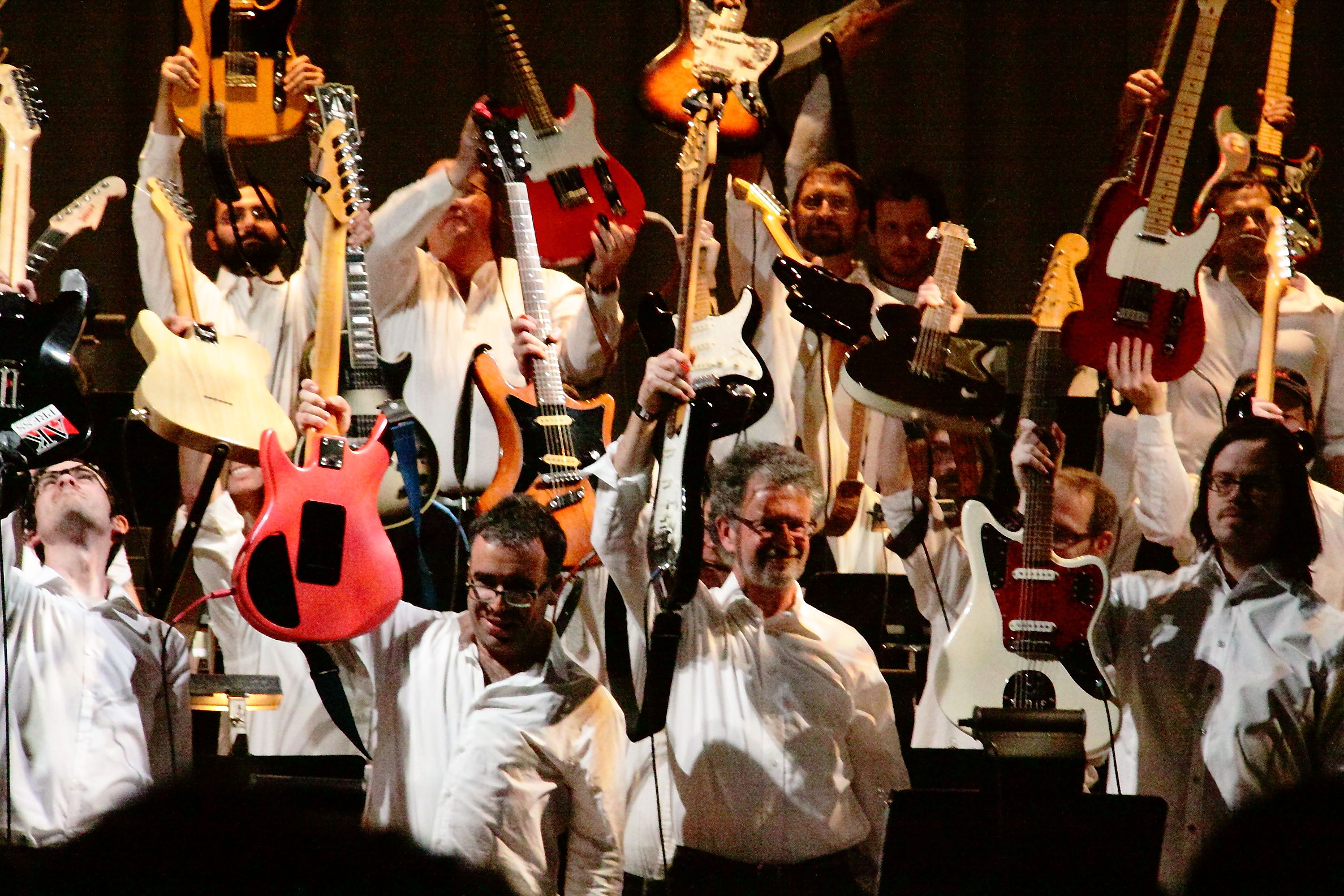
Sunday’s concert was the west coast première of this piece which is scored for 100 electric guitars, bass guitar and drum kit.  It is sufficiently complex as to require at least 3 conductors in addition to the principal conductor (Chatham).  In this respect it brings to mind the work of Charles Ives and Henry Brant.  But this music resembles neither of these composers, at least not precisely so.  Beginning with his work with drones and harmonics Chatham has developed compositional techniques and honed them to a point of mastery.  The multi-movement work was microtonal, polymetric, aleatory/improvisatory, dissonant, melodic and enthralling.  Did I mention that it was loud?  No?  Well loudness may be the most obvious aspect of this music but that loudness is organic to the music.  The volume paired with the very live acoustics of the cavernous performance space elicited a wide range of harmonics which, through Chatham’s skillful techniques evoked a variety of timbres.  (Complementary ear plugs were provided.  I took a pair but did not use them.)  I heard guitars, certainly and drums and bass.  But at times it sounded like there were brass instruments and even vocals.  (I swear I heard words being sung.)

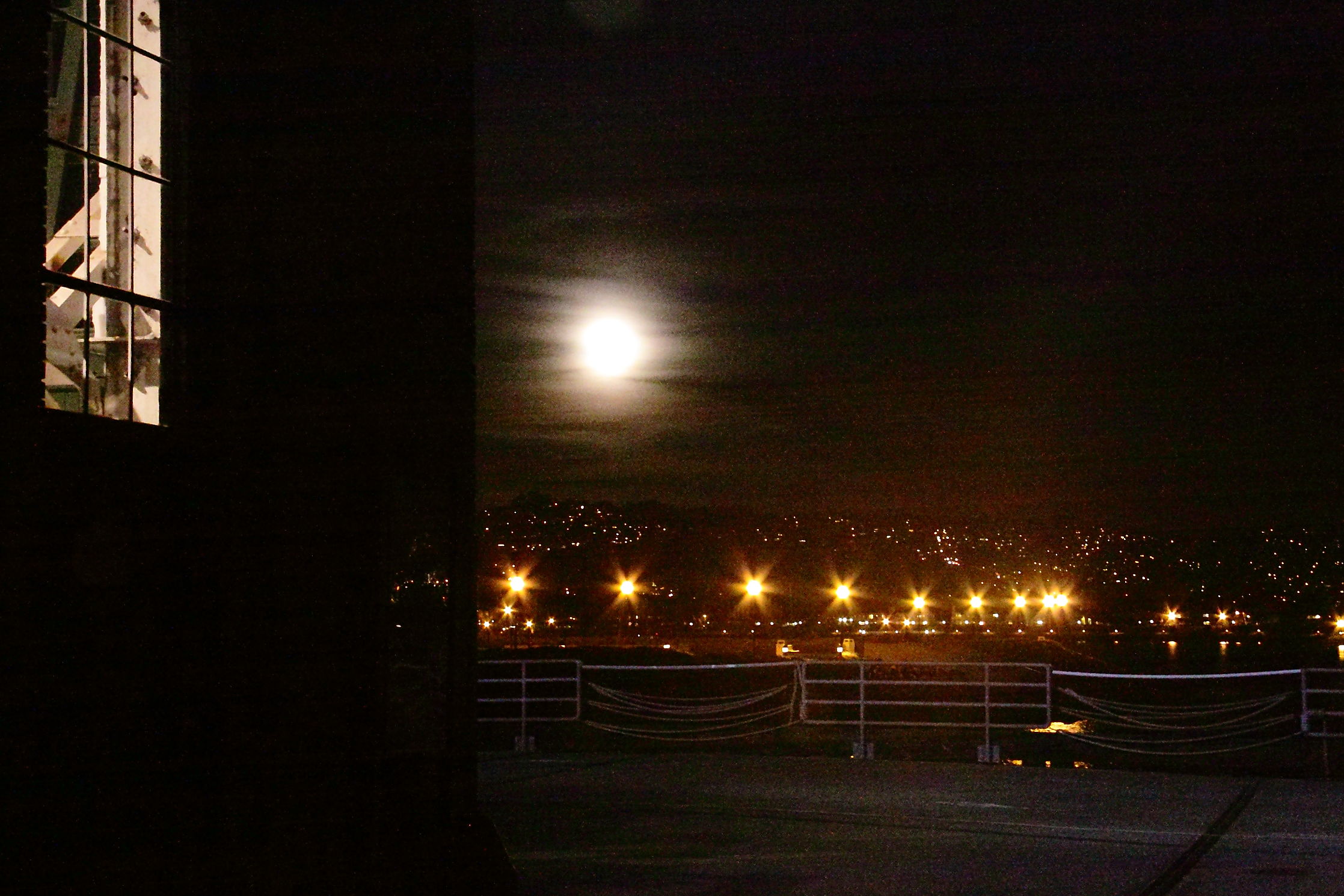
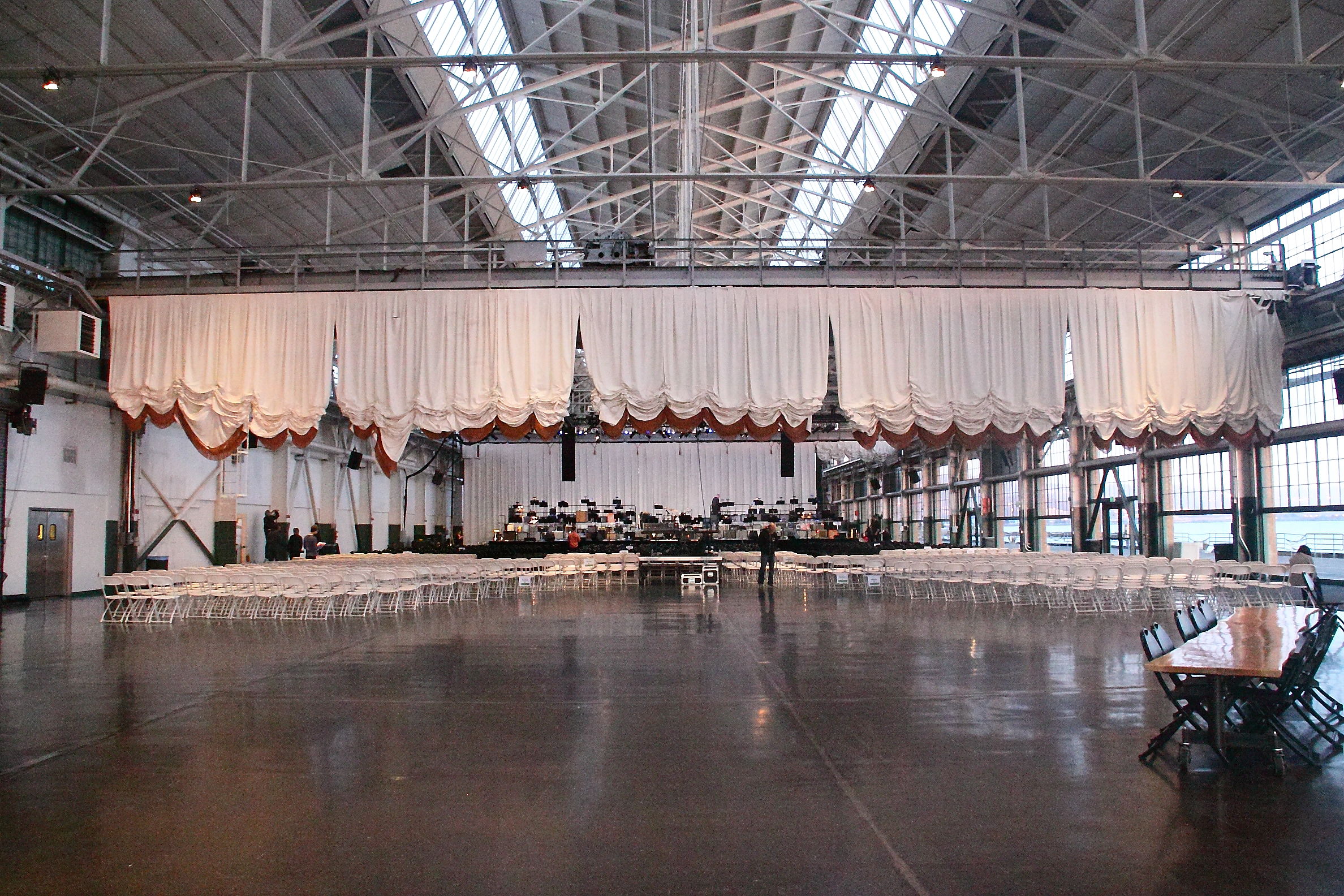
Craneway Pavilion is a 45,000 square foot former Ford assembly plant that was remodeled for use as a performance space and conference center.  Its size and waterfront location remind me of Chicago’s ‘Navy Pier’ on  the lakefront.  Craneway is on San Franciso Bay and faces south with a view of the bay bridge eastern span as well as views of San Francisco.  The appearance is that of a large loft space with metal beams and a general industrial appearance.  Its floor, walls and ceiling are surfaces that are highly reflective of sound and therefore ideal for this performance.  As promised in the promotional materials the full moon rose in the east over the bay before the performance began.

Full Moon rising over the bay just before the performance.

Full Moon rising over the bay just before the performance.

Looking toward the seating and the stage in the performance space at Craneway Pavilion.

Looking toward the seating and the stage in the performance space at Craneway Pavilion.

Chatham’s music was not about complexity for the sake of complexity.  His compositional strategies required the complex goings on we heard on Sunday.  The room itself became a sounding chamber itself amplifying, canceling and propagating the swirling harmonics that resulted from specialized tunings in addition to the other techniques mentioned.OMChathfinal0101

OMChathfinal0100

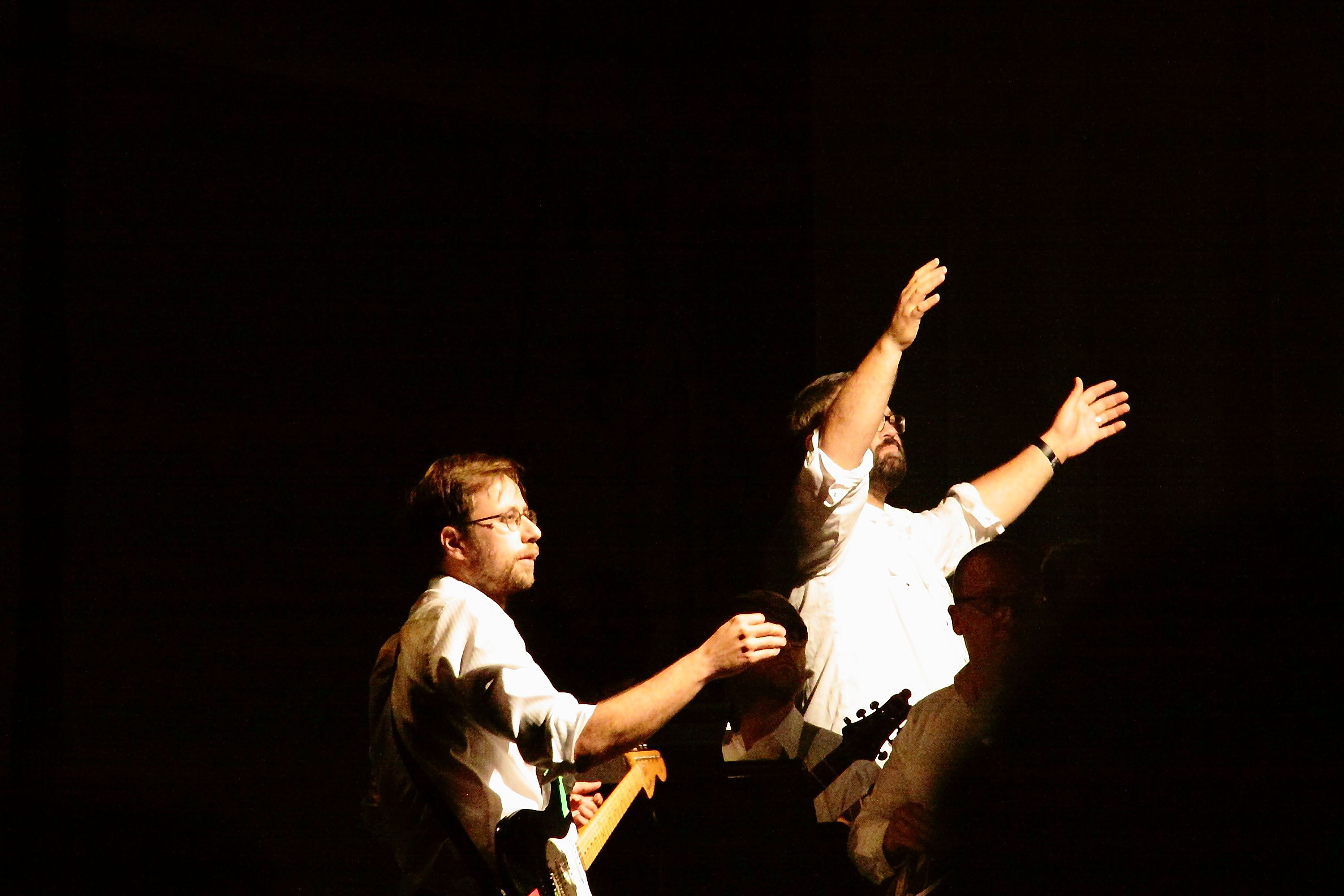
The multiple movements ranged from drone-like structures to more rhythmically complex sections and even melody.  Yes, melody. Chatham writes catchy melodies and motives that sound like they’ve been taken from one rock album or another.  Sonic gestures evoked impressions of Ozzie Osbourne, Eric Clapton, and many others depending on your personal listening experiences.  This music was ritual as much as expository.  His techniques were not limited to rock music but extended to free jazz and classical techniques as well.  Taken as a whole the piece was a multi-movement symphony, each movement sustaining its own argument in service of the whole.  For the finale Chatham set aside his conductor’s baton and picked up his guitar, not for a solo as one might expect in an ordinary concert, but to participate in the ecstasy of performance.

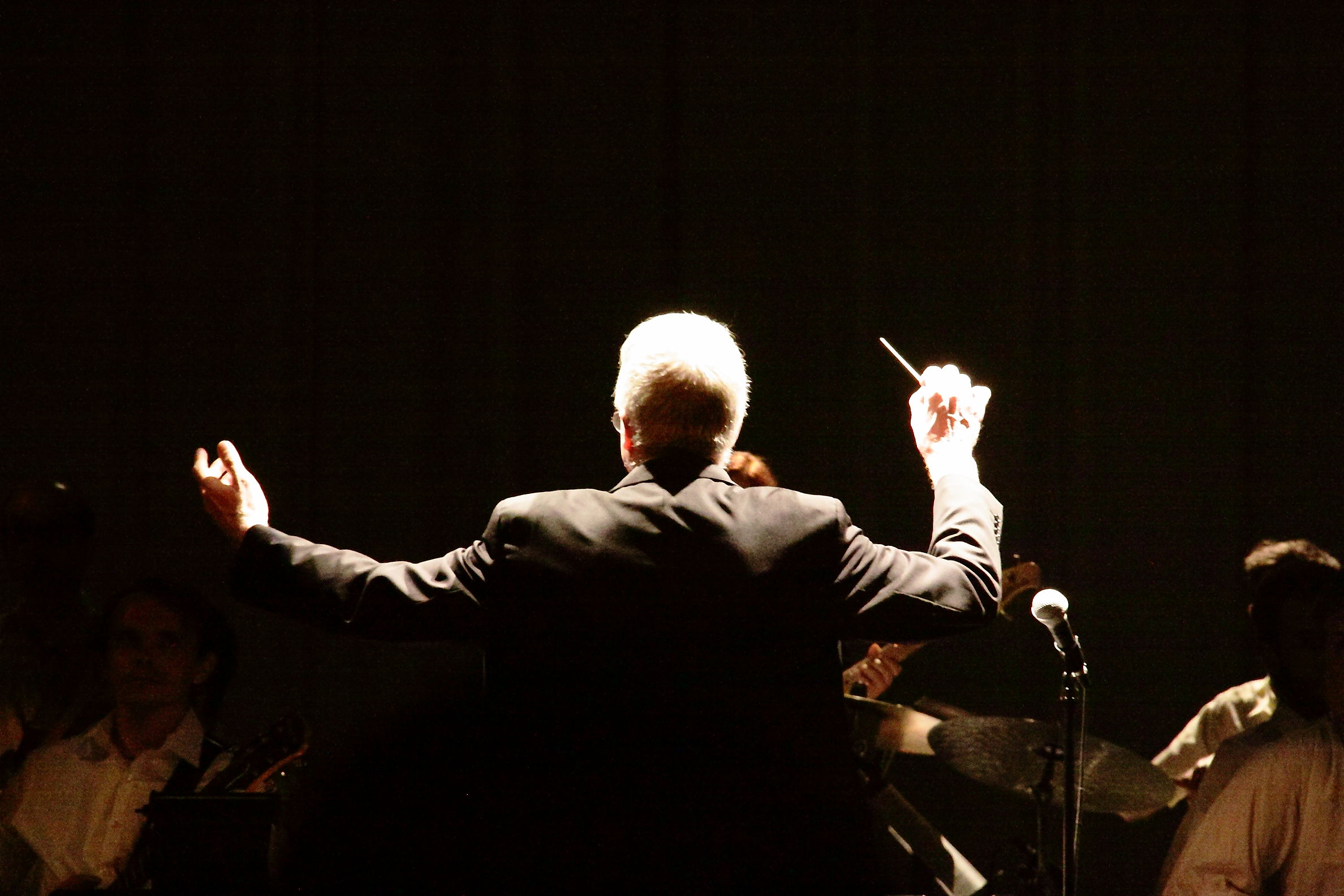
Chatham conducting.

Chatham conducting.

It is tempting, if a bit cliché, to suggest that this ritual music stirred the ghosts of the past.  While standing in the ticket line one gentleman said to me, “I walked out of a Jimi Hendrix concert in 1967 because it was too loud”.  Almost immediately someone else said, “I was at that concert…”.  Perhaps the Grateful Dead, Jefferson Airplane and Pretty Things were stirred from their slumbers.  They were certainly evoked.  I don’t know if the aforementioned gentleman ultimately stayed for the performance but I suspect he probably did, maybe in honor of Jimi.

Chatham playing guitar in the finale of 'A Secret Rose'

Chatham playing guitar in the finale of ‘A Secret Rose’

The crowd was several hundred strong ranging in age from about 5 to 85.  Most appeared to be enjoying this loud and driving rhythmic composition.  Some rocked or nodded to the beat.  Some sat entranced and/or perplexed but attentive.  At the end there was a standing ovation and, from Mr. Chatham, a welcome encore featuring seriously de-tuned guitars.

The encore piece was also captivating and inventive though certainly not as long.   Chatham’s music is not easy to categorize or describe.  Even having heard a fair amount of his music on recordings over the years I could not have anticipated what I heard at this concert.  I now understand how some music cannot be adequately represented even by our best recording technology.

I’m not sure of the significance of the title but it does bring to mind William Butler Yeats’ book, ‘The Secret Rose’.  Its stories steeped in Irish mythology are introduced by an opening poem which reads in part:


Far of, most secret, and inviolate

Rose,

Enfold me in my hour of hours; where

those

Who sought thee at the Holy Sepulchre,

Or in the wine-vat, dwell beyond the stir

And tumult of defeated dreams; and deep

Among pale eyelids heavy with the sleep

Men have named beauty.

OMChathfinal0140

OMChathfinal0138OMChathfinal0141

Music Apps for the Educated Consumer


Image representing iPad as depicted in CrunchBase

Image via CrunchBase

While I sometimes write music I spend far more time listening to and writing, or at least thinking, about music. And my performing chops need not even be discussed. But my compelling interest in music has been aided by my continuing efforts to improve my ability to read music.

I recall as a teenager the geeky thrill I got out of receiving an omnibus volume of orchestral scores which included Berlioz’ ‘Symphonie Fantastique’, Dvorak’s 9th and Rachmaninoff’s 2nd among others. The scores were compactly produced so as to fit a lot of music on not a lot of pages but they were readable. I spent hours learning to follow along as best I could learning along the way many of the subtleties of the music and enhancing my appreciation.

Now the digital age has at least a couple of apps for that. I recently downloaded the ‘Open Goldberg Variations‘ and the Beethoven Ninth apps from, of course, the Apple store to my iPad.

Open Goldberg Variations on iPad

Open Goldberg Variations on iPad (Photo credit: musescore)

The ‘Open Goldberg Variations’ is a free app that includes a complete performance of Bach’s ‘Goldberg Variations‘ on the piano by Kimiko Ishizaka as well as a complete score with a cursor that handily shows you your place in the score as it is played.  This is a useful learning tool on many levels.

It is a creative commons zero license which is basically public domain and is available for free.  You can download an mp3 file or a wave file and you can download the iPad app which contains the recording and a score which is executed on the open access Muse Score composition program.

I have also downloaded the Muse Score program (available at musescore.org) and find it to be an extremely flexible and constantly developing platform that provides many compositional and analytical tools for a budding composer or a professional one included nested tuplets, harmonic analysis, provision for alternate tuning systems and a host of user created options as well.  I intend to write more about this as I negotiate the learning curve.

Another iPad app which I recently downloaded is called, “Beethoven’s Ninth Symphony“.  It features 4 different recordings of the symphony (Ferenc Friscay and the Berlin Philharmonic from 1958, Herbert von Karajan and Berlin Philharmonic from 1962, Leonard Bernstein and the Vienna Philharmonic from 1963 and John Eliot Gardiner with the Orchestre Revolutionnaire et Romantique from 1992).  With each recording you can follow the score in contemporary notation fonts, the original manuscript in reproduction or a graphical representation of the orchestra highlighting which instruments are playing at a given time.  In addition you can view what they call a “curated score” in which only the score parts for  the instruments which are playing are shown.

Page 12 (right) of Ludwig van Beethoven's orig...

Page 12 (right) of Ludwig van Beethoven’s original Ninth Symphony manuscript. (Photo credit: Wikipedia)

There are indicators of the key in which the orchestra is playing to aid in understanding harmonic modulations as well as a running commentary on what is happening in the music in a sort of poetic description written by David Owen Norris.  The app, which retails for $13.99 USD seems to me to be a bargain for the interested listener or the student.

Learning to read music has greatly enhanced my ability to appreciate music and I think these apps are delightful and easy to use learning tools.  I look forward to more of these in the future.

I wonder too if we will begin to see audience members following scores on their iPads in concerts.  Interesting development.  Perhaps this will motivate composers to do some creative interactive things with iPad apps in the concert forum.


Black Classical Part Five


Looking at the previous four installments in this, my personal tribute to Black History Month, I decided that I needed to write one more (for now) in this series. So here I will present some of the resources I have found useful in learning about this music. While I have some knowledge in this area I could not have written these posts without these sources and I will continue to look to them to help me discover more musical gems. I hope that these essays have sparked some interest and I hope that any such interest will have ways to grow further.

The most useful general search terms formed the titles of these posts: black classical (or “African-American classical” which then limits your search to U.S. or the Americas). The term, “classical” is problematic but did serve to differentiate my searches from blues, ragtime, traditional jazz, soul, rhythm and blues, pop, rap and related genres that are more stereotypically associated with black people in music.

My focus was on composers and conductors leaving out a vast category of black classical musicians. A useful overview can be found at: http://www.wqxr.org/#!/articles/black-history-month/2013/jan/31/timeline-history-black-classical-musicians/. This little timeline provides a perspective on the slow acceptance of black musicians in the elite ranks of producers and ensembles that define the classical music experience.

africlassical.com is a good general site that lists many black musicians and its far more up to date companion site http://africlassical.blogspot.com/ has postings of great interest on an almost daily basis has been both essential and revelatory at times (I bookmarked this blog).

Center for Black Music Research is a rich resource and also publishes an academic journal on the subject as well as many other useful and interesting publications. They also maintain a large research library of books, journals and recordings. And they cover all forms of music. An excellent resource.

But the starting point for my personal interest in this subject is the landmark set of recordings which I encountered in the mid to late 1970s. Columbia records release of nine albums entitled ‘Music by Black Composers’ is perhaps the best starting point due to the wonderful scholarship and musicianship in this set. Conductor Paul Freeman along with musicologist Dominique-Rene de Lerma collaborated on this set. They produced a fine overview of neglected black composers from the 18th century to the mid-20th century in an intelligent selection of music and excellent performances by American orchestras. I was pleased to find that the reissue of these albums as a 9 vinyl disc boxed set remains available for only $35 plus postage from here. I jumped at the opportunity to acquire this great reissue funded by the Ford Foundation and my order was sent to me in less than a week.

Chicago-based Cedille Records has some great releases and even more great black classical is available at Albany Records.  Search for the work of Paul Freeman on both labels.

The ultimate goal for me in all this would be to have black classical musicians and composers equally represented on recordings, in performances and in programming. But until that happens (I’m not holding my breath here) the recordings and resources thus far cited (and many that were not) will have to suffice. While I continue to enjoy discovering this music as a “best kept secret” or a limited boutique-type item I would much prefer that the art of these black musicians become common knowledge, not a political issue of which Marian Anderson‘s concert at the Lincoln Memorial has become emblematic.

20130221-135527.jpg

Let me end by referring my readers to my favorite fiction book about black musicians: Richard Powers‘ 2003 masterpiece ‘The Time of Our Singing‘. Powers, who is also trained as a musician, demonstrates amazing insight to music as well as civil rights issues in this sweeping epic of the twentieth century. The chapter entitled, Easter, 1939 (too long to quote here) brings the Marian Anderson concert to life in powerful prose. Read it, preferably out loud to a friend, because it will give you a history lesson and perhaps put you in touch with the emotional power and significance of that event.

Happy Black History Month to all. And happy listening.

20130222-084931.jpg


Black Classical Part Three


20130214-170052.jpg

For my third installment I have chosen to highlight that series of recordings by conductor Paul Freeman of music by black composers which I mentioned in a previous blog.

In 1974 Columbia Records issued 9 LPs (originally it was to be 12) over the next few years in a series called, ‘Music by Black Composers’. The music was chosen largely by Paul Freeman who also wrote the liner notes and conducted the performances. He was assisted by musicologist Dominique-Rene de Lerma who contributed his knowledge of pre 20th century black music and also edited some of the pieces for performance.

This set of records was featured by my local radio station (WFMT in Chicago) at the time of its release and opened my listening mind to to this cornucopia of fascinating classical concert music by black composers. The series was so titled in part because it included music from many countries and also because it was released before the term ‘African American’ became Le mot juste (but that is another story).

The series was apparently recorded and released 1974-78 and re-released in 1986 as a set under the Columbia Special Products label. Historically it was an important set of releases much like the series curated by David Behrman called ‘Music of Our Time’ which featured some truly cutting edge music by composers writing in the sixties and seventies. To be sure the black composer series was not cutting edge modernism like that series but gains its cutting edge from collecting in one set music from the 18th to the mid-20th century by a set of composers who, other than having been trained in the discipline of music performance and composition, held in common only a skin color darker than ‘white’.

Billboard announced the plan to issue these records in 1973 saying that they were the fruit of a collaboration between the Irwin-Sweeney Miller Foundation of Columbus, Indiana and, with the encouragement of Dominique-Rene de Lerma, the school of music at Indiana University in Bloomington. Citing “campus politics” professor de Lerma reported that Indiana had lost interest so he phoned Paul Freeman (conductor with the Detroit Symphony at the time) and advised him to contact the ‘Afro-American Music Opportunities Association’ whose support then helped launch this series. The original plan was to release four albums per year for at least three years but a great beginning soon slowed and the 9th album (pictured above) was the final release in the series.

Coming twenty some years after the voting rights act of 1965 it retained the some cachet of the civil rights movement and likely was produced at that time in the hopes that this might help sell the albums to consumers. I don’t know who ultimately bought these albums or what their total sales were but I know that some visionary producers at WFMT piqued my interest and that I bought many of these records and listened with interest when they were scheduled to play (I religiously perused the monthly program guide).

The original releases went out of print in a few years. There was a CD set (currently out of print) compiled by the Columbia University (Chicago) Center for Research in Black Music funded by the Ford Foundation that released a selection of the Detroit Symphony performances (now a pricey collector’s item) from that set as well as a reissue of the complete set on vinyl records with the original cover art and program notes which remains, I am happy to report, available by mail from the College Music Society in Missoula, Montana www.music.org.

The contents are:
Columbia M-32781 (1973); volume 1
Saint-Georges: Symphony concertante, op. 13 (ed. by Barry S. Brook; Miriam Fried, Jaime Laredo, violins; London Symphony Orchestra)
—–: Symphony no. 1 (ed. by D. de Lerma; London Symphony Orchestra)
—–: Scena from Ernestine (ed. by D. de Lerma; Faye Robinson, soprano; London Symphony Orchestra)
—–: String quartet no. 1 (ed. by D. de Lerma; Julliard Quartet)

Columbia M-32782 (1973); volume 2
William Grant Still: Afro-American symphony.
—-: 2 arias from Highway 1, U.S.A. (London Symphony Orchestra; William Brown, tenor)
Samuel Coleridge-Taylor: Danse nègre.
—–: “Onaway, awake, beloved” from Hiawatha’s wedding feast (William Brown, tenor; London Symphony Orchestra)

Columbia M-32783 (1974); volume 3
Ulysses Kay: Markings (London Symphony Orchestra)
George Walker: Trombone concerto (Denis Wick, trombone; London Symphony Orchestra)

Columbia M-32784 (1974); volume 4
Roque Cordero: Violin concerto (Sanford Allen, violin; Detroit Symphony Orchestra)
—–: Eight miniatures (Detroit Symphony Orchestra)

Columbia M-33421 (1975); volume 5
José Maurício Nunes-Garcia: Requiem Mass, M. 185 (ed. by D. de Lerma; Doralene Davis, soprano; Betty Allen, mezzo-soprano; William Brown, tenor; Matti Tuloisela, bass-baritone; Helsinki Philharmonic Orchestra; Morgan State University Choir [Nathan Carter, director])

Columbia M-33432 (1975); volume 6
José White: Violin concerto (ed. by Paul Glass and Kermit Moore; Aaron Rosand, violin; London Symphony Orchestra)
David Baker: Cello sonata (Janós Starker, cello; Alain Planès, piano)

Columbia M-33433 (1975); volume 7
William Grant Still: Sahdji (London Symphony Orchestra; Morgan State University Choir [Nathan Carter, director])
Fela Sowande: African suite (3 excerpts; London Symphony Orchestra)
George Walker: Lyric for strings (London Symphony Orchestra)

Columbia M-33434 (1975); volume 8
Olly Wilson: Akwan (Richard Bunger, piano; Baltimore Symphony Orchestra; Richard Bunger, piano)
Thomas Jefferson Anderson: Squares (Baltimore Symphony Orchestra)
Talib Rasul Hakim: Visions of Ishwara (Baltimore Symphony Orchestra)

Columbia M-34556 (1978); volume 9
George Walker: Piano concerto (Natalie Hinderas, piano; Detroit Symphony Orchestra)
Hale Smith: Ritual and incantations (Detroit Symphony Orchestra)
Adolphus Hailstork: Celebration! (Detroit Symphony Orchestra)

Later Freeman began a series on Chicago-based Cedille records that released three further volumes of black composers’ music with his wonderful Chicago Sinfonietta as well as several CDs dedicated entirely to single black composers (more about those and more in another post).

Perhaps an innovative label such as Naxos might some day bring these Columbia recordings back into circulation in their entirety in the CD format. Meanwhile I am pretty happy with my LPs with their copious notes and full-sized beautiful graphics. If you haven’t heard this set I would encourage you to avail yourself of some of this beautiful music.

Black Classical Conductors (Black Classical Part Two)


James Anderson De Preist(1936-2013)

James Anderson De Preist
(1936-2013)

The recent passing of conductor James DePreist is a great loss to the world of classical music. I first encountered this man’s work when I bought a New World CD containing music by Milton Babbitt (Relata I), David Diamond (Symphony No. 5) and Vincent Persichetti (Night Dances). All performances are by the Julliard Orchestra under three different conductors of music by three different composers of about the same generation of east coast American Composers. De Priest conducts the Night Dances piece. He had studied under Persichetti at the Philadelphia Conservatory.

De Preist had a fondness and a feel for contemporary music. Among his fifty some recordings (no reliable discography is available online just yet) he recorded music by Paul Creston, George Walker, Gunther Schuller, Ellen Taaffe Zwilich, Easley Blackwood, Aulis Sallinen, Giya Kancheli, Alfred Schnittke, William Walton, Nicholas Flagello and Joseph Schwantner among other more familiar names as well.

He was the nephew of Marian Anderson and cared for her in his home in Portland, Oregon until her death in 1993. De Preist was the conductor of the Oregon Symphony and served as it’s music director from 1980 until 1993. He conducted nearly all of the world’s major orchestras and was awarded the National Medal of Arts in 2005.

His passing this February, Black History Month in the United States, got me thinking about the legacy of black classical conductors. There have been a few luminaries that also deserve attention and I will attempt a short survey a few of those whose art has touched my own life.
Paul Freeman

Paul Freeman

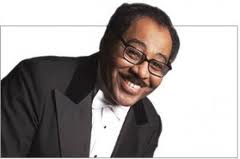
Paul Freeman (1936- ), now retired, was the founder and music director of the Chicago Sinfonietta, an alternative orchestra to the Chicago Symphony which played a distinctly different program from them introducing a great deal of new music by young composers along with an unusual selection of older music and some classical warhorses. His 9 LP survey recorded 1974 to 1979 and released by Columbia Records in 1986 of music by black composers is a landmark set of recordings surveying music by black composers from various countries with some emphasis on American Composers. He followed this in 2003 with 3 CDs of music by black composers on Chicago based Cedille records and has continued to give exposure to these unjustly neglected artists. Along with his promotion of black composers Freeman has recorded a great deal of 20th century music by other unjustly neglected masters such as Leo Sowerby, Meyer Kupferman, Bohuslav Martinu, Tibor Serly, Robert Lombardo, William Neil, Richard Felciano to name a few. He recorded a delightful complete set of Mozart Piano Concertos with frequent collaborator, pianist Derek Han (the set was incorporated into the Complete Works of Mozart released on the Brilliant Classics label).

Michael Morgan (1957- )

Michael Morgan (1957- )

Michael Morgan who I recall as having been the assistant conductor of the Chicago Symphony from 1986 to 1990 under both George Solti and Daniel Barenboim. I had the pleasure of hearing him conduct the Chicago Symphony’s fine training ensemble, The Civic Orchestra, on several occasions.

Currently he is the music director of the Oakland East Bay Symphony, a post he has held since 1990. In that time he has done much to strengthen the orchestras standing artistically and financially and he has forged alliances with the Oakland Youth Orchestra and the Oakland Symphony Chorus.

Unfortunately Morgan has made few recordings but his choice of repertoire and championing of new music continues to endear him to critics and to bay area audiences.

Thomas Wilkins (1956- )

Thomas Wilkins (1956- )

In 2011 Thomas Wilkins became the first black conductor appointed to the Boston Symphony (a city historically resistant to integration in the 1960s). He is the conductor of that city’s youth orchestra.

He was appointed music director of the Omaha Symphony in 2005 and has held appointments with the Richmond Symphony, the Detroit Symphony and the Florida Orchestra.

Henry Lewis (1932-1996)

Henry Lewis (1932-1996)

California born Henry Lewis was the first black musician to join a major symphony orchestra when, at the age of 16, he joined the double bass section of the Los Angeles Philharmonic. He became the first African-American to lead a major symphony orchestra when Zubin Mehta appointed him assistant conductor of that same Los Angeles Philharmonic in 1961, a post he held until 1965. He is credited with founding the Los Angeles Chamber Orchestra as well

Lewis is probably better known in the media for having been married to soprano Marilyn Horne from 1960-1979.

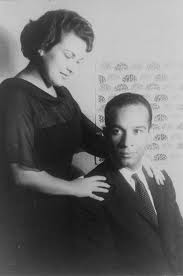
Carl Van Vechten's portrait of Marilyn Horne with her husband Henry Lewis in 1961

Carl Van Vechten’s 1961 portrait of Marilyn Horne with her husband Henry Lewis.

Horne credits Lewis with her early development as a singer.

Charles Dean Dixon (1915-1976)

Charles Dean Dixon
(1915-1976)

Dean Dixon, as he was known, was born in Harlem and studied at Julliard and Columbia University. He formed his own orchestra when racial bias prevented him from working in most settings and in 1941 gave a concert at the request of Eleanor Roosevelt who in 1939 famously arranged for Marian Anderson to sing on the steps of the Lincoln Memorial after she had been prevented by racial bias (and the Daughters of the American Revolution) from singing in any concert venue in Washington D.C.

While he did guest conduct the NBC Symphony, the New York Philharmonic, the Philadephia Orchestra and the Boston Symphony he left the United States in 1949 to further his career in overseas. He conducted the Israel Philharmonic Orchestra during 1950-51, was principal conductor of the Gothenberg Symphony from 1953-60 (by popular demand), the HR Sinfonieorchester in Frankfurt from 1961-74, the Sydney Symphony Orchestra from 1964-67.

Dixon returned to the United States and had various guest conducting engagements with major orchestras. And he conducted the Mexico City Orchestra during the 1968 Olympics. His legacy includes quite a few recordings made in the 1950s, some of standard repertoire, but some of American music like that of Randall Thompson, Leo Sowerby and fellow black American William Grant Still among many others. These were some of the first recordings I ever heard of much of that repertoire.

He, like those who followed him, did a great deal to promote the music of Americans and of the 20th Century in general. And his recordings are an important part of his legacy that remains largely untapped (though Naxos historical has reissued some on CD, bless their hearts). The racial bias he encountered is our American legacy. Dixon once defined three phases of his career by the way he was described. First he was the “black American conductor”. Then he was the “American conductor” and, finally he simply, “the conductor Dean Dixon.”

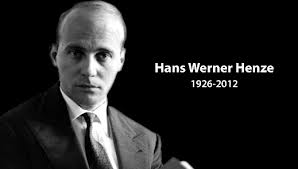
RIP Hans Werner Henze


I just learned last night that the great German composer Hans Werner Henze died on Saturday October 27th at the age of 86.  I have been fascinated by this man and his music since the mid 1970s.  While generally classified as a sort of neo-romantic these days I recall the man and the music of controversy.

Henze was, for me, one of the great political composers and stands with the likes of Luigi Nono, Hans Eisler.  His compositions like ‘Essay on Pigs’, ‘The Raft of the Frigate Medusa’, ‘El Cimmaron’, and the 6th Symphony stand out as some of the finest political commentary achieved in classical music.  The premiere of The Raft of the Frigate Medusa had to be cancelled due to political protests which broke out in the concert hall and among the musicians themselves.

Though he may be better known for his wonderful operas and film scores (which I like as well) I will always remember when DGG suddenly dropped Henze from their catalog in the 1970s due to how politically hot he was.  I recall his interview in Stereo Review, I believe, where he discussed his homosexuality and denigrated his German homeland for their discriminatory practices.  Henze had moved to Italy where he spent many productive years.

Much of his music has, for me, a sort of “in your face” quality that reminds me of the expressionism of Schoenberg and the sound world of Varese.  Pieces like the Essay on Pigs will still not fail to offend, repel and fascinate listeners because of it’s dissonant style and unusual extended vocal techniques as well as the political content of the text.  One of my favorite Henze pieces will always be the noisy and very dissonant 6th Symphony which he composed during a stay in Cuba.  And while his style mellowed somewhat after that his compositional approaches were frequently pushing the envelope using tape, spoken voices and dissonances that worked well in the context of his work.

The sweeping grandiose orchestral works include ballets, 10 symphonies, various concerti.  His operas are rather frequently performed.  And his chamber music, including 5 string quartets, deserve more attention.  It is clear as to why he is considered a sort of neo-romantic and I don’t think that that is at odds with his political convictions.  Henze seems to me to have been an idealist, supporting progressive and radical political ideas as a part of his grand and all embracing  style.  Harsh sounds did not need to be excluded from his sonic pallete.  He seems to have embraced a wide variety of techniques and sustained a long and productive career.  Perhaps he was the ideal post-modern romantic.

RIP, Hans.  We go on listening.  Thank you for the sounds.

henze