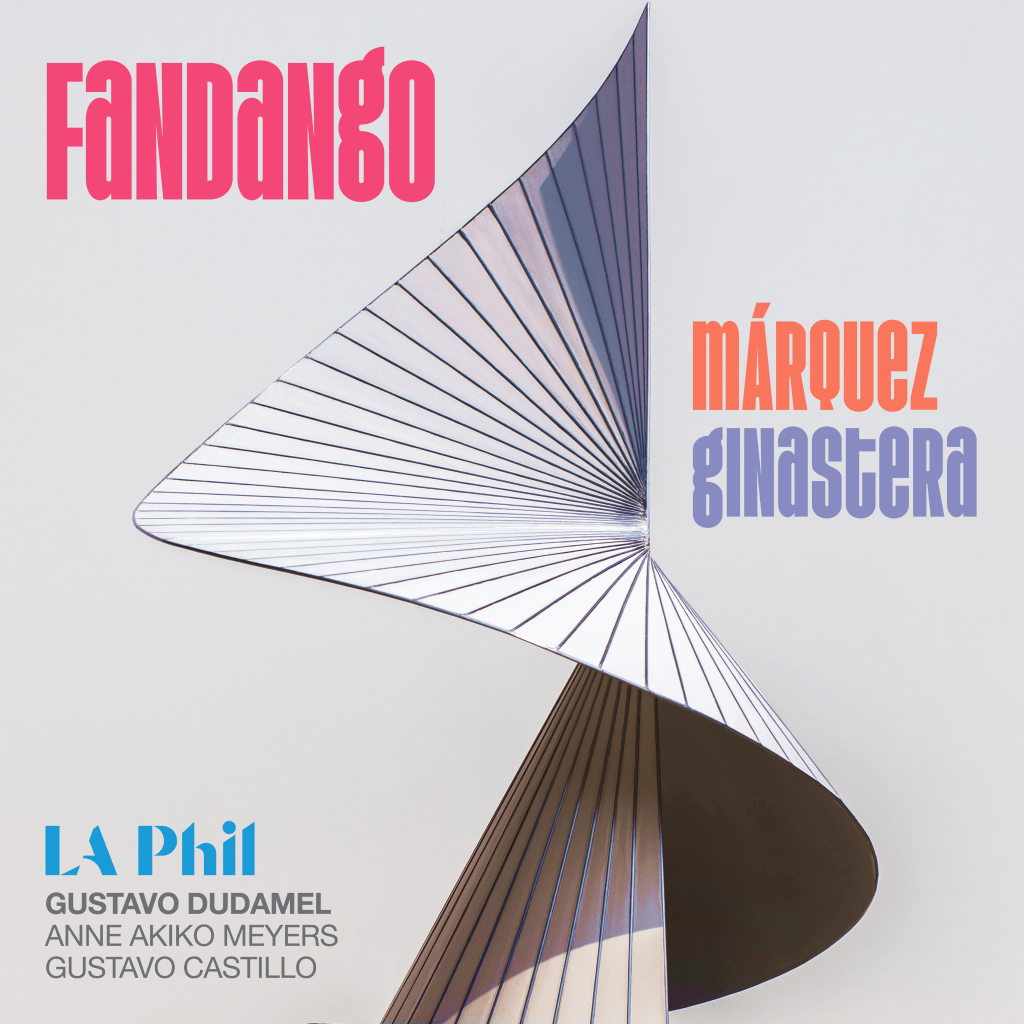
Fandango! Diversity Within Identities


Avie AV 2386

The primary importance of this new release is, of course, the presentation of these two major works but it also an exposition of the diversity (or do you prefer, “heterogeneity”?) that can become obscured by well intended terms like, “Latino” and “Hispanic”, or even conductor Gustavo Dudamel’s “Pan American”. All are well intended but racial, nationalist, and other categories are insufficient on their own in recognizing the rich diversity inherent in their cultures. Here we go, just in time for Latin History Month.

The concise liner notes tell us that even the album’s title, “Fandango” has multiple meanings depending on cultural contexts. The fact is that no single style or genre can be said to be representative of the marvelous diversity that exists within their intended scope which attempts to represent practically the whole of the western hemisphere as is the case with this release. So, while Fandango is certainly about the musical works presented, it also touches on the issue of diversity by the choice of two major works separated chronologically by some 80 years and representing composers from Argentina on the one hand, and Mexico on the other. Two different cultures that share a language in both words and , to some extent, music.

The centerpiece of this album is, of courses, the concerto that Maestra Akiko-Meyers commissioned from Mexican composer Arturo Márquez Navarro (1950- ). I’m sad to say that I am only now learning of this composer but delighted in his mastery of the orchestra and the grand romantic gestures of a past era along with an acute and personal appreciation of the folk idioms of his culture. At first I was skeptical of a “mariachi” inspired concerto because such attempts, even the most sincere, don’t always seem to work. Well, that is certainly not the case here. This is a strong contender for regular inclusion in the current canon of widely performed violin concertos. This one is a masterpiece which poses challenges to the soloist (which give her a chance to show her virtuosity) and surround it with rich, subtly, ultimately beautiful orchestral textures that support the soloist but which demand much of the orchestra and its conductor as well.
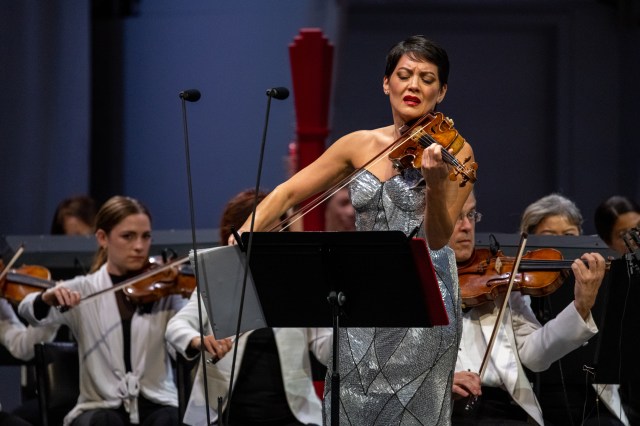
The concerto (written in 2020) is in the traditional three movements. The first, entitled “Folia Tropical” (tropical leaves) embraces the spirit of late romantic concerti like those of Bruch and Brahms. It is an extended movement that introduces and develops many moods and themes. It is a big symphonic movement worthy of a symphony and it gives the soloist much to do and upon which to demonstrate her musical and interpretive skills all the while with a very busy orchestra accompanying her.

The second movement, “Plegaria” (prayer) is a hugely substantive chaconne, the baroque contrapuntal variation form with a repeating bass line and thematic variations over the harmonic structures supported by those notes.. At least that is my listener’s understanding. But what is not necessary to “understand” technically is the emotional impact of this movement. This is an amazing use of the form. The soloist moves into different roles, sometimes very much upstage, sometimes an adjunct to the orchestra, sometimes not there at all. There is a slow, meditative beauty in this movement which is also characteristic of the romantic idiom in which this is written.

The third movement, “Fandanguito” (little Fandango) is a somewhat lighter and very energetic finale one might expect in a movement following the previous deeply emotional ones. And the composer does not disappoint. He writes a joyous, energetic finale which nonetheless stands up as substantially as its predecessors.
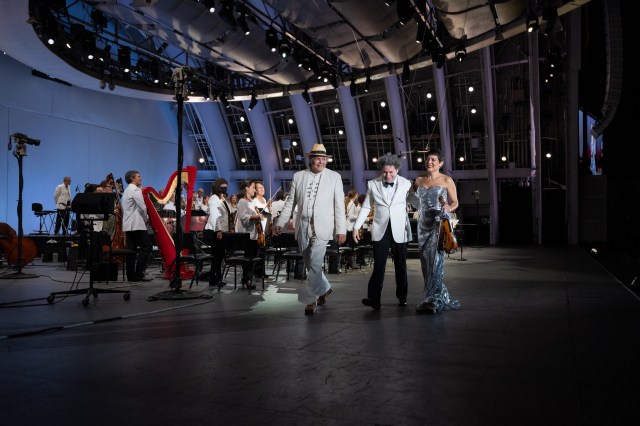
The composer Arturo Marquez with Maestro Dudamel and Anne Akiko-Meyers leaving the stage after a successful performance.

The joy, to this listener, is to hear a master composer in collaboration with a fine soloist both technically and interpretively. The composer has integrated his experiences and study of his own cultural folk musics and infuses the spirit of the music into his grand romantic idiom. That is, the concerto does not, for the most part use direct quotation from folk sources but uses structural elements in his composition. Maestra Akiko Meyers discharges her soloist duties with both startling facility and a deep understanding of the music and the composer’s intent.

Gustavo Dudamel is a joyfully rising star who brings his cultural proclivities and his own lens on western orchestral music. He is an exciting and incisive conductor. I don’t know the extent of Dudamel’s study of Latin folk musics but he really gets this work and brings out the composer’s subtleties in this gorgeous and exciting concerto.

The “B side” as they used to be called is no mere filler, it is the entirety of the Alberto Ginastera (1916-1983) ballet, “Estancia” Op. 8 (1941). Here, 15 separate movements are used in a five scene scenario. The work, usually heard in its four movement suite format and, even more frequently, just the spectacular finale, the Malambo.

In addition to its large orchestra, the ballet calls for a singer/speaker soloist who acts as both narrator and as soloist with orchestra. In this performance the challenge is admirably met by baritone GUSTAVO CASTILLO, another shining light cultivated by El Sistema. He performs well in both his baritone vocal duties and his narrator task in which he speaks Spanish in an elegant and, I’d say, almost Shakespearean grasp of the beauty of the language. The man understands drama as well as music.

This ballet is clearly a masterpiece. It reminds this listener of Prokofiev if he was born in Argentina. Nothing derivative here though. This is an intensely entertaining work, as substantial as Romeo and Juliet, similarly constructed in relatively brief musical segments designed to accompany a dance whose scenario is the story of the “gaucho” or cowboy that lived and worked hard lives, lives that were romanticized into a poem by Argentinian poet José Hernández (1834-1886). (click on the word “poem” for a link to an English translation of the poem).

All that to say that this is a truly enjoyable and important release. A valuable addition to the discography of Latin classical music.
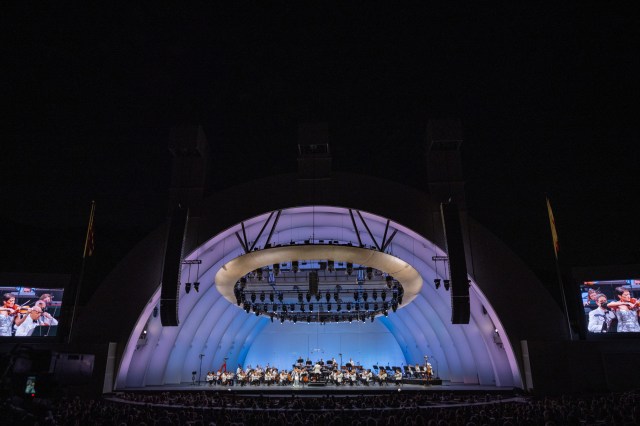
Dudamel and his LA Philharmonic at the Hollywood Bowl.

My 2018 in the Arts


One of the Theater Organs at House on the Rock, Spring Green, WI, a really fun place to visit.


I’m skeptical about year end lists but I have enough people asking me that it would be impertinent to skip this task. I make no claims to having even listened to enough to make any definitive statements about the “best” but I have my own quirky criteria which I hope at least stirs interest. Here goes.

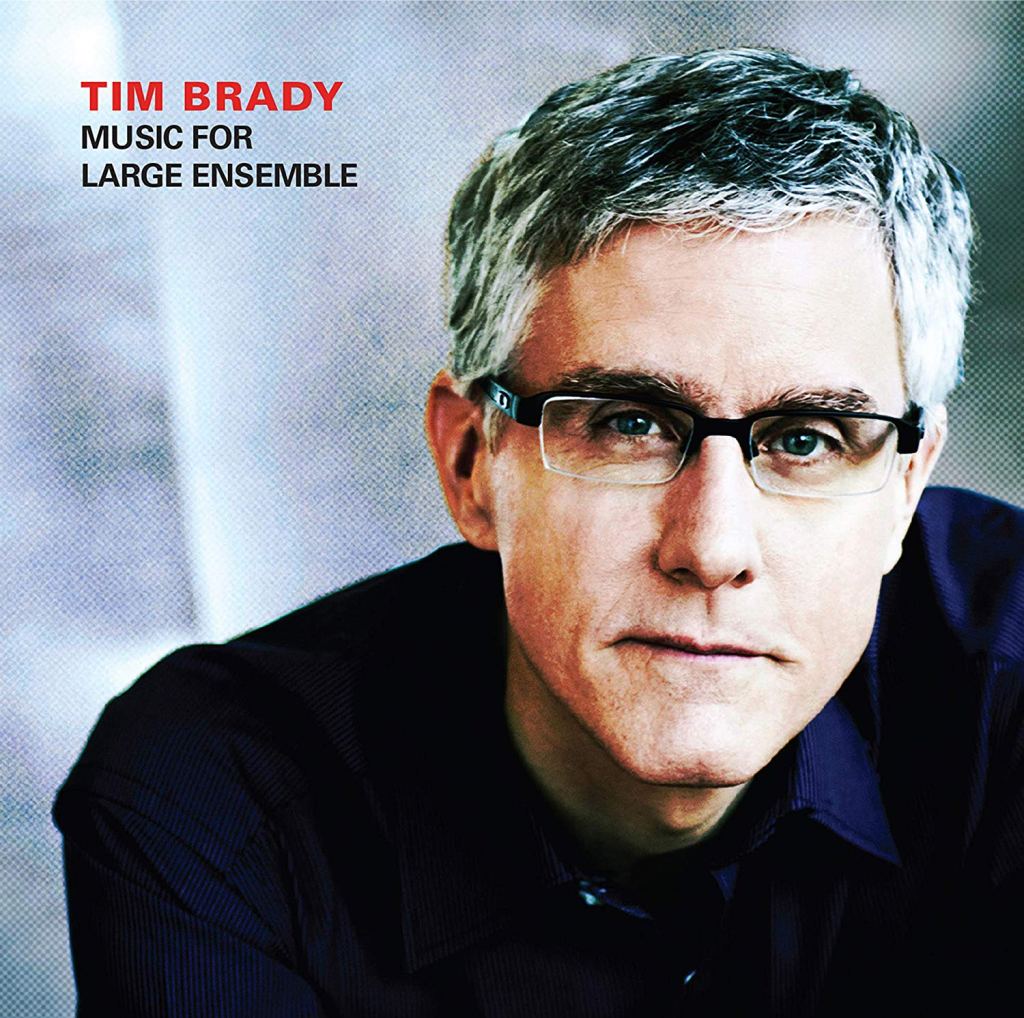
Let’s start with the most read reviews. Without a doubt the prize here goes to Tim Brady’s “Music for Large Ensemble”. This reviewer was enthralled by this recording by this Canadian musician whose work needs to be better known.

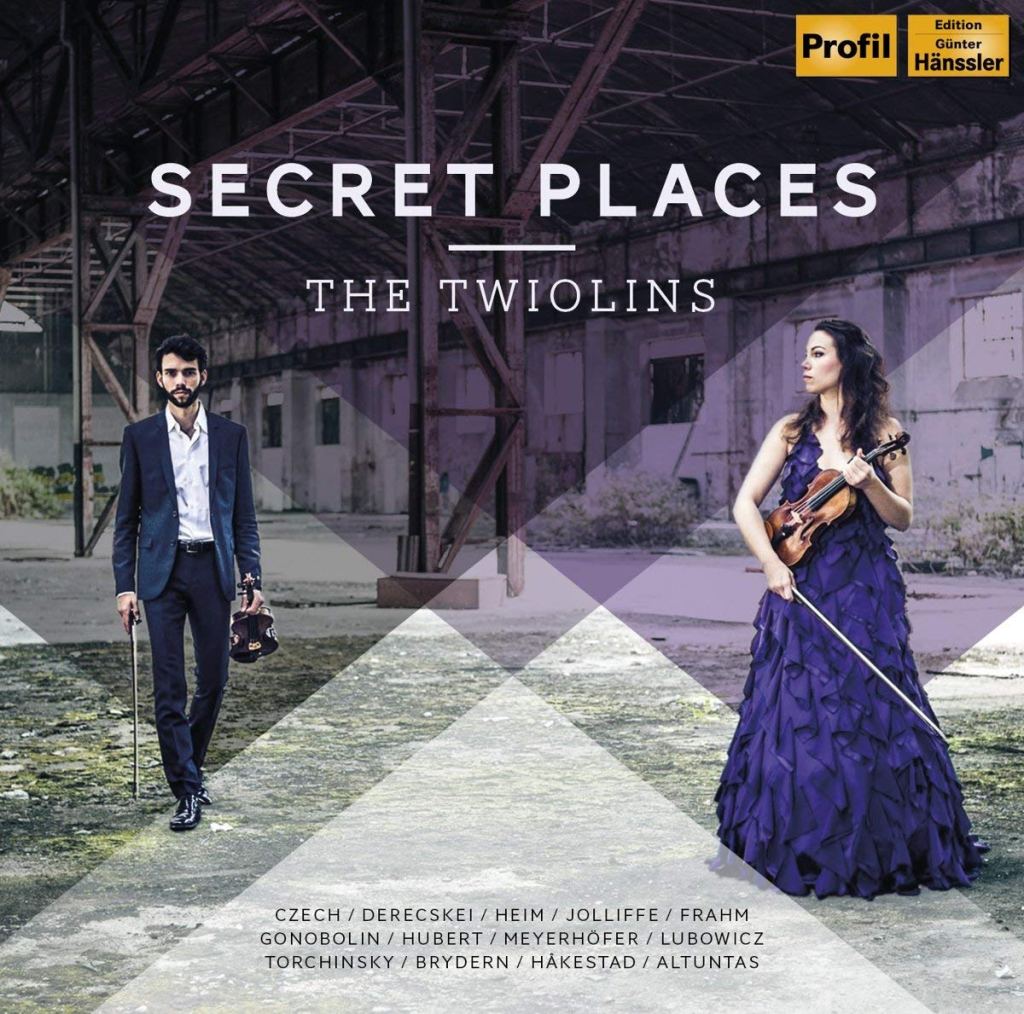
This little gem was sent to me by a producer friend and I liked it immediately. I knew none of these composers but I enjoyed the album tremendously. Don’t let the unusual name “Twiolins” stop you. This is some seriously good music making. It is my sleeper of the year.

Running close behind the Twiolins is the lovely album of post minimalist miniatures by the wonderful Anne Akiko Meyers. Frequently these named soloist albums of miniatures are targeted at a “light music” crowd. Well this isn’t light music but it is quite listenable and entertaining.


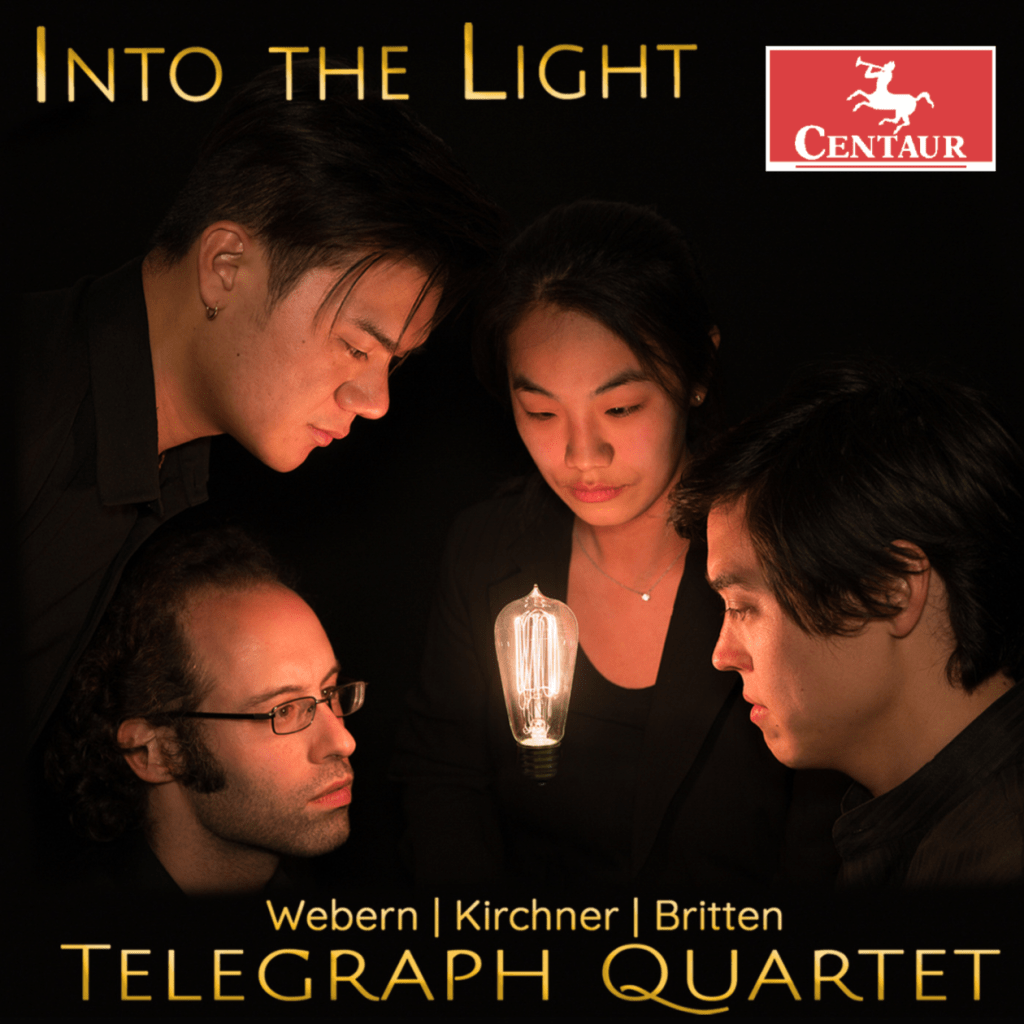
The creative programming and dedicated playing made this a popular review to New Music Buff readers. Definitely want to hear more from the Telegraph Quartet.

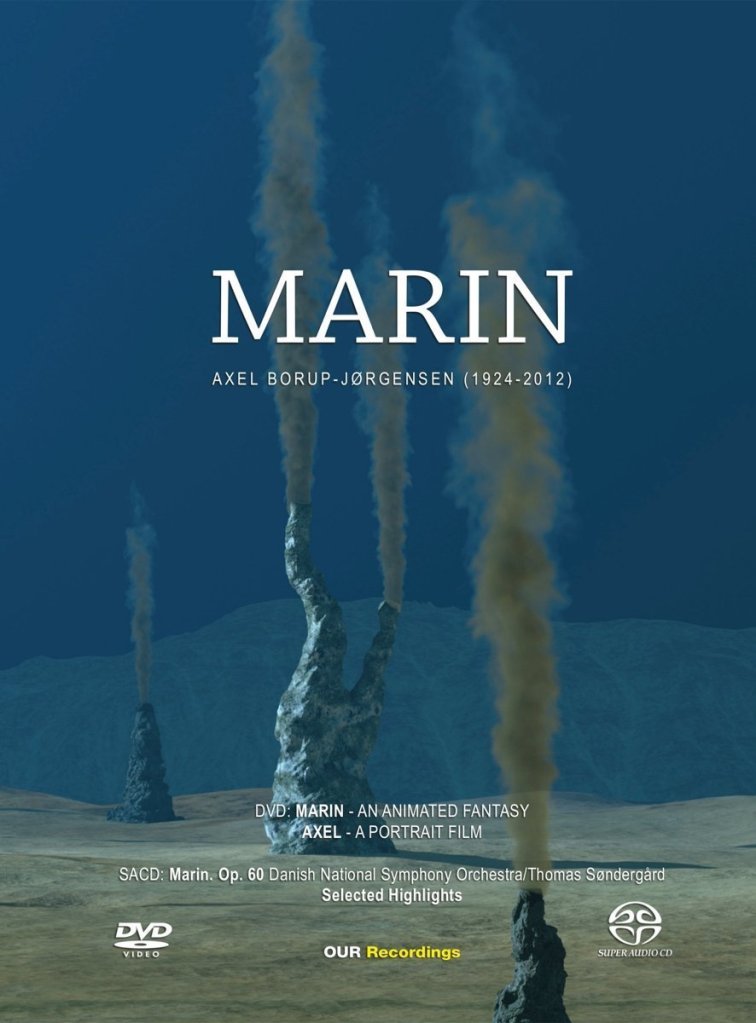
Another disc sent by my friend Joshua. This one is a DVD/CD combo of music by a composer whose existence was only revealed to me a couple of years ago. Marin includes a clever animated video which accompanies the title track.

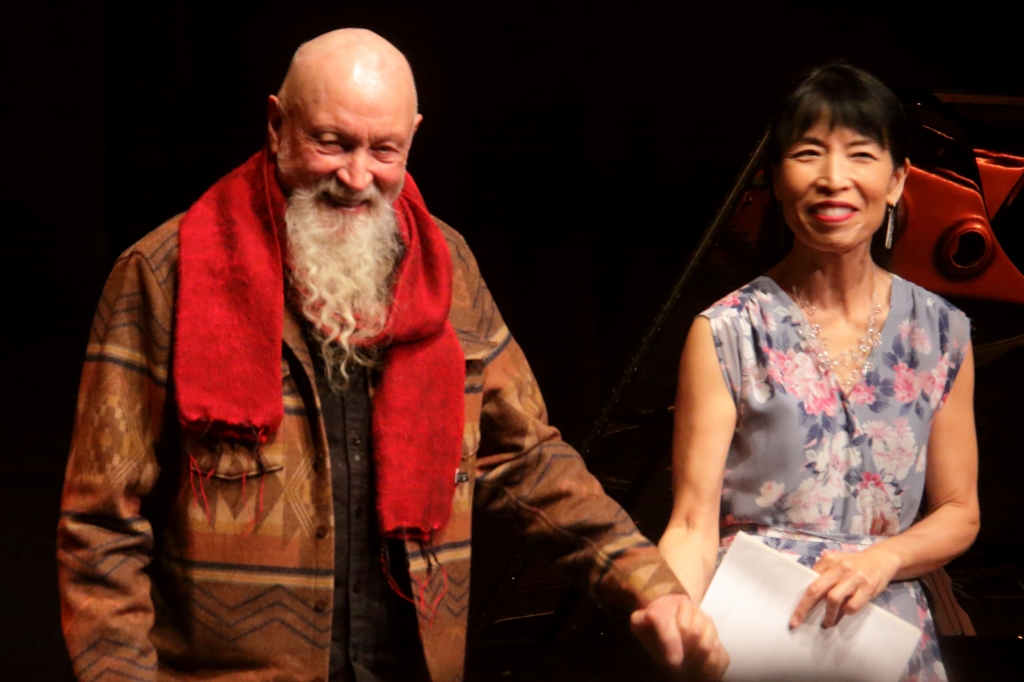
I was fortunate enough to have been able to hear Terry Riley and Gloria Cheng in an all Terry Riley program at the Yerba Buena Center for the Arts. Both were in spectacular form and the audience was quite pleased.

I would be remiss if I didn’t include the fabulous 6 night series of concerts produced by Other Minds. This is why I am a rabid advocate of OM programs. More on that soon with OM 24 coming up.

And lastly I want to tell you about two more composers who are happily on my radar.

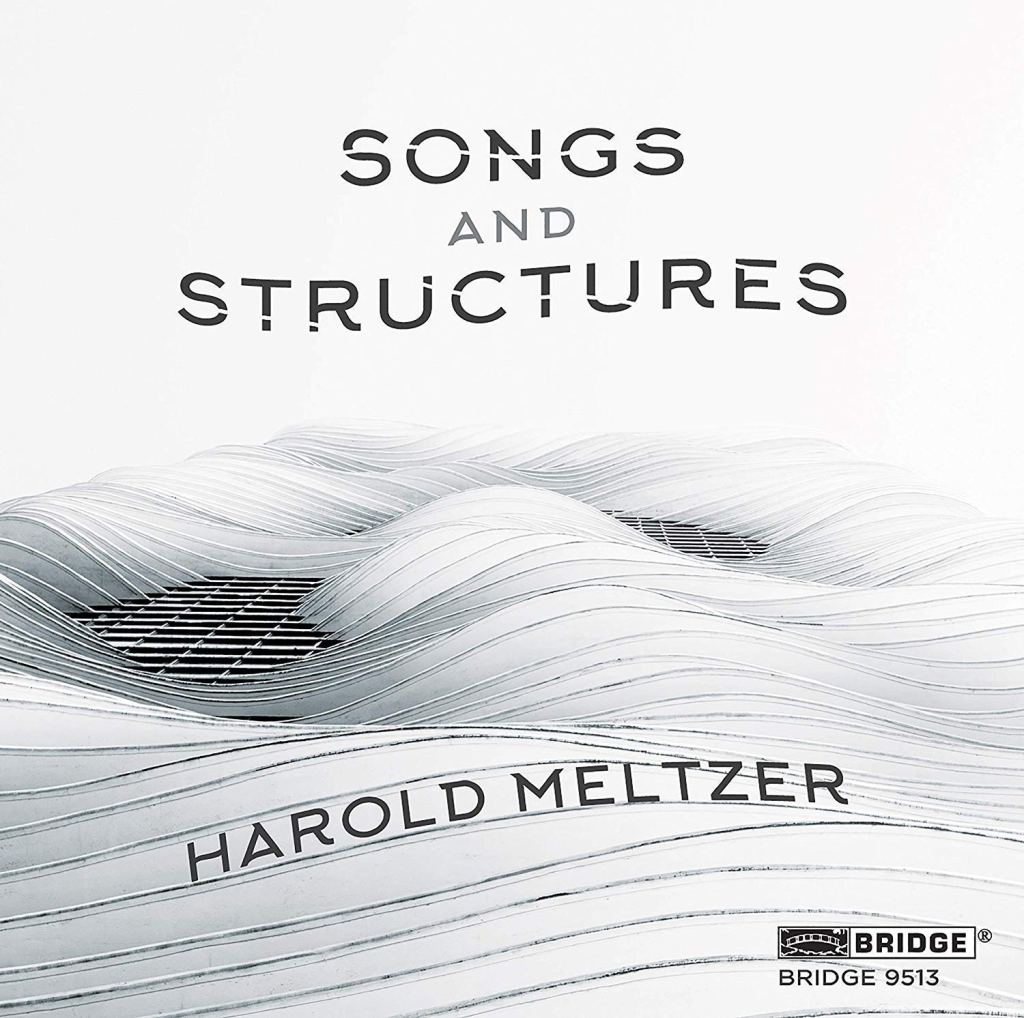
One of the joys of reviewing CDs is the discovery of new artists to follow. Harold Meltzer is now in that group for me. This basically tonal composer has a real feel for writing for the voice and has turned out some seriously interesting chamber music.

Another composer unknown to these ears. I bristle at the term “electroacoustic” because it sometimes means experimental or bad music. Not so here. Moe is fascinating. Definitely worth your time.

OK, gonna can the objectivity here to say that this is possibly the most underappreciated album I’ve heard this year. Combining a recording of the Debussy Preludes along with Schoenberg’s rarely heard “Hanging Gardens”, Webern’s Variations, and Berg’s Piano Sonata creates a picture of a moment in history when music moved from impressionism to expressionism. Jacob Greenberg is very much up to the task. Buy this one and listen, please. It’s wonderful.

Also beyond objectivity is this fascinating major opus by Kyle Gann. It didn’t get much recognition on my blog but it’s a major work that deserves your attention if you like modern music.

Well this is one of my favorite reviews in terms of the quality of my writing. The work is most wonderful as well. Though this review was actually published on December 31st I’m still including it in my 2018.

This is definitely cheating on my part but after that concert at Yerba Buena I can’t resist making folks aware of this wonderful set on the independent label, “Irritable Hedgehog”. Trust me, if you like Riley, you need this set.

I review relatively few books on this site but by far the most intriguing and important book that has made it across my desk to this blog is Gay Guerilla. The efforts of Mary Jane Leach, Renee Levine Packer, Luciano Chessa, and others are now helping to establish an understanding of this composer who died too young. Here’s looking forward to next year.

I know I have left out a great deal in this quirky year end selection but I hope that I have not offended anyone. Peace and music to all.

Anne Akiko Meyers’ Romantic Post Minimalism Enthralls


aameyers

Avie AV 2386

Admittedly I am a sucker for nearly all things minimalist and post-minimalist.  Such programming can lead to some potentially dull or cloying experiences.  Not so with this lovely collection of miniatures though.  While minimalists like Glass and Pärt make their appearances the concept here seems to reach for larger goals.  We have a mix of relatively simple chamber compositions along with electroacoustic works, a revelatory take on Ravel’s Tzigane and and arrangement for violin and orchestra of a solemn choral piece by Morten Lauridsen.

This eclecticism seems to flow from the artist’s choices rather than choices imposed by a producer.  In this respect she reminds this reviewer of pianist Lara Downes whose repertoire choices are similarly eclectic but born very personally from the artists’ experiences and preferences.

The opening Philip Glass Metamorphosis Two (1988) is presented in an arrangement by none other than Glass’ long time champion Michael Riesman.  It is followed by two violin and piano pieces by Arvo Pärt, Fratres (1977) and Spiegel im Spiegel (1978).  These lovely works serve to draw the listener in most pleasantly.  Akira Eguchi is the fine pianist who plays on all but tracks 4, 7, and 8.

Next up is a piece of musical archaeology.  Tzigane (1924) was originally written for violin and piano.  It was later orchestrated and it is that version which is best known and probably most recorded.  Well it turns out that Ravel had made a version for a now defunct instrument called a Luthéal which is an instrument invented in the early 20th century (patented 1919).  It’s actually not so much an instrument as an add on.  It modifies the sound of a piano.  The device now exists in museums but that hasn’t stopped innovative producers from utilizing an electroacoustic version.  Elizabeth Pridgen plays the keyboard to which the lutheal is virtually attached.

Apparently this version has been recorded before but this writer encountered it first in this release.  It is a very different sound than the piano or orchestral versions and is a lovely take on the music.  Many may buy the album for this track alone.

This is followed by a charming lullaby written for Meyers’ youngest daughter.  John Corigliano has absorbed only a small bit of the minimalism bug (maybe his 1985 Fantasy on an Ostinato  qualifies) but he is one of our finest living composers and he appears to infuse this violin and piano miniature, Lullaby for Natalie (2010) with a tender romanticism that is both sweet and touching.  In the notes we learn that it did seem to put her daughter to sleep but I doubt it will do that to most listeners.

The next two tracks are works by one Jakub Ciupinski  (1981- ) who also has a stage persona under the name Jakub Ζak under which he performs live electronic music.  This Polish born composer is now based in New York and works with various forms of electronics including a theremin.  Both “Edo Lullaby” (2018) and “Wreck of the Umbria” (2009) come from a similar place musically.  Both use electronics in varying degrees to enhance and accompany the solo violin.  Both are delightful little gems that give a nod to some minimalist roots but stand on their own merit and prompt this listener to keep an eye/ear out for more of this composer’s work.

The concluding piece is an arrangement by the composer Morten Lauridsen (1943-  ).  The performer states she pursued Lauridsen for a new piece and when he finally acquiesced he presented this lovely arrangement of his well known choral piece, “O Magnum Mysterium”.  The arrangement is for string orchestra and violin and orchestra here given its world premiere performance.  It should come as no surprise to new music fanciers that the Philharmonia Orchestra is conducted by none other than Kristjan Järvi, a fine conductor, composer, and avid new music advocate who can always be found near some interesting musical projects.

This album stands out in that the choices of the musical selections and the personal connections between the composers and the soloist are clearly collaborative and  inspired.  This is substance rather than fluff but it may appeal to a wider audience.  This one can be said to have crossover hopes but it does not pander.  This is a wonderful album and will likely prompt listeners who, like this writer, have yet to know this soloist to go and seek more of her recordings and live performances.  Brava!