Art as a voice of protest: Jeremy Eichler’s compelling micro history, “Time’s Echo”


Though the author’s scope ranges from the early 19th century to the present day, it is not a comprehensive history, rather it is a sort of micro history of a musical genre born of sadness, hate, anger, and political dominance. It is a genre I have chosen to call “classical protest music”. And, for the sake of this review, I am referring to the incorporation of protest as a valid and effective modality for the contemporary composer.of so called “western art music”, Until the very late 19th century, music served mostly entertainment, celebration, worship, and memorial functions. But this is about a new, if frequently discomforting voice for this art form.

Music, like drama, and sometimes poetry are art forms that burn most brightly in performance. They exist on a page or even simply within the artist’s mind but come fully alive only in the temporal realm of performance. They then come to exist in the memories of the individuals who experience it. And those memories also exist concurrently within the overall social reality. Politics, philosophy, economics, and spirituality which ultimately frame art are now incorporated into the art form as it talks back to history.

The function of protest music in the popular or vernacular genre, one that arguably has had a greater impact in fomenting political change than protest music in the guise of the western classical tradition, has been well documented. Not so with music of the concert hall classical format.

Jeremy Eichler’s beautifully researched and written micro history makes a case for this art form framing (or reframing) history. Of course, not all expressions of protest hit the target of actually influencing history, but this book is not about that. It is about the birth of a concept little known in music until the late 19th and early 20th century. It is a genre which persists today in the so called political classical genre.

The book is filled with historical facts and people which become metaphors as the author elucidates the historical contexts that, in retrospect, can be seen as the genesis of art not just passively responding to historical events. They are attempts to use art to comment about and, hopefully influence history and to express outrage, sadness, and to call for change.

Music, ever the realm of entertainment and celebration, now increasingly finds purpose and mechanism to participate, not only as a supplier of entertainment and homage, but also as “a voice crying in the wilderness” in dialogue with the social/political milieu.

Eichler chooses four musical pieces by four different composers from four different time periods to tell the story of the evolution of western art music to speak with in an informed, publicly intellectual voice. In its ideal presentation, it succeeds best when it resonates with the hearts and minds of the audience. That can and sometimes does “go viral” (in common parlance) and subsequently influences public opinion.

The musical exemplars the author chooses includes:

Richard Strauss (1864-1949) “Metamorphosen” (1946)

Arnold Schoenberg (1874-1951) “A Survivor from Warsaw” (1947)

Benjamin Britten (1913-1976) “War Requiem”(1962)

Dimitri Shostakovich (1906-1975) “Symphony No. 13 ‘Babi Yar’” (1962)

Each composer, each work is subjected to historical, philosophical, and (I would say) spiritual/mystical analysis. And, to accomplish this, he goes back first to the early 19th century to discuss the rise of the idealized German gconcept of “Bildung” and the subsequent rise of antisemitism famously touted as a necessary fact by Richard Wagner (1813-1883) and subsequently amplified to the extreme of The Shoah.

Many musical works are referenced here, but John Foulds “A World Requiem” (1923), which is a large grandiose work of post romantic grandeur that seems to embody many of the elements that have come to characterize classical protest music. The work, written for large forces incorporates both liturgical and non-liturgical texts from disparate sources (not just western literature). It was conceived seemingly as a sort of final statement, a “requiem to end all requiems”, so to speak. Though popular in its day, it no more succeeded in preventing violence and hatred than Alexander Scriabin (1872-1915) in his unfinished Mysterium” succeeded in making the composer an immortal in a transcendent realm described from the spiritual imagination of Theosophical writings. But it did make a huge impact on protest as a valid modality for the artist. Protest in any modality doesn’t always have the intended impact. The point is the statement itself.

Foulds’ work can be seen as a sort of precursor, if not template for Britten’s “War Requiem”. More importantly the success of Foulds’work revealed a sympathetic audience who doubtless saw in it a clarion call, a grandly hopeful expression to an audience hungry to resolve the hatred, anger, and sadness of the increasingly divided and chaotic world as it evolved post 1919. It spoke to a fervent hope for healing and transcendence and remains a historically significant work of musical art.

Doubtless, many composers were delighted to identify this burgeoning need. Countless works followed Foulds’ noble effort and continue to this day in larger and smaller forces. Protest music, visual art, poetry, and drama are born of pain, sorrow, and hope derived from a sometimes pleading, sometimes shouting optimism. Much like audience engagement in sing alongs, audiences are invited to participate politically, emotionally and share the pain, sadness, and outrage as art speaks back to society rather than simply decorating it or celebrating it. Now, art embraces critique, not simply memorial.

Eichler discusses each composer and work, contextualizing them historically, geographically, emotionally, and philosophically/spiritually.
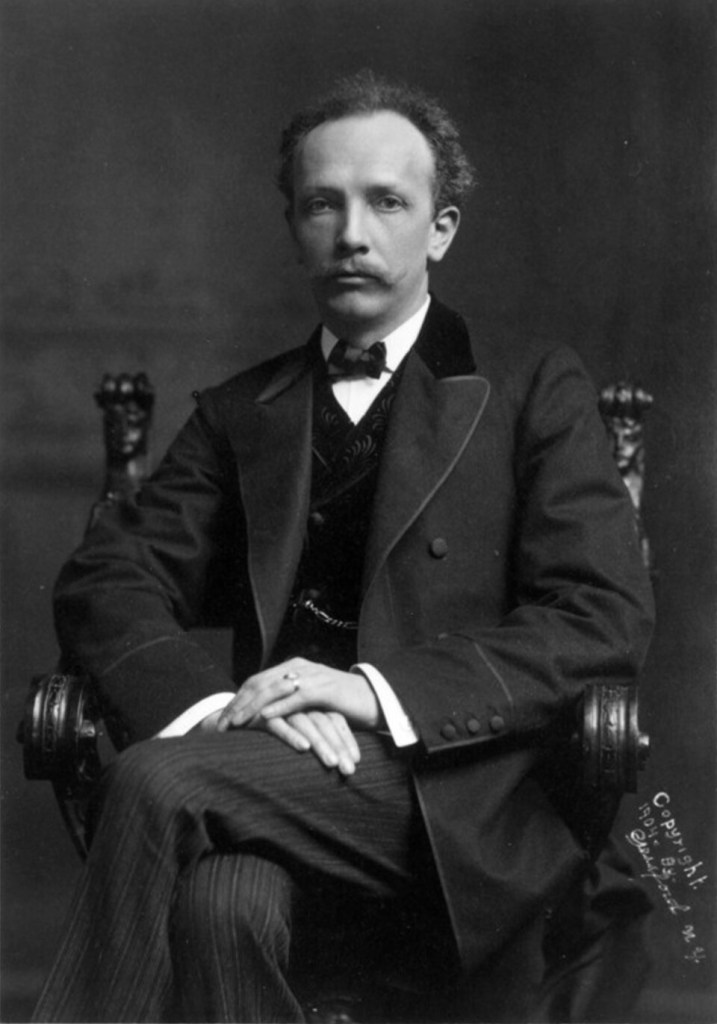
Richard Strauss

He begins then, with Richard Strauss (1864-1949) and the only work cited here that does not have a vocal component or a text. It is also more a personal reaction rather than an a work explicitly engaging with politics and history. It remains the most unique and enigmatic piece in the oeuvre of a man who remained, if not always happily, employed from the late nineteenth century, through two world wars and horrific historical events and wildly differing leaders. To this listener’s ears, it seems more of a catharsis, a musical processing of the composer’s emotions and possibly exorcizing them and containing them in this music. It is truly a powerful piece but it does not rise to the more explicit protest works that would follow in the mid twentieth century.
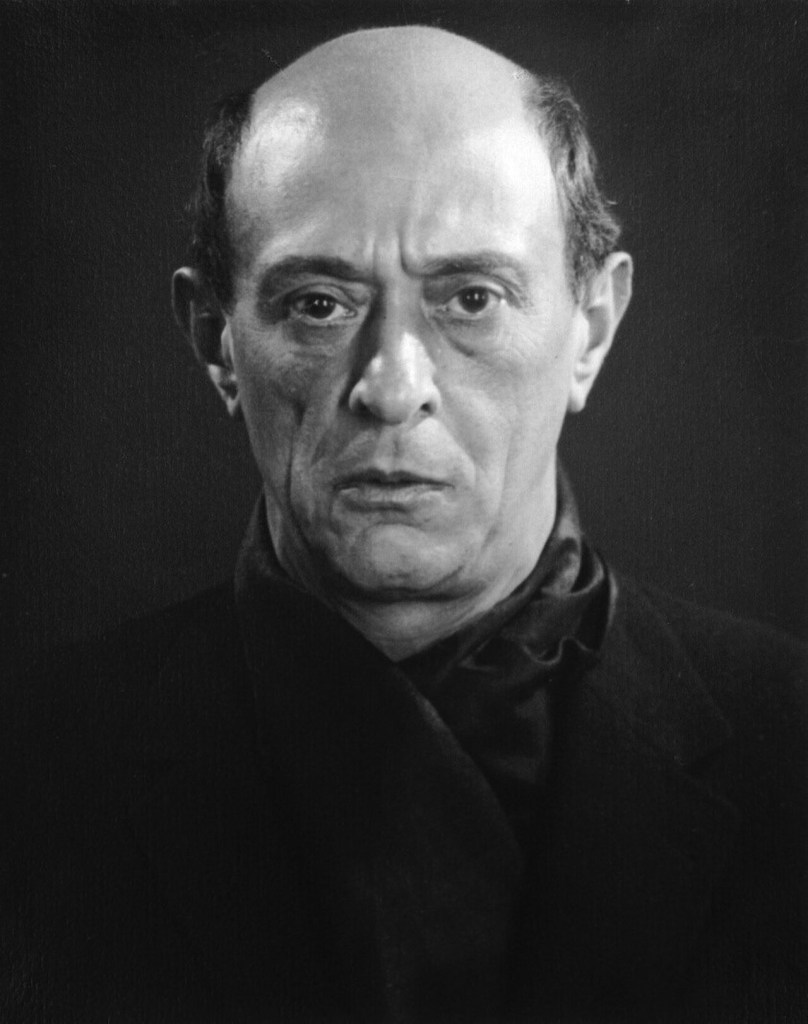
Arnold Schoenberg

A very convincing and insightful analysis is made of the next exemplar of the genre. Eichler’s biographical, historical, and philosophical/spiritual contextualizing of “A Survivor from Warsaw” (1947) seems an unusual choice. But, the fact that this brief monodrama is probably the first major public utterance of the rising awareness of the atrocities described by the narrator and focused attention in a way that only art can. It was also the development of the composer’s revolutionary serially organized music which was, perhaps ironically, very well suited to express the horrors of this age of “great wars”.

This section of the book is a masterful integration of political, historical, spiritual elements that provide a compelling mini history, linking individuals and events that shed a fascinating (and devastating) light on this era in musical history. It also places the composer most definitely as a protester, a would be agent of progressive political change. It led this listener to seek to experience more of Schoenberg’s music and was gratified to hear it forever differently and, more so than ever, more essential within western art music.

The work was a resounding success at its world premiere in, of all places, New Mexico. The Albuquerque Civic Symphony conducted by Kurt Frederick. 1600 people crowded into the Carlisle Gymnasium on November 4, 1948 were so pleased that the work was repeated, in full, to a deeply moved audience.

Hearing this music now, available in many fine interpretations on CD and in video formats, it is all the more stunning that this hardly easy listening tale about horrific events played so well and hit so deeply. And I will never again think of this as one of the composer’s lesser works.
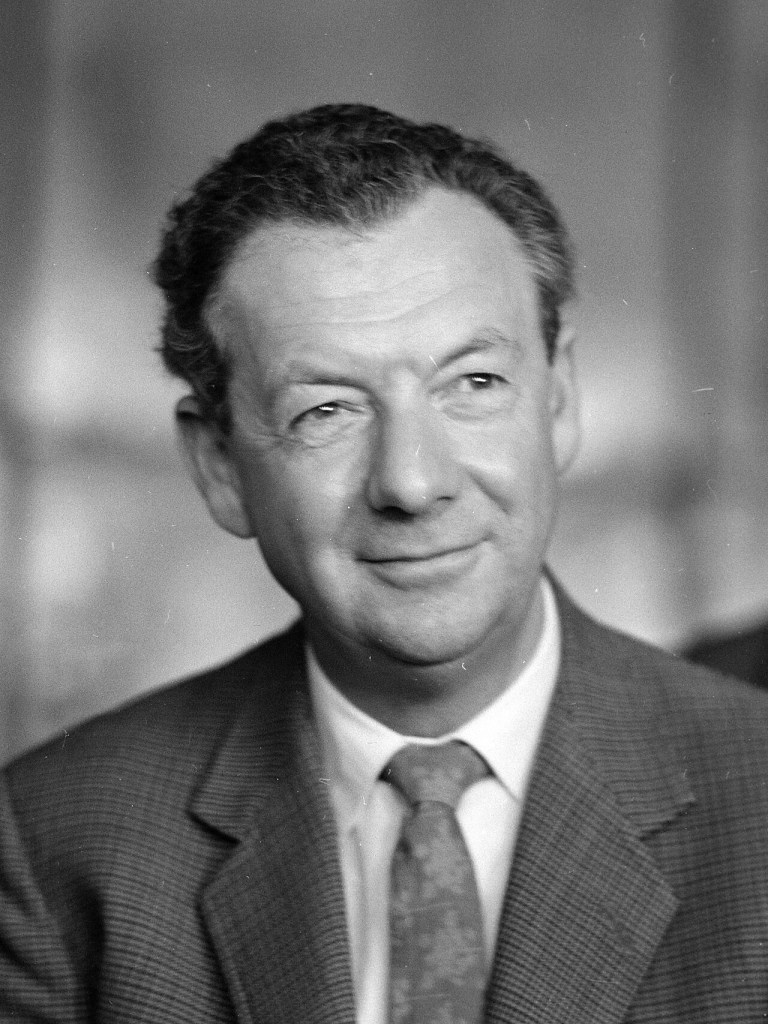
Benjamin Britten

Moving on to Benjamin Britten and his 1962 “War Requiem”. This music has a prominent place for this writer, having heard a performance by the Chicago Symphony conducted by Mstislav Rostropovich. The cellist, turned conductor was a lifelong progressive political advocate who facilitated a meeting which would become a friendship between Britten and Dmitri Shostakovich among his accomplishments.

But, I digress. Eichler’s framing of this composer and music shows a true pacifist composer who encountered the horrors of the First World War as well as subsequent atrocities perhaps one step removed geographically and culturally from the experience of Strauss and Schoenberg. He was a student, then a composer/pianist much admired and supported by the British as he steadily earned his place on the world stage.

Early in his rising successes, he managed to insinuate himself to play piano in a series of concerts with Yehudi Menuhin, that toured through war torn Europe to great acclaim. And it is here that the composer encountered first hand, the sights, the stories, the emotions that would forever inform and transform him and his music.

This experience is likely one of the seeds that led to the 1962 requiem. Britten utilized the form and Latin texts of the “Missa Pro Defunctis” , the Roman Catholic funeral rites. And he adds a chamber group that plays onstage in front of the full orchestra and chorus (I recall seeing a children’s chorus singing from the topmost seats in Orchestra Hall). The chamber group supports a tenor and a baritone who sing Britten’s settings from the late soldier, then poet/activist Wilfred Owen’s vividly sad and angry poetry. This is a guise not unlike what Leonard Bernstein would do in his anti war “Mass” some 12 years later.

Notably, the premiere was to have included tenor Peter Pears (Britten’s life and musical partner), baritone Dietrich Fischer-Dieskau, and soprano Galina Vishnevskaya (later the wife of Mstislav Rostropovich). However the Soviet government prevented her from performing this politically hot work. The hope of symbolically including British, German, and Russian artists was to further emphasize the message of the work. Though Vishnevskaya did participate in the glorious 1963 DECCA recording, she was replaced (most successfully) by the fine British soprano Heather Harper for the premiere. Britten himself conducted the chamber group at the premiere with Meredith Davies leading the large orchestra, choir and soloists.
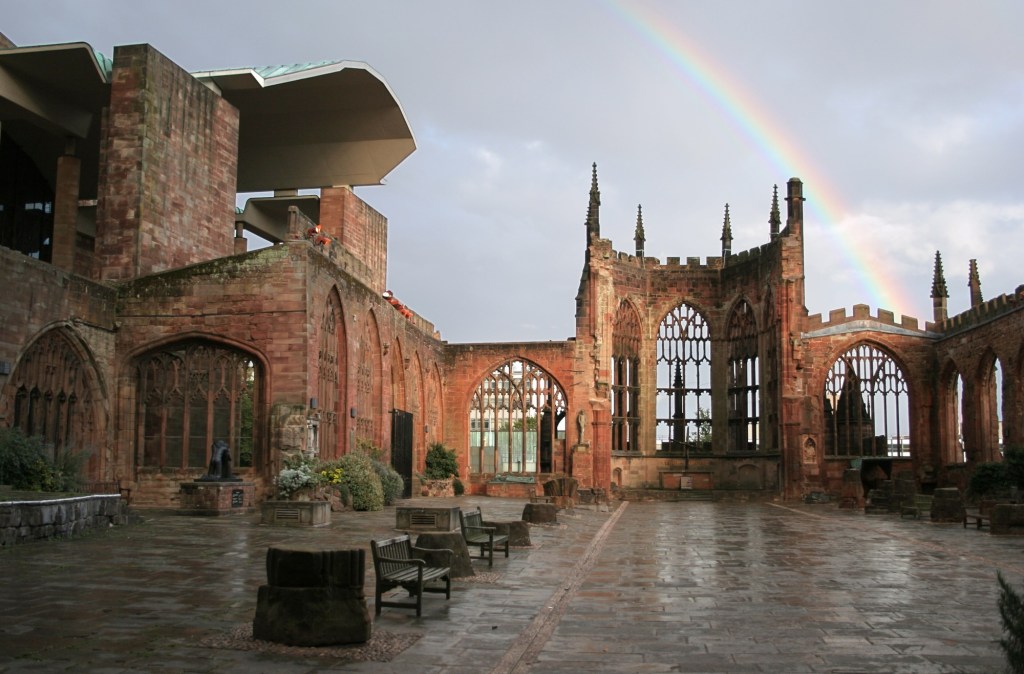
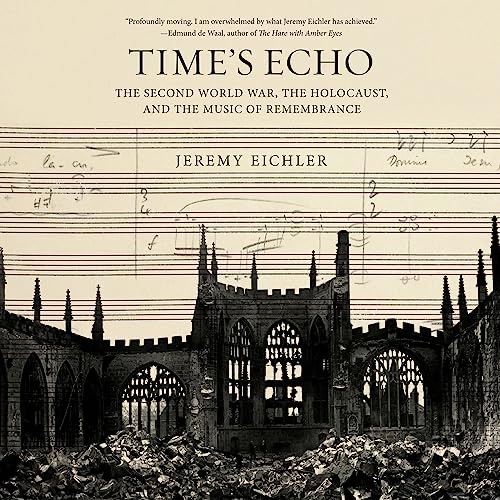
The roofless remains of the original Coventry Cathedral

In discussing the War Requiem, Eichler recounts his pilgrimage to the site of the newly rebuilt Coventry Cathedral which had been very badly damaged in the war and the work was commissioned to celebrate the consecration of the new edifice which was built next to the 14th century ruins, ruins through which the audience passed following the very successful premiere on July 27th, 1962. Eichler reports that his own experience walking through the ruins was a powerful experience even now, but especially when one knows this history.
Dmitri Shostakovich

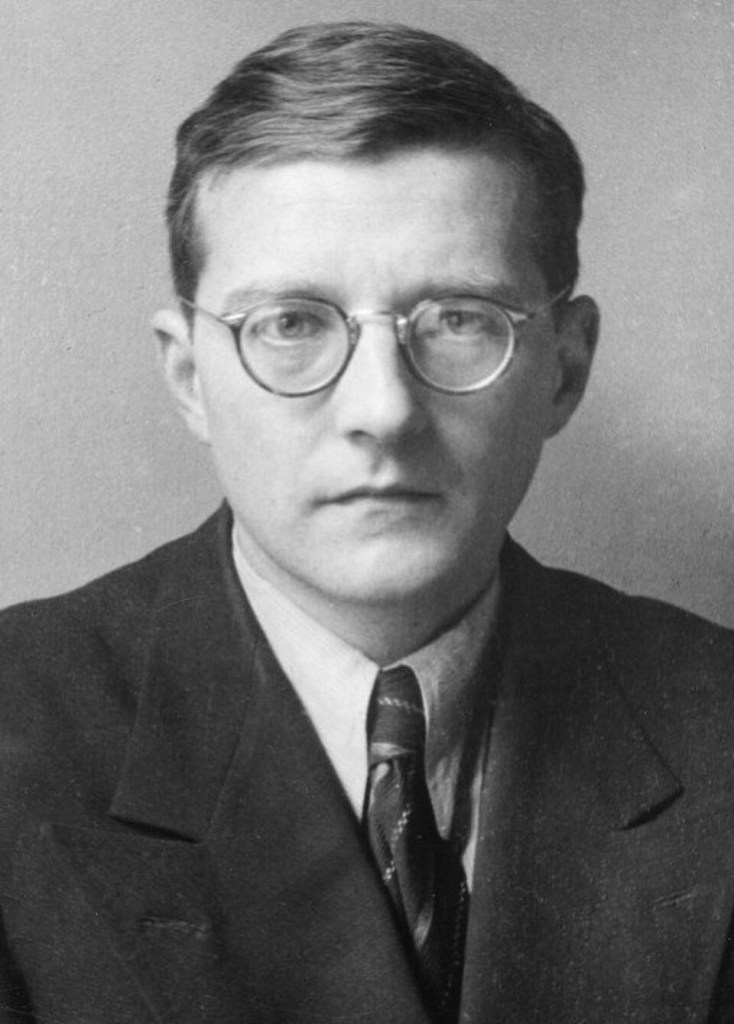
For the book’s finale, Eichler chose a too little known Shostakovich Symphony, his 13th (1962) ( later titled “Babi Yar”). The composer had worked under the repression of the Soviet Empire at least since his opera “Lady Macbeth of the Mtsensk District” disturbed the Soviet leadership in the 1930s. But he managed to get in a few significant political punches during his long career and continued to produce substantial and fresh new music until his death in 1975.

His 5th Symphony won him favor again with the Soviets and the composer’s 7th Symphony “Leningrad”, a paean to the ultimate victory over Nazi forces in 1944 is the stuff of legend, being performed on March 29th of 1942, literally during the siege of Leningrad. Musician soldiers were relieved of their war duties in order to have enough musicians to perform it and strategic bombing raids were done to redirect Nazi bombings and ensure that the music would be heard at its embattled premiere.

Eichler’s choice of the 13th Symphony is an apt choice to fit the author’s thesis. The work is a cri de couer, an angry lament raising the awareness of a genocidal slaughter, the evidence of which survived multiple efforts to erase the facts and the evidence from history. It sets the words of the fine Russian poet Yevgeny Yevtushenko (1932-2017) in his poem “Babi Yar” that provided the words. It refers, of course to the genocidal mass murders of Jews, dissidents, and others deemed not worthy of being allowed to live in the Nazi regime at the ravine so named. Accounts vary and much had been done to cover up the murders which numbered up to 30, 000 a day. In fact, there did not exist a memorial for some 100, 000 killed at Babi Yar until 1992.

The 13th Symphony premiered on December 18, 1962 in the Great Hall of the Moscow Conservatory. Kiril Kondrashin conducted. Despite controversy and attempts to tamper with the words, pressure to stop the premiere, it was a rousing success. This was only some seven months after the premiere of the Britten War Requiem.

Eichler’s account could have ended here but for the fact that, in addition to facilitating a meeting between Britten and Shostakovich, Mistislav Rostropovich smuggled a copy of the 1963 DECCA recording of the War Requiem and a score so that Shostakovich could hear it. And listen he did, with enthusiasm such that Shostakovich was inspired to respond in what would become the composer’s 14th Symphony which was dedicated to Britten. Hence the arts had a conversation about the atrocities of war like never before.

The work, incorporating poems by various poets on the subject of death was premiered officially on September 29th, 1969 in Leningrad by the Moscow Chamber Orchestra conducted by Rudolph Barshai. It appears to be inspired in part by the composer’s 1962 orchestration of Modest Mussorgsky’s song cycle, “Songs and Dances of Death” (ca. 1875) and perhaps Gustav Mahler’s “Kindertotenlieder” (1904).

The response at the premiere, hardly devoid of criticism, was another resounding success for the aging, ailing composer. The UK premiere was conducted at Aldeburgh by its dedicatee, Benjamin Britten, also to great acclaim.

Eichler’s book elegantly describes the genesis of these five works inspired by the history of very real and very shameful atrocities of some 50 years of conflicts which, though they may never be resolved, are truly “Time’s Echo” encased in artistic amber as it were. The memory of this reviewer’s experience of witnessing Maestro Rostrpovich’s reading of Britten’s Requiem so many years later and indeed all subsequent performances of the music chosen here by Eichler hold out a glimmer of hope that these echoes of their time will preserve both the memories of the atrocities themselves as well as the just outrage of the artist’s products in sound for posterity.

Everything You Wanted to Know About Javanese Gamelan But Were Afraid to Ask: John Pitts’ “Extreme Heterophony”


This is John Pitts‘ second incursion into adapting non-western music for the conventional piano. In doing so he follows a long tradition of fascination with non-western musics by western composers. Listeners will likely be familiar with Beethoven or Mozart who imitated Turkish music to add an exotic dimension to their compositions (Beethoven with his Turkish March sequence in the finale of the 9th Symphony; Mozart imitating Turkish music to add the exotic sound to enhance the geographic setting of his opera, The Abduction from the Seraglio). This fascination gained traction over the years as the great romantics such as Rimsky-Korsakov, Stravinsky, Debussy (whose encounter with gamelan music at the Paris World Fair was formative), and their successors took on similarly exotic interests in their music.

Serious study of non-western music with attention to tunings and rhythms is virtually unknown in the western canon before the twentieth century. Colin McPhee, the Canadian-American composer did his landmark study of Balinese Gamelan music in the 1920s and 1930s (some of which is influenced Benjamin Britten’s ballet, The Prince of the Pagodas) which was the first of a series of such explorations done subsequently by the likes of Lou Harrison, Terry Riley, La Monte Young, Alan Hovhaness, David Fanshawe, and others of Balinese, Javanese, Chinese, Japanese, Korean, and other cultures. Unlike their forebears, this new generation studied tunings, instrument construction, rhythmic construction, performance practice, compositional methods, etc. instead of basically just fitting the music to the mold of the western paradigm.

The present volume is, as mentioned, the second such effort by British composer/musicologist John Pitts. His first effort detailed suggestions for playing Hindustani Ragas (raags in the British spelling) and was reviewed here on this blog. In that study, as in this one, Pitts takes the fixed tuning of the piano that is familiar to western ears as a given, without getting into the complex issues of tuning (that is a subject unto itself). Neither Hindustani Ragas nor Javanese composition can be played on pianos tuned to the current western standard of twelve tone equal temperament but there are riches to be had in understanding compositional techniques other than tuning and harmony. Pitts uses the piano as a starting point from which to learn about music of other cultures. This appears to have grown out of his own efforts as a western trained musician trying to learn what techniques can be incorporated into the creative processes of western music. Many of the author’s compositions appear to be in part the product of lessons learned from his study of various musical systems including gamelan (Javanese and Balinese), Hindustani raga, and balafon music from Burkina Faso.

For the present volume Pitts consulted with western gamelan masters including Jody Diamond and other members of the international gamelan community. He did his homework well and one of the strengths of this book is in its remarkably lucid exposition of javanese music in a way that is understandable by anyone with a reasonable grasp of western music theory. Here is where the use of the piano serves as a springboard from which one might grasp this musical system in part via the differences in the two. It is this pedagogical aspect to which I refer in my parody in the title of this article. As one with a largely self driven learning of music this volume presents an opportunity to expand my knowledge of gamelan music. It is a friendly approach which makes me no longer “afraid to ask” or afraid to learn.

In the space of approximately 50 pages the author provides a marvelous distillation of the essentials of gamelan music including terminology, descriptions of the various traditional instruments commonly used, and, most crucially, descriptions of some of the processes of composition, melody, and performance practice. There seems to be more data here than one would reasonably expect to fit in those pages. It is a concise reference which many listeners and musicians will want to keep close at hand. These pages alone are worth the price of the book.

What follows is about seventy pages of transcriptions by the author of a traditional javanese composition playable by one or more pianists. Don’t get me wrong, this doesn’t simplify the learning of these processes. Rather it clarifies the material so that these concepts are learnable by motivated individuals. The transcriptions are the musical description, if you will, of the processes outlined in the preceding chapters. These are basically teaching etudes in lucidly engraved western notation. Even if the reader lacks sufficient skill at the keyboard (as is the case with your humble reviewer) to actually play these works, the illustration of the concepts described verbally can be understood more completely when one sees them in western notation.

As a listener to a wide variety of music I personally find it useful to be able to learn about music which had previously been just a bit out of reach due to my perception of its impenetrable nature and the lack of easily accessible guides such as this. While it has taken me a while to grasp some of the concepts so as to be able to write a reasonably coherent review of the book I’m gaining insights that are aiding my understanding of gamelan music. The book requires some work to understand largely due to the unusual nature of this music but grasping more as I continue to read and re-read, I find it both compelling and rewarding.

Mr. Pitts concludes with a comprehensive and insightful description of his justification of using the ubiquitous piano as his starting point. He compares it briefly with the common nineteenth century practice of imitating various asian musics with western instruments as noted at the beginning of this review and goes on to enumerate other benefits to be had by using the piano as a learning tool in the study of this music. The book concludes with a very useful bibliography and links to internet resources for those who want to go further in gamelan studies. Far from the dreaded “cultural appropriation”, Pitts’ work is more of a respectful anthropological exploration which acknowledges the value of this music and looks to learn from it. That is celebration and it is invaluable.

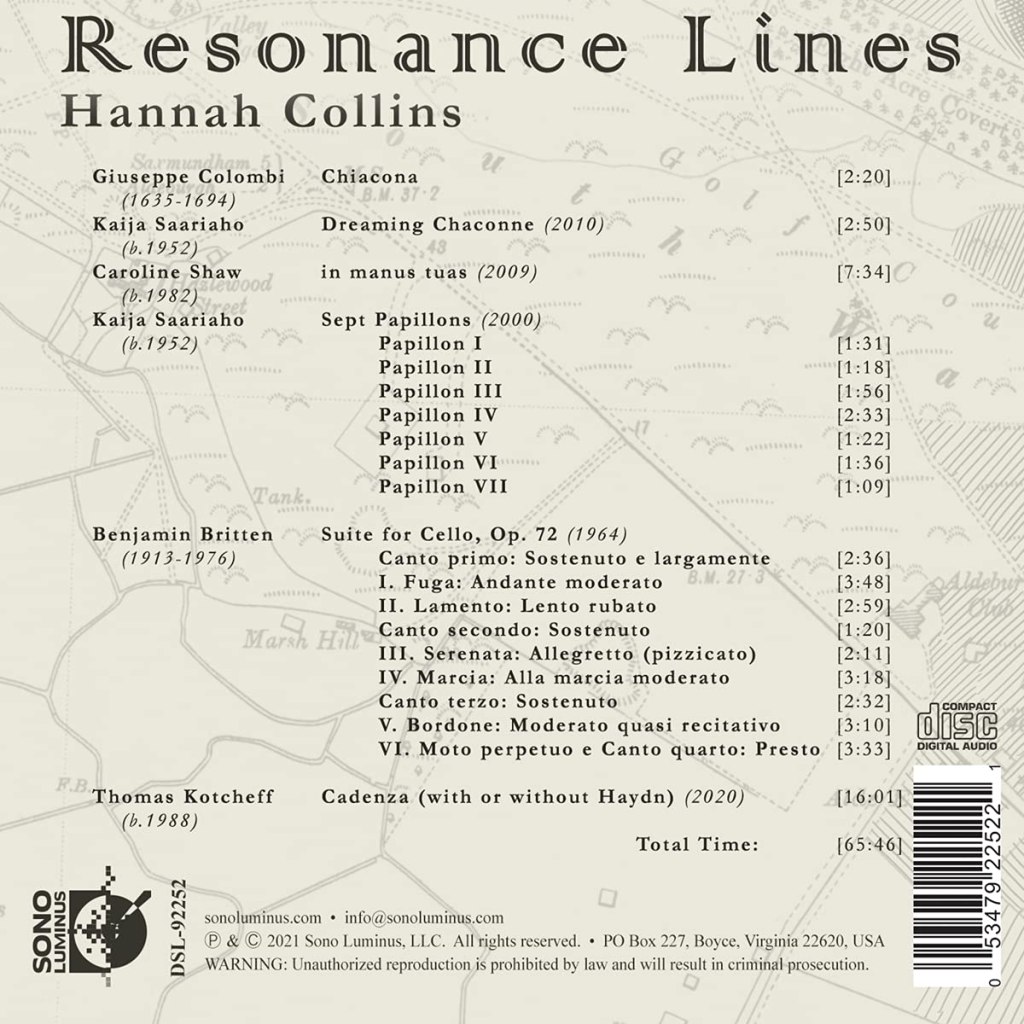
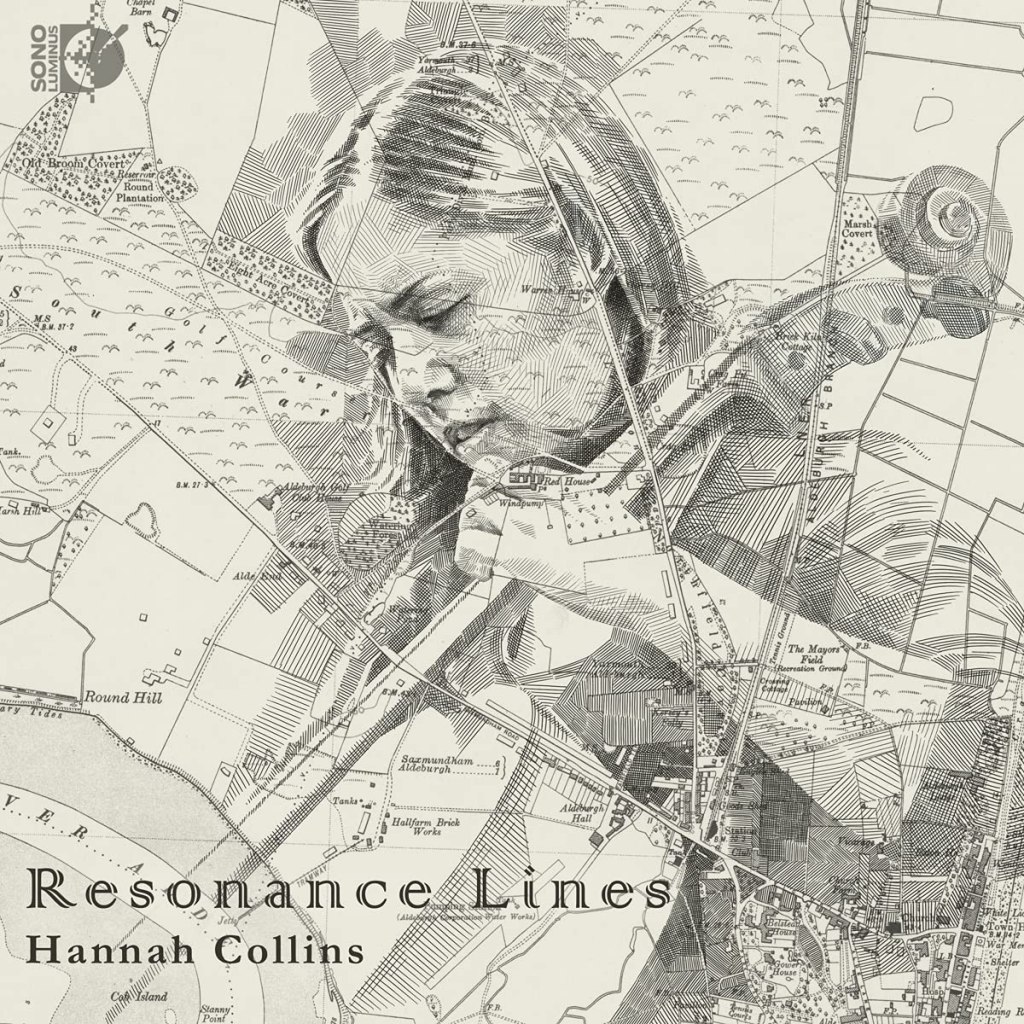
Rising Star Cellist Hannah Collins Defines Her Vision for Her Instrument in “Resonance Lines”


Sono Luminus DSL-92252

Having chosen a debut album featuring solo cello without electronics or accompaniment the Sono Luminus label virtually guarantees that every one of the subtleties of the performer’s skills will be heard in all their glory. And so we have an auspicious solo debut album by a skilled and talented artist with a unique and intelligent vision in her choice of repertoire for her instrument. Hannah Collins has a beautifully designed web page describing her background so I will focus only on the music on this release.

Even a brief glance makes it obvious that Collins’ radar captures a wide range of music which encompasses five centuries of compositional efforts by both a consciously curated selection of composers that reflect both racial and gender diversity and who themselves represent a substantive variety of styles and visions. She begins with a rather obscure baroque composer (I had never heard of him), Giuseppe Colombi (1635-1694). His Chiacona (1670) is apparently the first identified composition for solo cello (the famous solo cello suites by J.S. Bach wouldn’t come along until 1717-1723).

This arguably foundational work of the solo cello genre is then followed by the very fine Finnish composer Kaija Saariaho (1952- ) whose Dreaming Chaconne (2010) is in fact a variation on the Colombi piece.

The third track, “In manus tuas” (Into your hands) by the equally fine American composer, Carolyn Shaw (1982- ) was written for Ms. Collins, and is an aural peek inside the mind of the composer as she recalls a performance of a motet by 16th century English composer Thomas Tallis (1505-1585). Shaw evokes a sonic memory moment of hearing a performance of “In manus tuas Domine” in Christ Church in New Haven, Connecticut which made a strong impression on her. It is a work that appears to be destined to become a modern classic. It creates spectral harmonics that engulf the listener inside Shaw’s memory of the event. The composition’s title also function metaphorically as she offers her music into the hands of the artist and the minds of the listeners. It is a challenge both technically and interpretively and Collins rises to those challenges with seeming ease.

The next seven tracks are given to another Saariaho composition, “Sept Papillons” (2000). This earlier work from her extensive catalog is also given to extended instrumental techniques as she evokes the seven butterflies of the title. This set of pieces was written for the fine Finnish cellist, Anssi Karttunen. It was at the 2008 Creative Dialogue Workshop in Santa Fe, New Mexico (run by Karttunen) that Collins encountered this music and the extended techniques required for its performance. Saariaho’s sound world is like that of an incarnation of Debussy and his impressionist aesthetic. There is apparently no visual program here but the music recalls, in this listener’s mind, Saariaho’s earlier “Nymphea” (1987) for string quartet and electronics which was inspired by Monet’s famed “Water Lilies” of 1906.

This fine disc includes the first (of three) suites for solo cello by Benjamin Britten. All three of these (1964, 1967, 1971) had all been composed for the Russian virtuoso Mstislav Rostropovich. Like the the Saariaho and Shaw pieces these suites are inspired by earlier works, in this case the Bach suites of the early 18th century. Collins plays the first (Opus 72) of these and her performance makes this listener hope that she will later record the other two.

While modeled on earlier music, the Britten work utilizes techniques that would likely be unfamiliar to cellists before the 20th century. It is homage both to Bach and to Maestro Rostropovich. And Collins’ playing furthers this homage to both of these past masters.

The final track is a work by one Thomas Kotcheff (1988- ). Like the first track, this young composer is unfamiliar to this writer. His work, “Cadenza (with or without Haydn)” of 2020” carries on the theme of homage. In a nod to the late great Frederic Rzewski (1938-2021) whose “Cadenza with or without Beethoven” (2003) is an extended cadenza which can be played on its own or as part of the Beethoven 4th piano concerto.

Kotcheff’s work is a cadenza for Haydn’s C major cello concerto. Like the Rzewski, it can be performed with the concerto or as a solo work on its own. Also like the Rzewski, the more modern aspects of this “cadenza” might confuse audiences anticipating more conventional music that fits with the context of the concerto for which it was written and the music stands very strongly on its own.

Like a lot of solo artists are doing these days, Collins’ debut solo album is like her personal manifesto of music for her chosen instrument. It is a fine foundation anticipating what will likely be an enlightening as well as entertaining career.

My 2018 in the Arts


One of the Theater Organs at House on the Rock, Spring Green, WI, a really fun place to visit.


I’m skeptical about year end lists but I have enough people asking me that it would be impertinent to skip this task. I make no claims to having even listened to enough to make any definitive statements about the “best” but I have my own quirky criteria which I hope at least stirs interest. Here goes.

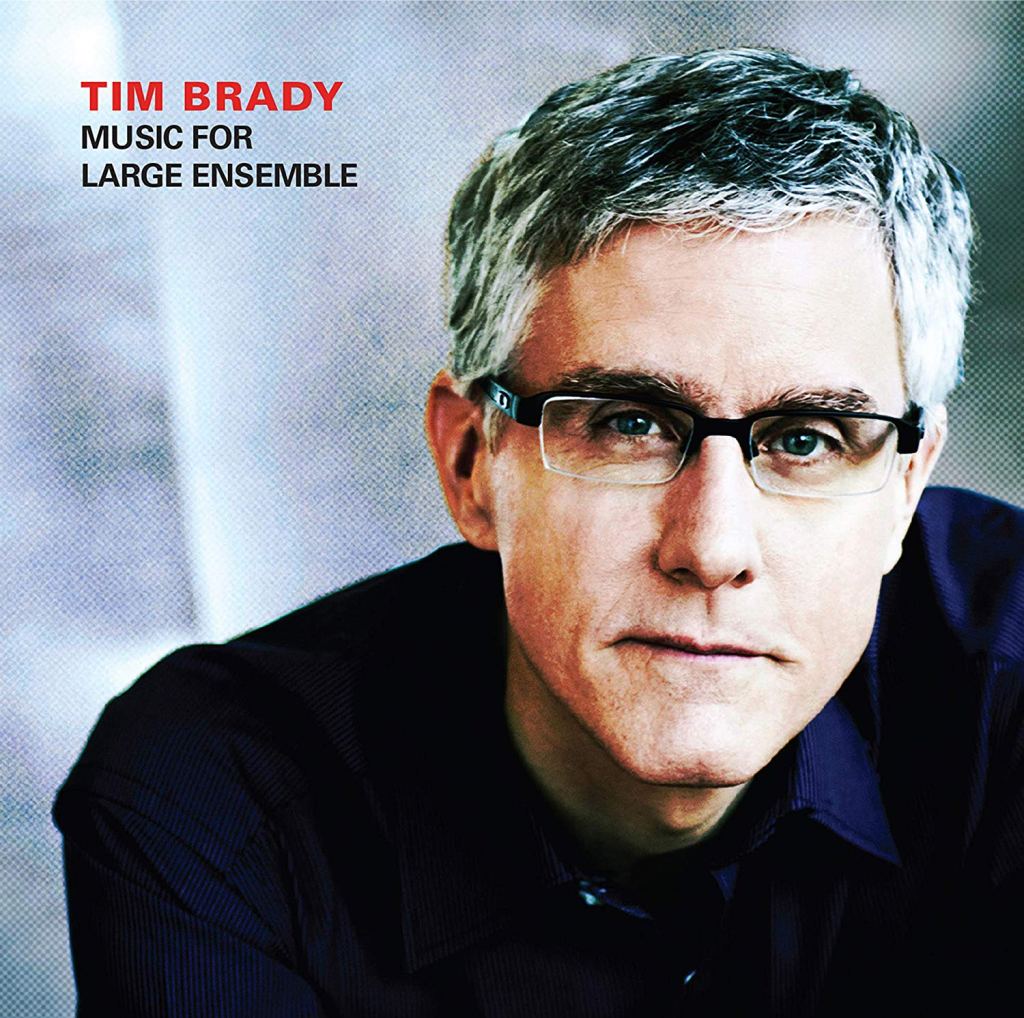
Let’s start with the most read reviews. Without a doubt the prize here goes to Tim Brady’s “Music for Large Ensemble”. This reviewer was enthralled by this recording by this Canadian musician whose work needs to be better known.

This little gem was sent to me by a producer friend and I liked it immediately. I knew none of these composers but I enjoyed the album tremendously. Don’t let the unusual name “Twiolins” stop you. This is some seriously good music making. It is my sleeper of the year.

Running close behind the Twiolins is the lovely album of post minimalist miniatures by the wonderful Anne Akiko Meyers. Frequently these named soloist albums of miniatures are targeted at a “light music” crowd. Well this isn’t light music but it is quite listenable and entertaining.


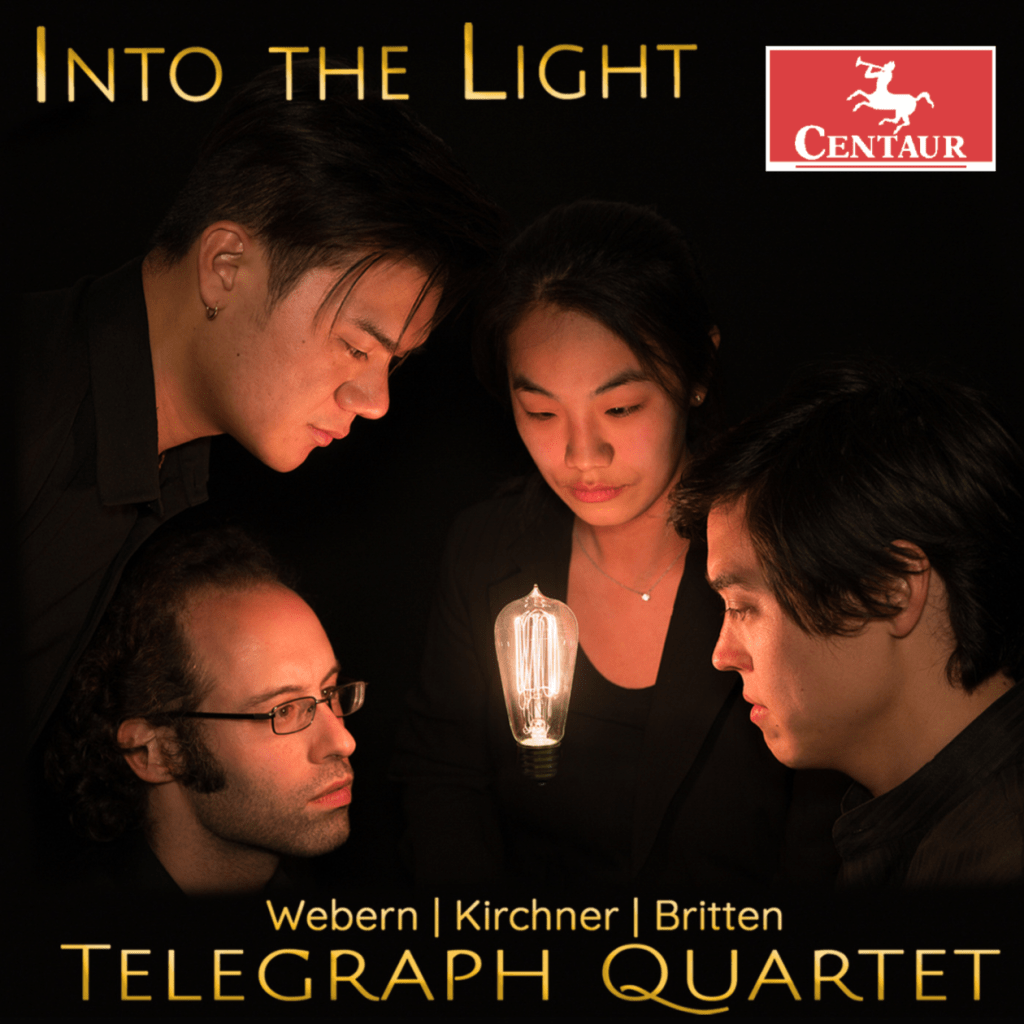
The creative programming and dedicated playing made this a popular review to New Music Buff readers. Definitely want to hear more from the Telegraph Quartet.

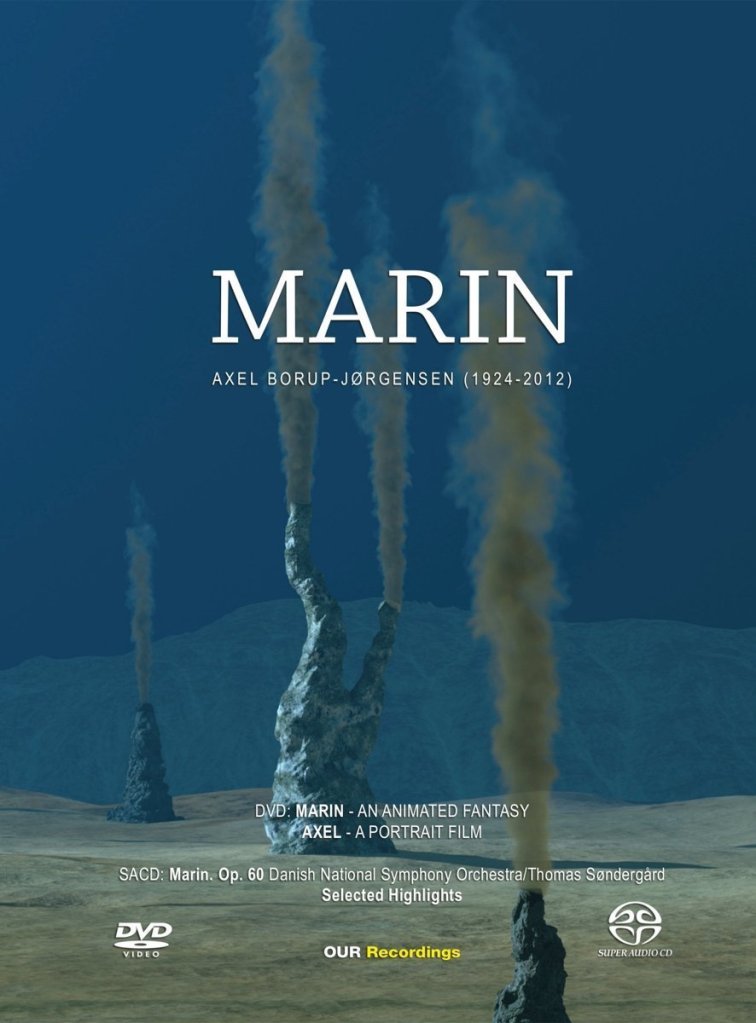
Another disc sent by my friend Joshua. This one is a DVD/CD combo of music by a composer whose existence was only revealed to me a couple of years ago. Marin includes a clever animated video which accompanies the title track.

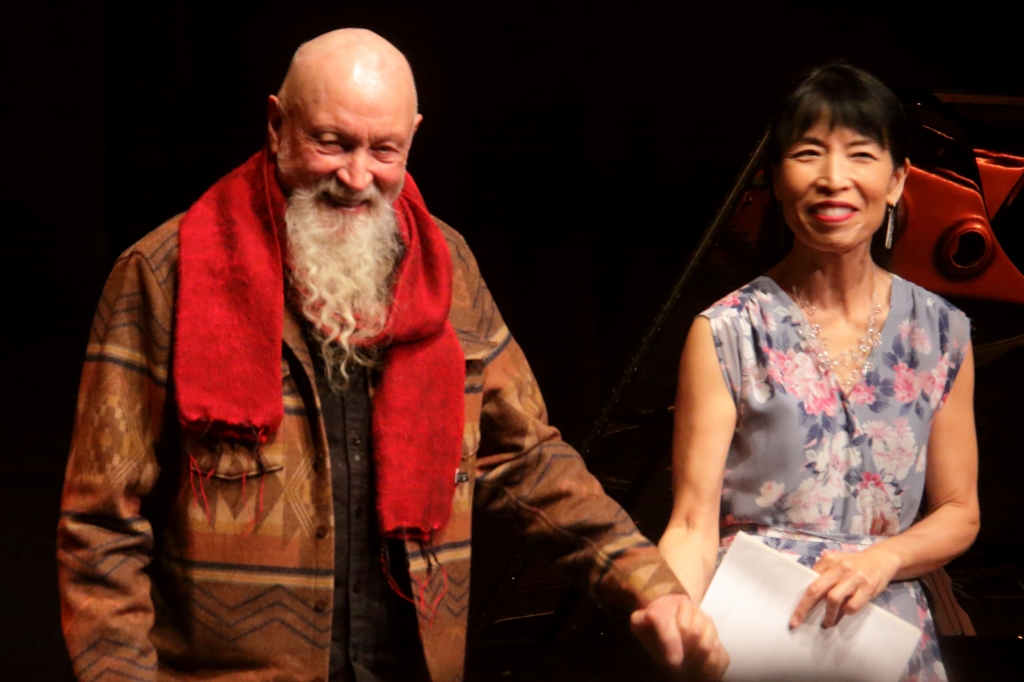
I was fortunate enough to have been able to hear Terry Riley and Gloria Cheng in an all Terry Riley program at the Yerba Buena Center for the Arts. Both were in spectacular form and the audience was quite pleased.

I would be remiss if I didn’t include the fabulous 6 night series of concerts produced by Other Minds. This is why I am a rabid advocate of OM programs. More on that soon with OM 24 coming up.

And lastly I want to tell you about two more composers who are happily on my radar.

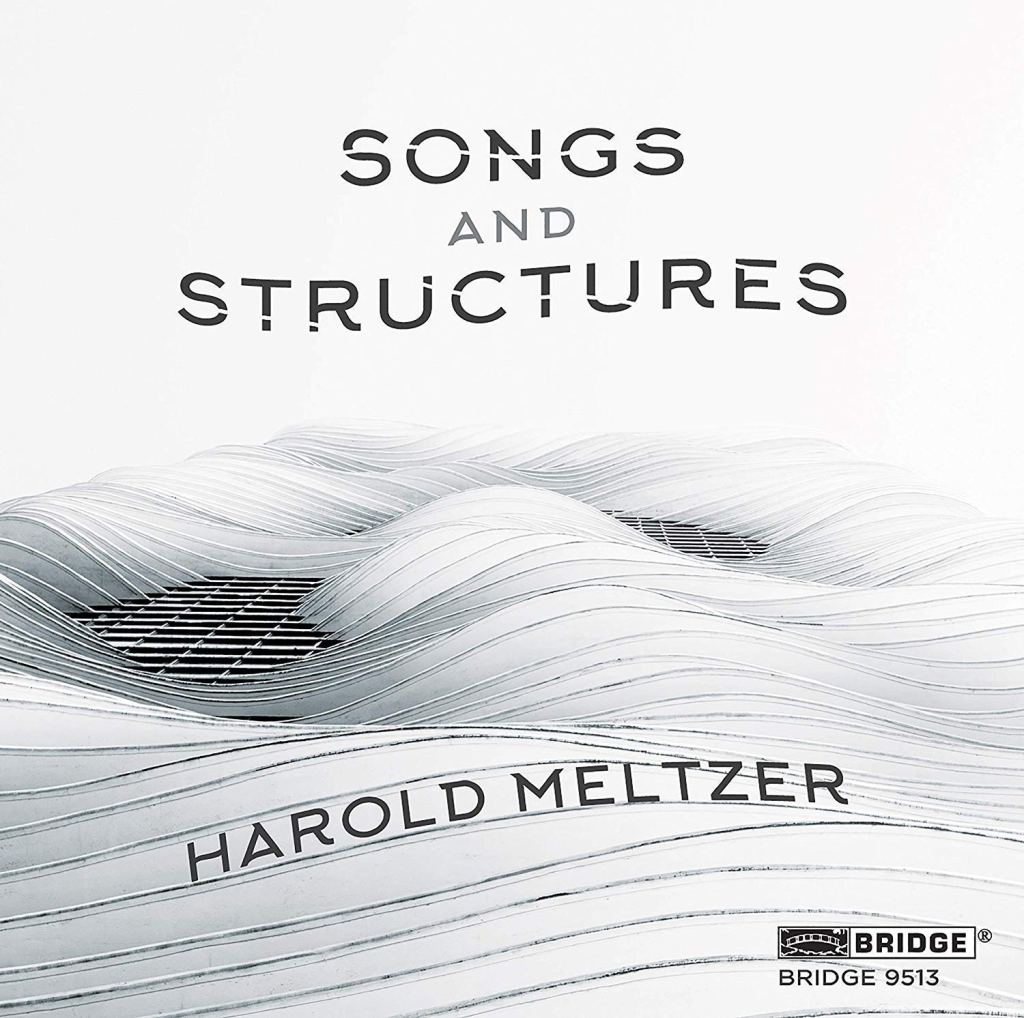
One of the joys of reviewing CDs is the discovery of new artists to follow. Harold Meltzer is now in that group for me. This basically tonal composer has a real feel for writing for the voice and has turned out some seriously interesting chamber music.

Another composer unknown to these ears. I bristle at the term “electroacoustic” because it sometimes means experimental or bad music. Not so here. Moe is fascinating. Definitely worth your time.

OK, gonna can the objectivity here to say that this is possibly the most underappreciated album I’ve heard this year. Combining a recording of the Debussy Preludes along with Schoenberg’s rarely heard “Hanging Gardens”, Webern’s Variations, and Berg’s Piano Sonata creates a picture of a moment in history when music moved from impressionism to expressionism. Jacob Greenberg is very much up to the task. Buy this one and listen, please. It’s wonderful.

Also beyond objectivity is this fascinating major opus by Kyle Gann. It didn’t get much recognition on my blog but it’s a major work that deserves your attention if you like modern music.

Well this is one of my favorite reviews in terms of the quality of my writing. The work is most wonderful as well. Though this review was actually published on December 31st I’m still including it in my 2018.

This is definitely cheating on my part but after that concert at Yerba Buena I can’t resist making folks aware of this wonderful set on the independent label, “Irritable Hedgehog”. Trust me, if you like Riley, you need this set.

I review relatively few books on this site but by far the most intriguing and important book that has made it across my desk to this blog is Gay Guerilla. The efforts of Mary Jane Leach, Renee Levine Packer, Luciano Chessa, and others are now helping to establish an understanding of this composer who died too young. Here’s looking forward to next year.

I know I have left out a great deal in this quirky year end selection but I hope that I have not offended anyone. Peace and music to all.

Telegraph Quartet Debut: Into the Light


TelegraphQuartet_IntoTheLight_AlbumCoverThis is the debut album for the Telegraph Quartet who are based in the San Francisco Bay Area.  They have chosen some curious works from the quartet repertoire to represent this nascent ensemble, Anton Webern’s Op. 5 Fünf Satze (1909, Benjamin Britten’s Three Divertimenti (1936), and Leon Kirchner’s String Quartet No. 1 (1949).

Webern is, of course well known, but relatively seldom played.  His pithy, brief, pieces belie a complexity which may delight musicologists but his music, for all of it’s craft, is never going to be a crowd pleaser like Haydn or Beethoven.  It appears that The Telegraph folks are putting together a carefully selected intro to their work.  They execute these little masterpieces with care and manage to squeeze the expression out so that the audience can begin to appreciate it.

The Benjamin Britten (1913-1976) Divertimenti were unfamiliar to this listener and, doubtless, will be a pleasant surprise to many.  Britten wrote three string quartets and a few other miscellaneous pieces for quartet.  It is a bit surprising that these little Britten gems have gone with so little notice before now.  These are three brief (though not as brief as the Webern) but engaging little compositions that clearly deserve at least an occasional performance.  The Telegraphs handle these with a powerful almost romantic interpretation.  It’s hard to say not ever having heard any other performance but these are engaging pieces.

Leaving the best for last we get to hear music by Leon Kirchner (1919-2009).  This Pulitzer Prize winning composer (he won for his Third String Quartet from 1967).  Kirchner wrote 4 quartets in total which vary widely in style.  They date from 1949, 1958, 1966, and 2006 (which remains unrecorded…hint, hint).  Kirchner wrote in pretty much all genres and even worked with electronics.  It is time for a new reckoning of his work.

The first quartet is the least heard of the lot and is of a sort of romantic quality.  It is a passionate composition that is influenced by a variety of styles but it precedes his 12 tone compositions.  This quartet seems to have an affinity for romantic gesture and singing melodies and listeners will doubtless want to hear this work multiple times.

Some may recall a Columbia album from the 1970s that recorded Kirchner Schoenbergian second quartet as a “B side” to an album which contained Kirchner’s drama, Lily, based on Saul Bellow’s “The Rain King”.  That disc was almost a Kirchner sampler displaying two major aspects of the composer’s output.

All the works here are bound to please a concert audience and this little collection of works dating a forty year period from 1909 to 1949 are excellent vehicles for this ensemble which sports a lush sound and a feeling for the proper shaping of melodies.

The Telegraph Quartet consists of Joseph Maile and Eric Chin (who apparently share the role of first violin with the other taking the second violin), Pei-Ling Lin, viola, and Jeremiah Shaw cello.  It’s difficult to say how this new quartet will fare but this album suggests that they are already on their way musically and, judging from their choice of repertoire, they are likely to unearth (and probably commission) unheard delights of the quartet repertoire.  Well done!

A Far Cry: Visions and Variations


farcryvisions

Crier Records CR 1801

This is the latest release by an ensemble whose debut CD was released some nine years ago.  Most recently this ensemble released a fine recording featuring Simone Dinnerstein playing piano concertos by J. S. Bach and Philip Glass.  This recording is focused on the virtuosity of this small string orchestra by focusing on some unusual but highly listenable pieces from the early twentieth century to the present.

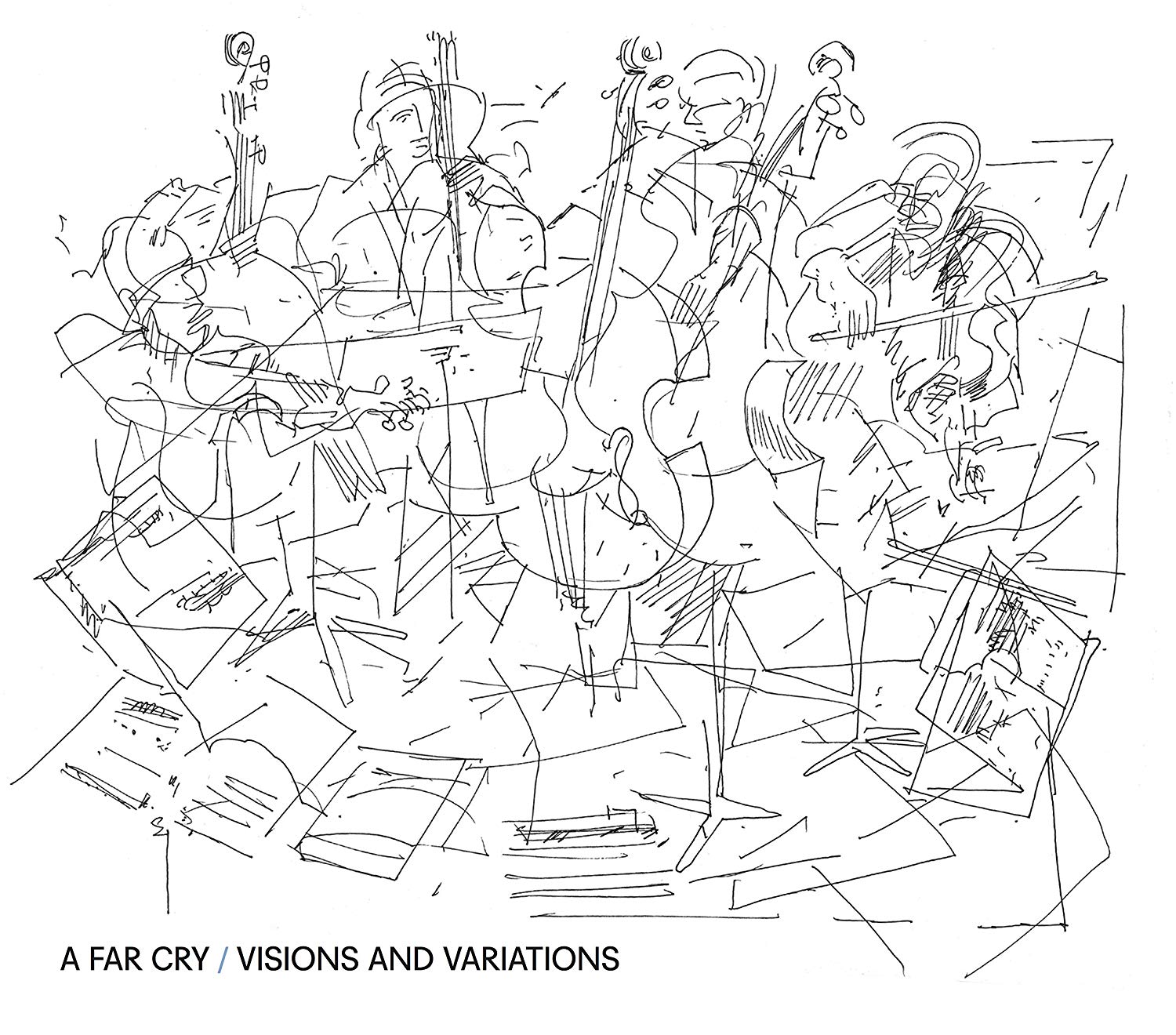
The lovely cover art (by Bill Flynn) conjures images that evoke Picasso’s drawings of Igor Stravinsky conducting.  The album evokes a feeling of an early twentieth century salon and makes the most of this rather small ensemble which counts 20 musicians on this release.  The issue here seems to be quality musicianship exploring unusual but very listenable music.

The disc begins with the too little heard Variations on a Theme by Frank Bridge (1937) by Benjamin Britten (1913-1976).  Bridge was one of Britten’s teachers and a fine composer as well.  This is the piece that first brought Britten international recognition but it is not frequently played or recorded as one might expect.   It is a very entertaining set of variations and one can only surmise that this ensemble will likely tackle some of Britten’s other early string orchestra pieces like the Simple Symphony (1934).

After that workout we are treated to another set of variations.  This time by one Ethan Wood, a violinist with the ensemble.  His contribution is a set of variations on the French song, “Ah vous dirais-je, Maman” (better known to some as “Twinkle, Twinkle Little Star”).  This little fantasy is billed as “a folk tale for 18 players based on characters created by W. A. Mozart”.

And, finally, we have a lively transcription of Sergei Prokofiev’s ” Vision Fugitives” Op. 22.  Originally for piano, this string orchestra version is a unique but interesting idea.  The ensemble handles this complex music well and this version provides a perspective on these little miniatures that will produce discussion among fanciers of the original piano versions.

All in all this is basically a pretty conservative program stylistically but the intelligent choices of repertoire and the wonderful execution make this a stand out release with incredible potential that will leave listeners waiting for their next release.