Receiving this album for review the fact is I actually shed a tear when, upon opening my mail, I found the cover of this album cause my emotions to jump to regions of nostalgic memories deeply treasured.
Another fact is that, due to COVID 19, the virtual stoppage of all live concerts, and shifts in my scheduling priorities I had stopped following the career of Mr. Gibson (1940-2020) for the last few years and I wasn’t even aware that this disc had been released. I had heard that he had died in October, 2020. Gibson is a musician I first encountered, as most people had, via his omnipresence at concerts of the Philip Glass Ensemble where he was a founding member. Gibson’s performances of the saxophone solo in Glass’ “Facades”, which I first heard in 1980, are forever etched in my memory. And I caught pretty much every concert they did in or near Chicago from 1980 to perhaps 2000. So that little personal history gives you some idea as to why seeing this album was a “gut punch” of emotion to me.
Albums
I lifted this discography of Gibson’s releases from discogs.com and it does not include his work the Philip Glass Ensemble in which he was a member since 1968. It is probably not definitive but it provides some perspective on Gibson’s range of repertoire and his musical affiliations.
The Dance (CD, Album) Orange Mountain Music 70072013
Relative Calm (CD, Album)New World Records 80783-22016
Jon Gibson’s Visitations Otoroku2017
Violet Fire – An Opera About Nikola Tesla (2xCD, Album) Orange Mountain Music70182019
Songs & Melodies, 1973-1977 (2xLP, Album) Superior ViaductSV1732020
David Behrman with Jon Gibson & Werner Durand -Viewfinder / Hide & Seek (LP, Album, Ltd)Black Truffle BT08220211
Gibson’s brand of minimalism resembles Glass’ at times but Gibson’s eclecticism, his mix of styles bear the fingerprints of a style which will be easily recognized by listeners familiar with some of his previous albums.
This is an album’s worth of music written for a performance piece with choreography by the wonderful Lucinda Childs (who choreographed Philip Glass’ “Einstein on the Beach” and commissioned Gibson in 1981 for this piece). Relative Calm (1981) is in four sections (or movements) each with its own character.
Tracklist
1. Relative Calm (Rise) (1981) Composed By, Wind, Keyboards, Autoharp, Sounds [Field Recording] – Jon Gibson Keyboards – Joseph Kubera Percussion – David Van Tieghem
2. Q-Music (Race) (1981) Composed By, Keyboards – Jon Gibson Keyboards – Joseph Kubera
3. Extensions RC (Reach) (1981) Sopranino Saxophone, Composed By – Jon Gibson
4. Return (Return) (1981) Keyboards – Joseph Kubera Percussion – David Van Tieghem Saxophone, Composed By – Jon Gibson
Gibson’s fondness for jazz is evident here but the dominant style is the composer’s brand of minimalism. Relative Calm was commissioned and choreographed by Lucinda Childs with decor by Robert Wilson, it received its world premiere by the Lucinda Childs Dance Company at Théatre National de Strasbourg in Strasbourg, France on November 26, 1981. It’s wonderful and it is a blessing to have this recording available.
This was released in 2016 on New World Records and is now available for streaming on Bandcamp. The excellent liner notes are by Kyle Gann and Dean Suzuki tell you pretty much all you need to know and the album sounds great. Thanks, Mr. Gibson, RIP.
My review of Carpenter’s Sony Classical release Flash with Substance, Cameron Carpenter Takes on Rachmaninoff and Poulenc, in which he played his transcription for Organ and Orchestra of Rachmaninoff’s beautiful Paganini Rhapsody paired with his exciting rendition of the always welcome Poulenc Organ Concerto. It’s kind of a gutsy move to perform the Rachmaninoff with an organ instead of a piano, bordering on sacrilege for some. Given that programming though, the choices for this recording are a little less surprising as both further stretch the notion of what an organist is actually able to play and demonstrate the sheer breadth of this composer/performer’s musical vision.
Here’s the track list for his Decca Gold debut. Take a good look and meet me at the end of this list:
Tracklist
J.S. Bach – The Goldberg Variations, BWV 988 (1741)
Aria
Variatio 1. a 1 Clav.
Variatio 2. a 1 Clav.
Variatio 3. Canone all’Unisono. a 1 Clav.
Variatio 4. a 1 Clav.
Variatio 5. a 1 ô vero 2 Clav.
Variatio 6. Canone alla Seconda. a 1 Clav.
Variatio 7. a 1 ô vero 2 Clav. al tempo di Giga
Variatio 8. a 2 Clav.
Variatio 9. Canone alla Terza. a 1 Clav.
Variatio 10. Fughetta. a 1 Clav.
Variatio 11. a 2 Clav.
Variatio 12. a 1 Clav. Canone alla Quarta in moto contrario
Variatio 13. a 2 Clav.
Variatio 14. a 2 Clav.
Variatio 15. Canone alla Quinta. a 1 Clav.: Andante
Variatio 16. Ouverture. a 1 Clav.
Variatio 17. a 2 Clav.
Variatio 18. Canone alla Sesta. a 1 Clav.
Variatio 19. a 1 Clav.
Variatio 20. a 2 Clav.
Variatio 21. Canone alla Settima
Variatio 22. a 1 Clav. alla breve
Variatio 23. a 2 Clav.
Variatio 24. Canone all’Ottava. a 1 Clav.
Variatio 25. a 2 Clav.: Adagio
Variatio 26. a 2 Clav.
Variatio 27. Canone alla Nona. a 2 Clav.
Variatio 28. a 2 Clav.
Variatio 29. a 1 ô vero 2 Clav.
Variatio 30. a 1 Clav. Quodlibet
Aria da Capo
Howard Hanson (arr. Carpenter) – Symphony No. 2 in D-flat Major, Opus 30 “Romantic” (1930)
Adagio
Andante con tenerezza
Allegro con brio
Yup, the Bach Goldberg variations played on the organ followed by Carpenter’s transcription of Howard Hanson’s (1896-1981) lovely Second Symphony, subtitled, “Romantic” (Trivia: the finale of this work is played over the end credits on the Ridley Scott film, Alien). But I’m willing to wager that neither Hanson aficionados (always among my faves) nor fans of Alien ever imagined hearing this piece played on an organ. But it works.
And that is Carpenter’s genius, or a portion of his genius. He is a man with a mission. He is a virtuoso of the highest order, he is a showman such that earns him a membership in my “glam classical” category, and he is a scholar with wide ranging tastes whose choices have challenged and charmed this humble listener and doubtless many others. My God, the man had a digital portable touring organ custom built for him! It is the instrument upon which he recorded this and the previously referenced disc.
He has antecedents such as Virgil Fox and Anthony Newman, musicians who eschew the stoic musician stereotype (nothing wrong with stoic, either) and engage the audience in their more theatrical manners. And it is the delicate balance between the musicianship and the stage presence that is worth the audience’s time. By my count this is his 8th album released. Check out his web page for more.
Watch any of his YouTube videos where his stage presence is as engaging as his virtuosity. Sure, he plays the “standard repertoire” authoritatively. His Bach is as engaging as his genial manner. This is one exciting composer/performer and it is a joy to watch him develop his brand. All sorts of ideas chase themselves in my mind when I ponder what he’ll do next. But I’d rather be surprised.
Were it not for the wishes of some of my valued readers I would not produce such a list. It has no more validity other than, “These are my personal choices”. But there is some joy to be had in contemplating these past 12 months as I have lived them on this blog. So here goes.
My home base is in California, about 90 miles north of Los Angeles though I sometimes travel for work
First I have to tell everyone that March, 2022 will mark the 10th anniversary of this blog, a venture which has been a rich and exciting one. Future blogs will soon include, in addition to album/concert reviews, some articles on subjects which I hope will be of interest to the select group of people who read this material and who share my interest in this music (which I know can be anywhere from difficult to repulsive to many ears). But I have deduced that my readers are my community, a community of kindred spirits freed from the boundaries of geography, a number rather larger than I had imagined was possible and one that I’ve come to cherish. Bravo to all of you out there.
Since February of 2021 I have worked periodically in Washington State, not in a cabin in Mt. Rainier National Park but in Tacoma, just south of Seattle.
COVID 19 has reduced the number of live performances worldwide and I have not attended a live performance since early 2020. But, happily, musicians have continued to produce some amazing work, some of which gets sent to me, and a portion of that gets to be subjected to the analytic scrutiny of my blog.
My lack of attention to any music should never be construed as deprecatory, rather it is simply a matter of limited time to listen. So if I have provided a modicum of understanding or even just alerted someone to something new I am pleased and if ever I have offended, I apologize. All this is my personal celebration of art which has enhanced my spirit and which I want to share with others. Look what Ive found!!!
So, to the task at hand (the “best of” part):
The formula I’ve developed to generate this “favorites retrospective” has been to utilize WordPress’ useful statistics and look at the top viewed posts. From these most visited (and presumably most read) articles I produce a list of ten or so of my greatest hits from there. Please note that there are posts which have had and continue to have a fairly large readership from previous years and they’re not necessarily the ones I might have expected but the stats demand their inclusion here.
Following that I then toss in a few which are my personal faves (please read them) to produce what I hope is a reasonably cogent and readable list. Following my own description of my guiding principles I endeavor to present the perspective of person whose day job and energies are spent in decidedly non-musical efforts but whose interest and passion for new music drives this blog where I share those interests.
As a largely self taught writer (and sometime composer) I qualify my opinions as being those of an educated listener whose allegiances are to what I perceive as pleasing and artistically ideal based on my personal perception of the composer’s/performer’s intent. I am not a voting member for the Grammys and I receive no compensation for favorable reviews. I have the hope/belief that my blogs will ultimately garner a few more listens or performances of art that I hope brings my readers at least some of the joy I feel.
New Music Buff’s Best of 2021
As of this writing I have published 37 blog posts in 2021. COVID, job and personal stressors have resulted in my failing to post at all in December, 2020, January, June, and July of 2021. And only one post in February, 2021. Surprisingly I have managed to get just over 9300 views so far this year (a little more views than last year actually) and it is my plan to publish 4-5 blogs per month going forward into my tenth year.
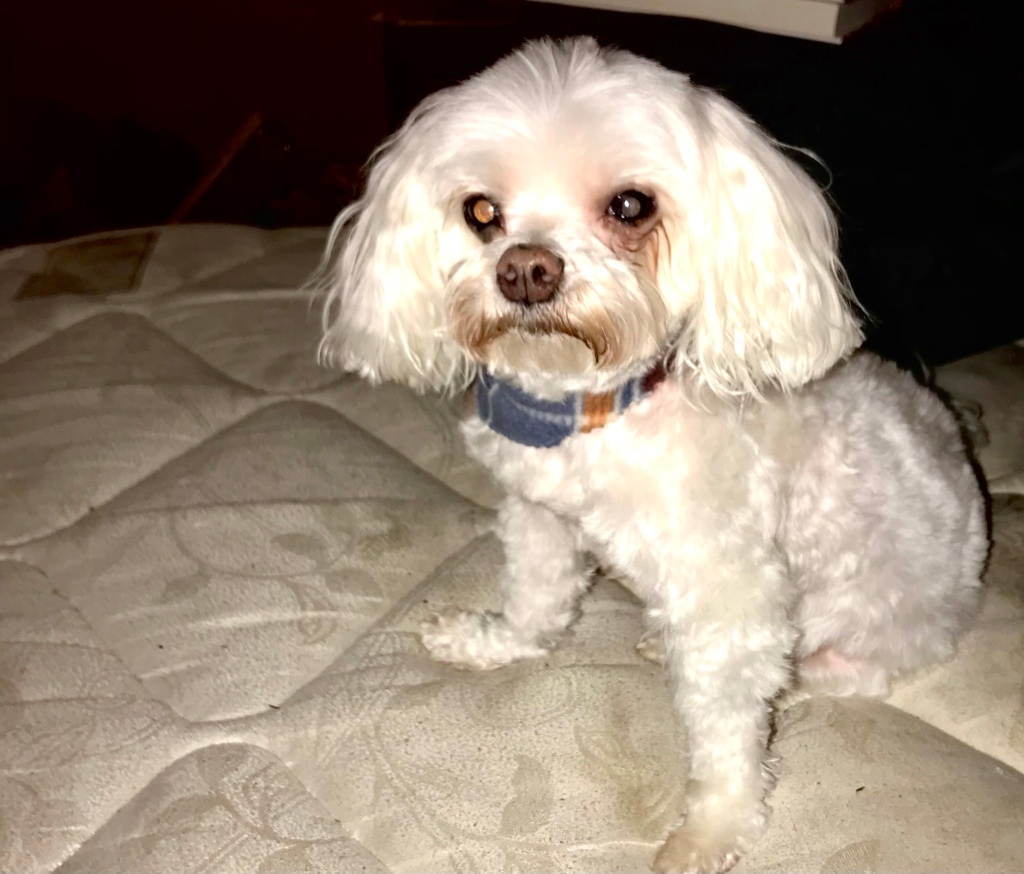
Me with my listening buddy, Clyde
Not surprisingly, most of my readers are from the United States but I’m pleased to say that I’ve had hits from 192 countries at last count. Thanks to all my readers, apologies to the many countries who didn’t make the cut this year (you’re all welcome to try again in 2022). So, following the United States here are the subsequent top 25 countries who have viewed the blog:
Canada, United Kingdom, Germany, China, France, Netherlands, Spain, Australia, Ireland, India, Italy, Turkey, Nigeria, Japan, Brazil, South Korea, Denmark, Belgium, Sweden, Finland, Russia, Poland, Philippines, Ghana, Norway.
Top Ten Most Read of 2021
The following are the most seen articles of 2021. Some of these are articles whose popularity surprise me as they were written some time ago and are not necessarily, in my opinion, my best work. But readership is readership and I am grateful for that.
Top article, Linda Twine, a Musician You Should Know. Twine is a musician and composer who has worked for some years in New York theater. I chose to profile her and I guess she is well liked because this article from 2018 is one of my top performers. Kudos, Ms. Twine.
Next up is, The Three Black Countertenors, an article suggested by my friend Bill Doggett whose website is a must visit for anyone interested in black classical musicians. This one, from 2014, continues to find readers. It is about the first time three black countertenors appeared on the same stage. Countertenors are themselves a vocal minority when considered in the company of sopranos, baritones, tenors, contraltos, and basses. Being black adds another level of minority in the world of operatic voices so this was indeed historic.
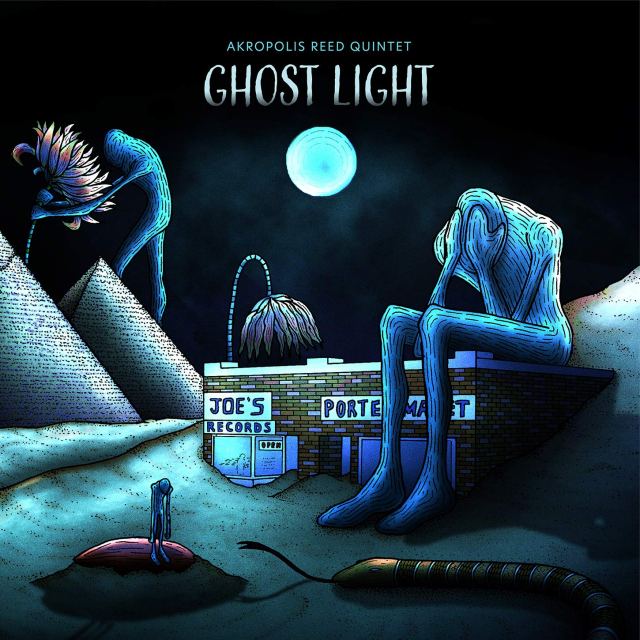
Art and the Reclamation of History is the first of the articles written this year to make the top ten most read. It is about a fabulous album and I hope more people read about it. This Detroit based reed quintet is doing something truly innovative. You really need to hear this.
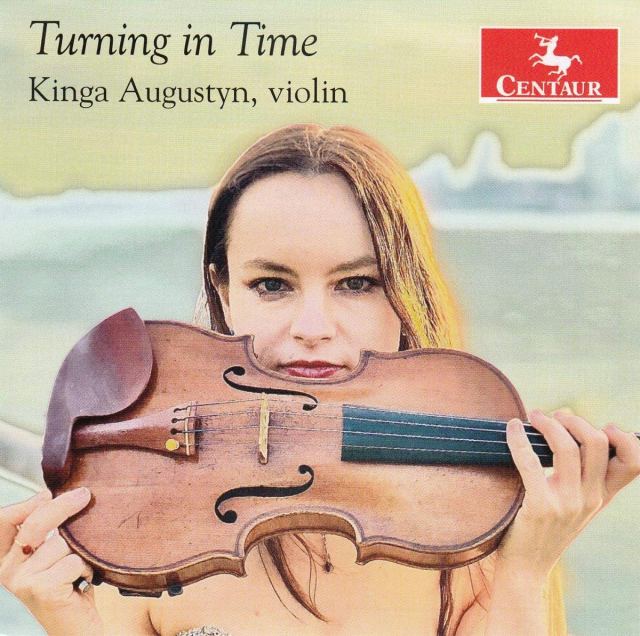
Centaur CRC 3836
Number four is another from this past year, Kinga Augustyn Tackles the Moderns. This album, kindly sent to me by the artist is worth your time if you like modern music. This young Polish/American violinist has both technique and vision. She is definitely an artist to watch.
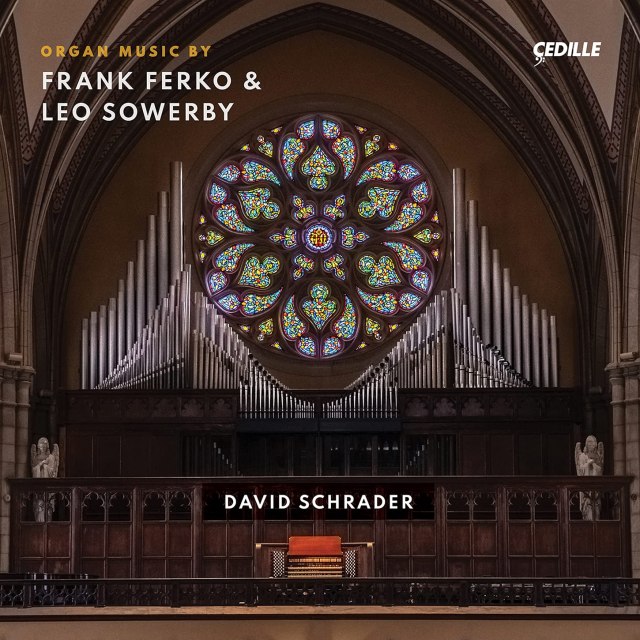
Number five is a truly fabulous album from Cedille records, David Schrader Plays Sowerby and Ferko. This double CD just fires on all cylinders, a fine artist, excellent recording, interesting and engaging repertoire, amazing photography, excellent liner notes, and love for all things Chicago. This one is a major classic release.
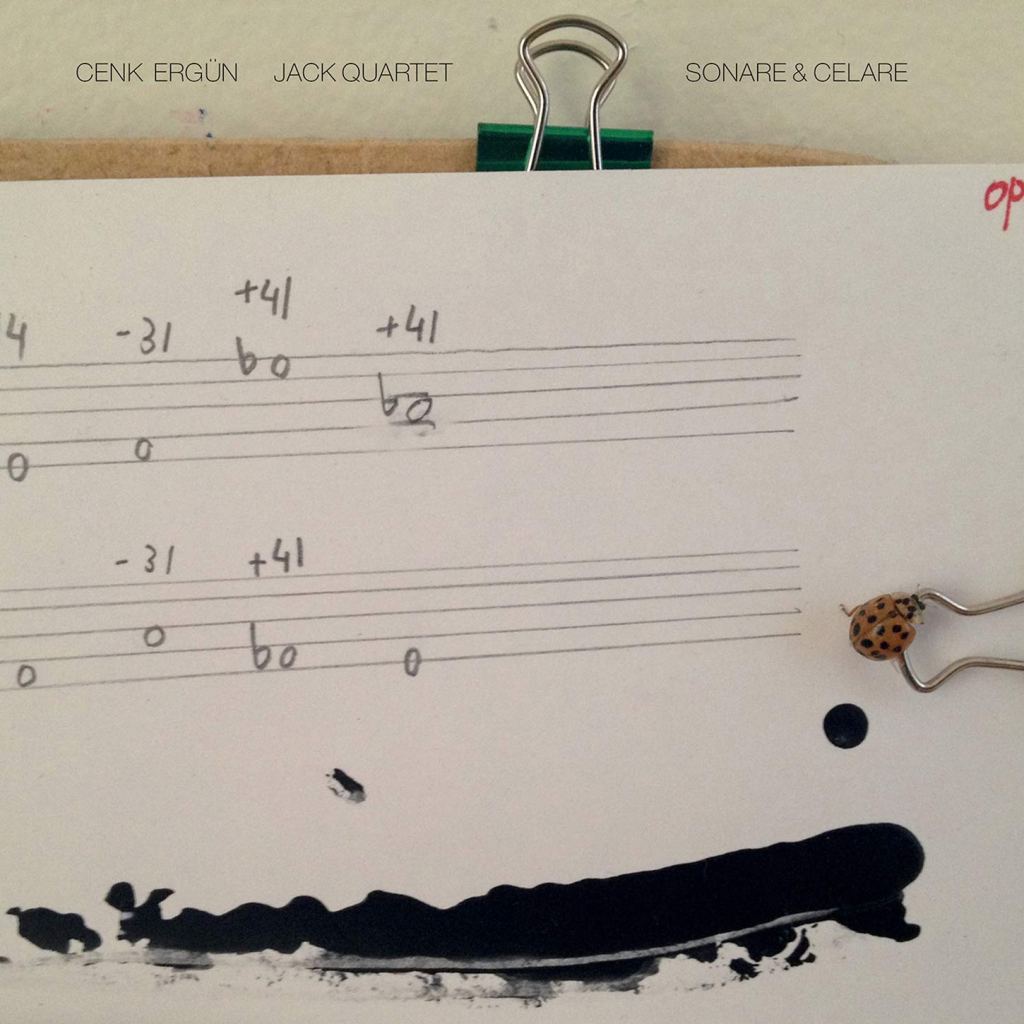
The Jack Quartet Plays Cenk Ergun was a pleasant surprise to this blogger. The Jack Quartet has chosen wisely in deciding to release this recording of new string quartet music by this young Turkish composer of serious substance. I’m glad that many folks read it.
Number seven on this years hit list among my readers is another album sent directly to me by the artist, one whose work I had reviewed before.
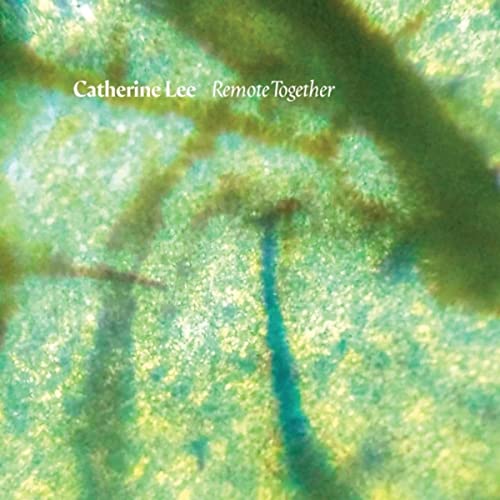
Catherine’s Oboe: Catherine Lee’s New Solo Album, “Alone Together” is among the best of the COVID lockdown inspired releases that flooded the market this year. It is also one of the finest examples of the emerging latest generation of “west coast” composers. Dr. Lee is a master of the oboe and related instruments and she has been nurtured on the artistic ideas/styles that seem to be endemic among composers on the west coast of the United States. She deserves to be heard.
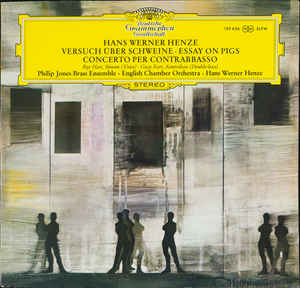
Number Eight is an article from 2014, Classical Protest Music: Hans Werner Henze’s “Essay on Pigs” (Versuch uber Schweine). This 1968 noisy modernist setting of leftist political poetry combines incredible extended vocal techniques with the dissonant modernism of Hans Werner Henze’s work of that era. Also of note is that his use of a Hammond Organ and electric bass guitar was allegedly inspired by his having heard the Rolling Stones. It’s a classic but warn anyone within earshot lest they be terrified.
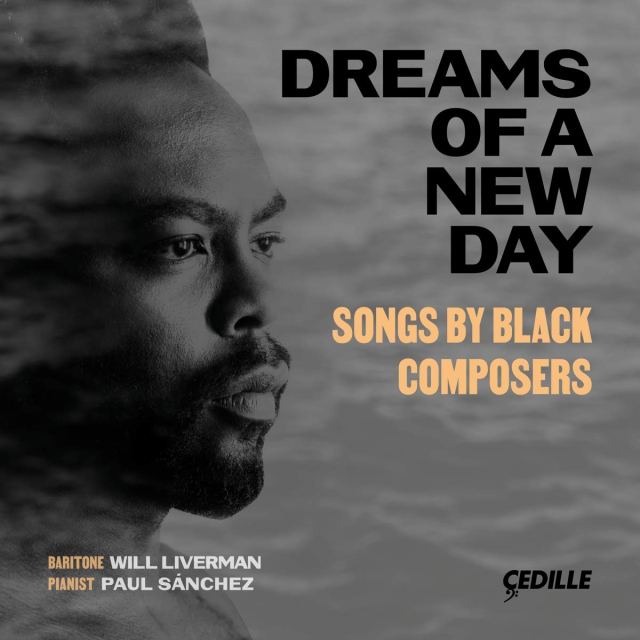
“Dreams of a New Day”, a Landmark Recording Project from Cedille is a virtual manifesto/survey of art song by black composers. Liverman is an amazing singer and the recording by my favorite Chicago record company is pure beauty. This 2021 release ranks ninth among my most read blogs from the past 12 months.
As it happens there is a three way tie for the number ten spot:
Black Composers Since 1964: Primous Fountain is one of a short series of articles I wrote in 2014. I used the date 1964, 50 years prior to the date of the blog post, because it was the year of the passing of the (still controversial) voting rights act. As a result of this and a few related articles I have found myself on occasion categorized as a sort of de facto expert on black music and musicians. I am no expert there but I have personally discovered a lot of really amazing music by black composers which is way too little known and deserves an audience.
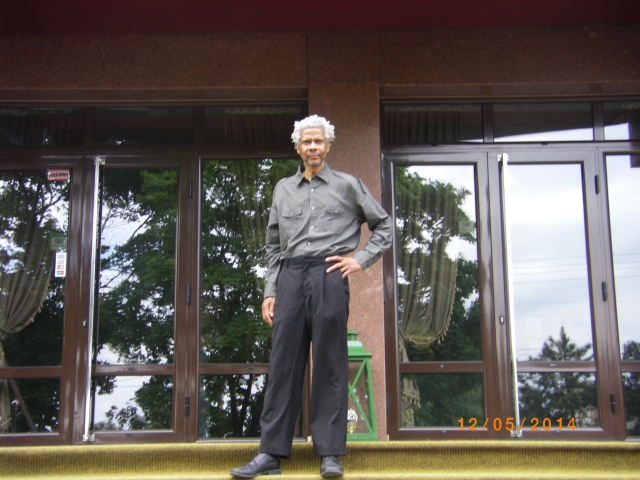
Primous Fountain arrives in Moldova to oversee the performances of his music.
I am pleased to tell you that this too little known composer (and fellow Chicagoan) is being recognized by no less than Michael Tilson Thomas who will conduct an entire program of his works in Miami next year. If my blog has helped in any way then I am pleased but the real honors go, of course, to Mr. Fountain and Mr. Thomas (who first conducted this composer’s music many years ago). Stay tuned.
My “comeback blog”, The Loneliness of the Long Distance Blogger was written to sort of reintroduce myself to the blogosphere and provide some background (excuses?) for my absence. I guess it was a decent read.
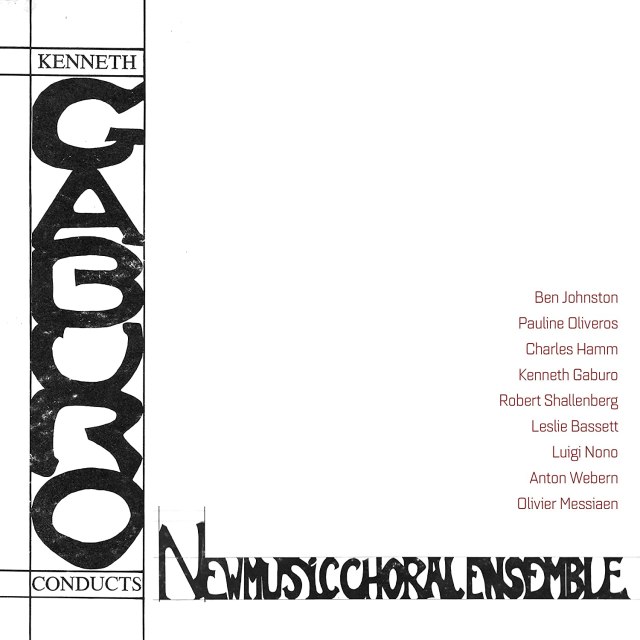
And the third contender for my tenth most read of 2021 is, Kenneth Gaburo, the Avant-Garde in the Summer of Love. This is among the first volley of releases on the revived Neuma label with Philip Blackburn at the helm. Blackburn’s instincts guided Innova records to release many wonderful recordings of music rarely on the radar of larger record companies and this first volley was a harbinger of even more wonderful releases to come. Just do a Neuma search and see what I mean.
The Ones That Didn’t Make the Top Ten
I would be negligent and boringly formulaic to simply report on these top ten. This is not a democratic blog after all, lol. So here are my choices for the ones that many of my dear readers may have missed and should definitely check out. It is anything but objective. They are, in no particular order:
Solo Artist Pamela Z releases “a secret code”. This is another Neuma release, one of a truly original and interesting artist who pretty much defies categories but the territory she explores will amaze you.
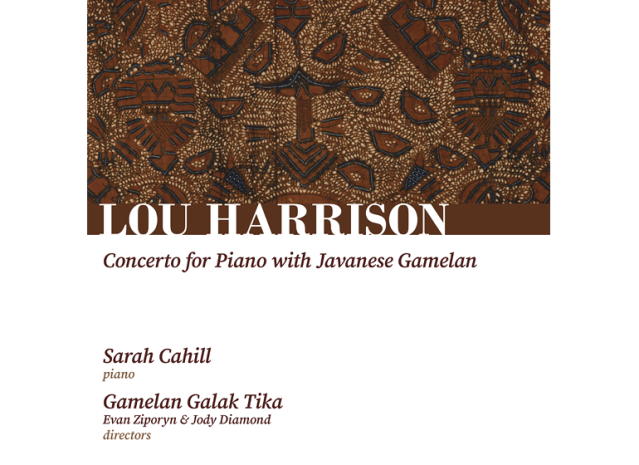
Lou Harrison: Concerto for Piano with Javanese Gamelan, a very special performance of an underappreciated masterpiece is just unabashedly excellent. It is a recording of a 2017 performance (in honor of the composer’s 100th birthday anniversary) in Cleveland by performers who have had a close relationship with this major American composer. I love the music. I love the performers. It’s a digital only release but you can get a download of the album and the fine liner notes from Bandcamp.
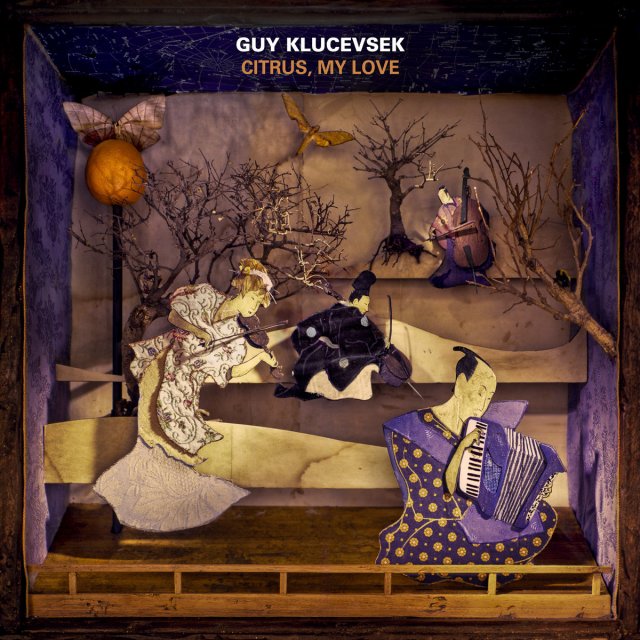
Fixing a Hole to Keep the Music Playing: Starkland brings back Guy Klucevsek’s “Citrus, My Love” is also a digital only release, also available on Bandcamp of an album long out of print but essential to the oeuvre of Guy Klucevsek. Like Philip Blackburn, Tom Steenland (who heads Starkland records) is a musical visionary who has released some of my personal favorite albums. If Tom (or Philip) likes it I will at least give it a listen.
Dennis Weijers: Skill and Nostalgia in an Auspicious Debut Album is a sort of personal discovery for me. This reworking of Philip Glass’ “Glassworks” and Steve Reich’s “Variations for Winds, Strings, and Keyboards” scored for solo accordion and electronics pretty much knocked me over as soon as I heard it. Read the blog to see why but you have to hear this. This is NOT your granddaddy’s accordion.
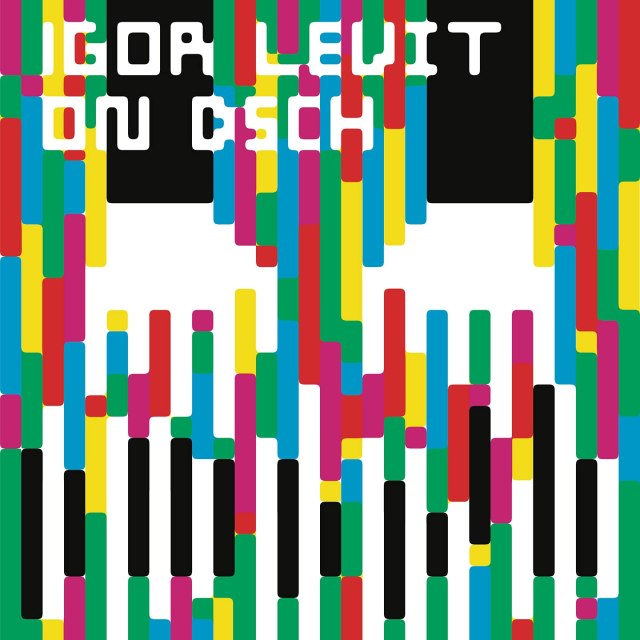
Vision, Virtuosity, and Interpretive Skill: Igor Levit’s “On DSCH” is an album I just can’t stop listening to. I raved about his earlier set of piano variations by Bach, Beethoven, and the late Frederic Rzewski and I look forward to this man’s musical vision as he expands the concert repertoire with works you probably haven’t heard or at least haven’t heard much. You owe it to yourself to watch this artist.
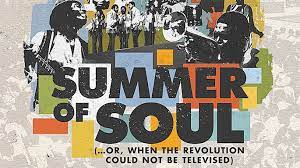
Black Artists Matter: The Resurrection of the Harlem Arts Festival, 1969 is one of the relatively few times when I write about so called “pop” music. It is wholly unconscionable that these filmed performances from 1969 (many of which predated Woodstock) languished for 50 years in the filmmaker’s basement and were nearly lost. One of the recurring themes in this blog is the lament over unjustly neglected music and this is a glaring example. I was delighted to see that the filmmaker Questlove received an award at the Sundance Festival for his work on this essential documentary of American music.
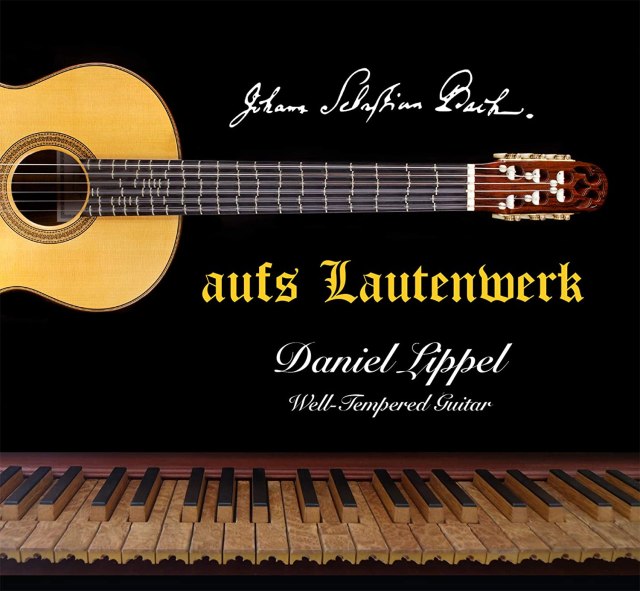
Less “flashy” but sublimely beautiful is Modern Tuning Scholarship, Authentic Bach Performance: Daniel Lippel’s “Aufs Lautenwerk”. This is a masterpiece of scholarship and a gorgeous recording on a specially made Well-Tempered Guitar played with serious passion and interpretive genius by a man who is essential to the productions of New Focus recordings as well as being a fine musician himself. Read the review or the liner notes for details but just listen. This is another one that I can’t stop listening to.
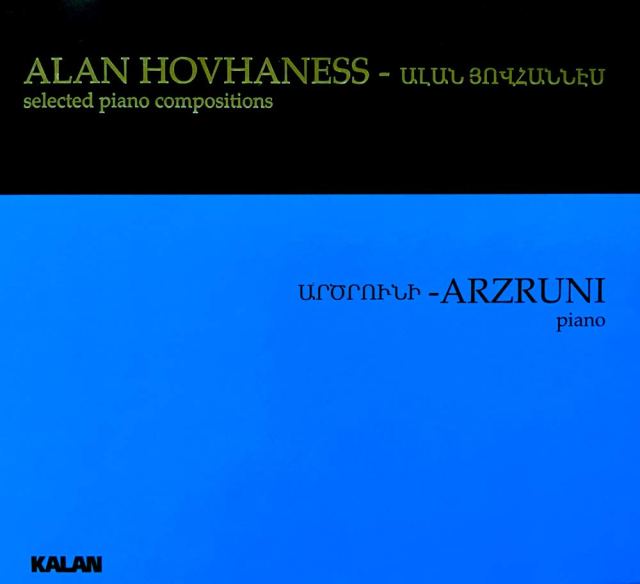
Unheard Hovhaness, this Sahan Arzruni album really rocked my geeky world. Arzruni, a frequent collaborator with Hovhaness turns in definitive performances of these previously unheard gems from the late American composer. A gorgeous physical production and a lucid recording make this another disc that lives on my “frequently played” shelf.
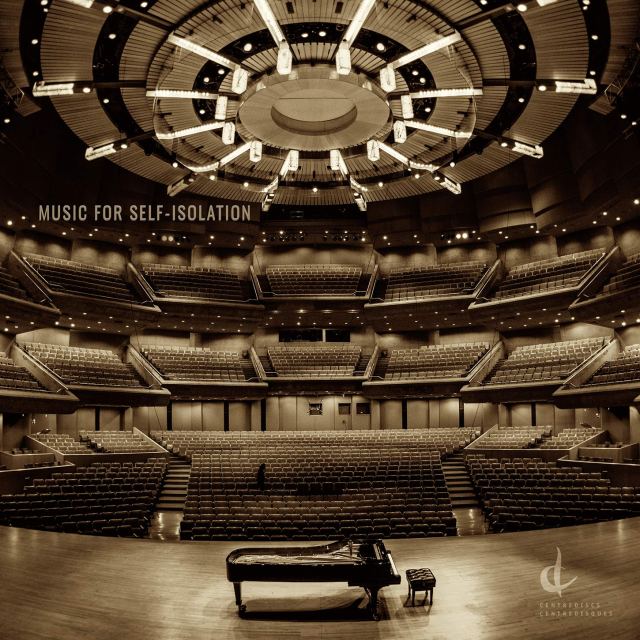
Only the Lonely, Frank Horvat’s “Music for Self Isolation” is yet another release from this emerging Canadian composer. This is one of my favorite COVID Isolation albums, a unique response to this pandemic from an eminently listenable and endlessly creative composer.
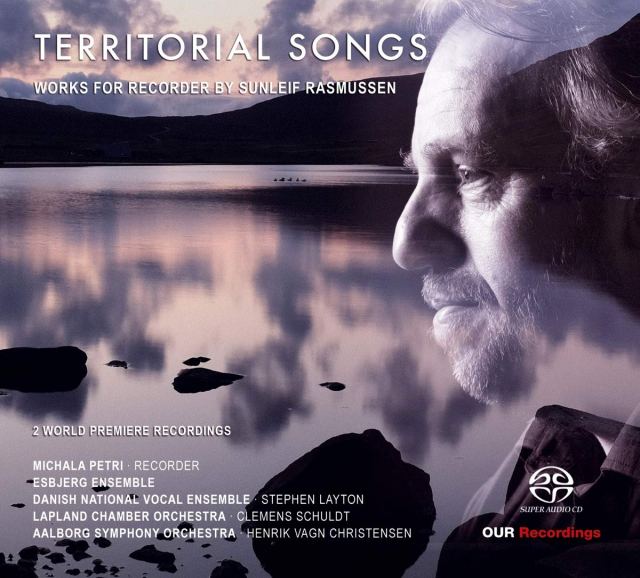
OUR 6.220674
New Music from Faroese Master Sunleif Rasmussen with soloist Michala Petri is an album of world premieres by this master composer from the Faroe Islands. It is also a tribute to the enduring artistry of Michala Petri. I had the honor and pleasure of meeting both of these artists some years ago in San Francisco and anything they do will demand my attention, they’re that good.
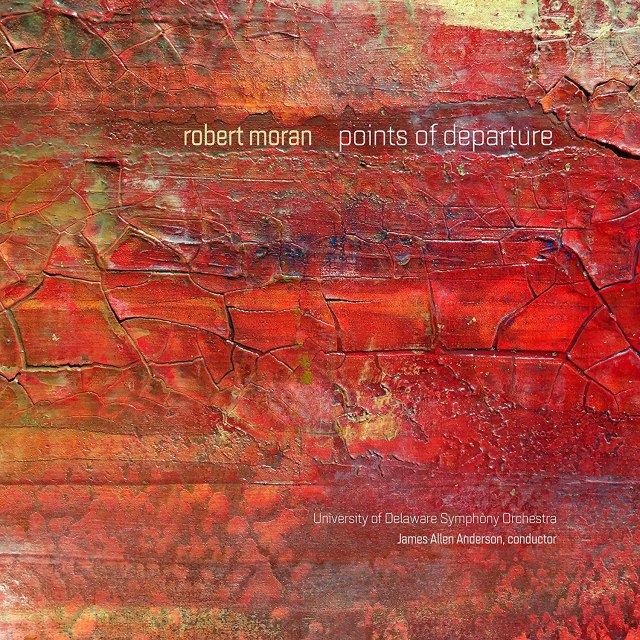
Last but not least, as they say, Robert Moran: Points of Departure is another triumph of Philip Blackburn’s curation on Neuma records. I have personally been a fan of Moran’s music since I first heard his work at the Chicago iteration of New Music America in 1982. Blackburn’s service to this composer’s work can be likened to similar service done by David Starobin at Bridge Records (who have embarked on complete works projects with several contemporary composers) and Tom Steenland’s work with Guy Klucevsek and Tod Dockstader at Starkland records. Blackburn had previously released the out of print Argo recordings of Moran’s work and now, at Neuma has released this and a few other new recordings of this major American composer’s work.
My apologies to the albums I’ve reviewed which didn’t make it to this year’s end blog but I have to draw a line somewhere. Peace, health, and music. And thank you for reading.
Pamela Z first came to this writer’s attention when the fine Starkland label under the very insightful guidance of Tom Steenland released a cutting edge, surround sound 5.1 DVD release in 2000 which featured her along with other similarly interesting musicians in a forward looking recording.
Starkland ST-213
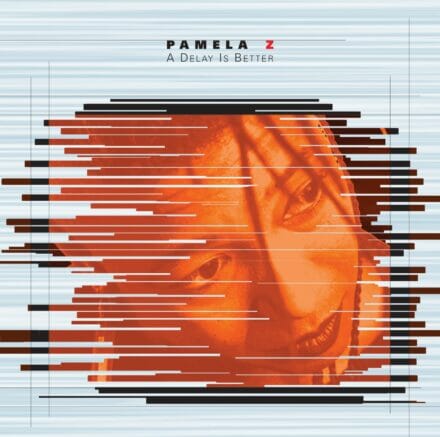
The first CD dedicated entirely to Ms. Z’s work was also a Starkland release (A Delay is Better, 2004) was quickly added to my music collection when I was still a Chicago resident. Since moving to California in 2005 I have had the pleasure of seeing Pamela’s work live on numerous occasions (something which I highly recommend). She is a fascinating performer to watch as well as hear. These releases are the only ones dedicated entirely to her work currently available to the general public though her crowd funded DVD, Baggage Allowance may be obtainable through her web site. Much of her presence on recorded media is as a collaborator so this new disc of largely new work is a truly welcome addition to her catalog and an opportunity to see a unique talent.
Pamela Z performing at Other Minds 23 in 2018
Her visual presence and gestures are an important part of her work but it is the hearing part with which we are concerned here. Philip Blackburn at Neuma records has chosen to release a new disc consisting of performances of more recent compositions. Z maintains a busy schedule of composing and performing world wide and her quirky creativity has not failed her. Let me say that I use the word “quirky” just to indicate that her work is unique, a technological expansion of the tired “one man band” cliché in which she uses a variety of compositional electronics (some made exclusively for her) to facilitate her uniquely recognizable style. It is difficult to describe her work in a way that can easily be understood without actually having heard her work. Suffice it to say that, generally speaking, she works with live recording and subsequent looping of those sounds. She is able to turn loops on and off as the piece progresses. Her texts come from a variety of sources, including found texts. And the presentation of these texts are sometimes sung and sometimes spoken.
She has had great success as a collaborator with spoken word narration, singing (she also has a beautifully trained soprano voice), and performing with other musicians. These collaborations are listed on her web site and are worth your time to explore.
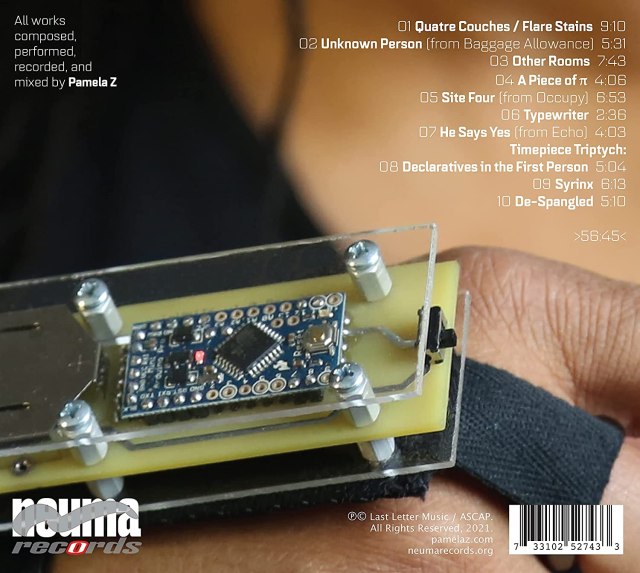
The photo of the back cover of this new album serves both to provide a listing of the tracks but also to display one of the wearable electronic devices mad for her which she uses (to pleasantly theatrical effect) in performance. From her web site: “She uses MAX MSP and Isadora software on a MacBook Pro along with custom MIDI controllers that allow her to manipulate sound and image with physical gestures.”
Z is a vocalist, an operatically trained singer and voice over artist who has pioneered the use of complex delay and looping systems to produce her work. She is apparently enamored of language (she has studied English, French, Italian, and Japanese). Her combination of spoken and sung passages combined with the looping/delay technology, and, increasingly, writing for other instrumentalists is the basic medium(s) with which she works.
In my mind she shares conceptual space with artists like Amy X Neuberg, Meredith Monk, and Diamanda Galas, at least that is the way I have them filed in my collection. In fact, each of these performers has their own distinct style and aesthetic, each a separate origin story. What they have in common in this listener’s mind is the fact that they are women, the fact that their voice is their primary instrument, and the fact that each uses that voice, sometimes with some augmentation, to achieve their compositional and performance goals. (I nurture a personal fantasy of some day hearing one or all of these women doing their cover of a piece like Rzewski’s “Coming Together” or some similar speaking pianist type work but that’s a topic for another blog).
The ten tracks on this release represent Ms. Z’s more recent work. Taken as a whole this album has an almost existential/apocalyptic character at times. There are 10 tracks ranging from about 4 to 10 minutes each and they span the years from 2003 to 2018 with one track from 1995. The overall feel of this is rather darker in tone than the Starkland disc but it also reflects her further artistic development and that alone is worth the purchase price. The album is recorded, edited, and mixed by the artist who also supplies the brief but clear and useful liner notes.
The first track, Quatre Couches/Flare Stains is a studio mix of two pieces (Quatre Couche from 2015 and Flare Stains from 2010), two works she has combined in her live performances. So this is mix is a 2021 artistic mashup reflecting what she has gleaned from her live performances and incorporating that learning into a new compositional experience.
Unknown Person (2010) is an excerpt from the aforementioned “Baggage Allowance” (2010) which uses found texts collected during the composition process as lyrics and is a work with many metaphorical dimensions that touch on existential ideas that touch us all.
Other Rooms (2018) is constructed around vocal samples of an interview with playwright Paul David Young.
A piece of π (2012) utilizes the first 200 digits which express the value of that mathematical constant. Z recounts further details of her process in the liner notes.
Site Four (2017) is a section of music which was composed for a dance work.
He Says Yes (2018) is an excerpt from music for a theater piece.
Typewriter (1995) is the outlier here. It is one of Z’s live performance staples which utilizes the beautifully designed MIDI controllers which she wears and which control the electronics as she moves her body through the performance space. Even without the visuals, one can get an idea of this seminal work and how it influenced her later developments.
The disc ends with a trilogy of works, The Timepiece Triptych, which consists of Declaratives in the First Person (2005), Syrinx (2003), and De-Spangled (2003). This trilogy is a virtual compendium of the techniques which Z has thus far developed. Using sampling, linguistics, spoken voice, singing voice, and her signature electronics this artist presents work which functions on many levels. It is entertaining, it is thought provoking, it is funny, it is sad, it is personal, it is self referential, it refers to us all. Denotation, connotation, musical/electronic alchemy, language (both spoken and sung) all come together to create art which is engaging and, watch out, sometimes subversive.
Though I earlier made reference to my filing preferences for this and (what I consider) similar artists there is, in the end no one quite like Pamela. She is the Alpha and the Omega, the A and, of course, the Z.







 New Music Buff