Though this was ostensibly Randall Goosby ’s show, the music making was a wonderfully integrated duo with pianist Zhu Wang, These two fine young musicians shared the virtuosic duties that the music in this concert demands. Both are clearly hard working and dedicated artists. Both have technical and interpretive prowess. And they clearly embody a mutual respect for each other.
Pianist Zhu Wang
The music on the program served to demonstrate the duo’s creative selection of music:
Coleridge-Taylor: Suite for Violin and Piano, op. 3 Brahms: Violin Sonata No. 2 in A Major, op. 100 (“Thun”) Still: Suite for Violin and Piano Price:Two Fantasies Strauss: Violin Sonata in E-flat Major, op. 18
Curiously, due to this reviewer’s lack of familiarity with the violin and piano repertoire and having written some recent reviews of black composers’ music, the only familiar pieces were two of the three pieces by black composers. Now, overall, this is a marvelously chosen set of pieces that reflect the eclecticism and technical skill of both of these musicians.
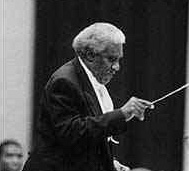
The classic Paul Freeman conducted set of music by black composers.
The Brahms was perhaps the most familiar to audiences but the other works were equally substantive and worthy of being heard. It is these rather visionary choices that characterizes this duo as fresh and innovative. In addition their obvious knowledge of the music along with their enthusiasm and affection for it conspired to make for a delightful evening and even nudged this reviewer to try to become more familiar with the violin and piano repertory in general.
Samuel Coleridge-Taylor (1875-1912) was a black British composer who has of late had a much needed revival of his music. He was named in honor of the celebrated British poet Samuel Taylor-Coleridge (1772-1834). During his rather brief lifetime, Samuel had been hailed as “the British Mahler but, after his death, his music lay largely fallow until revived by the late, great American black conductor, Paul Freeman (1935-2015). His revelatory series for Columbia records (now Sony) opened listeners’ ears to a fascinating selection of music by black composers internationally.
The Coleridge-Taylor opus 3 Suite for violin and piano (1893) is an early work cast in the high romantic late 19th century style of broad melodies and virtuosic demands. It served as the introduction to an intoxicating evening of (partly) seldom performed works alongside some fairly established works in the repertoire.
The Johannes Brahms (1833-1897) second violin sonata (of three) was written in 1879 and was named “Thun” after the Swiss city where he composed it. The three movements follow the classical fast, slow, fast structure common to this genre.
It is a product of high romanticism and it remains a staple of the repertoire. It, as with most of this composer’s music, is technically challenging for both instrumentalists. It was a fine vehicle to confirm the incredible technical skills of these young artists.
William Grant Still (1895-1978) was one of the finest composers of the early to mid twentieth century. Like Coleridge-Taylor and Florence Price (1887-1953), his music was lauded during his lifetime but was neglected until fairly recently in the aforementioned Black Composers set. These musical choices revealed another aspect of this delightful pair of musicians, that of being essentially musical archeologists uncovering forgotten gems much as Lord Carnarvan’s work availed the world to the marvelous Egyptian art of King Tut’s tomb.
Still’s Suite for Violin and Piano was inspired by three sculptures–Richmond Barthé’s African Dancer, Sargent Johnson’s Mother and Child, and Augusta Savage’s Gamin. Written in 1943, it synthesizes elements of blues, pop, and classical music to create musical description of this ethnically inflected visual art.
Richmond Barthé’s African Dancer
Sargent Claude Johnson’s Mother and Child (ca. 1932)
Augusta Savage’s Gamin
The three movements comprise essentially tone poems based on the visual artwork. It was after the second piece, depicting the Mother and Child sculpture that the spell cast by the duo’s that revealed the “Thrall” of this blog’s title.
Goosby embodies a calm and casual confidence and he let the audience know early on that it is OK to applaud after a single movement if you are so inclined. He has a warmth that put the audience at ease, embracing us in a most genial manner. There is, of course, nothing wrong with musicians who might seem more aloof but Goosby’s warmth was both generous and welcome. However, it became clear that this audience, after hearing that gorgeous second movement so beautifully played, paused in a seemingly hypnotic response to the impassioned performance that captured the beauty of the music. It felt as though we had become collectively and deeply engaged. That is the meaning of “thrall” and that was a beautiful experience that spoke of connections between composer, performers, and audience that represent the pinnacle of the art of chamber music performance. All three movements were wonderfully executed but that moment and the collective reaction was a truly moving experience.
Following a brief intermission we got to hear both of Florence Price’s two Fantasies for Violin and Piano (1933, 1940). Though I’ve become familiar with much of Price’s work (her three surviving symphonies and Goosby’s own reading of her two violin concerti have been released in the last couple of years) I had not heard these fantasies before.
Though written only seven years apart, the works embody distinctively different qualities. Both are certainly “capricious”, embodying a variety of moods, but the second is a bit longer and seemed to reflect the composer’s maturing style. Both works were enjoyable and seemed to please the audience.
This led us to the final work on the program, the Violin and Piano Sonata (1888) by Richard Strauss (1864-1949). Best known for his big orchestral tone poems and his grand operas, this was an early work which has found an audience due to its lyrical and friendly character.
It is cast in three movements, and it was at the end of the slow movement that we again saw/heard a sort of “agreed upon” silence in which the audience seemed to have shared a deep impact from that lovely movement played so passionately. No one applauded as a reverent silence came upon us.
The much busier third movement again presented the virtuosity and broad melodies of high romanticism. And there was applause and, much deserved standing ovations. It was a joy to have heard these talented and hard working musicians in an ecstatic night of chamber music.
Every solo artist, regardless of what instrument they play seeks to define themselves. Generally that means setting limits. Some set limits by specializing in an era (baroque, classical, etc.). Some specialize in working with electronics, some with jazz, some with experimental music, some with standard recital repertoire, etc. Seth Parker Woods (1984- ) seems almost unaware of such limits. He plays what he chooses. And, oh, what choices. From standard classics to the leading edge of musical creativity woods is poised at the beginning of a very promising career.
Seth Parker Woods (photo from his faculty page at USC Thornton School of Music)
This album is in fact the musical portions of what was produced as a staged presentation with Woods playing, singing, talking. No doubt something is lost without the staging but Woods’ asserts himself with great clarity on the sonic aspect alone. Think of this as a sort of cast album, though it is more than just a souvenir. It is Woods’ second album and it has this writer enthralled at where he may go next. You will be too.
Parker’s first solo release “asinglewordisnotenough” available on bandcamp reveals his dedication to new and recent music.
I feel privileged to have known this artist via digital media and to have watched with increasing interest his development as a true rising star in the new music world. I only recently acquired his first album via bandcamp. It was released “across the pond” when he was completing his Ph.D. at the University of Huddersfield.
Born in Houston, his father, a jazz and gospel singer, Woods was exposed to a great deal of music. He rehearsed in a home studio and somehow came to a fascination and deep appreciation for a wide variety of repertory.
His affiliations continue to be wide ranging from Peter Gabriel to George Lewis. He has appeared on many recordings but this is only the second disc dedicated entirely to Woods as performer and the first such solo efforts on a US label. Woods is apparently able and willing to tackle music of all eras and genres including the wildly experimental, like his “Ice Cello” homage to Charlotte Moorman and the theatrical, which brings to the the album at hand.
Track listing.
Four of the seven works presented are world premieres. And, despite this being a sort of “cast album” which lacks the visuals, this is a major release that presents a characteristic variety of musical choices and is a fine calling card for the artist. This is one classy production.
Frederic Gifford (photo from composer’s website)
He begins with the title track, “Difficult Grace” by Chicago based composer Frederic Gifford (1972- ). It is a setting of poetry by Dudley Randall subjected to some Cageian mesostic like manipulation. This first track tells us we are dealing with modern music and sort of sets the tone of this project. This is a complex work in concept (lucidly described in the composer’s notes) and involves projections of the texts onto the performer as well as electronics which, by careful use of both the sounds and the spoken text (spoken by the cellist) which then contributes to the musical structure. Photographs in the booklet show some of the striking visual design for this project.
Coleridge Taylor Perkinson (photo from Wikipedia)
Woods follows with what is to this listener a stunningly beautiful piece, “Calvary Ostinato” (1973) by the late, sadly neglected Coleridge Taylor Perkinson (1932-2004), a black American composer (actually represented admirably in a fine earlier Cedille release CDR 90000 087). The Ostinato is one movement from Perkinson’s “Lamentations: Black/Folk Song Suite For Solo Cello” (1973). Woods’ performance is available on YouTube. It’s truly enthralling. One gets the feeling that Woods really gets inside the music he performs and that deep feel for the music is delightfully obvious in this track, the second oldest work on the disc and one that is for the solo cello sans electronics or vocals but using a dazzling variety of extended instrumental techniques, none involving a bow.
Monty Adkins (photo from electro cd website)
Then we hear Monty Adkins’ (y. 1972- ) “Winter Tendrils” (2019) written for cellist who, in addition to playing his instrument, is asked to use his voice and work with electronics, albeit in a different manner than the title track. Adkins worked closely with Woods on the creation of this work. The work essentially an impressionistic piece with clever use of counterpoint to depict fresh fallen snow on the branches of a tree.
Nathalie Joachim (1983- ), a Haitian-American vocalist, flautist, and composer, is represented by two works. The first, “The Race 1915” (2019), a work that contributes to the Chicago centered Cedille label by its use of historical quotations from The Defender, a major and influential black newspaper in Chicago. Woods is again asked to use his vocal skills in this work which celebrates efforts to undo social inequalities.
The multitalented Joachim lends her vocal skills to Woods’ performance in Joachim’s second piece on the album, “Dam Men Yo” (2017). The title is Haitian Creole for “they are my ladies”. It is a sort of black feminist peaen celebrating the strength of the women with whom the composer was raised in her native Haiti. (NB: Haiti is the site of the only successful slave revolt in history, a fact that continues to be reflected in their turbulent politics).
Alvin Singleton (photo from Schott website)
In between those two pieces we get to hear perhaps the best known composer in this mix, Alvin Singleton (1940- ). Singleton is represented by “Argoru II” (1970) for solo cello (the Argoru series is a set of pieces for solo instruments akin to Luciano Berio’s “Sequenza” series). The title is from the Twi language (spoken in Ghana) and translates as “to play”. It is a virtuosic piece employing extended instrumental techniques which Woods accomplishes with almost supernatural ease. He does honor to this living elder statesman of American music.
Ted Hearne (photo by Jen Rosenstein from composer’s website)
And here we are back in Chicago now with Maestro Woods’ performance of a work by Chicago born composer Ted Hearne (1982- ), a name which did make it to this writer’s musical radar but one whose work I have just begun to explore. But this is a fine example of one of the reasons for my admiration for Woods’ scope of musical interest. I think he is one of those artists to whom I will turn to look for good new music. His instincts for repertory choices are amazing.
This is perhaps the most unusual entry on this disc as well as one that, if any controversy is forthcoming, it will likely originate with this set of songs to poetry by Keri Alabi. A casual listen to some of Hearne’s music on YouTube suggests a sort of post minimalist ethic but this last work is not discernibly minimal. Like the music that preceded it, this cycle is overtly about politics and equality.
Hearne’s little 6 movement song cycle is a combination of poetry, electronics, cello (of course), and the voice of said cellist. Hearne’s expletive title, “free fucked”, is apparently very much in line with the composer’s assertive and playfully humorous style.
We return in these tracks to the avant garde and complex with which the album opened. Again we have a multitasking role for the cellist demanding his vocal participation and working in a distinctly electroacoustic genre. Hearne lends his voice to the final track of this unusual work.
While political themes and references abound in this release it is as much about black politics and civil rights as well as feminist, gender, and global equality issues. But ultimately this recording is a landmark in the career of this fine young musician who works fearlessly with a variety of composers, poets, designers, political activists, progressive ideas, and new music in general.
Cedille is one of my top favorite new music record labels and has been since they first started in 1987. Their releases (not limited to new music) are consistently well recorded and produced but producer James Ginsburg really pulls out all the stops on this one. From concept to recording, from lucid liner notes to gorgeous package design this has all the marks of a classic and collectible release. I mean, the music is great, but the whole package is something you’ll want to own. That’s right, I’m calling for “collector’s item” status here. Now is the time to get your copy.
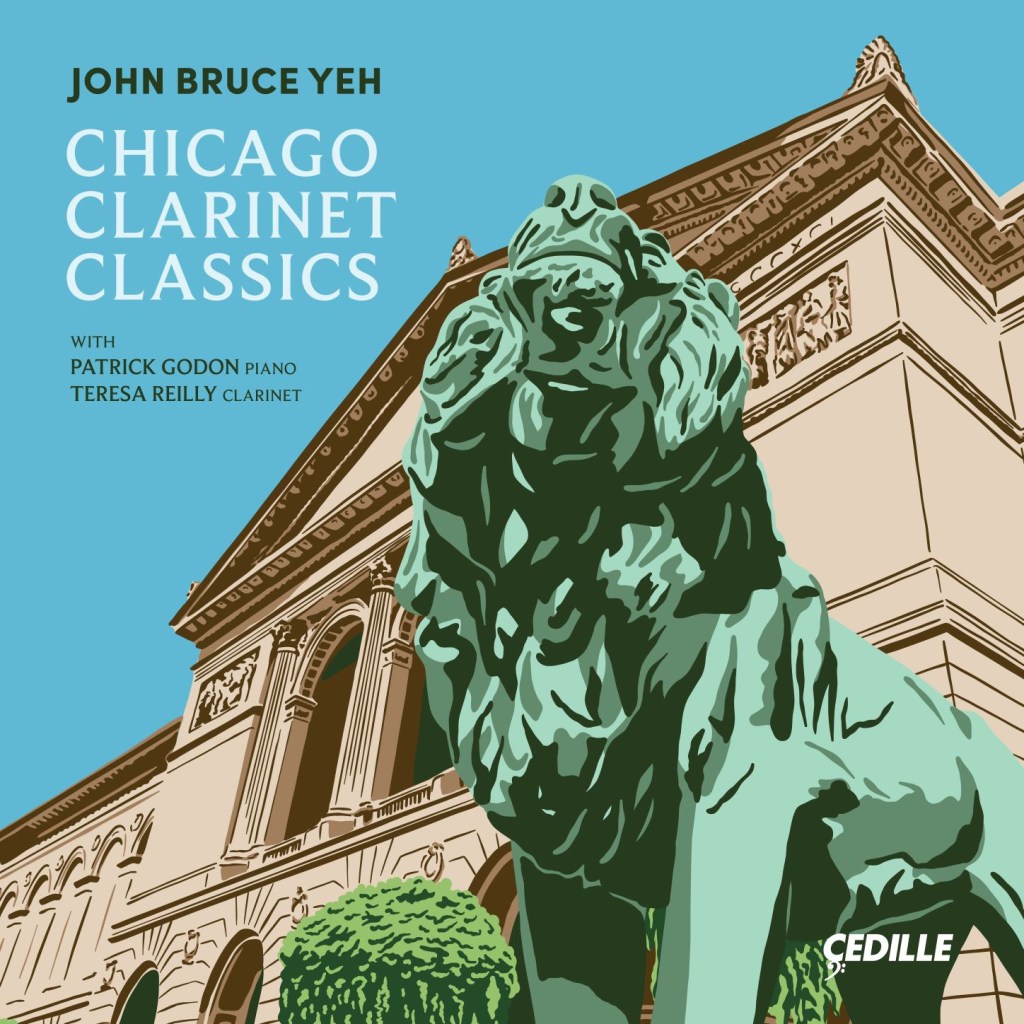
Professor Yeh has been assistant principal clarinet with the Chicago Symphony since 1977 when he was just 19. As a former Chicagoan I can recall that Yeh’s hiring seems to have marked a change in the more traditional image of an orchestral musician. In addition to being an inspiration to aspiring musicians of Asian heritage his media presence also drew interest from both listeners of Asian Heritage but also young listeners (I turned 21 when he was hired and was pleased to find an artist who communicated to me and my age group).
In addition to his duties with the CSO, he has actively supported music and music making in his adopted home town. It is his support for local composers that he showcases here. This disc features music by Alexander Tcherepnin (1899-1977), Stacy Garrop (1969- ), Leo Sowerby (1895-1968), Shulamit Ran (1949- ), Teresa Reilly (1976- ), and Robert Muczinski (1929-2010).
Alexander Tcherepnin, whose father Nikolai was a student of Rimsky-Korsakov, and whose sons, Serge and Ivan, along with grandsons Sergei and Stephan are all highly accomplished composers comprise a multigenerational artistic dynasty of sorts. Russian born Alexander taught in Chicago thus qualifying him for inclusion in Cedille recordings’ mission to promote artists with a “second city” connection. He is well represented in recordings but is less present in the concert hall these days. His brief Sonata in one movement for clarinet and piano (1939) takes the first track on this fine chamber music release. It is a deservedly popular recital piece with a style that sounds a bit like Shostakovich, one of his contemporaries.
Stacy Garrop is a favorite of this reviewer. Her work has been reviewed elsewhere in this blog. She is a freelance composer of immense talent and skill. Her work is featured on at least 12 Cedille albums as well as other labels. Phoenix Rising (2016-18) was originally for alto saxophone (subsequent versions were made for flute and for violin) is presented here in a world premiere transcription for clarinet. As with all her music, Garrop shows herself to be a master of color and texture. She uses both traditional and extended techniques to achieve her compositional visions. These can be challenging for performers but the end result is always worth the effort. Garrop derives inspiration, as she frequently does, from world mythology. Here, of course, the familiar Phoenix bird that lives some 500 years and rises again from the ashes of its funeral pyre.
Leo Sowerby, long associated with Chicago as an organist, composer, and teacher, is represented here by his 1944 clarinet sonata (here in its world premiere recording). Written in the year which saw him win the Pulitzer Prize for music (for Canticle of the Sun), this sonata takes on near symphonic dimensions in its four movements. Sowerby is generally well represented on recordings (8 discs on Cedille alone). His lyrical writing is expressive and accessible and it is perhaps just a matter of time before someone orchestrates this work to present it as a concerto. At just a bit under 30 minutes, it is the largest work on this release.
Shulamit Ran, Israeli/American composer and pianist, student of the great Ralph Shapey, 1991 Pulitzer Prize winner (for her 1989-90 Symphony), Andrew MacLeish Distinguished Service Professor Emerita at the University of Chicago is represented on this recording by her Spirit for solo clarinet (2017). The work is dedicated to the composer’s friend, clarinetist Laura Flax (1952-2017). This is its world premiere recording. Ran’s music has gotten some recordings but her large and substantial orchestral works like the Symphony and a fine Concerto for Orchestra remain unavailable on recordings (even more egregious is the general lack of representation of her mentor, Ralph Shapey’s music). This solo clarinet work is a testament to her compositional talents. Here’s hoping we get to hear more.
Teresa Reilly is a clarinetist, composer, and life partner of Mr. Yeh. The Forgiveness Train (2020) is described as, in part, a response to the COVID epidemic (Yeh notes that much of this album is similarly inspired). The three movement work is essentially a sonata with a loosely poetical program. It is a lyrical work with nods to minimalism and jazz. This is the world premiere recording.
The disc concludes with the four movement Time Pieces for clarinet and piano (1983). This work (the second longest on the disc) is, like the Sowerby piece, substantially a concerto that waits an orchestrator for the piano part. Robert Muczinski, Chicago born composer studied under Alexander Tcherepnin whose music opens this release. The Opus 43 work was commissioned and premiered by former CSO principal clarinet Mitchell Lurie with Muczinski at the piano.
Mr. Yeh is, as always, a joy to hear. He is most ably supported by pianist Patrick Godon on piano (tracks 1, 4-7, and 12-15) and, of course by (more properly with) Teresa Reilly (tracks 9-11). This release, from the Art Institute depicted in (Chicago artist) Steve Shanabruch’s distinctive cover art to the composers represented, is pure Chicago in the best ways.
This is the third volume in the Catalyst Quartet’s wonderful and insightful survey of neglected works by black composers. The first focused on music by the black English composer Samuel Taylor Coleridge (1875-1912), the second on music of late nineteenth to mid-twentieth century American composer Florence Price (1887-1953). The present disc focuses on the works of three men whose musical careers were entirely in the twentieth century: William Grant Still (1895-1978), George Walker (1922-2018), and Coleridge-Taylor Perkinson (1932-2004).
William Grant Still is roughly contemporary with Aaron Copland (1900-1990). Copland has often been called the “Dean of American Composers” and Still has been called the “Dean of Afro-American Composers”. Such honorifics, while well intended, do nothing to describe the true depth and significance of either of these composers.
Similarly their best known works, Copland’s “Appalachian Spring” (1944), and Still’s “Afro-American Symphony” (1930) are fine pieces of music but cannot represent the whole of their respective authors’ outputs. Both produced quite a bit of music and went through stylistic changes as their artistic sensibilities evolved. Copland’s oeuvre is pretty well documented, allowing listeners to grasp its entirety while Still’s work has not enjoyed the same distinction. That is changing, slowly, and that is reason to celebrate.
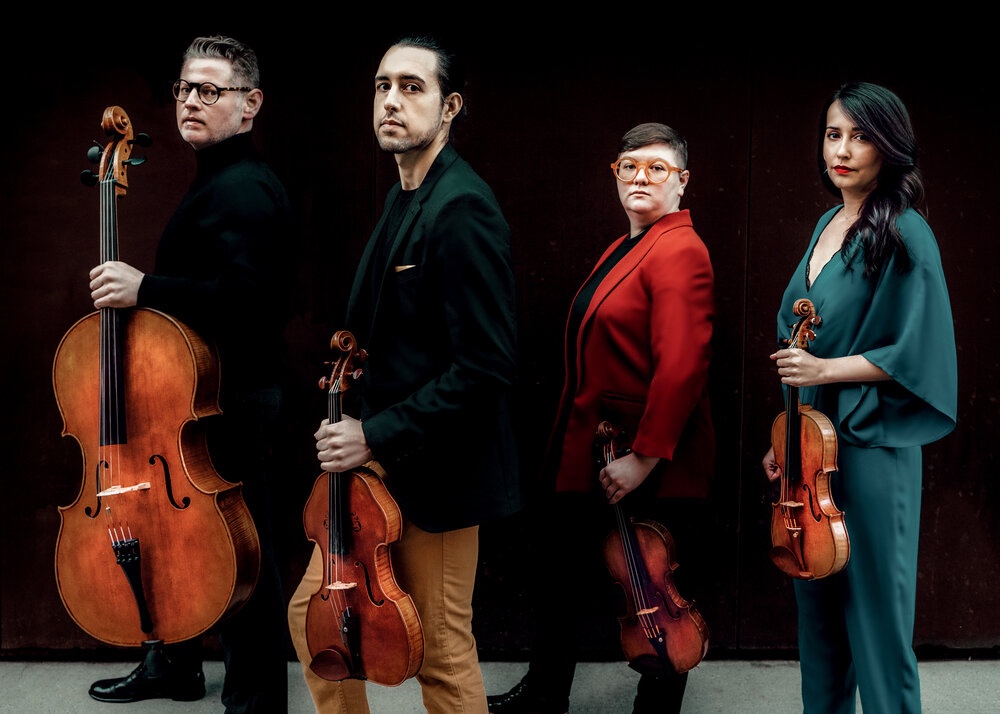
The Catalyst Quartet (Karla Donehew Perez, violin; Abi Fayette, violin; Paul Laraia, viola; and Karlos Rodriguez, cello) from their website
Still is represented here by his “Lyric Quartette” (published in 1960 but likely written 1939-1945). These three movements for string quartet are intended to represent a plantation, the mountains of Peru, and a pioneer settlement, respectively. This appears to be the first commercial recording of the work, a set of vignettes (Still never wrote a string quartet as such) seemingly published as an afterthought after looking back over his files. That’s not to denigrate the music. It is finely crafted and reflects a composer closer to the folk eclecticism of his contemporaries William L. Dawson (1899-1980) whose use of folk idioms resembles that of Aaron Copland (1900-1990) and Virgil Thomson (1896-1989), two white contemporaries (rather than his later more post romantic style). These composers’ use of folk idioms and the comforting tonal harmonies, very much in vogue when the music was first written, sound rather old fashioned in their year of the Lyric Quartette’s publication. Nonetheless, it is a vital work in understanding Still and his development as a composer. This would make for a great encore or second selection following a Haydn or Mozart Quartet.
George Walker was a sought after concert pianist and he forever holds the distinction of being the first Black American to be awarded the Pulitzer Prize in music (for his 1996 “Lilacs” for voice and orchestra). I learned from one of my personal favorite Chicago broadcasters that he, Bruce Duffie (WNIB host 1975-2001) played Walker’s “Lyric for Strings” (1946, orch. 1990) as the final sign off music at the closing of the beloved independent station (reportedly very satisfying to that terminal audience). The link provided is to a transcript of his subsequent conversation he had with Walker in 2001, worth your time to read.
So what does all this have to do with this release? Well, that, “Lyric for strings” is actually Walker’s orchestration for string orchestra of the second movement, “molto adagio“ of his three movement String Quartet No.1 (1946) “Lyric”. Samuel Barber garnered a great audience with his “Adagio for Strings” from the molto adagio of his String Quartet (1935-36).
The outer movements (1 and 3) of Walker’s quartet (carefully conceived and thoughtfully developed at length) frame the beautiful adagio with a passionate elaborately developed allegro and a high energy, virtuosic finale (much as in the Barber work). The quartet’s title, derived from the slow movement which was originally titled “lament” is dedicated to Walker’s grandmother, a former slave. A very different perspective of America, for sure, but a truly spectacular example of string quartet writing.
I wrote my review in chronological order to clarify my narrative but the actual track order is:
Allegro vivace Lyric Quartet William Grant Still (1895-1978)
The Sentimental One
The Quiet One
The Jovial One String Quartet No. 1 “Lyric” George Walker (1922-2018)
Allegro
Molto adagio
Allegro con fuoco
So String Quartet No. 1 “Calvary” (1956) by Coleridge-Taylor Perkinson is leaving the most recent for last. This work, shares with the other two it’s having been written fairly early in the composer’s career (he was about 24 when he wrote this piece, Still was in his 40s and Walker about 24 when they wrote their respective quartets). So Catalyst adheres to these important but early utterances from these three important artists. And for clarity the name permutations we encounter here comprise: Samuel Taylor Coleridge (1772-1834) is the English poet, Samuel Coleridge-Taylor (1875-1912) is the black English composer honorifically named after that poet, and Coleridge Taylor Perkinson (1932-2004) the black American composer honorifically named in honor of said English composer.
This is another outstanding but neglected American composer who happens to be black. This fine string quartet is defined by its serious tone and elaborate development in a passionate romantic tonal idiom. Of course the composer shares his prominent jazz (Perkins was nothing if not eclectic) influences in rhythms and harmonic structure. Based loosely on the hymn, “Calvary” from which it takes its name, it was actually premiered in Carnegie Hall as part of a memorial for composer and baritone Harry T. Burleigh (1866-1949). The opening allegro is a searching and unsettling matter followed by a calming slow movement characterized by an incessant pizzicato repeating figure. The finale, a touch more hopeful sounds almost improvisatory at times much in the manner of some jazz forms. Truly another outstanding example of good string quartet writing. This is powerful music!
These recordings are both beautifully done and, arguably, definitive in their interpretation of these delightful and essential additions to the quartet literature. The Catalyst does a fine and honorable job in their ongoing mission to reclaim forgotten gems such as these for present and future listeners. Thank you for that. Please keep working on this body of work lest it be lost to history.
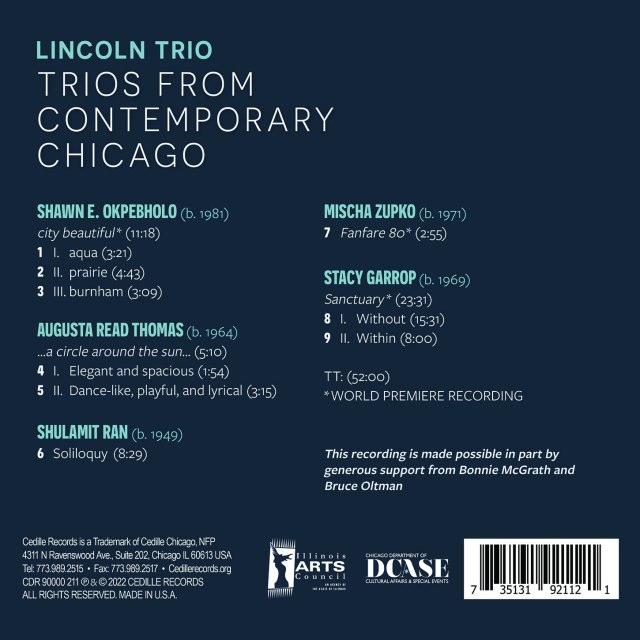
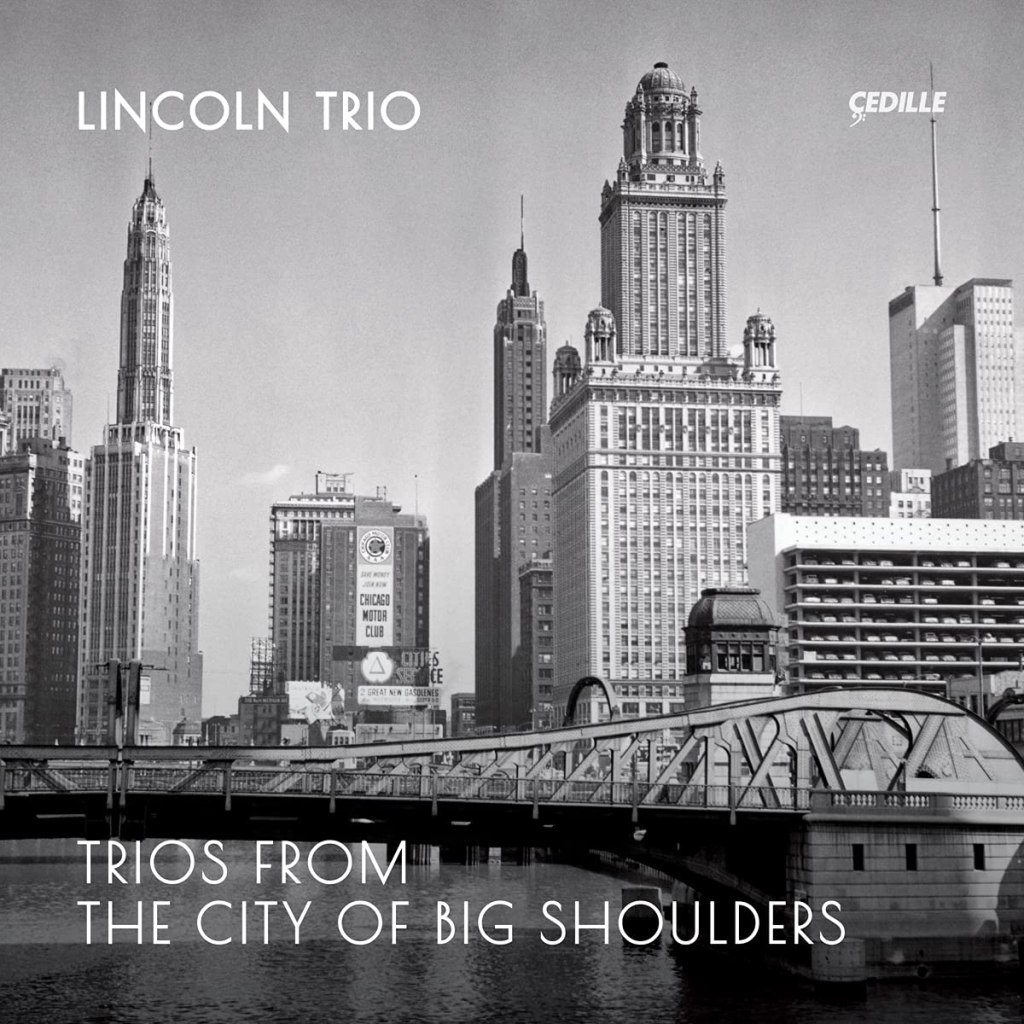
This is another entry in an ongoing series of music for piano trio by the tried and true Lincoln Trio. In this fine release they play a delightful collection of five works (three are world premiere recordings) by living composers. This is their eighth Cedille release by my count. It is the second recording of piano trios from Chicago based composers, a follow up to their previous survey of early to mid-twentieth century piano trios, Trios from the City of Big Shoulders.
The five works presented here are but a sampling of the available repertoire from Chicago based composers. That said it is a fine sampling of the current state of the art and one would do well to explore more of the music of all these composers.
The first selection is the three movement, “city beautiful” (2021) by the American composer of Nigerian/American Heritage, Shawn E. Okpebholo (1981- ), a world premiere recording. The title is taken from that of the 19th century initiative that helped build the now familiar skyline which had been ravaged by the 1871 Chicago Fire.
Okpebholo is no stranger to this blog. His fine album of spiritual arrangements Steal Away (2016), and his contributions to Will Liverman’s album, “Dreams of a New Day” (2021) revealed his interest in and expertise with spirituals and art song. “city beautiful” by contrast is essentially three tone poems inspired by Chicago architecture, perhaps one of the city’s finest distinctions. The three movements, aqua, prairie, and burnham are effectively homages to architects Jeanne Gang (whose Aqua Tower is a most recent major addition to the famous skyline), Frank Lloyd Wright (whose Robie House is a classic example of the “prairie school” design), and Daniel Burnham (whose 19th century designs define the famously beautiful lakefront and the iconic Union Station).
Opkebholo’s idiom is basically tonal and could be characterized as post romantic. But regardless of how you categorize it the music is eminently listener friendly and a fine vehicle for the estimable Lincoln Trio. This is the work of a rapidly emerging composer with both substance and style. Keep his name on your radar. I expect to hear much more from this talented and prolific composer who currently holds a professorship at Wheaton College in that western suburb of Chicago.
Next is a two movement work by Augusta Read Thomas (1964- ) entitled, “…a circle around the sun” (2021). This work was a commission by the Children’s Memorial Foundation for the Amelia Piano Trio in honor of George D. Kennedy. Thomas has long been a fixture in Chicago’s music life where she was a composer in residence with the Chicago Symphony from 1997-2006. She is currently professor of music at the University of Chicago and a former professor at Northwestern University. Her work also tends toward the tonal idiom and this rather brief two movement work is a fine example of her writing for chamber ensemble.
“Soliloquy” (2003) by the truly fine, if still too little known, Shulamit Ran (1949- ), an Israeli born American composer. She was a student of the esteemed Ralph Shapey (1921-2002) to whom she dedicated her Pulitzer Prize winning Symphony (1990). The composer states in her liner notes that the origins of this work come from her opera “Dybbuk”. It is a pleasant piece perhaps less complex and more lyrical in sound than some of her larger works. Ran was professor of music at the University of Chicago from 1973 to her retirement in 2015.
Mischa Zupko (1971- ) contributes the briefest work to this collection. Clocking in at just under three minutes, “Fanfare 80” (2010) was written in celebration of the 80th anniversary of the Music Institute of Chicago. The brevity here belies the complexities within this ear catching piece.
The album concludes with a substantial two movement work (just over 23 minutes), “Sanctuary” by Stacy Garrop (1969- ) is the work of another prolific composer whose work is, happily, getting much deserved recognition. The 2016 recording of her wonderful orchestral work was reviewed in these pages. Garrop’s work is invariably kinetic and deeply felt with a dramatic flair. Garrop was on the composition faculty of Roosevelt University in Chicago from 2000 to 2016 and is now a freelance composer.
The usual audiophile production (Bill Maylone, engineer) which characterizes Cedille releases is evident here. This is a fine sampling of music which is roughly representative of the musical riches producer James Ginsburg has mined from the “city beautiful”.
Were it not for the wishes of some of my valued readers I would not produce such a list. It has no more validity other than, “These are my personal choices”. But there is some joy to be had in contemplating these past 12 months as I have lived them on this blog. So here goes.
My home base is in California, about 90 miles north of Los Angeles though I sometimes travel for work
First I have to tell everyone that March, 2022 will mark the 10th anniversary of this blog, a venture which has been a rich and exciting one. Future blogs will soon include, in addition to album/concert reviews, some articles on subjects which I hope will be of interest to the select group of people who read this material and who share my interest in this music (which I know can be anywhere from difficult to repulsive to many ears). But I have deduced that my readers are my community, a community of kindred spirits freed from the boundaries of geography, a number rather larger than I had imagined was possible and one that I’ve come to cherish. Bravo to all of you out there.
Since February of 2021 I have worked periodically in Washington State, not in a cabin in Mt. Rainier National Park but in Tacoma, just south of Seattle.
COVID 19 has reduced the number of live performances worldwide and I have not attended a live performance since early 2020. But, happily, musicians have continued to produce some amazing work, some of which gets sent to me, and a portion of that gets to be subjected to the analytic scrutiny of my blog.
My lack of attention to any music should never be construed as deprecatory, rather it is simply a matter of limited time to listen. So if I have provided a modicum of understanding or even just alerted someone to something new I am pleased and if ever I have offended, I apologize. All this is my personal celebration of art which has enhanced my spirit and which I want to share with others. Look what Ive found!!!
So, to the task at hand (the “best of” part):
The formula I’ve developed to generate this “favorites retrospective” has been to utilize WordPress’ useful statistics and look at the top viewed posts. From these most visited (and presumably most read) articles I produce a list of ten or so of my greatest hits from there. Please note that there are posts which have had and continue to have a fairly large readership from previous years and they’re not necessarily the ones I might have expected but the stats demand their inclusion here.
Following that I then toss in a few which are my personal faves (please read them) to produce what I hope is a reasonably cogent and readable list. Following my own description of my guiding principles I endeavor to present the perspective of person whose day job and energies are spent in decidedly non-musical efforts but whose interest and passion for new music drives this blog where I share those interests.
As a largely self taught writer (and sometime composer) I qualify my opinions as being those of an educated listener whose allegiances are to what I perceive as pleasing and artistically ideal based on my personal perception of the composer’s/performer’s intent. I am not a voting member for the Grammys and I receive no compensation for favorable reviews. I have the hope/belief that my blogs will ultimately garner a few more listens or performances of art that I hope brings my readers at least some of the joy I feel.
New Music Buff’s Best of 2021
As of this writing I have published 37 blog posts in 2021. COVID, job and personal stressors have resulted in my failing to post at all in December, 2020, January, June, and July of 2021. And only one post in February, 2021. Surprisingly I have managed to get just over 9300 views so far this year (a little more views than last year actually) and it is my plan to publish 4-5 blogs per month going forward into my tenth year.
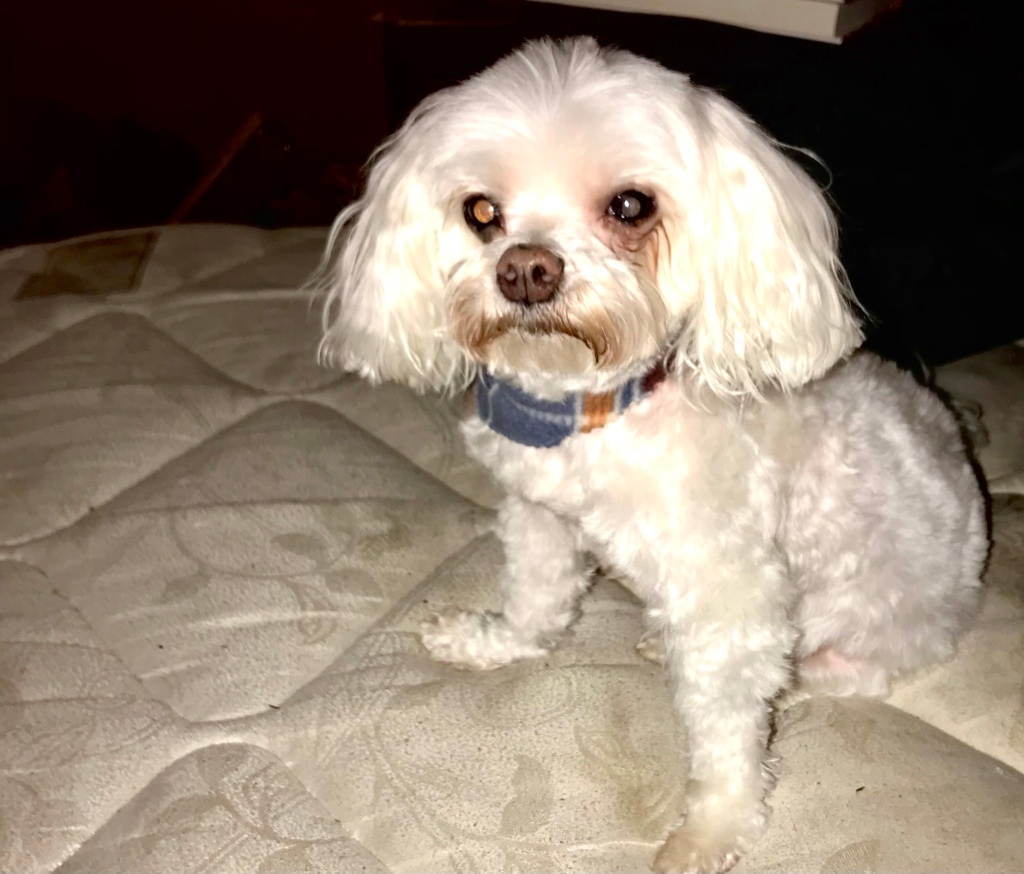
Me with my listening buddy, Clyde
Not surprisingly, most of my readers are from the United States but I’m pleased to say that I’ve had hits from 192 countries at last count. Thanks to all my readers, apologies to the many countries who didn’t make the cut this year (you’re all welcome to try again in 2022). So, following the United States here are the subsequent top 25 countries who have viewed the blog:
Canada, United Kingdom, Germany, China, France, Netherlands, Spain, Australia, Ireland, India, Italy, Turkey, Nigeria, Japan, Brazil, South Korea, Denmark, Belgium, Sweden, Finland, Russia, Poland, Philippines, Ghana, Norway.
Top Ten Most Read of 2021
The following are the most seen articles of 2021. Some of these are articles whose popularity surprise me as they were written some time ago and are not necessarily, in my opinion, my best work. But readership is readership and I am grateful for that.
Top article, Linda Twine, a Musician You Should Know. Twine is a musician and composer who has worked for some years in New York theater. I chose to profile her and I guess she is well liked because this article from 2018 is one of my top performers. Kudos, Ms. Twine.
Next up is, The Three Black Countertenors, an article suggested by my friend Bill Doggett whose website is a must visit for anyone interested in black classical musicians. This one, from 2014, continues to find readers. It is about the first time three black countertenors appeared on the same stage. Countertenors are themselves a vocal minority when considered in the company of sopranos, baritones, tenors, contraltos, and basses. Being black adds another level of minority in the world of operatic voices so this was indeed historic.
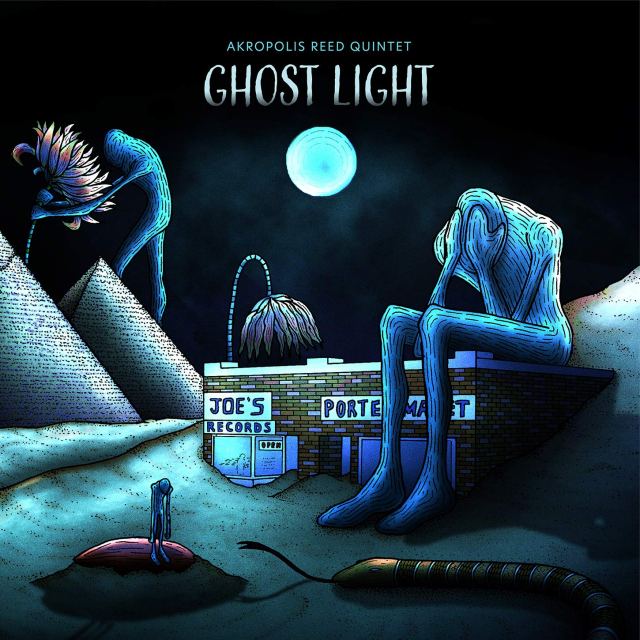
Art and the Reclamation of History is the first of the articles written this year to make the top ten most read. It is about a fabulous album and I hope more people read about it. This Detroit based reed quintet is doing something truly innovative. You really need to hear this.
Centaur CRC 3836
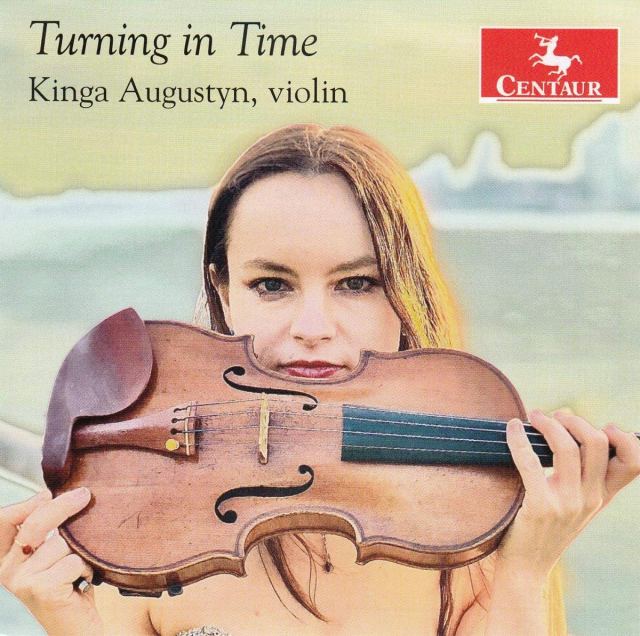
Number four is another from this past year, Kinga Augustyn Tackles the Moderns. This album, kindly sent to me by the artist is worth your time if you like modern music. This young Polish/American violinist has both technique and vision. She is definitely an artist to watch.
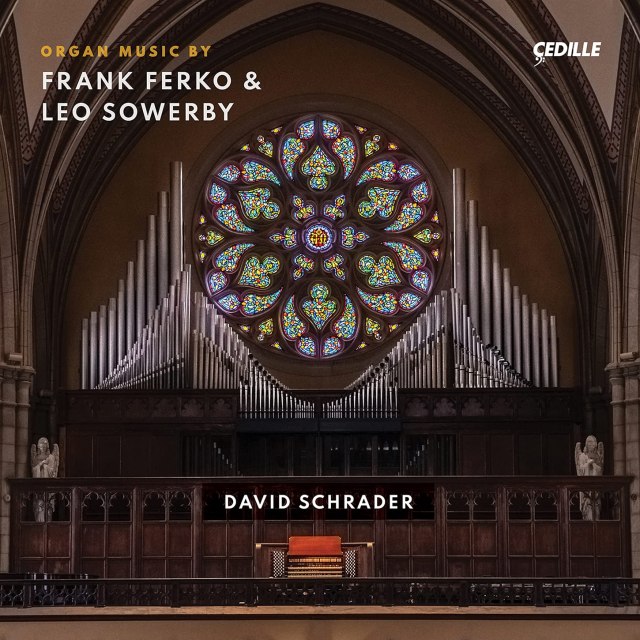
Number five is a truly fabulous album from Cedille records, David Schrader Plays Sowerby and Ferko. This double CD just fires on all cylinders, a fine artist, excellent recording, interesting and engaging repertoire, amazing photography, excellent liner notes, and love for all things Chicago. This one is a major classic release.
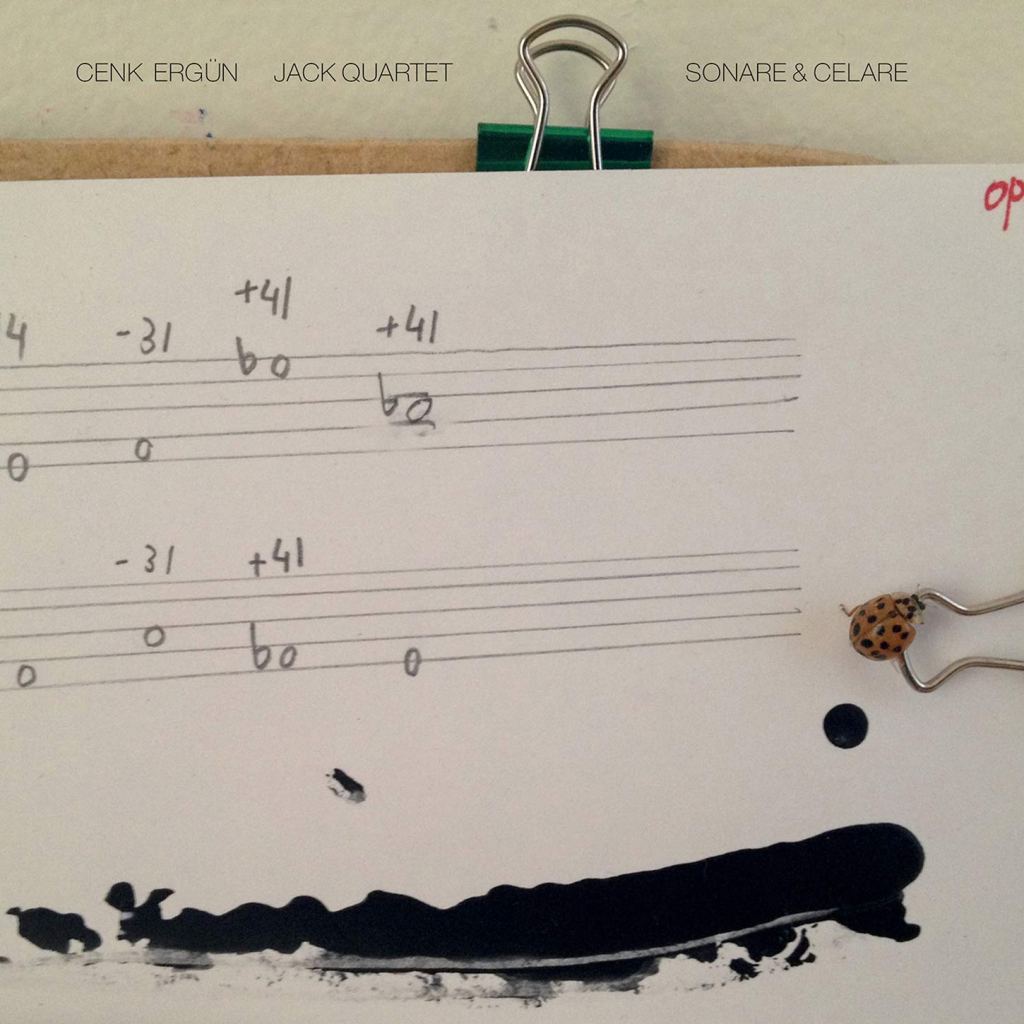
The Jack Quartet Plays Cenk Ergun was a pleasant surprise to this blogger. The Jack Quartet has chosen wisely in deciding to release this recording of new string quartet music by this young Turkish composer of serious substance. I’m glad that many folks read it.
Number seven on this years hit list among my readers is another album sent directly to me by the artist, one whose work I had reviewed before.
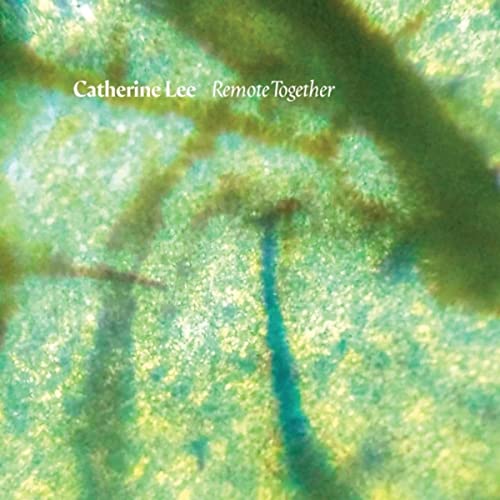
Catherine’s Oboe: Catherine Lee’s New Solo Album, “Alone Together” is among the best of the COVID lockdown inspired releases that flooded the market this year. It is also one of the finest examples of the emerging latest generation of “west coast” composers. Dr. Lee is a master of the oboe and related instruments and she has been nurtured on the artistic ideas/styles that seem to be endemic among composers on the west coast of the United States. She deserves to be heard.
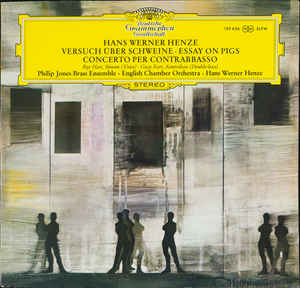
Number Eight is an article from 2014, Classical Protest Music: Hans Werner Henze’s “Essay on Pigs” (Versuch uber Schweine). This 1968 noisy modernist setting of leftist political poetry combines incredible extended vocal techniques with the dissonant modernism of Hans Werner Henze’s work of that era. Also of note is that his use of a Hammond Organ and electric bass guitar was allegedly inspired by his having heard the Rolling Stones. It’s a classic but warn anyone within earshot lest they be terrified.
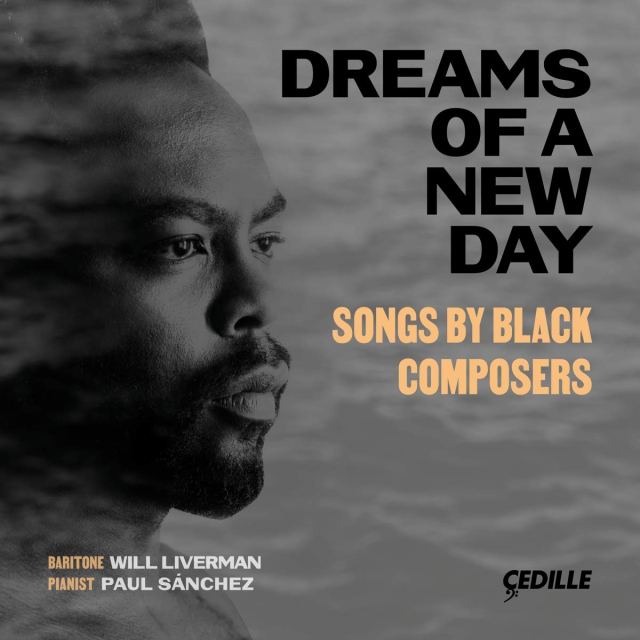
“Dreams of a New Day”, a Landmark Recording Project from Cedille is a virtual manifesto/survey of art song by black composers. Liverman is an amazing singer and the recording by my favorite Chicago record company is pure beauty. This 2021 release ranks ninth among my most read blogs from the past 12 months.
As it happens there is a three way tie for the number ten spot:
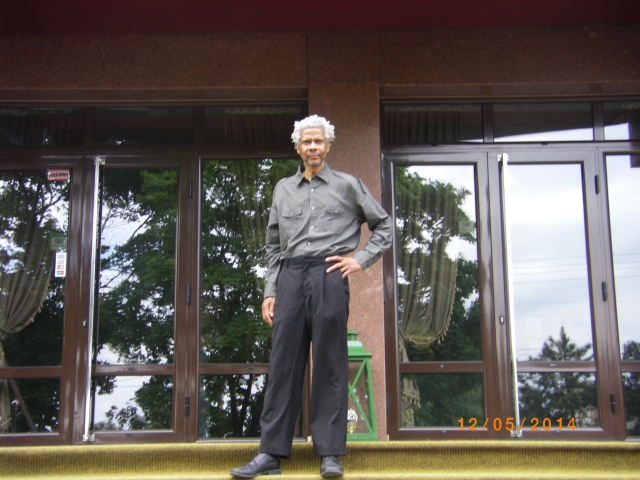
Black Composers Since 1964: Primous Fountain is one of a short series of articles I wrote in 2014. I used the date 1964, 50 years prior to the date of the blog post, because it was the year of the passing of the (still controversial) voting rights act. As a result of this and a few related articles I have found myself on occasion categorized as a sort of de facto expert on black music and musicians. I am no expert there but I have personally discovered a lot of really amazing music by black composers which is way too little known and deserves an audience.
Primous Fountain arrives in Moldova to oversee the performances of his music.
I am pleased to tell you that this too little known composer (and fellow Chicagoan) is being recognized by no less than Michael Tilson Thomas who will conduct an entire program of his works in Miami next year. If my blog has helped in any way then I am pleased but the real honors go, of course, to Mr. Fountain and Mr. Thomas (who first conducted this composer’s music many years ago). Stay tuned.
My “comeback blog”, The Loneliness of the Long Distance Blogger was written to sort of reintroduce myself to the blogosphere and provide some background (excuses?) for my absence. I guess it was a decent read.
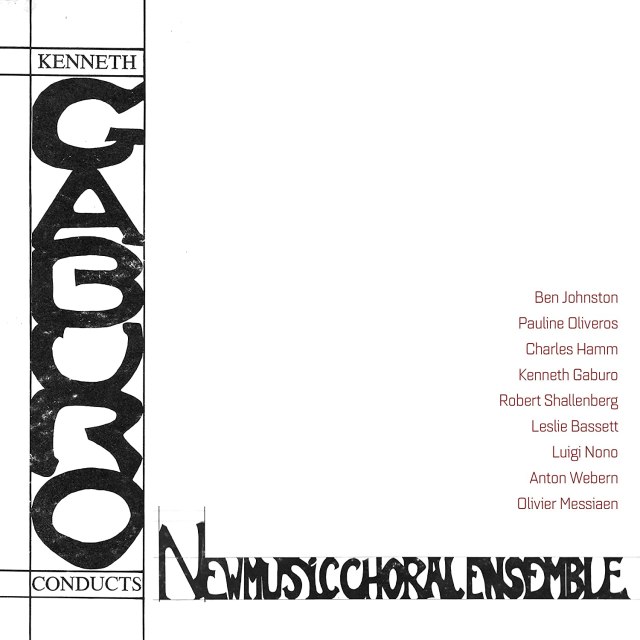
And the third contender for my tenth most read of 2021 is, Kenneth Gaburo, the Avant-Garde in the Summer of Love. This is among the first volley of releases on the revived Neuma label with Philip Blackburn at the helm. Blackburn’s instincts guided Innova records to release many wonderful recordings of music rarely on the radar of larger record companies and this first volley was a harbinger of even more wonderful releases to come. Just do a Neuma search and see what I mean.
The Ones That Didn’t Make the Top Ten
I would be negligent and boringly formulaic to simply report on these top ten. This is not a democratic blog after all, lol. So here are my choices for the ones that many of my dear readers may have missed and should definitely check out. It is anything but objective. They are, in no particular order:
Solo Artist Pamela Z releases “a secret code”. This is another Neuma release, one of a truly original and interesting artist who pretty much defies categories but the territory she explores will amaze you.
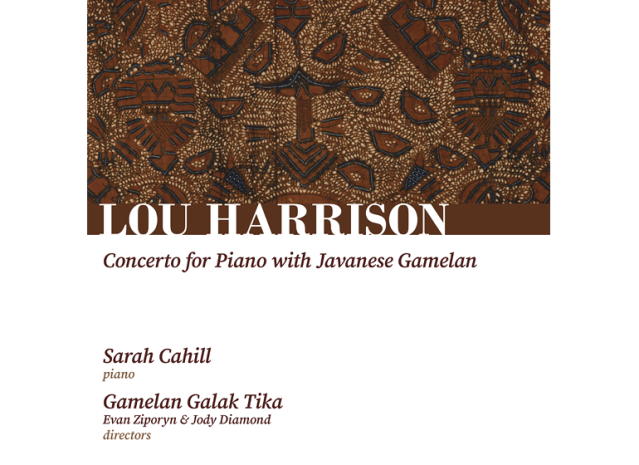
Lou Harrison: Concerto for Piano with Javanese Gamelan, a very special performance of an underappreciated masterpiece is just unabashedly excellent. It is a recording of a 2017 performance (in honor of the composer’s 100th birthday anniversary) in Cleveland by performers who have had a close relationship with this major American composer. I love the music. I love the performers. It’s a digital only release but you can get a download of the album and the fine liner notes from Bandcamp.
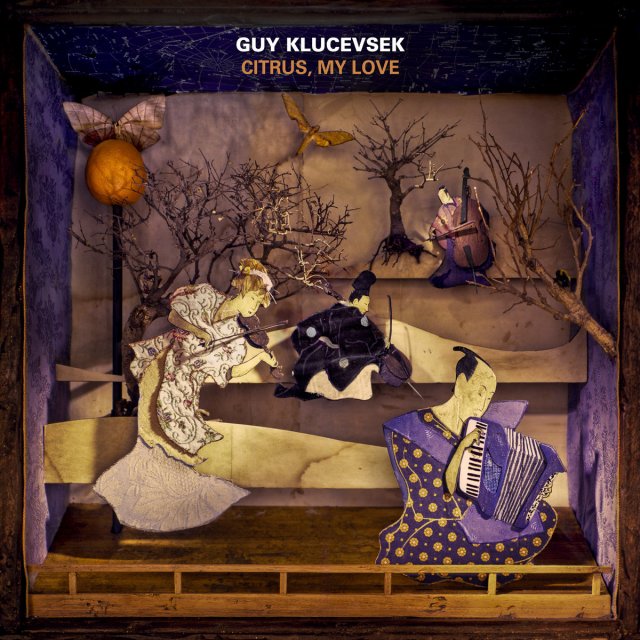
Fixing a Hole to Keep the Music Playing: Starkland brings back Guy Klucevsek’s “Citrus, My Love” is also a digital only release, also available on Bandcamp of an album long out of print but essential to the oeuvre of Guy Klucevsek. Like Philip Blackburn, Tom Steenland (who heads Starkland records) is a musical visionary who has released some of my personal favorite albums. If Tom (or Philip) likes it I will at least give it a listen.
Dennis Weijers: Skill and Nostalgia in an Auspicious Debut Album is a sort of personal discovery for me. This reworking of Philip Glass’ “Glassworks” and Steve Reich’s “Variations for Winds, Strings, and Keyboards” scored for solo accordion and electronics pretty much knocked me over as soon as I heard it. Read the blog to see why but you have to hear this. This is NOT your granddaddy’s accordion.
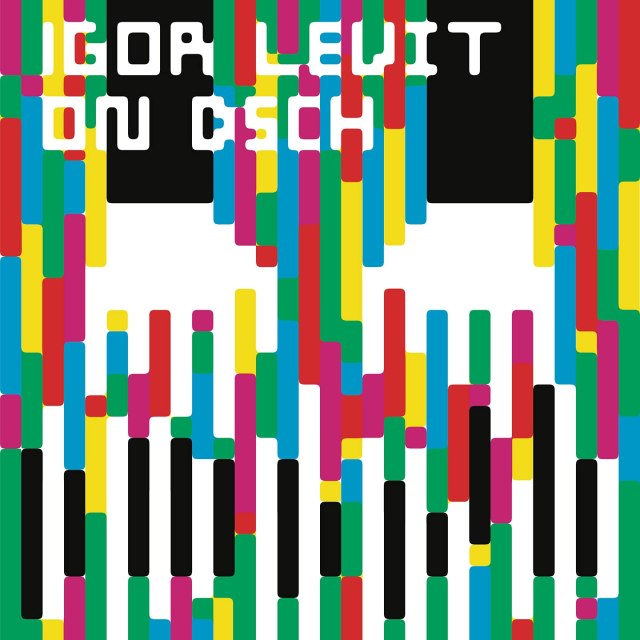
Vision, Virtuosity, and Interpretive Skill: Igor Levit’s “On DSCH” is an album I just can’t stop listening to. I raved about his earlier set of piano variations by Bach, Beethoven, and the late Frederic Rzewski and I look forward to this man’s musical vision as he expands the concert repertoire with works you probably haven’t heard or at least haven’t heard much. You owe it to yourself to watch this artist.
Black Artists Matter: The Resurrection of the Harlem Arts Festival, 1969 is one of the relatively few times when I write about so called “pop” music. It is wholly unconscionable that these filmed performances from 1969 (many of which predated Woodstock) languished for 50 years in the filmmaker’s basement and were nearly lost. One of the recurring themes in this blog is the lament over unjustly neglected music and this is a glaring example. I was delighted to see that the filmmaker Questlove received an award at the Sundance Festival for his work on this essential documentary of American music.
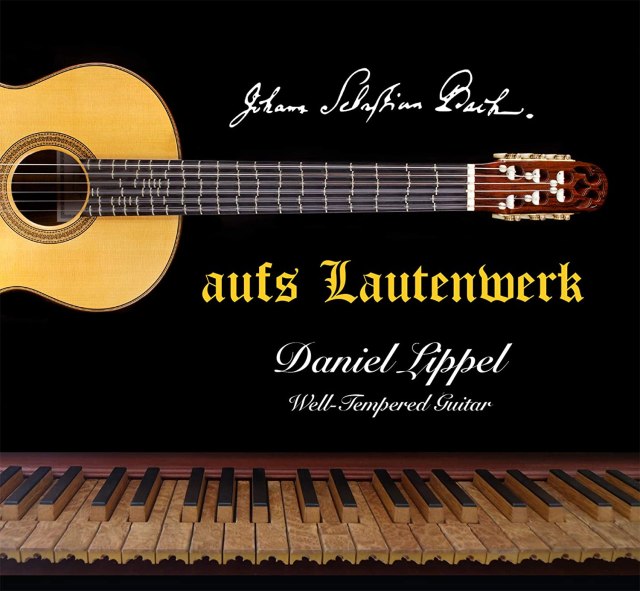
Less “flashy” but sublimely beautiful is Modern Tuning Scholarship, Authentic Bach Performance: Daniel Lippel’s “Aufs Lautenwerk”. This is a masterpiece of scholarship and a gorgeous recording on a specially made Well-Tempered Guitar played with serious passion and interpretive genius by a man who is essential to the productions of New Focus recordings as well as being a fine musician himself. Read the review or the liner notes for details but just listen. This is another one that I can’t stop listening to.
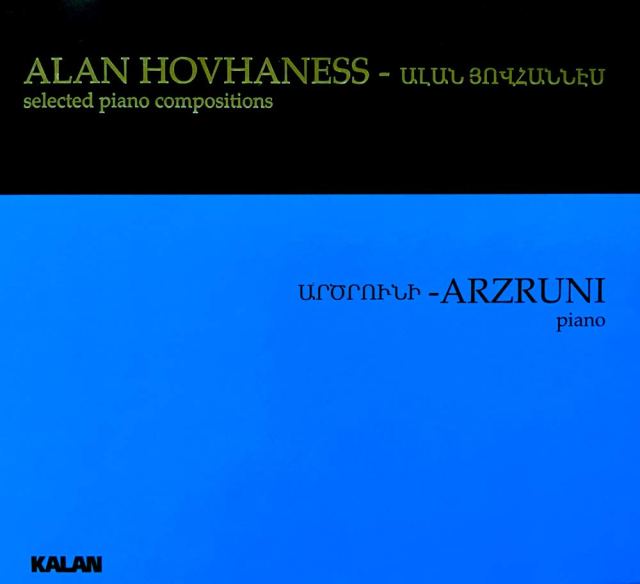
Unheard Hovhaness, this Sahan Arzruni album really rocked my geeky world. Arzruni, a frequent collaborator with Hovhaness turns in definitive performances of these previously unheard gems from the late American composer. A gorgeous physical production and a lucid recording make this another disc that lives on my “frequently played” shelf.
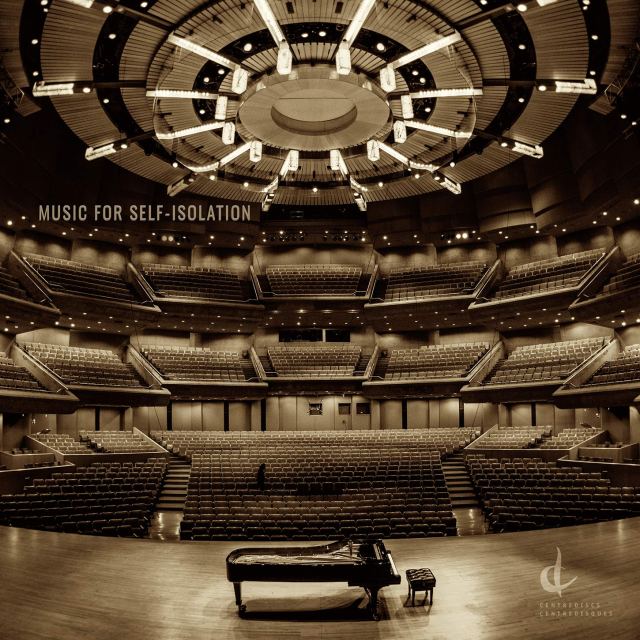
Only the Lonely, Frank Horvat’s “Music for Self Isolation” is yet another release from this emerging Canadian composer. This is one of my favorite COVID Isolation albums, a unique response to this pandemic from an eminently listenable and endlessly creative composer.
OUR 6.220674
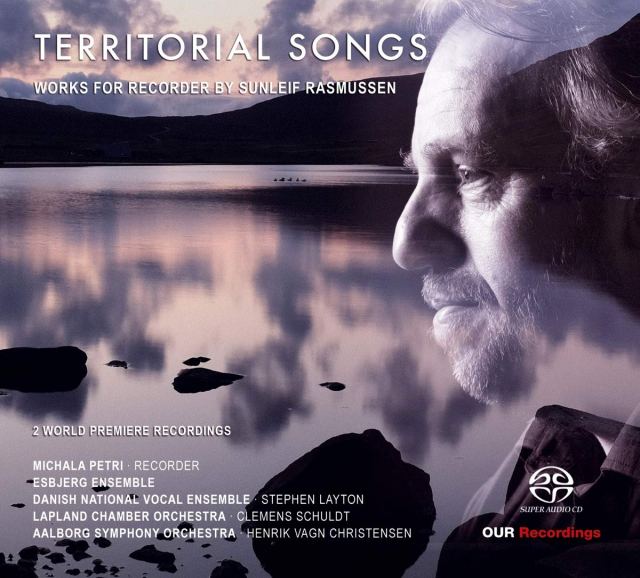
New Music from Faroese Master Sunleif Rasmussen with soloist Michala Petri is an album of world premieres by this master composer from the Faroe Islands. It is also a tribute to the enduring artistry of Michala Petri. I had the honor and pleasure of meeting both of these artists some years ago in San Francisco and anything they do will demand my attention, they’re that good.
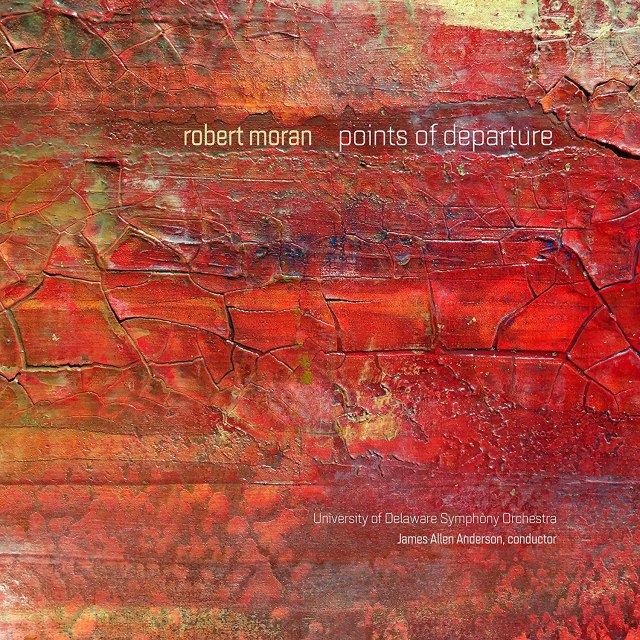
Last but not least, as they say, Robert Moran: Points of Departure is another triumph of Philip Blackburn’s curation on Neuma records. I have personally been a fan of Moran’s music since I first heard his work at the Chicago iteration of New Music America in 1982. Blackburn’s service to this composer’s work can be likened to similar service done by David Starobin at Bridge Records (who have embarked on complete works projects with several contemporary composers) and Tom Steenland’s work with Guy Klucevsek and Tod Dockstader at Starkland records. Blackburn had previously released the out of print Argo recordings of Moran’s work and now, at Neuma has released this and a few other new recordings of this major American composer’s work.
My apologies to the albums I’ve reviewed which didn’t make it to this year’s end blog but I have to draw a line somewhere. Peace, health, and music. And thank you for reading.
The Chicago based Lincoln Trio turns their creative radar to chamber music by two now virtually unknown Chicago composers, Ernst Bacon (1898-1990) and Leo Sowerby (1895-1968). (Sowerby’s music has enjoyed no fewer than 7 CD releases on this label.) Both of these composers were rather prolific and well known during their lifetimes but, for whatever reason, they are no longer household names. These are composers who wrote in a largely post-romantic idiom which one might translate as “audience friendly” and one might suggest that their home grown romanticism was eclipsed by modernism but these guys aren’t only audience friendly, these works have the weight of substance. This is not ear candy, this is serious music that reveals more depth and significance with each hearing.
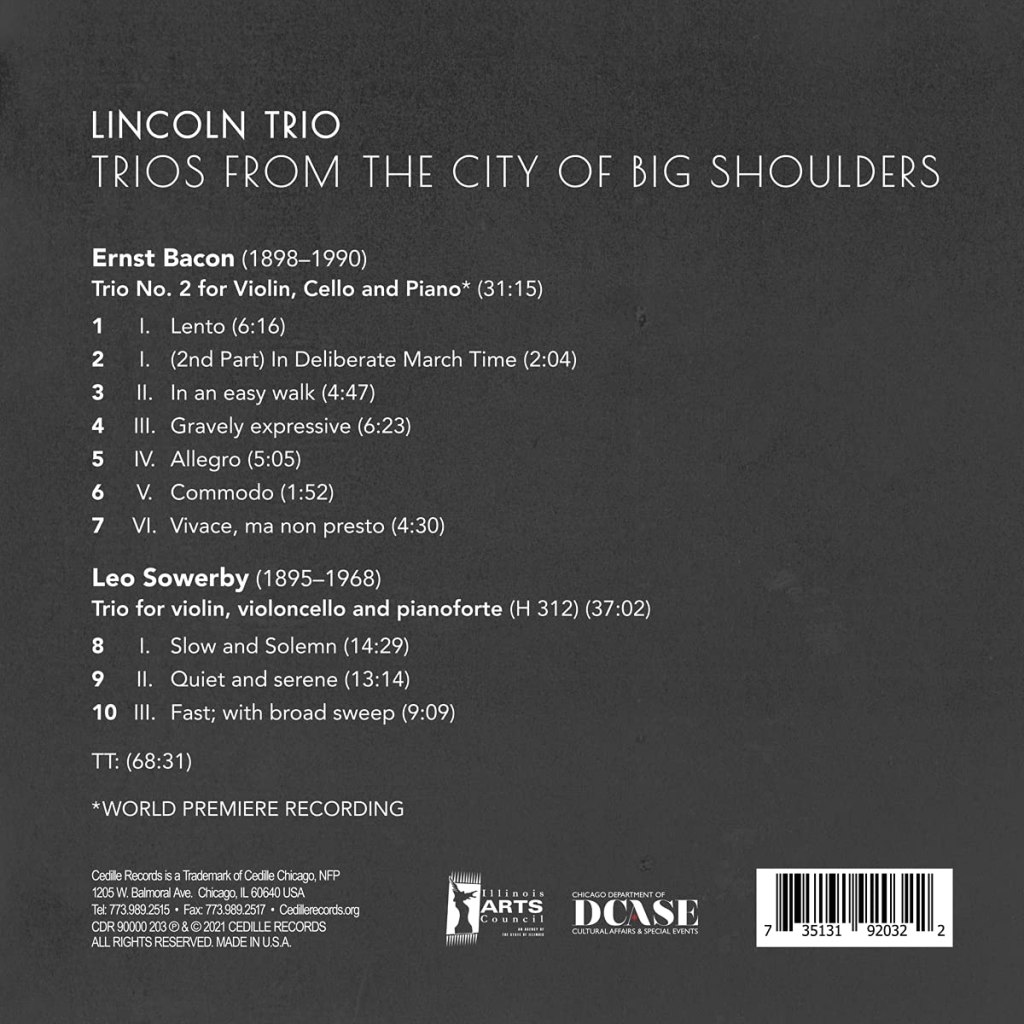
On the surface these are simply two piano trios, a form which emerged in the early classical era and which continues today as a sort of genre on its own and generally is a work of three or four separate movements much like the form of a symphony or sonata. The first piece on the disc is Bacon’s trio from 1987, a late work in his oeuvre which is cast in no fewer than 7 movements, so there goes my generalization already.
The first movement, the longest of the seven, is marked “Lento” and is a slowly evolving movement which goes through many moods from quiet to intense. The second which is actually part of the first is a rather brief march tune and is followed by a slightly longer second movement entitled, “an easy walk”. The more somber mood returns in movement three entitled, “Gravely expressive”. It is followed by a more sprightly Allegro, a brief movement marked, “commodo”, and a finale which gets the blood flowing entitled, “Vivace, ma non presto.” It is difficult to characterize this piece in the context of Bacon’s other work since I’ve heard very little of his significant output but this work suggests that there’s more gold to be had in his compositional vaults.
The Sowerby Trio is from 1953 and is a large work clocking in at nearly 40 minutes. It is cast in the more or less classical tradition of three movements. The first two are large Brahmsian movements which are followed by a (somewhat) shorter finale. Cedille has revealed much of the rich legacy that Sowerby has left us and this trio serves to validate the choice of focusing on getting more of this man’s work to the ears of eager listeners. It is a major addition to the repertoire and this reviewer hopes that this recording may help this work to be a more regular part of live programming.
The trio discharges its duties with an amiable virtuosity which demonstrates their passion for this work. As usual, the recorded sound is top notch. This is a great chamber music recording as well as another fine document of Chicago’s rich musical history, world class music by world class performers.










 New Music Buff