The Varieties of E#, a new Elliott Sharp Release on Starkland


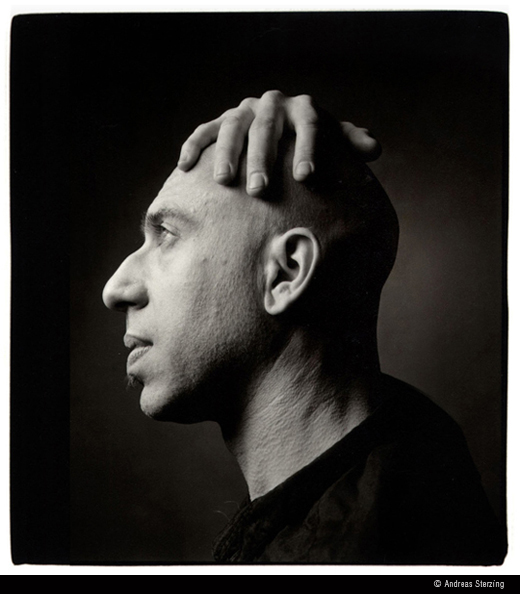
Elliott Sharp

Elliott Sharp

I think the first time I heard of Elliott Sharp was when a friend played a vinyl copy of 1988s Larynx. I later got hooked on the delightfully noisy string quartets of 1987s Hammer, Anvil, Stirrup. With 89 albums to his credit (according to discogs.com) Sharp writes and plays music in a range of styles and for a range of ensembles.

Only two years older than John Zorn their musical paths are similar in that they both learned multiple instruments as children. While they are both incredibly creative, intelligent and productive artists, Sharp initially took a more traditionally academic path while Zorn is largely self taught (an amazing feat in itself).

Sharp studied music, anthropology, improvisation and electronic music with teachers like Benjamin Boretz, Roswell Rudd, Morton Feldman and Lejaren Hiller. His music frequently uses Fibonacci numbers, fractals, chaos theory and genetic metaphors. His collaborators have included blues guitarist Hubert Sumlin, Qawalli singer Nusret Fateh Ali Khan (and many others) and practically a who’s who of the Downtown New York scene.

He produced the Nonesuch album of Ornette Coleman covers by John Zorn (Spy vs. Spy, 1988) which is definitely worth a listen. It is one of a series of such recordings of covers of various artists which have also included Ennio Morricone among others.

The present recording comprises works written between 2004-2008 and, like the previous release of music by Martin Bresnick (reviewed previously in this blog here), comprises a sort of snapshot of the composer’s recent work. Like the Bresnick disc this recording samples Sharp’s writing for a variety of ensembles and is an effective portrait of his mature style.

As a long-standing performer in the New York downtown scene Sharp experimented with a variety of compositional and  instrumental techniques consistent with his scientific interests.  Now such experimentation by itself is of little interest except on a theoretical level but what we hear in the works in this recording is a composer who has integrated these techniques into a sound that is pretty uniquely identifiable as Elliott Sharp much as J.S. Bach’s techniques are easily recognizable in identifying that composer.

The first work (and the one that lends its title to the album) is The Boreal (2008).  It is the most recent of the compositions and is another chapter in Sharp’s reinvention of string quartet writing.  Written for the noted JACK quartet, it involves the use of different types of non-traditional bows fashioned by the composer and creates sounds full of harmonics. It is probably unlike any string quartet music you have ever heard and it expands the notion of what that traditional classical ensemble can do.  The recording, though recorded live at the Ostrava Festival, is remarkably free of ambient noise which allows the listener to hear the subtleties of the rather wide dynamic range to be heard without the interference.  The work resides in more or less the same sound world as his other quartets and its four movements seem to follow logically creating a conceptual whole as with any of the more conventional quartets in the repertory.
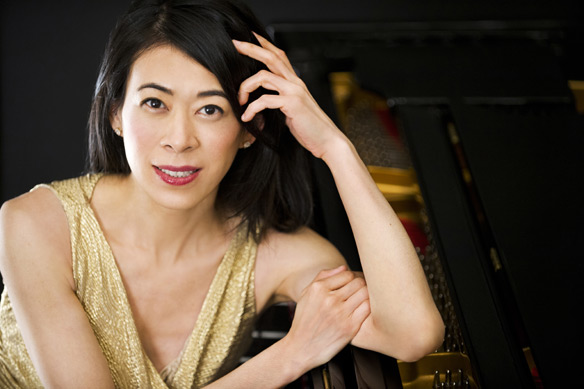
Jenny Lin

Jenny Lin

The second work, Oligosono (2004) is for solo piano.  As the liner notes tell us it is Sharp’s application of extended instrumental techniques which he developed on his guitars to the piano (a pretty interesting accomplishment).  It is written for and played by the wonderful Jenny Lin who navigates the inside of the piano as well as the keyboard in some rhythmically complex and virtuosic playing.  She executes the three movements with seeming ease.
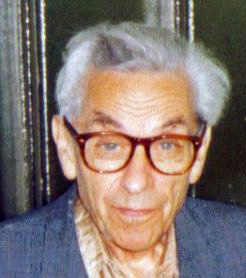
Paul Erdös "Erdos head budapest fall 1992" by Topsy Kretts - Own work. Licensed under CC BY 3.0 via Commons - https://commons.wikimedia.org/wiki/File:Erdos_head_budapest_fall_1992.jpg#/media/File:Erdos_head_budapest_fall_1992.jpg

Paul Erdös

Now we come to the composer’s work for larger ensembles.  Proof of Erdös (2006) is named for the mathematician Paul Erdös (1913-1996) perhaps most famous for the Erdös Number which is an indicator of the degree of separation a given person has with another (Erdös’ number would be a zero and his direct collaborators would be a one.  I’m guessing my Erdös Number with regard to Mr. Sharp would probably be at best a three for having reviewed this album).

Proof of Erdös is a four movement work written for Orchestra Carbon (one of Sharp’s various ensembles) and it is ably conducted by the American composer/conductor David Bloom.  It is a studio recording.  The work shares some of the sound world of the last piece on the album but the ensemble is more of a chamber group than the full orchestra but produces a similarly large and complex sonic image.

On Corlear’s Hook (2007) is a work for full orchestra and, for this reviewer, it is a great opportunity to hear Sharp’s ability to write for large orchestra.  It’s title is taken from a the lower east side neighborhood in Manhattan where Sharp resided with his family.  As the composer says in the notes there is no attempt to be programmatic or pictorial that the music is, “a reflection of the spectra of my existence (there) from one frequency band to another”.

The performance by the fine Janacek Philharmonic is conducted by the German conductor Peter Rundel (1958- ). Rundel, whose credits include a Grand Prix du Disque for his recording of the works of Jean Barraque (1928-1973), delivers a convincing performance of this tour de force.  The four movements, reflecting Sharp’s “spectra” coalesce to a unity which suggests that this piece could easily be called “symphony” if one wanted to use that apparently dated term.  The audience seems attentive or at least respectfully quiet which makes for a pretty definitive recording.

A great debt is acknowledged here to the fine work of the Ostrava Days festival under the guidance of Petr Kotik (1942- ) for curating this amazing annual new music event.  There are very useful liner notes by legendary boundary defying cellist (and sometime Sharp collaborator) Frances-Marie Uitti.   Sharp himself provides notes in the accompanying booklet. As usual with Starkland the recording is of very high quality and Tom Steenland’s gift for graphic design (using an 1888 photo of electrical “effluvia” from the surface of a coin) is well suited to represent the contents of the recording.
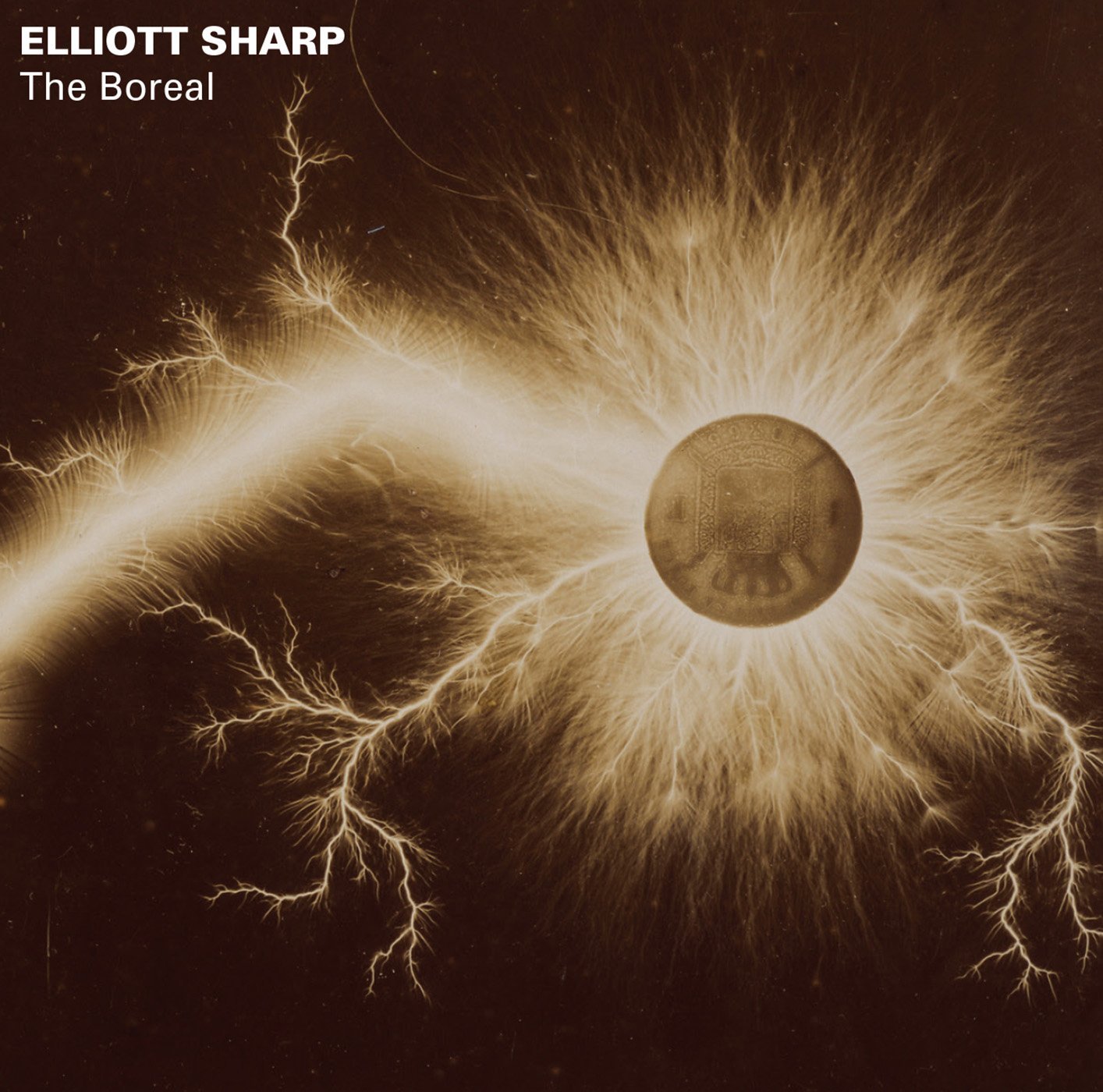
The Boreal Starkland ST-222

The Boreal
Starkland ST-222

Like many of Starkland’s releases this album challenges the listener but meeting that challenge and giving this a serious listen is ultimately very rewarding.  This is a fine example of a composer whose work deserves to be better known and this is a good sampling of some of his most refined work.  Hopefully this release will help to position Sharp as a composer with roots in the downtown improv scene who has taken his experimentation successfully into the larger world of the contemporary classical scene.
 

End of an Era and a Summation: In the Mood for Food Dinner/Concert Series


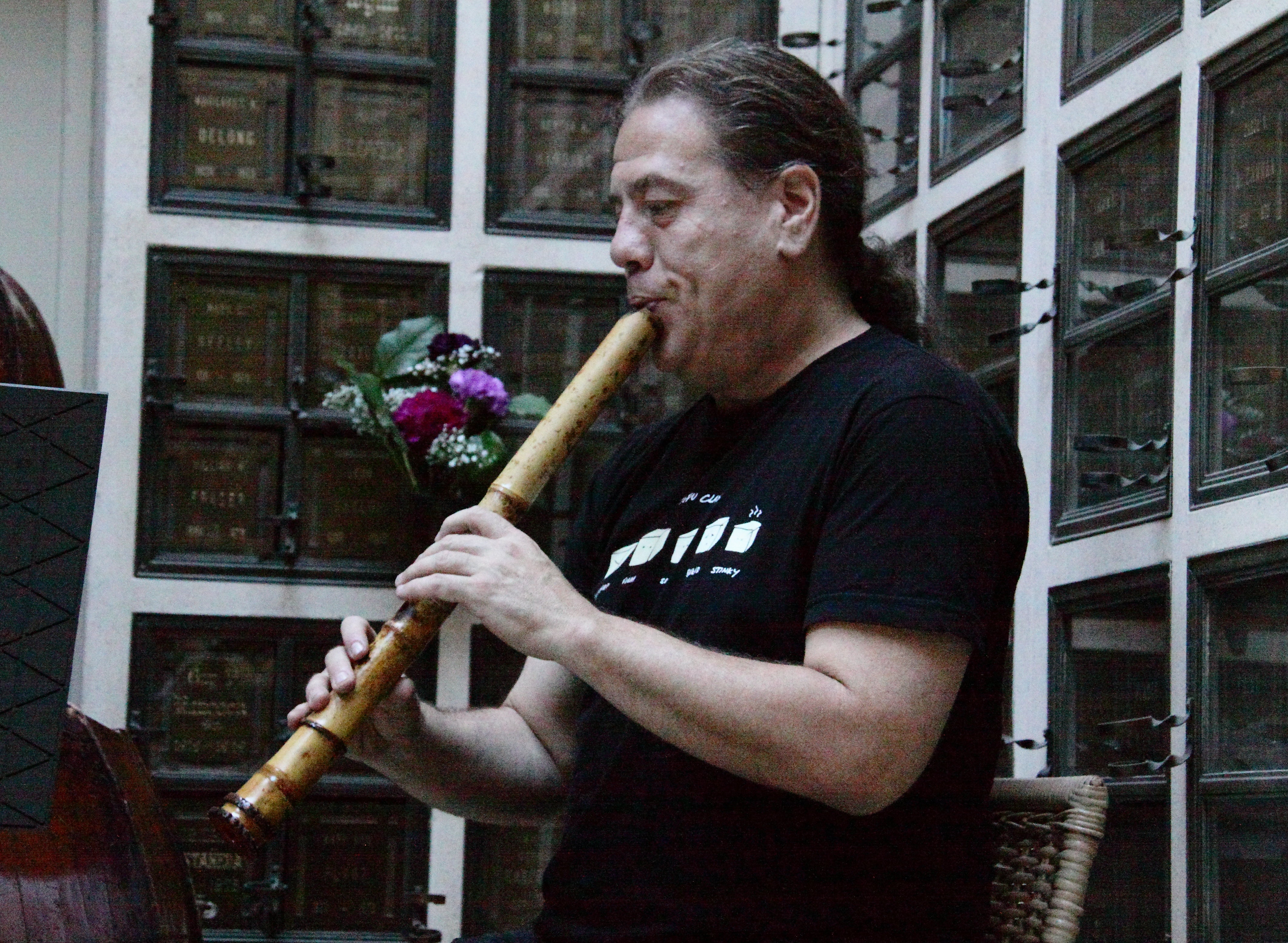
Philip Gelb performing at the June 21, 2015 Garden of Memory Concert at Oakland's Chapel of the Chimes.

Philip Gelb performing at the June 21, 2015 Garden of Memory Concert at Oakland’s Chapel of the Chimes.

For a variety of reasons I have not been able to spend any time with this blog for the last month or two but recent events tell me that I must find the time to get back online and publish.  My apologies to all who are awaiting reviews and such.  They will now be forthcoming.

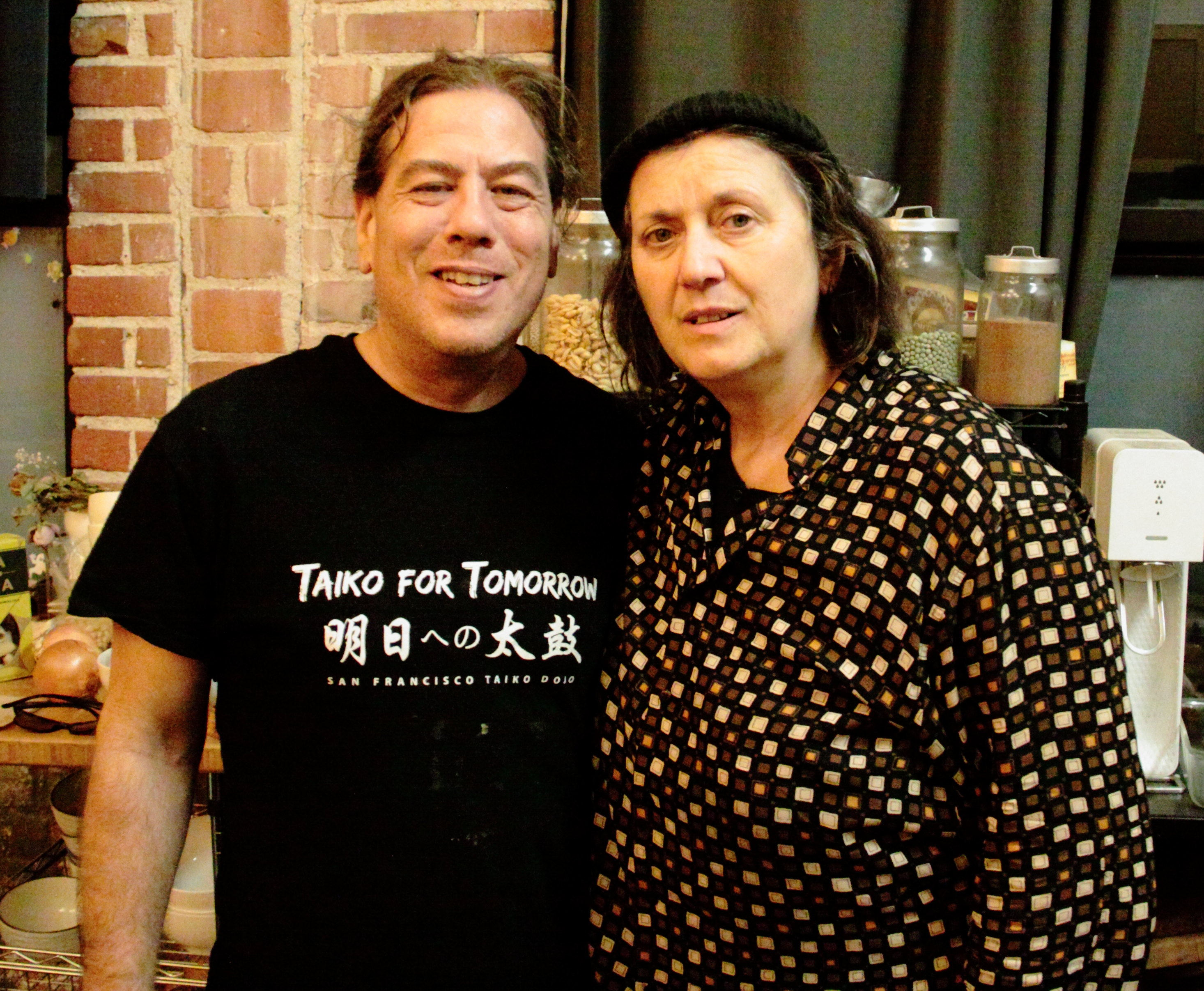
This past Saturday night June 27, 2015 is among the last of this East Bay series which has been with us for the last 10 years.  Philip Gelb, vegan chef extraordinaire, shakuhachi player and teacher has announced that he will be relocating to New York in the next few months.

I personally discovered this series shortly after I moved to the bay area.  In a nondescript West Oakland neighborhood in a modest loft live/work space I found a vegan dinner which also featured a performance by Bay Area composer/performer Pamela Z.  One concert/dinner and I was hooked.   The opportunity to meet and hear many wonderful musicians and enjoy the amazing culinary magic was just too much to resist.  I have been a regular attendee at many of these concerts and they all are valued memories.

Philip Gelb with Joelle Leandre at one of his dinner/concerts.

Philip Gelb with Joelle Leandre at one of his dinner/concerts.

Phil, who studied music, ethnomusicology and shakuhachi has been a familiar performer in the Bay Area.  In addition to performing and teaching the Japanese bamboo flute, Phil has run a vegan catering business and began this series some ten years ago modeled on a creative music series founded in part by the late Sam Rivers.  As a musician Phil has gotten to know many talented and creative musicians who performed on his series.  Phil is a friendly, unpretentious man with great talents which he successfully combined here.

phil1011

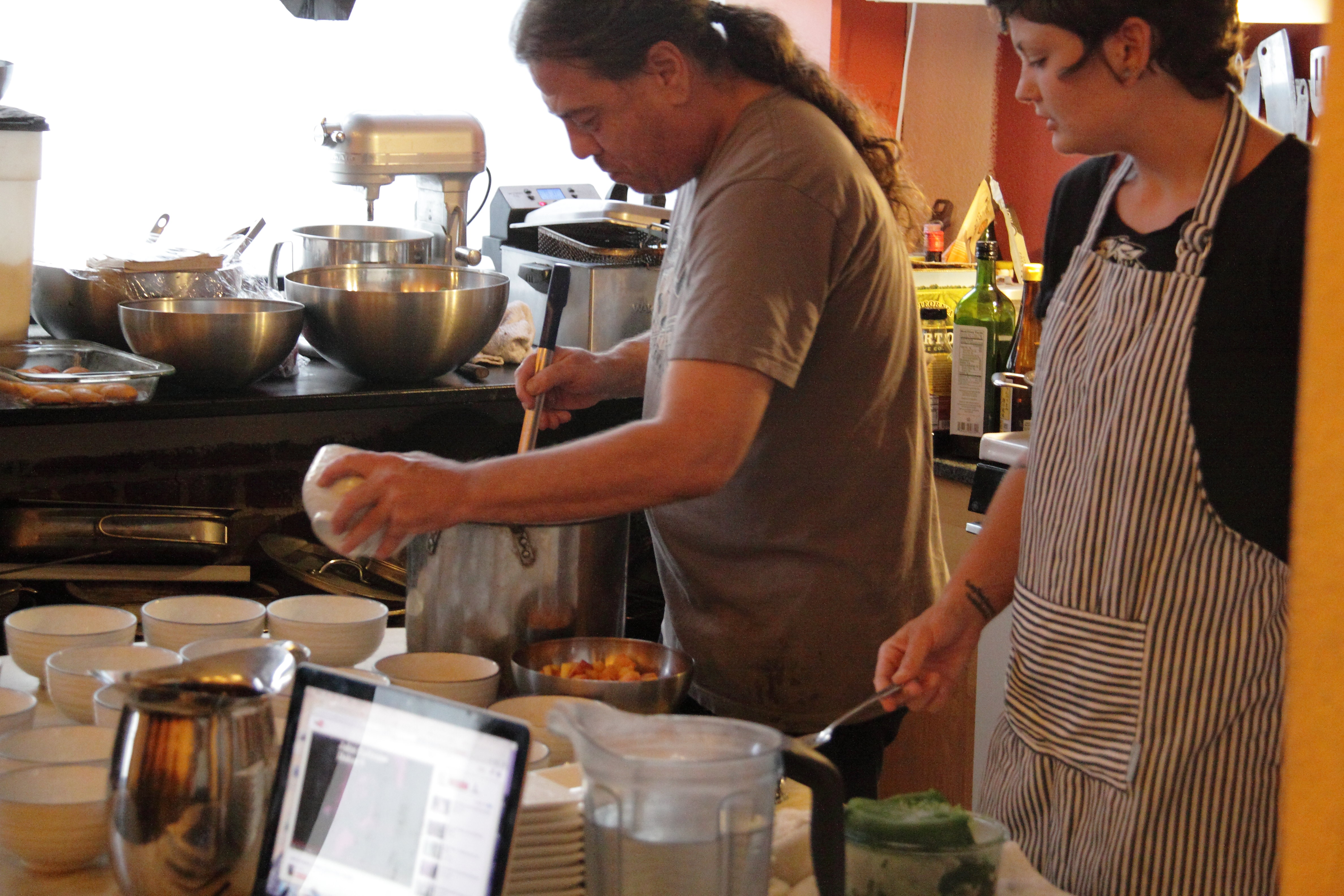
Phil and sous chef Cori preparing the evening’s feast.

The 20 seats were sold out for the annual Masumoto Peach dinner.  At the peak of the harvest each year Phil has put together multiple course dinners featuring locally grown organic peaches from the now four generation Masumoto family orchard near Fresno .  In fact a recent film (information on the Masumoto page linked above) has been made about them called, “Changing Seasons” and one of the filmmakers was in attendance.  There was a short discussion with Q and A at one point.

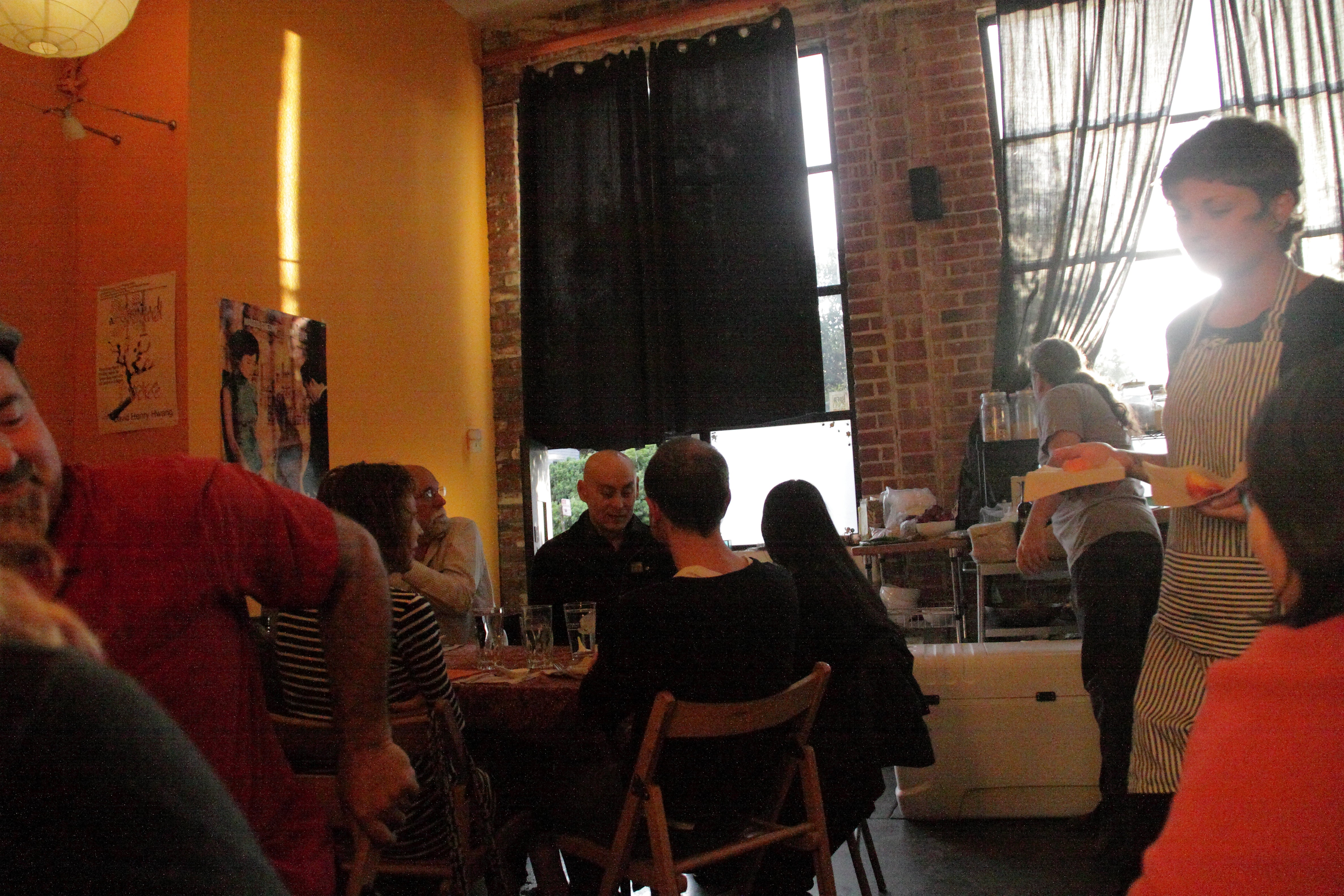
Happy diners anticipating the next course.

Happy diners anticipating the next course.

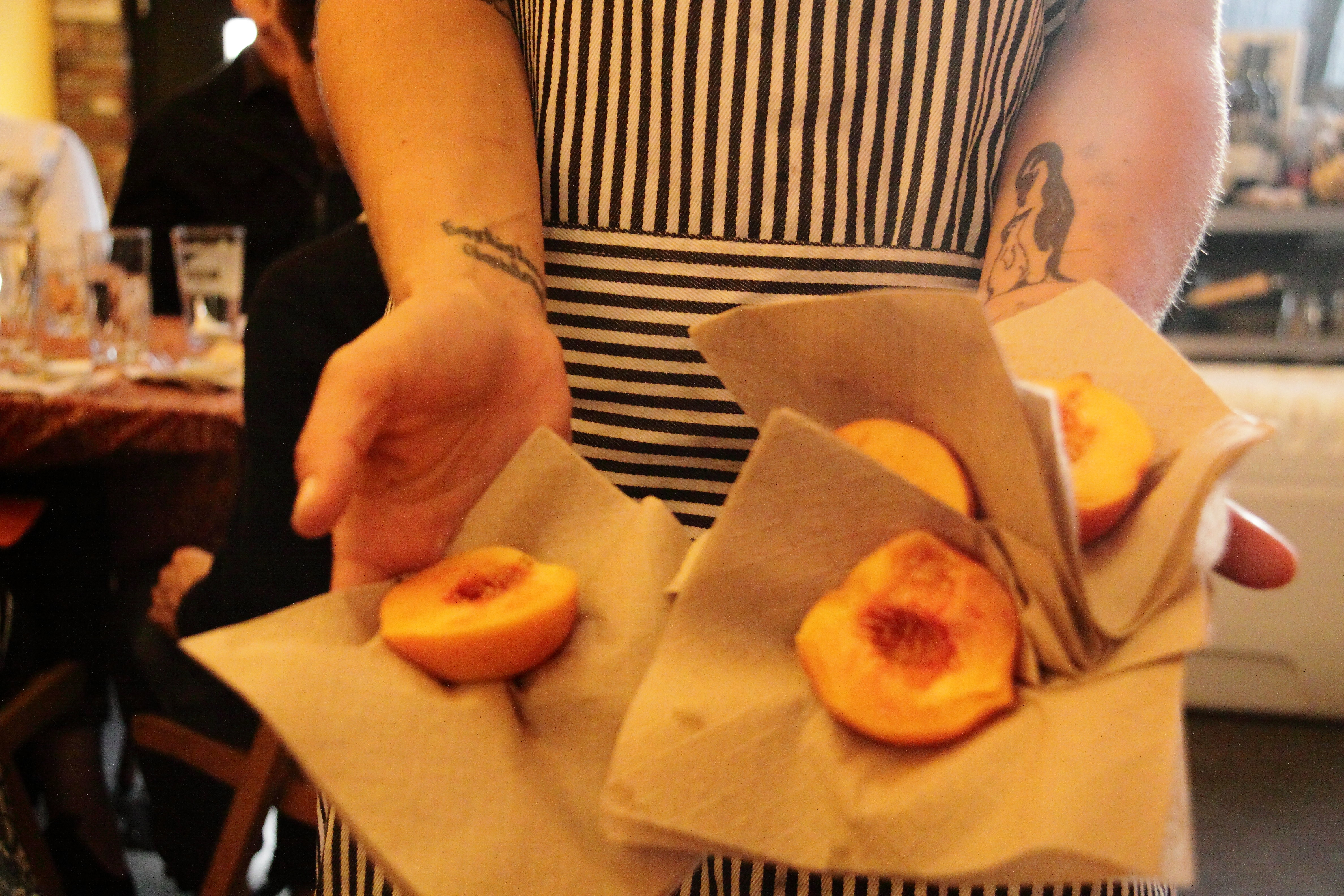
No music this night but wonderful food and friendly conversations filled the evening.  The meal began with, of course, a taste of the actual peaches.

sous chef Cori serving the peach halves that began the dinner.

sous chef Cori serving the peach halves that began the dinner.

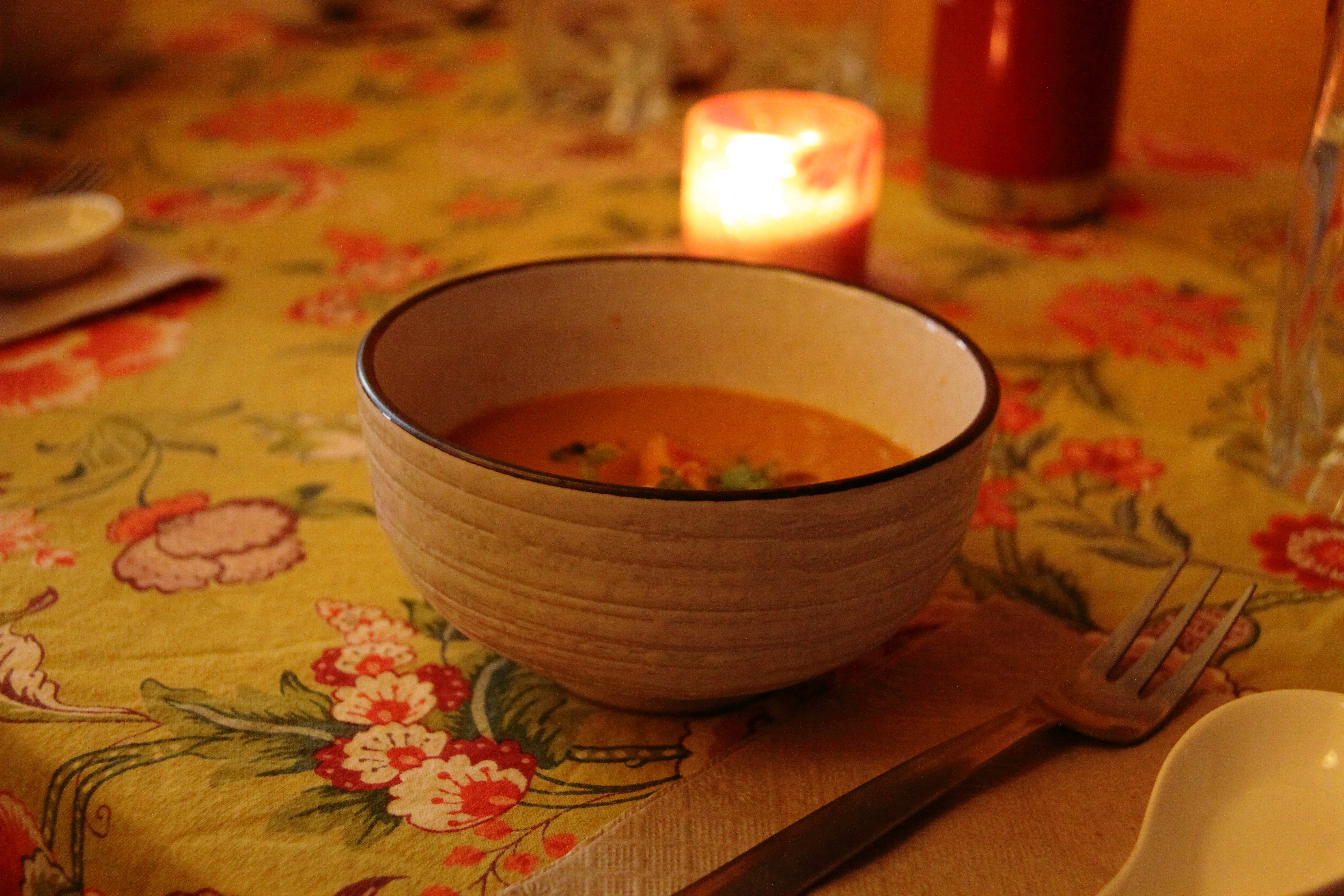
The next course, a peach tomato gazpacho.

phil1014

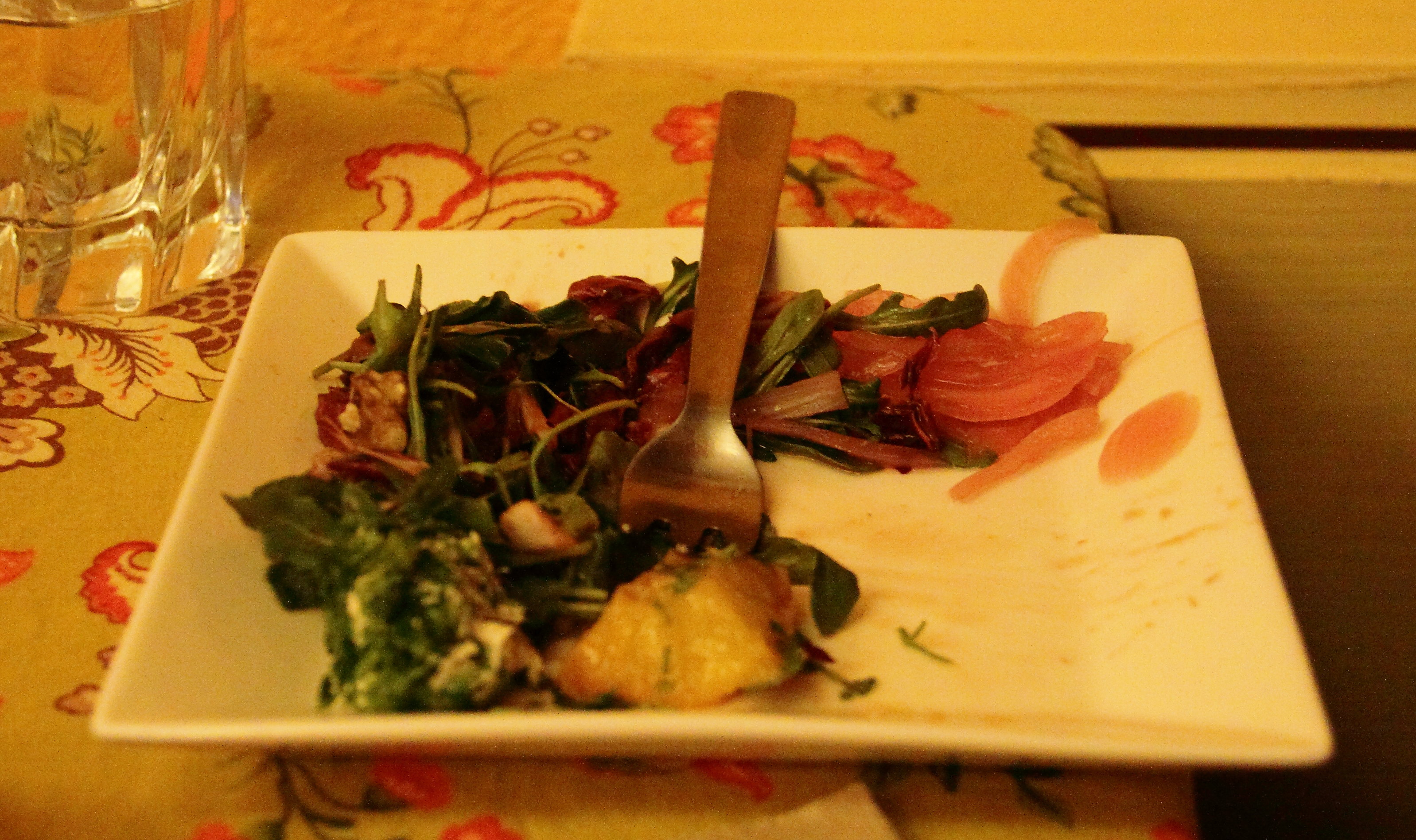
Followed by a grilled peach salad with cashew cheese balls, arugula radicchio,, pickled red onions, and a cherry balsamic dressing.

phil1016

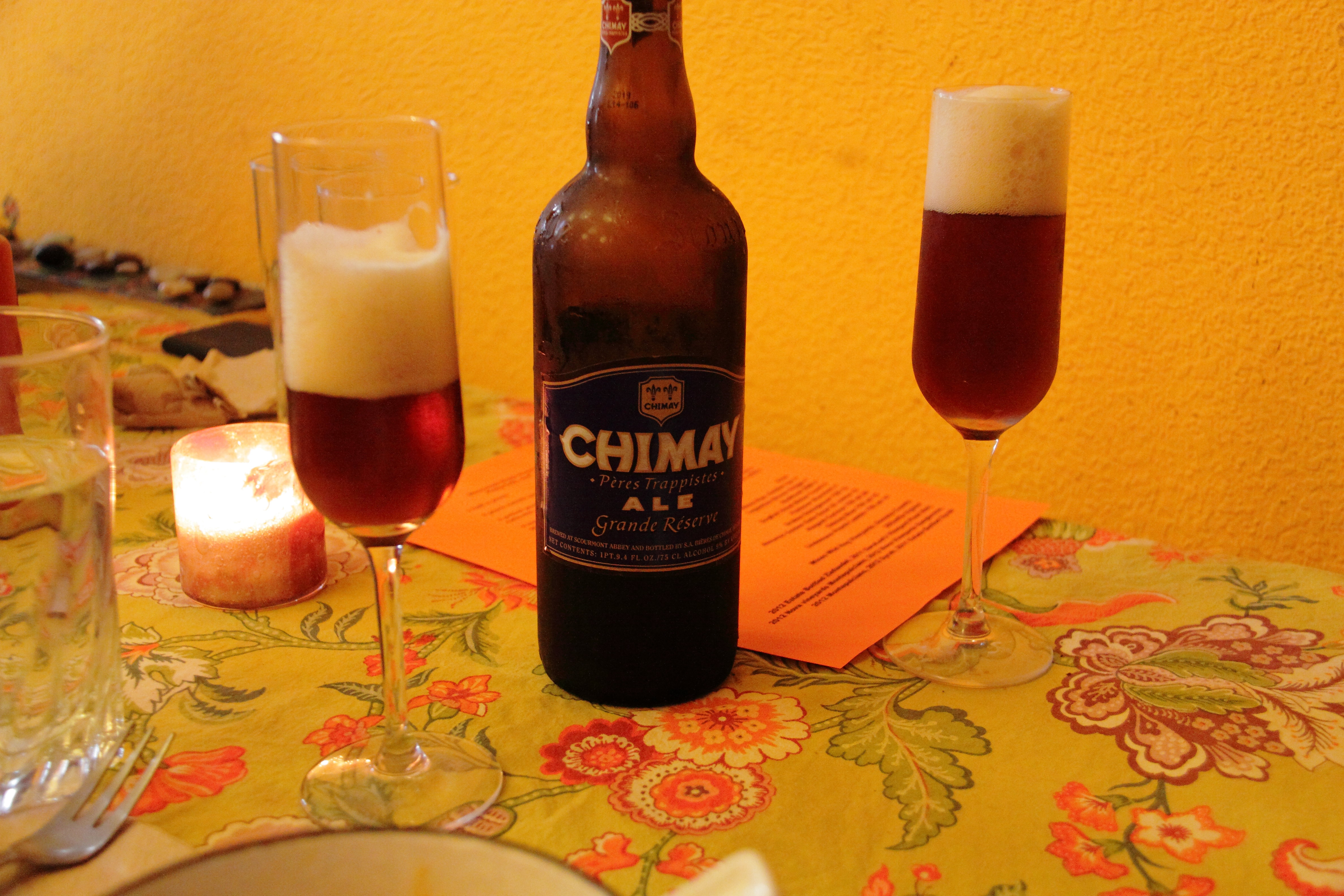
Oh, yes, a nice Chimay to quench the thirst.

phil1015

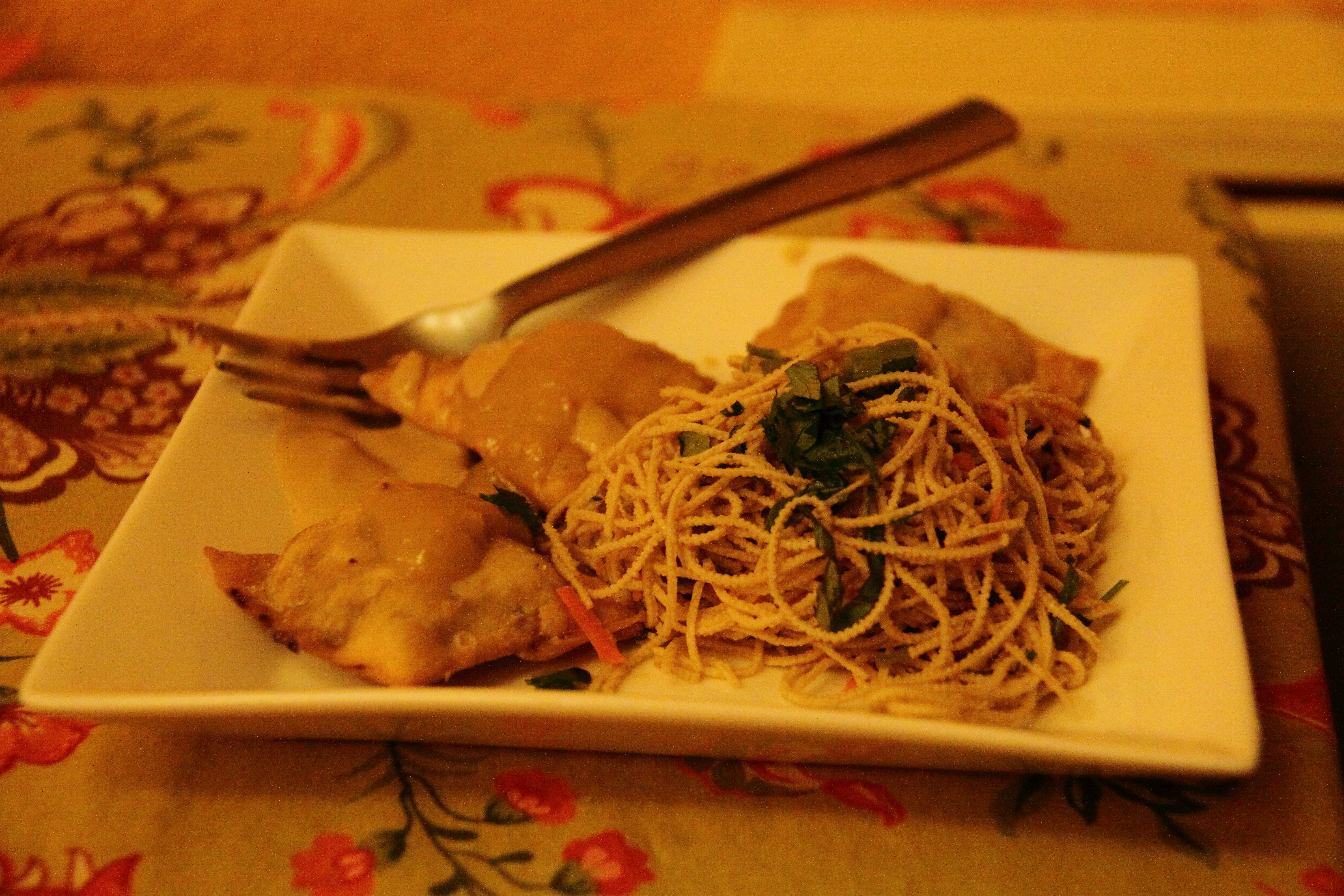
And then tempeh char siu wontons (from the local Rhizocali Tempeh), flat tofu noodles, a really great hot peach mustard and peach sweet and sour sauce.

phil1018

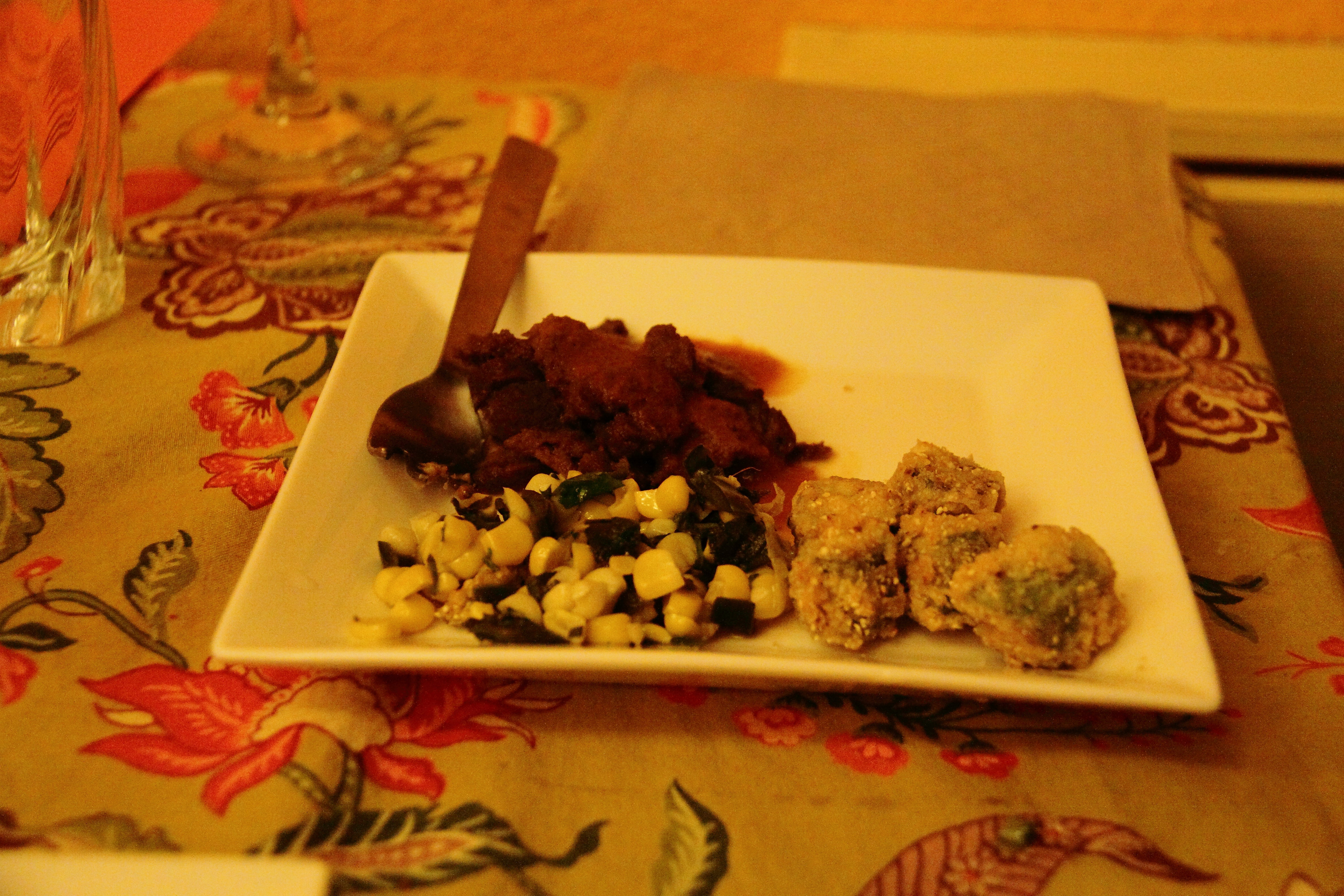
The main course: peach grilled seitan, peach barbecue sauce, roasted corn and peppers, and some crunchy fried okra.

phil1020

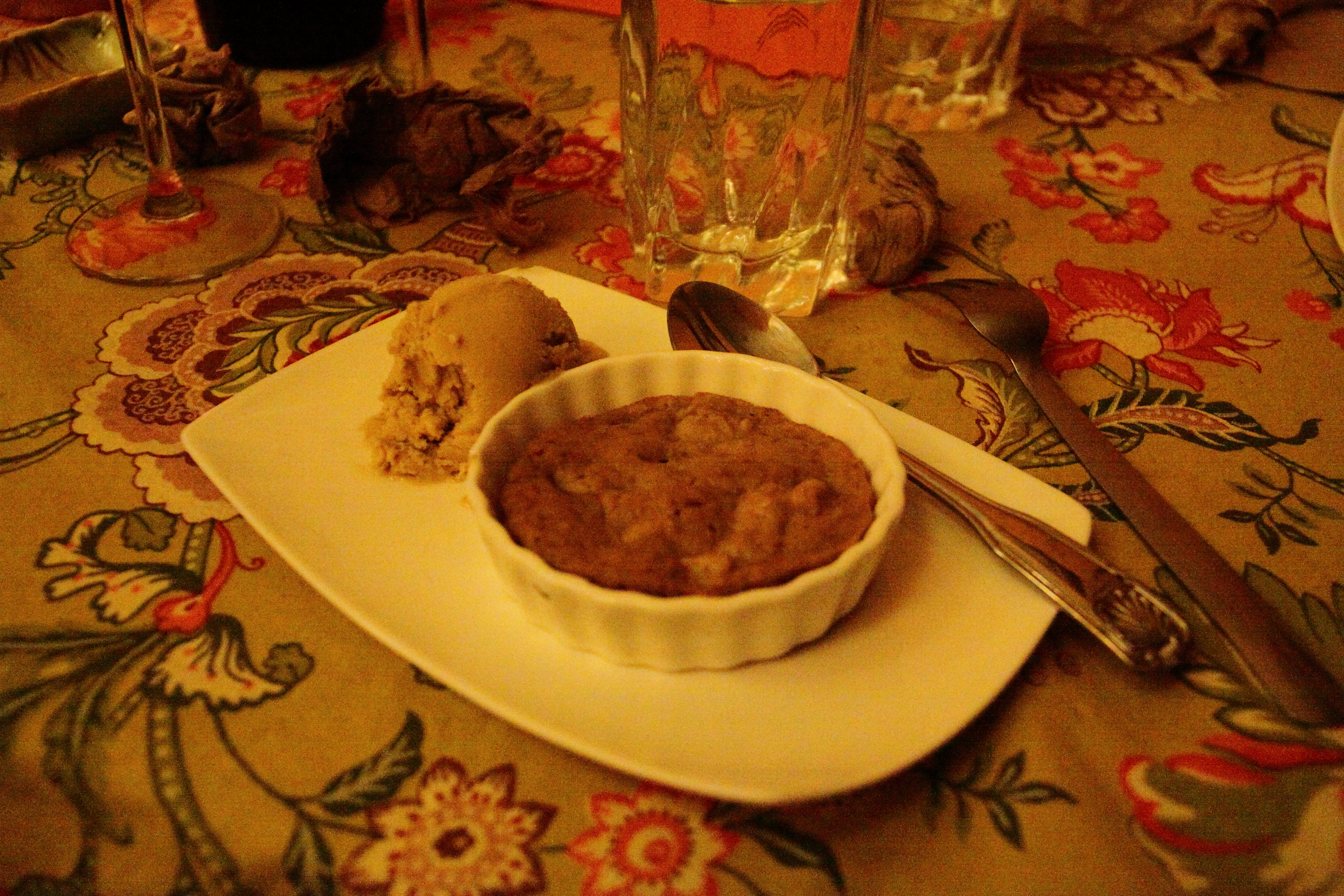
And, for dessert, peach rosewater cake with peach walnut sorbet.  As is his custom Phil went around offering more of that sorbet which most folks, present writer  included, availed themselves.

phil1021

This was a thoroughly enjoyable evening.

But, as I said, this tradition is coming to an end.  Not to fear, however.  Phil is in the process of writing a cookbook sharing the secrets of his culinary mastery and the book will also document some of the many musicians whose talents graced many an evening here.

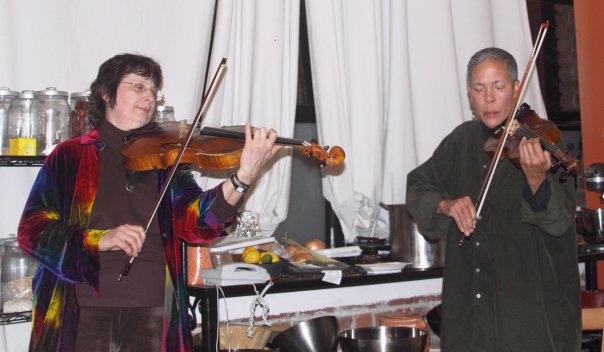
La Donna Smith and India Cooke playing an improvised duet.

La Donna Smith and India Cooke playing an improvised duet.

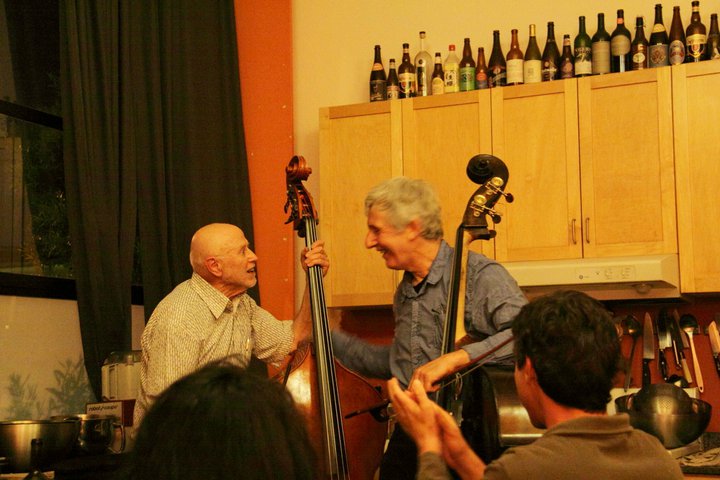
Bassists Mark Dresser and Barre Phillips play together for the first time at In the Mood for Food.

Bassists Mark Dresser and Barre Phillips play together for the first time at In the Mood for Food.

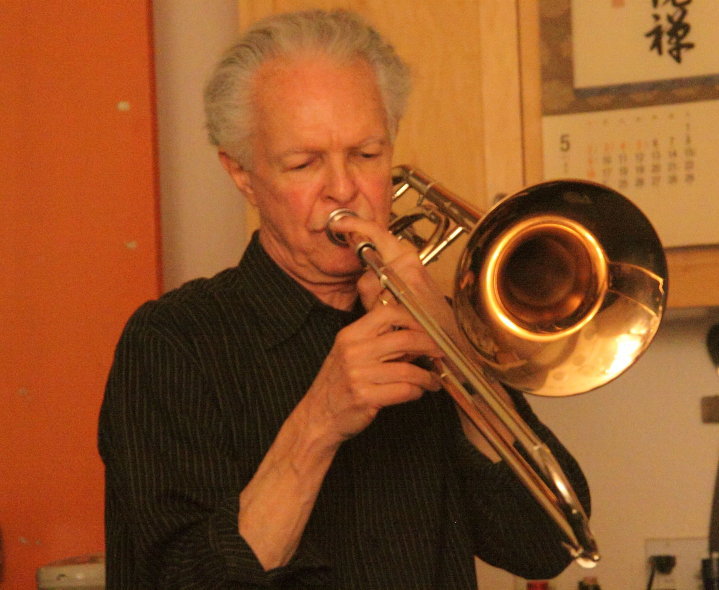
The amazing Stuart Dempster at Phil's loft a few years ago.

The amazing Stuart Dempster at Phil’s loft a few years ago.

Gyan Riley, Terry Riley and Loren Rush attending the dinner/concert which featured Stuart Dempster.

Gyan Riley, Terry Riley and Loren Rush attending the dinner/concert which featured Stuart Dempster.

Pauline Oliveros and her partner Ione performing at a recent dinner.

Pauline Oliveros and her partner Ione performing at a recent dinner.

So this little sampling of photos provides some idea of the scope and significance of this series.  Happily it is being documented in a book for which an Indiegogo campaign is presently in process.  You can donate and receive any or many of a variety of perks ranging from a copy of the book for $40 and perks including an invitation to celebratory dinners planned in both New York and Oakland.  My copy and my dinner invite are reserved.

There are 34 days left in the campaign at the time of this writing and the project is now at 106% of its funding goal.  This is a piece of Bay Area music and culinary history that will please music enthusiasts and those who appreciate creative vegan cuisine.

Here is a list of musicians taken from the campaign site to give you an idea of the scope of the series:

Tim Berne – alto saxophone (Brooklyn)

Shay Black – voice, guitar (Berkeley via Ireland)

Cornelius Boots shakuhachi/bass clarinet

Monique Buzzarte – trombone, electronics (NYC)

Chris Caswell (2) – harp (Berkeley)

Stuart Dempster – trombone (Seattle)

Robert Dick (flute) NYC

Mark Dresser (2) – bass (Los Angeles)

Mark Dresser/Jen Shyu duet – bass, voice/dance

Sinan Erdemsel – oud (Istanbul)

Sinan Erdemsel/ Sami Shumay duet – oud, violin

Gianni Gebbia – saxophones (Palermo, Italy)

Vinny Golia- winds (Los Angeles)

Lori Goldston – cello (Seattle)

Frank Gratkowski (2) – clarinets, alto sax (Berlin)

Daniel Hoffman/Jeanette Lewicki duet violin, voice/accordion (Berkeley, Tel Aviv)

Shoko Hikage – koto (Japan-San Francisco)

Yang Jing – pipa (Beijing)

Kaoru Kakizakai (4) – shakuhachi (Tokyo)

Marco Lienhard shakuhachi (Zurich-NYC)

Mari Kimura – violin, electronics (Tokyo-NYC)

Yoshio Kurahashi (5) – shakuhachi (Kyoto)

Joelle Leandre – contrabass (Paris)

Oliver Lake – alto sax (NYC)

Riley Lee (2) shakuhachi (Australia)

Jie Ma – pipa (China, LA)

Thollem Mcdonas Jon Raskin duet piano/sax (wanderer/Berkeley)

Roscoe Mitchell – alto, soprano saxophones (Oakland)

David Murray – tenor sax (Paris)

Michael Manring (5) – electric bass (Oakland)

Hafez Modirzadeh – winds (San Jose)

John Kaizan Neptune – shakuhachi (Japan)

Rich O’Donnell – percussion (St. Louis)

Pauline Oliveros (2) – accordion (NY)

Tim Perkis/John Bischoff duet computers (Berkeley)

Barre Phillips solo and duet with Mark Dresser – contrabass (France)

Alcvin Ramos shakuhachi (Vancouver)

Tim Rayborn/Annette duet oud, strings, recorders (Berkeley/Germany)

Jon Raskin/Liz Albee duet sax/trumpet (Berkeley/Berlin)

Jane Rigler – flute (Colorado)

Gyan Riley (5) – guitar (NYC)

Terry Riley (2) – voice, harmonium (universe)

Diana Rowan (2) – harp (Berkeley/Ireland)

Bon Singer/Shira Kammen duet (voice, violin) (Berkeley)

LaDonna Smith/India Cooke duet (2) violin, viola (Birmingham, AL, Oakland)

Lily Storm/Diana Rowan – voice, harp (Oakland/Ireland)

Lily Storm/Dan Cantrell (2) – voice/accordion (Oakland)

Howard Wiley – tenor Saxophone solo and duet with Faye Carol voice

Theresa Wong/ Ellen Fullman duet

Amy X (3) – voice, electronics (Oakland)

Pamela Z – voice, electronics (San Francisco)

The South Shore by Michael Vincent Waller, Radicalism in Context


In 1976 the premiere of Henryk Gorecki‘s tonal and melodic 3rd Symphony stood out as unusual in the context of the usual avant-garde fare heard at the annual Warsaw Autumn Festival.  I recall a similar experience when I first heard the music of Lou Harrison given his association with Henry Cowell and John Cage.  It was not what I expected to hear.

This young composer graciously sent me a copy of this, his major label debut for me to review. I noted that it was on the Experimental Intermedia label which was founded by Phill Niblock and is known for recording of a great deal of challenging and interesting avant-garde music by various composers including Phil Niblock, Jackson Mac Low, Guy Klucevsek, Ellen Fullman, David Behrman and many others. I have been a great fan of this record label for many years and own most of their titles.  But what I heard listening to this beautiful 2 disc set of relatively short pieces mostly for acoustic instruments seems radical in the context of this label’s usual fare.

The Southern Shore  XI  136

The South Shore
XI 136

Don’t get me wrong.  This does not appear to be conservative music.  Waller has studied with La Monte Young, Marian Zazeela and Bunita Marcus giving him a healthy pedigree in the avant-garde.  Indeed his earlier works were concerned with alternate tunings.  By earlier works, of course, I am only referring to a few years before the present music under consideration here because this composer, not yet 30, is presenting a fully developed sound.  Here he is concerned with alternate scales, church modes as opposed to the western diatonic scales.  There are a few instances of the use of quarter tones but, for the most part, he seems concerned with exploring the impact of different modes within the tuning of equal temperament which dominates western music.

For all the technical interest one might have in analyzing this composer’s use of modes the important thing here is the emotional impact of the music.  These frequently somber but beautiful melodies and motives speak very directly to the listener, at least this listener anyway.  This two disc set provides an excellent survey of the composer’s output over the last two or three years.

The titles are somewhat enigmatic and reflect a very personal approach.  He does not seem concerned with classical forms nor is he apparently opposed to them.  Again analysis will not reveal as much as just listening.  He creates beautiful contours of almost vocal quality at times.  I am given to wonder how he will confront music for voices and imagine that his style will serve him well.  I am tempted to compare him to Arvo Part perhaps but I don’t want to suggest that his work is derivative or, for that matter, even influenced by Part’s work.  I just get a similar feeling listening to Waller’s music.

This disc of chamber music for mostly acoustic instruments employs quite of few fine musicians who seem to be inspired to play their best by this music.  Pianists include Yael Manor, Charity Wicks, Nicolas Horvath and Marija Ilic.  Violinists include Conrad Harris, Pauline Kim-Harris, Jessica Park and Esther Noh.  Violists are Daniel Panner, Cyprien Busolini and Erin Wight.  On cello we hear Christine Kim, Deborah Walker and Clara Kennedy.  Carson Cooman is featured on Organ.  Flautists are Amélie Berson, Itay Lantner and Luna Cholang Kang.  Pierre Stéphane Meugé plays alto sax, Didier Aschour plays electric guitar (the only non-acoustic instrument on this recording), Thierry Madiot plays trombone, Katie Porter is on clarinet and Devin Maxwell plays percussion.  All play in various groupings from solo to small chamber ensembles.

The detailed and very helpful liner notes are by “Blue” Gene Tyrrany aka Robert Sheff.  The beautiful cover was photographed by Phill Niblock.

This is an album of miniatures with no track lasting longer than about ten minutes though there are works which are cast in several movements.  The pieces were all written in the last 4 years and constitute an excellent survey of this emerging talent.

Philip Gelb’s Gourmet Vegan with Joelle Leandre in the East Bay


The door is open to the underground restaurant.

The door is open to the underground restaurant.

On Sunday February 15th I had the pleasure of attending one of my favorite underground restaurant/performance venues in West Oakland.  In a nondescript neighborhood of light industry, warehouses and loft spaces Philip Gelb has been running “In the Mood for Food” (a take of the title of one of his favorite films, “In the Mood for Love”) his occasional dinner/concert series since 2005.

Philip Gelb with Joelle Leandre

Philip Gelb with Joelle Leandre

Philip is an amazing vegan chef as well as a shakuhachi player/teacher whose cuisine is known to a fortunate group of people which includes this writer.  Combining incredibly creative dishes sometimes at the behest of a given artist (Amy X Neuberg requested a “purple” theme and got it when she appeared ) with his wide network of artist friends, many of whom he has performed with.  Phil has been doing these occasional events with a maximum audience of about 20 people (including the featured performer) at a rate of at least once every month or two.

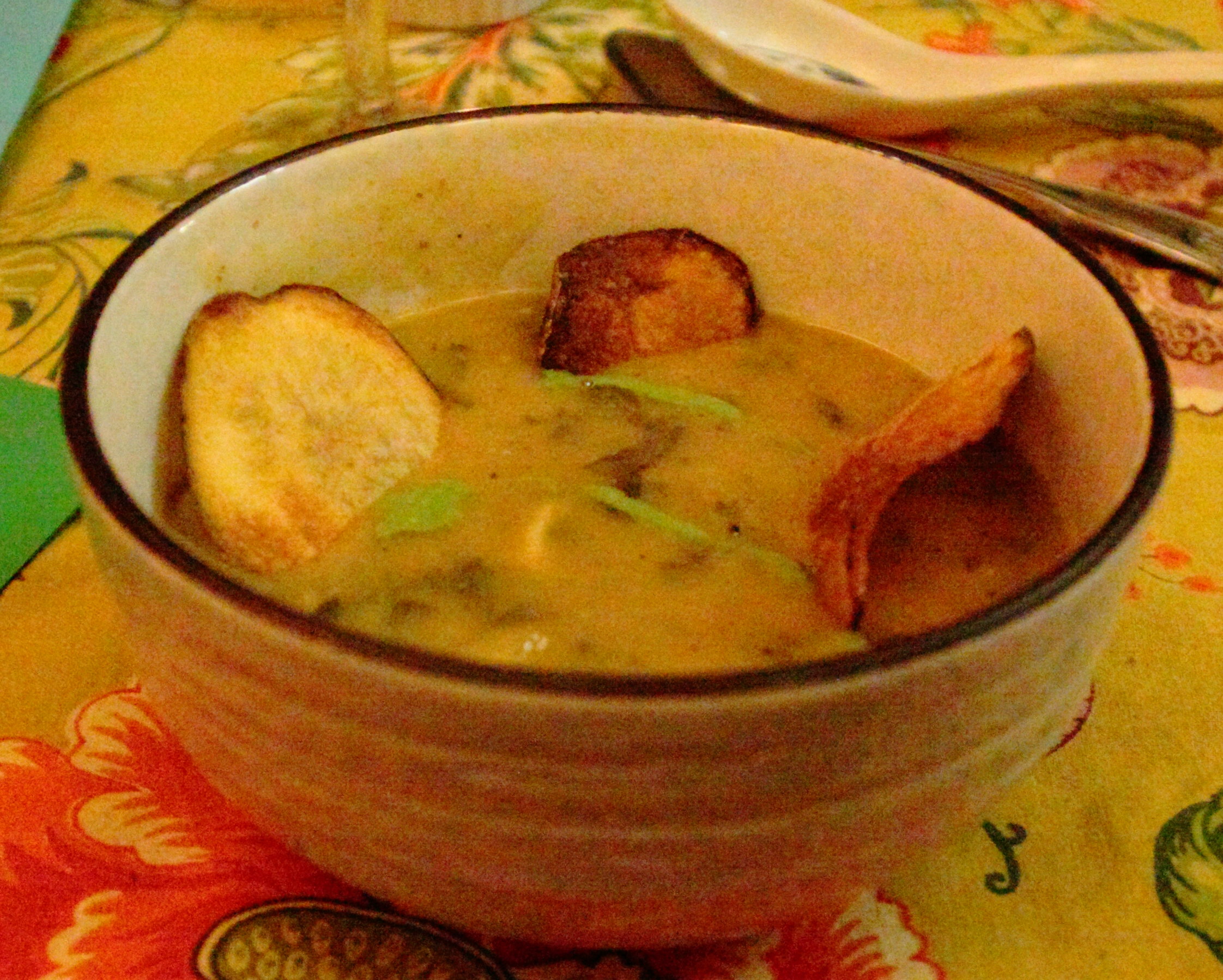
Potato Sorrel Soup

Potato Sorrel Soup

First let me say that I am not a vegan but if vegan fare always tasted this good I could easily make the transition (OK, I would have a hard time giving up pizza) to vegan fare.  Phil’s fresh locally shopped ingredients are transformed by his gustatory alchemy into a variety of delectable dishes in a wide range of cuisines.  His network in gourmet vegan food practitioners is rivaled only by his musical network.  Japanese is one of his specialties but I have personally partaken of various middle eastern and Caribbean cuisines with equal satisfaction.

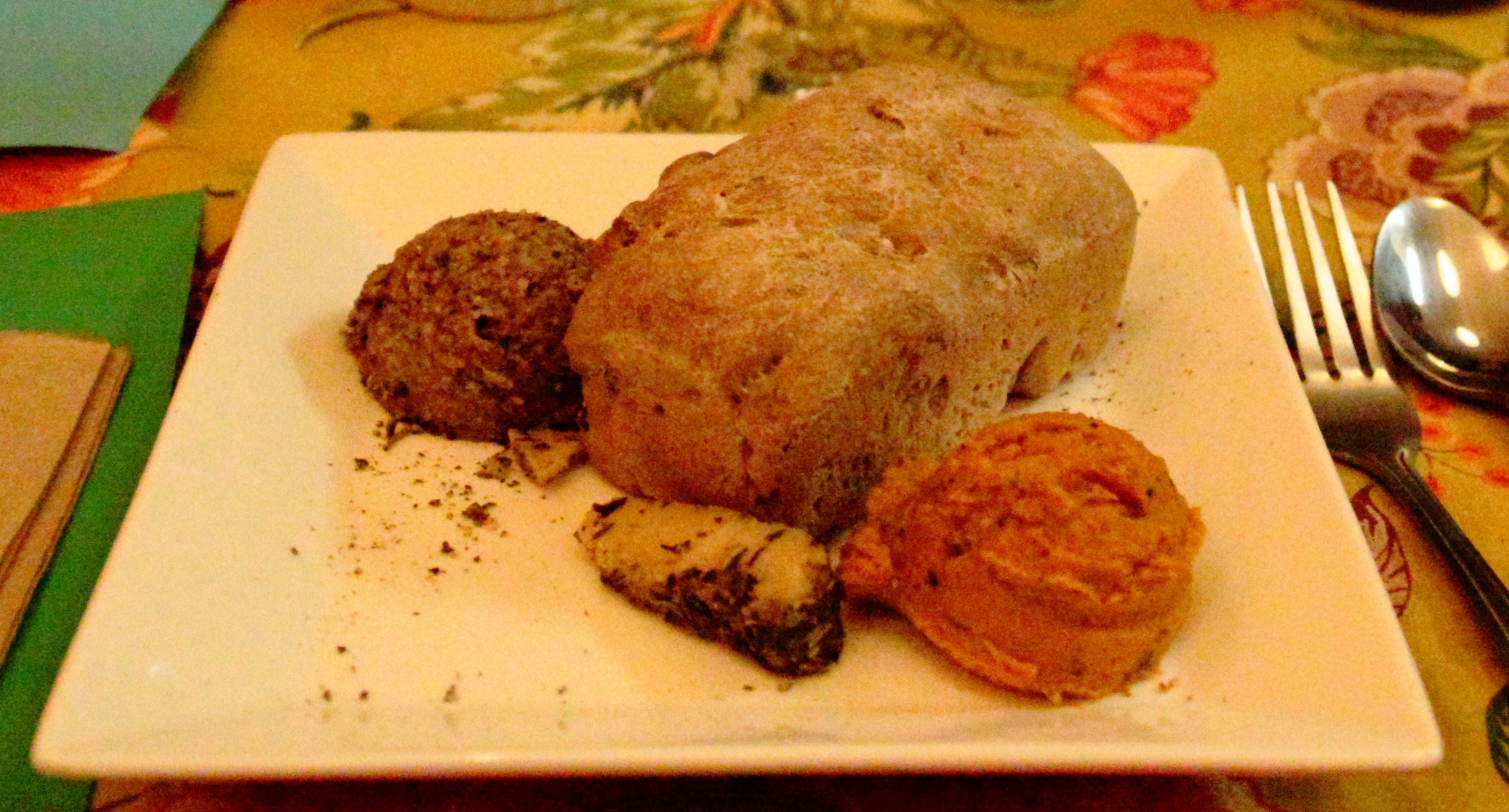
Mushroom Pate, Carrot Walnut Pate and Rosemary Bread, didn't get a picture of the fresh salad greens.

Mushroom Pate, Carrot Walnut Pate and Rosemary Bread, didn’t get a picture of the fresh salad greens.

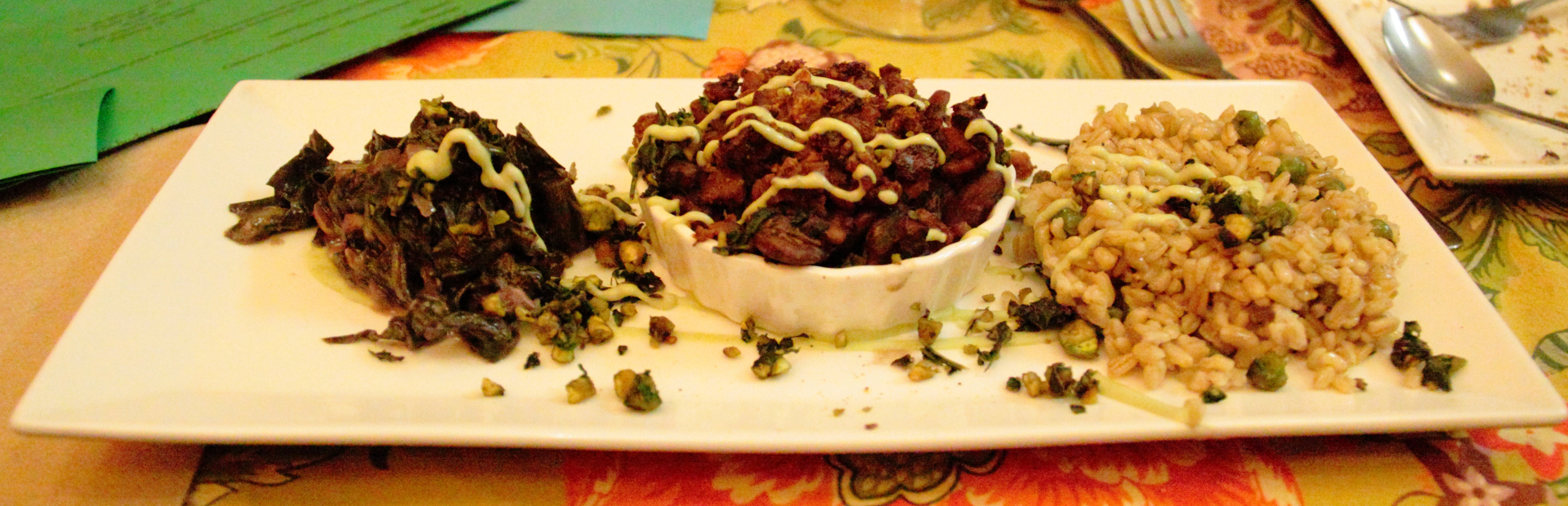
This night’s selection featured a creamy Potato Sorrel Soup followed by a salad plate consisting of rich Mushroom Pate, Carrot Walnut Pate, a freshly baked Homemade Rosemary Bread with Salad Greens and a tart Citrus Dressing. The main course consisted of Cassoulet, Oat Pilaf and Herbed Collards, all very tasty and very filling.

The main course of Cassoulet, Oat Pilaf and Herbed Collards.  It tastes even better than it looks in Phil's characteristically beautiful presentations, trust me.

The main course of Cassoulet, Oat Pilaf and Herbed Collards. It tastes even better than it looks in Phil’s characteristically beautiful presentations, trust me.

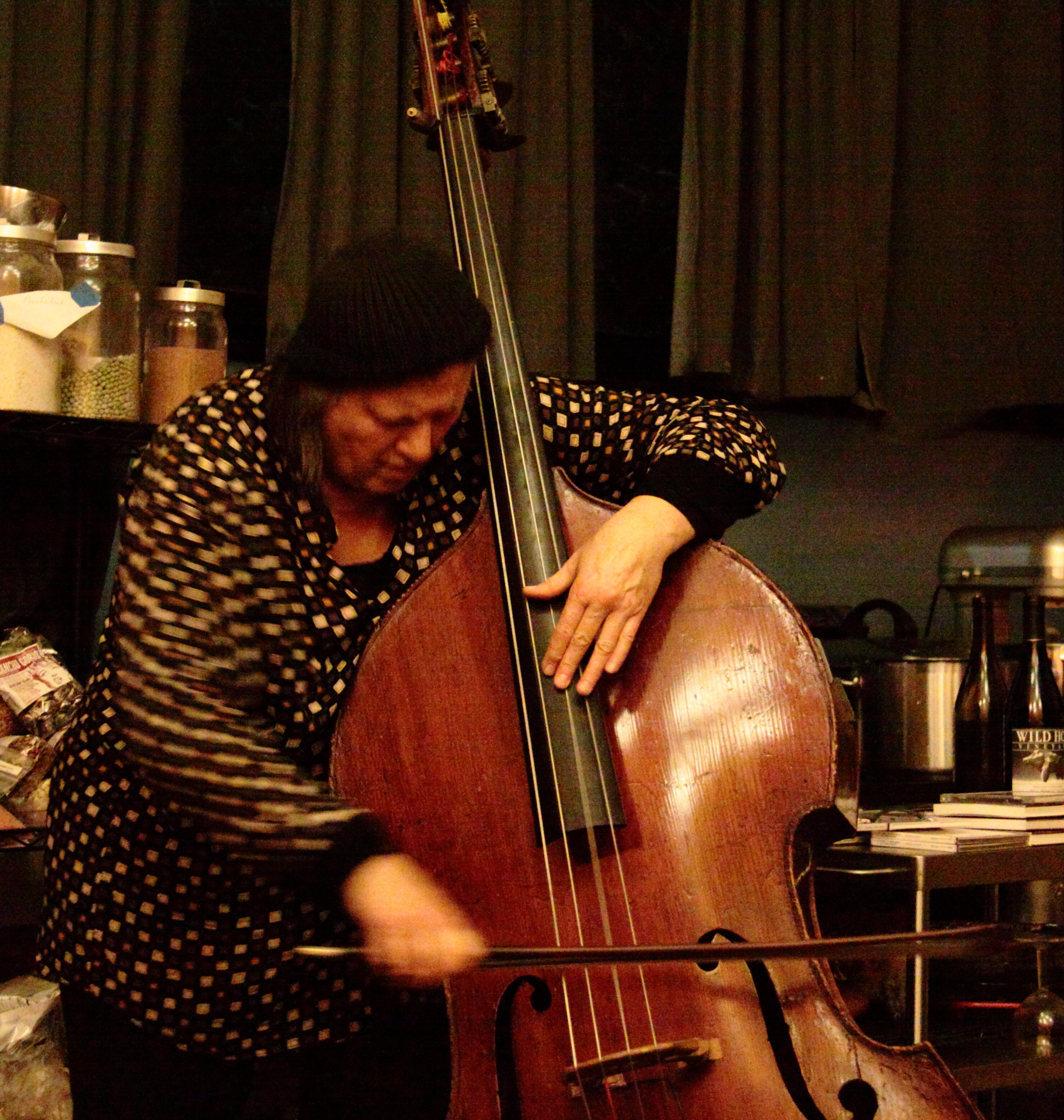
A feast such as this could not easily be upstaged but, in the little break before the dessert course, we were treated to a wonderful performance by Joëlle Léandre, the French Double Bass virtuoso, singer and composer whose work traverses a wide range of musical genre from John Cage to free jazz and categories that defy easy classification.  She has amassed a discography of over 100 albums to date and has performed with artists including Pierre Boulez, John Cage, Giacinto Scelsi, Derek Bailey, Barre Phillips (who appeared at this series a couple of years ago), Anthony Braxton, George Lewis, India Cooke (also one of Phil’s previous guest artists), Evan Parker, Irene Schweizer, Steve Lacy, Maggie Nicols, Fred Frith, Carlos Zingaro, John Zorn, Susie Ibarra, J.D. Parran, Kevin Norton, Sylvie Courvoisier and Pauline Oliveros (another recently appearing artist at this series).  Oh, and she has also performed and recorded with Mr. Gelb.

Leandre is a friendly and engaging person both in her playing and in conversation and we all had opportunities to speak with her and experience her charming personality as she related various observations and anecdotes.  These dinner/concerts are a uniquely intimate experience which you cannot get in the average concert setting.

Leandre embraced and nearly danced with her instrument.

Leandre embraced and nearly danced with her instrument.

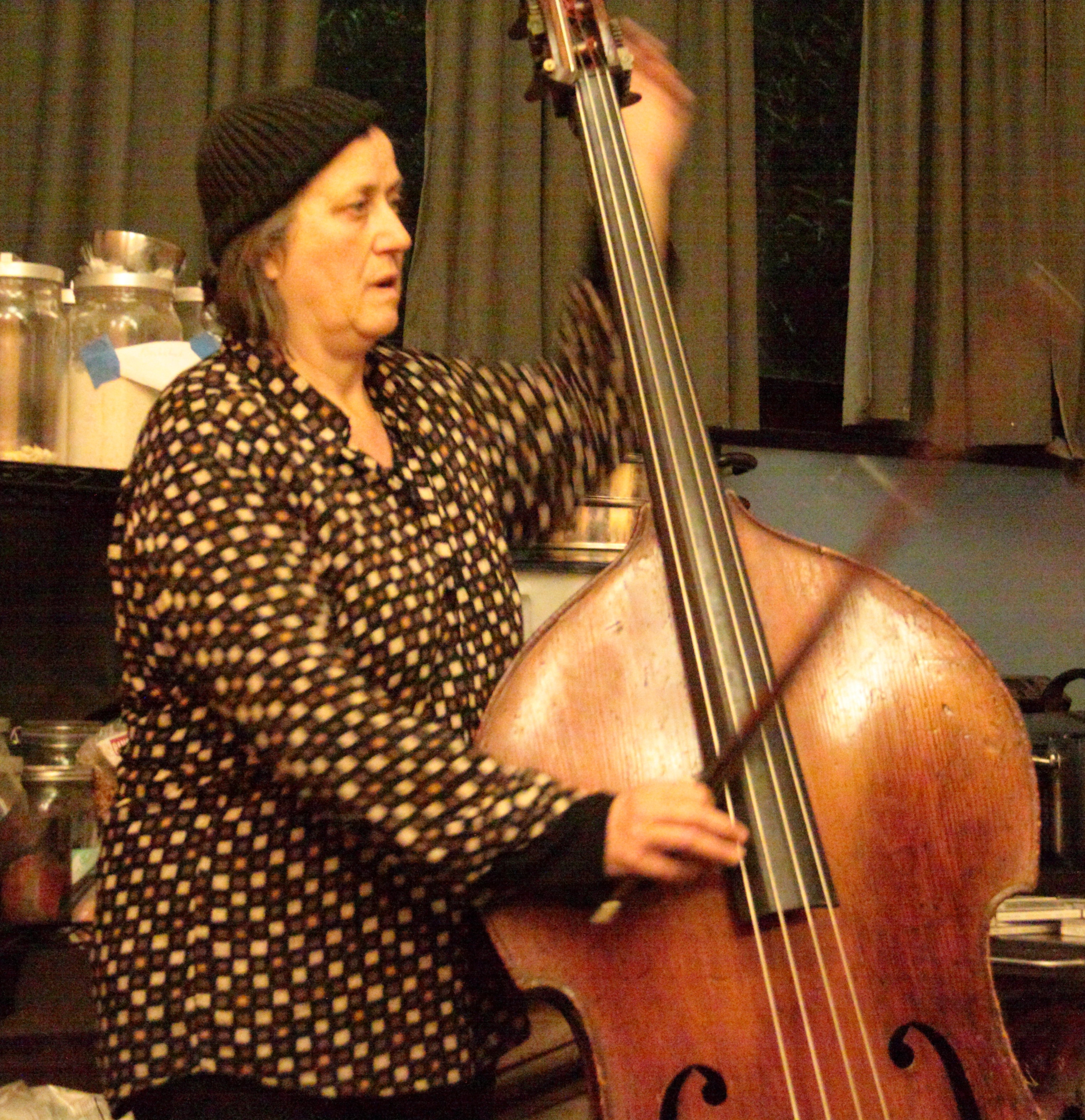
Ms. Léandre treated us with three separate improvisations in which she demonstrated her facility with a wide range of double bass techniques including various bowing techniques, pizzicati, percussive techniques and wordless vocals that mixed seamlessly with her very intense and passionate performances.  Unfortunately it is nearly impossible to really describe with any accuracy the music we experienced this night.  But suffice it to say that it was played in a manner that communicated very effectively with the very appreciative audience.  I asked her if she always plays with such passion and she rather matter of factly simply said, “yes”.

Her command of a wide variety of playing techniques blended together with her voice in an almost orchestral sound  tapestry driven by Joelle's passionate playing.

Her command of a wide variety of playing techniques blended together with her voice in an almost orchestral sound tapestry driven by Joelle’s passionate playing.

I was so taken with the performances that I failed to get a photo of the delicious dessert course which consisted of a Waffle Sundae comprised of a very fresh chocolate-buckwheat waffle covered with chocolate pistachio ice cream, maple walnuts and chocolate port sauce.  An amazing vegan sweet treat enjoyed by all.

The clearly happy audience lingered to talk with each other, with Phil and sous chef Cori as well as with Ms. Leandre who had a great selection of recent CDs and a couple of books available for purchase which she graciously signed.  Overall this was an extremely satisfying evening, certainly for this blogger and clearly for the other guests but also for our wonderful performer who left to get some sleep before her scheduled performances tomorrow at the Berkeley Arts Festival.

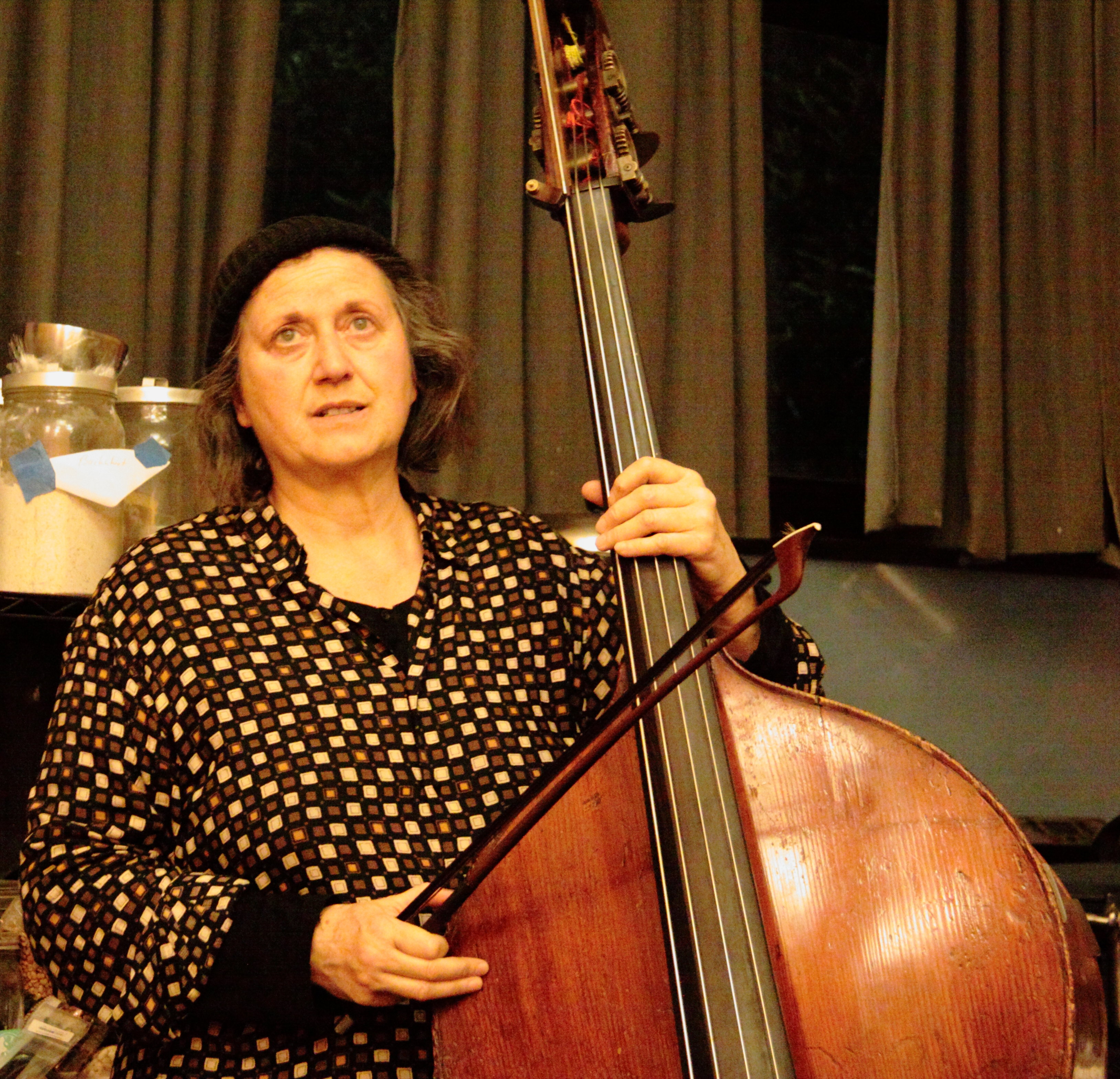
The performer pauses looking wistfully as the muse descends upon her.

The performer pauses looking wistfully as the muse descends upon her.


Blackness, Race and Music, What I Have Learned So Far


Two years ago, when I was just at the start of my blogging adventures, I decided it would be a good idea to do a few articles in honor of Black History Month. I am not black and I have no expertise in the area of black music but, in keeping with the personal perspective of this blog, I decided that my interest in these subjects is sufficient reason to express some opinions and ideas.  I chose Carl van Vechten’s portrait of William Grant Still, considered by many to the first major black composer to receive recognition in the 20th Century as my symbol for this article.  Much of his music remains unknown and little performed though there have been some significant recordings released in the last few years.

I called that first set of articles “Black Classical”. Curiously my brief article on black conductors has been one of my most read pieces (947  views as of the time I write these words).   So I continued to write on this subject in the following year. For my second set of articles I took the opportunity to look at the 50 year anniversary of the Civil Rights Act of 1964, by all measures a landmark piece of legislation. I asked a question, in part rhetorical because I had a basic idea of the answers I expected, but also to elicit opinions and to discuss issues of race and music.

I sent queries to a random set of composers and conductors and received a few very gracious replies. Comments ranged from carefully worded egalitarian musings on how black music and music by other racial minorities should be integrated and heard throughout the concert seasons to seemingly careful statements suggesting that this might not even be the right question or that it shouldn’t be asked. Not all comments were published but I am grateful to all who replied. And I have been able to continue this discussion in the various groups on Facebook.

I learned in a (yet to be published) interview with Anthony Davis some fascinating perspectives. Professor Davis did not address my question as I originally asked but he provided some valuable food for thought. It is worth noting that Davis is a composer whose politics are frequently very much in evidence in his music. In a discussion of the current state of music he commented regarding John Cage‘s apolitical stance by saying that, “John Cage’s silence is the silence of white privilege.” One could argue that taking an apolitical stance may have contributed to Cage’s ability to get grants and commissions.  Politically charged music generally does not fare as well.

In general I found more or less what I expected. The Civil Rights Act of 1964 has had little, if any, benefit for black musicians and composers. And given the ongoing killing of unarmed black men by police one must wonder if we have been going backwards as a society. But I don’t want to do a grand social critique here. That is a subject for another blog and is a bit outside of my scope at least for now.

I found some musicians who did not want to address racial and discriminatory issues. It seems the issue is too “hot” and that one could face consequences for even asking the question. And some did not feel sufficiently well-versed in Civil Rights history to make a truly informed assessment of this issues.  Perhaps it is a form of white privilege that allows me to ask such a question. We shall see if any reactions result in verbal attacks or (not likely I think) in a reduction in my readership.

What I have learned is that black classical musicians (who are not in short supply) occupy very few prominent positions in academia, in the public sphere of conductors and performers and in the representation in recorded performances of what is a rich but virtually untapped repertoire.  The inequality remains with perhaps some progress but not enough to pronounce the issues here as resolved to a truly significant degree.  But there is a vibrant community of black musicians who are working as did their predecessors to contribute to our collective culture and the discussions are both lively and stimulating.

In 2014 there was a performance by the Cincinnati Symphony of an Oratorio, “The Ordering of Moses” (1937) by R. Nathaniel Dett. The premiere performance of the piece (a beautiful and listener friendly piece of music) was broadcast live. But that broadcast was truncated, leaving out the finale when white listeners complained about music by a black composer getting so much airtime. Happily the entire piece was broadcast uninterrupted and made available in streaming format. However there is no commercial recording of this grand biblical choral work.

I was pleased to be able to review the fully staged performance in May, 2014 of Zenobia Powell Perry‘s opera Tawawa House (1984) in the unlikely venue of Modesto, California by Townsend Opera.  It was a heartfelt and beautiful production and was reviewed here.

Another interesting event in 2014 was the first appearance of three black counter tenors in a performance of a Purcell Opera in Los Angeles.  My blog on this subject can be found here.  I was pleased to make the acquaintance of Mr. Bill Doggett who has been very helpful in keeping me up on the latest developments with black musicians and composers and was the person who alerted me to this historic event.

Coming up in March at the Other Minds festival there will be performances by Errollyn Wallen and Don Byron.

I have been able to dialog with various black musicians on Facebook most notably through the groups Black Composers, The National Association of Negro Composers and Opera Noir.  Composer, performer and conductor Anthony R. Green is posting the name of a black composer every day for the month of February with examples of their work.

Some recent films have done much to tell the very unpretty history of black people in the United States including: 12 Years a Slave (2013), after Solomon Northrup‘s harrowing memoir,  Fruitvale Station (2013), a retelling of the execution style shooting of Oscar Grant at the hands of police in Oakland, California, Selma (2014), a dramatization of the 1965 march in support of voting rights (musical direction by Jason Moran).  And this trend, happily, seems to be on the rise providing artistic historical narratives to aid in the processing of the complex, shameful and painful histories depicted.  The lack of recognition by the motion picture industry supports my arguments for the poor representation and acknowledgement of black artists in general.

I have to mention that the wonderful set of recordings by Paul Freeman originally released on Columbia records remains available as a boxed set of 9 vinyl records with notes from the College Music Society now being offered at only $17.50 (that is not a typo either) via mail order.  I’m going to buy a couple of extra copies to give away as gifts.  It’s a really nice set.

Perhaps the most useful thing I learned is the egalitarian approach by conductor Michael Morgan who stated his desire that music by ethnic groups be integrated into programming on a regular basis rather than being highlighted in a given month.  (I am pleased to report that maestro Morgan will be receiving an award for his service to new music from the American Composers Forum.)  I am now using that approach with this blog in which I will continue to highlight the work of musicians and other artists whose work I find interesting and worth promoting.  So please stay tuned.


Other Minds 20 and Why You Shouldn’t Miss It


Official Other Minds Logo

Official Other Minds Logo

The three days of concerts scheduled for March 6, 7 and 8 of this year at the beautiful SF Jazz Center will mark the 20th anniversary of Other Minds opening the ears and minds of bay area new music audiences.  Previously composers could only appear once at this festival (thought performers frequently return) but the anniversary celebration is marked by the return of several alumni.  In fact the entire program consists of composer alums.

Other Minds is an annual festival of new and unusual music curated by bay area composer, producer, broadcaster Charles Amirkhanian and his crew at Other Minds.  Along with co-founder, now president emeritus Jim Newman and a varied and sometimes changing crew of talented and dedicated archivists, fund-raisers and coordinators this festival was born in 1993.

OLYMPUS DIGITAL CAMERA

Every year (though the actual month has changed for various reasons related to venue availability and funding) an international group of composers is brought together first at the Djerassi Arts Center just west of Palo Alto where they share their work and ideas with each other for a week in preparation for the performances of their work to come at the concert series.  This residency is a sort of private retreat open only to the composers and the staff of the center.  And given the range of musical styles it must be a fascinating thing to witness as composers largely unfamiliar with each others’ work gather to share and wonder at each others’ strange and innovative ideas.  Who knows what seeds may have been sown?

Sadly, Dr. Carl Djerassi who founded the center passed away on January 30, 2015.  His arts advocacy will live on through his beloved Djerassi Arts Center and this OM 20 will be a testament to that legacy.

What makes this festival so significant is the fine tuned and prescient nature of the selected composers.  Just a quick look at the list of composers and performers who have participated in the past looks almost like a who’s who of new music as practiced in the late 20th and early 21st centuries.  One of their commissions, Henry Brant’s (1913-2008)  won a Pulitzer Prize (Ice Field, 2001, Pulitzer Prize, 2002).  And it is programming with a uniquely west coast ethic, whatever that means.  I just know these programs are a different take on new music than that of the east coast.  Not a value judgement there, just a celebration of a different, equally important, point of view.


WHY YOU SHOULDN’T MISS OM 20

First you will find a generous (though hardly complete) selection of music by Charles Amirkhanian (1945- ) who has been at the helm of this festival from the beginning and was for 23 years the music director of KPFA radio where his programming and interviews with composers and performers of new music spanned a wide and eclectic gamut of styles and techniques.  Perhaps most significant has been his support of northern California composers whose work would otherwise have been poorly represented.  Amirkhanian’s keen ear has introduced a great deal of new and interesting music to bay area audiences and beyond.

Executive Director Charles Amirkhanian in his ...

Executive Director Charles Amirkhanian in his office with ASCAP award in background (Photo credit: Wikipedia)

In addition to his abilities as producer and interviewer Charles is also a noted composer.  Trained as a percussionist, he has written quite a bit of music which deserves recognition for its innovation.  His best known works are those with tape recording, sound poetry and the uses of language.   His music will be featured in several performances and will be a welcome and tantalizing complement to the overall diverse tone that characterizes OM programming.

Amirkhanian’s oeuvre will be represented by “Rippling the Lamp” (2007) for violin and tape, three short pieces for voice and tape, “Dumbek Bookache IV” (1988), “Ka Himeni” (1997), “Marathon” (1997) and, on the third concert, “Miatsoom” (1994-97), a piece based on sounds (vocal, ambient and musical) recorded during the only trip Charles and his father made to Armenia in 1994.  This approximately half hour work is typical of his ability to create a fascinating and meaningful sound collage.  Miatsoom is Armenian for reunion, indeed the apparent theme of OM 20.

In an uncharacteristically political expression this year’s festival is in commemoration of the 100th anniversary of the Armenian genocide.  Amirkhanian is the descendant (both he and his father Benjamin were born here) of Armenian immigrants and grew up in Fresno, California.  The genocide of 1915 (also the year of Benjamin’s birth) was in fact only the most infamous and fatal of the ongoing abuses by the Ottoman Turk government in response to Armenians seeking equal rights (a familiar social issue both then and still today).  Charles has been tactfully apolitical in his programming but his music at times has paid respectful homage to his ancestry and their struggles. It seems right to pay respect to one’s ancestors and perhaps acknowledge that we still have much to do and learn in our imperfect world.

Tigran Mansurian

Tigran Mansurian

Appropriately the esteemed Armenian composer Tigran Mansurian (1939-  ) has been welcomed back and will be represented by two major works.  Romance for Violin and Strings (2011) and Canti Paralleli (2007-8) for soprano and string orchestra are both scheduled for the third concert of the festival.  I was unable to find any details about these pieces but Mansurian’s work certainly deserves to be better known and these performances are a welcome opportunity to hear this major compositional voice.

Lou Harrison

Lou Harrison (Photo credit: Wikipedia)

Homage will be paid to two past masters who are no longer with us, American  composer Lou Harrison (1917-2003) and Australian composer Peter Sculthorpe (1929-2014).  Harrison was a beloved bay area figure whose work with gamelan and other world musics led him to experimentation with alternate tuning systems.  Harrison will be represented by his “Scenes from Nek Chand” (2001-2) played on a National Steel Guitar tuned in just intonation by the wonderful guitarist David Tannenbaum who will also play Sculthorpe’s “From Kakadu” (1993) for conventionally tuned classical guitar.  Sculthorpe, born in Tasmania, was one of Australia’s best known composers who essayed widely in chamber, choral and orchestral music. His 14th string quartet (with didgeridoo played by Stephen Kent) “Quamby” (1998), played by the amazing Del Sol Quartet (who recorded all 18 of the composer’s string quartets) is scheduled to conclude the first concert.

Peter Sculthorpe

Peter Sculthorpe


Pauline Oliveros

Pauline Oliveros

Pauline Oliveros (1932- ) is one of the grand ladies of new music.  Her theoretical work in defining music and the act of listening as partners in the creative process and her subsequent compositions including ground breaking work with early electronics with the San Francisco Tape Music Center and later at Mills College characterize her wide range of interests and her insights.  Her principal instrument, strangely enough, is an accordion and she will be performing as well.  OM has commissioned a new work from her, “Twins Peeking at a Koto” (2015, world premiere) for two accordions and koto.  to be presented at the second concert.  Playing the koto will be Miya Masaoka (1958-  ) whose second string quartet will receive its world première on the first night by the  Del Sol Quartet.  Masaoka, Japanese/American native of Washington D.C., is a New York based composer whose work brings her to the west coast frequently where she is a founding member of the Bay Area experimental improv trio Maybe Monday.  Her work involves improvisation and frequently uses unusual sound sources like bees and even cockroaches (not to worry, no insects are slated to perform) and creates site specific multi-disciplinary works in collaboration with musicians and dancers.

Miya Masaoka

Miya Masaoka

Errolyn Wallen (1958-  ) can be said to embody the OM ethic.  Born in Belize, Wallen  left the Dance Theater of Harlem to study composition in England and says of her work, “We don’t break down barriers in music…we don’t see any.”  Her Percussion Concerto (1994)  was the first work by a black woman to have been performed at the London Proms Concerts.   Her “London’s Burning and other songs” will be played on the second night by the SOTA string quartet and Wallen voice and piano.

Errollyn Wallen

Errollyn Wallen

Don Byron (1958- ) similarly states that he strives for “a sound beyond genre”.  Steeped in classical, jazz and folk musics, Byron’s quartet (Don Byron, clarinet; Aruán Ortiz, piano; Cameron Brown, bass; John Betsch, drums) is featured at the conclusion of the second night of the festival.

Don Byron

Don Byron

Maja S.K. Ratkje (1973- ) from Norway whose work is perhaps related to Mr. Amirkhanian’s  in her exploration of the possibilities of the human voice.  Her “Traces 2” (2014-5) will receive its U.S. premiere on the first night’s concert.

Maja Ratkje

Maja Ratkje

The third concert will be unusual for two reasons.  First it will take place beginning at 3PM and, second it will feature a full orchestra.  This night will conclude with U.S. premiere of the Second Symphony (2014) by Michael Nyman (1945- ) .  Nyman is perhaps best known for his numerous wonderful film scores but is also highly accomplished in his work in the concert hall.  In the past three years Nyman has turned for the first time to the Symphony form and has completed to date no fewer than 11  symphonies.  Quite a feat.

Michael Nyman in Sant Cugat del Vallès

Michael Nyman in Sant Cugat del Vallès (Photo credit: Wikipedia)

Tickets still available as low as $15/night.  Quite a festival!


My 2014, a Summation and (sort of) “Best of…” List


The stage at Kanbar Hall stands ready to receive performers on opening night of OM 18

The stage at Kanbar Hall stands ready to receive performers on opening night of OM 18

As New Music Buff heads on into its fourth year in the online realm I find that I have a steadily increasing readership averaging 18 hits per day with an international reach of about 88 countries. I say readers, not followers because the stats provided have no way to track returning visitors but you know who you are.  And I thank WordPress for their entertaining summary published earlier here.


Last year I provided a list of my greatest hits (i.e. my most read articles in 2013) so here is a list of 2014’s top ten:

Black Classical Conductors (Black Classical Part Two)
This is a 2013 article which continues to be popular. I did an addendum called: Black Conductors, A Belated Addendum  and received a note from Tania Leon who remarked quite correctly that she is indeed a black American conductor.  Clearly I will need to expand this survey once again.

Maybe Music Remains Forever
This review of the excellent newly released Martin Bresnick CD went the equivalent of viral for my blog and I was pleased to have discovered the work of this wonderful American composer.

Primous Fountain World Tour Begins in Moldova
This relatively little known living black American composer was a child prodigy whose second symphony was commissioned by Quincy Jones had his sixth symphony premiered in Moldova in 2014.

Tawawa House in Modesto?
I was granted a comp ticket to see this really great performance of a little known 20th century opera by a black female American composer, Zenobia Powell Perry.  It was a great experience, a passionate, entertaining performance and put Modesto on the musical map for me.

Other Minds 18, Three Nights on the Leading Edge
Curiously this review was read more than the one about the 2014 Other Minds 19. More to come about the upcoming Other Minds 20.  For anyone who doesn’t know this is my favorite new music festival.

Far Famed Tim Rayborn Takes on the Vikings
This article about a 2013 performance by this very talented multi-instrumentalist, singer and scholar/historian continues to be popular. I’m hoping to catch another of his performances in 2015.

Black Composers Since the 1964 Civil Rights Act: Primous Fountain
I started in 2013 writing an occasional series of articles for Black History Month. I had no idea how popular this would become. The theme for the 2014 series is given in the title and you can rest assured that I will continue the series in 2015.

Tom Johnson and Samuel Vriezen, Great New Recording
A review of a crowd sourced recording project and one of my favorites of 2014.

Black Composers Since the 1964 Civil Rights Act
This is the introductory article for the 2014 series. Many thanks for the comments and support on this article and its successors.  I plan to give my summation of the various responses on this received both on and off the books.

Abraham Lincoln and the Avant Garde
This is one of an ongoing series of articles on political expression in music. It was after I friended Dorothy Martirano on Facebook and mentioned this piece that the article got a few new readers. Perhaps I should have mentioned the composer in my title.  Kudos to the late great Salvatore Martirano, gone too soon and too little known even now some twenty years after his passing.


SOME OF MY FAVORITES FROM 2014

Now regarding my personal favorite recordings of 2014 I have to insert a disclaimer to the effect that I make no claim whatsoever to this list being comprehensive or representing anything more than a few of my personal favorite recordings encountered in this past year. My apologies in advance to those I missed. I hope to catch up some day. So, in no particular order:

Mysterienspiel 2012

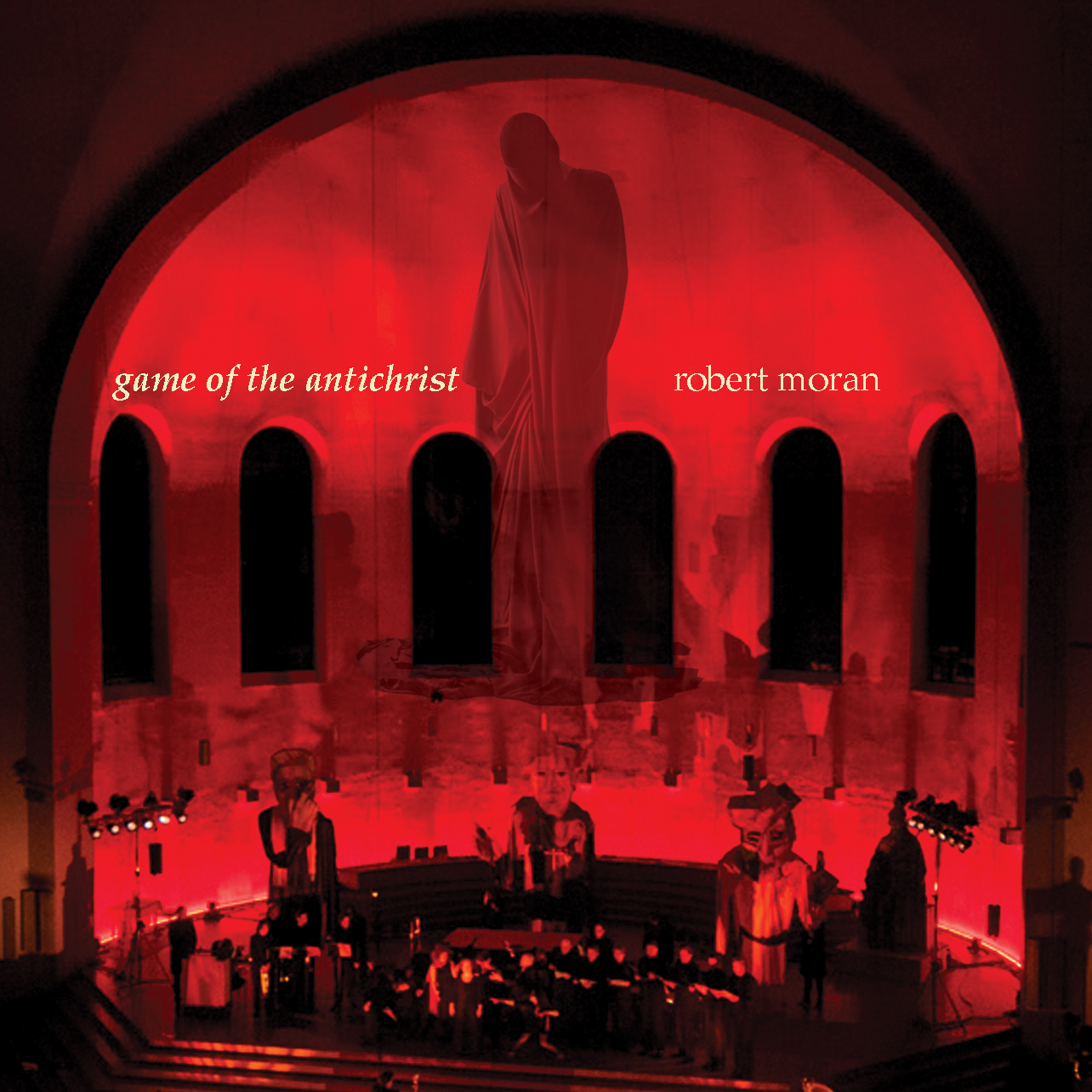
Game of the Antichrist by Robert Moran (Innova 251)
I promise a more comprehensive review soon but this is a great CD by a too little known American composer.  Mr. Moran recommended the disc to me after I wrote to him praising his wonderful “Trinity Requiem”.  I plan a more comprehensive article soon.  Meanwhile here is a link to a performance on Vimeo.

AZ spread

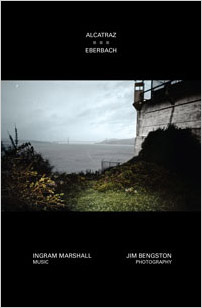
Alcatraz/Eberbach by Ingram Marshall and Jim Bengston  (Starkland S-2019)

This DVD is essentially the completion of a collaboration of photographer Jim Bengston and composer Ingram Marshall.  As such it is the most complete artistic statement superseding the audio only release (still worth having by the way) from some years ago.


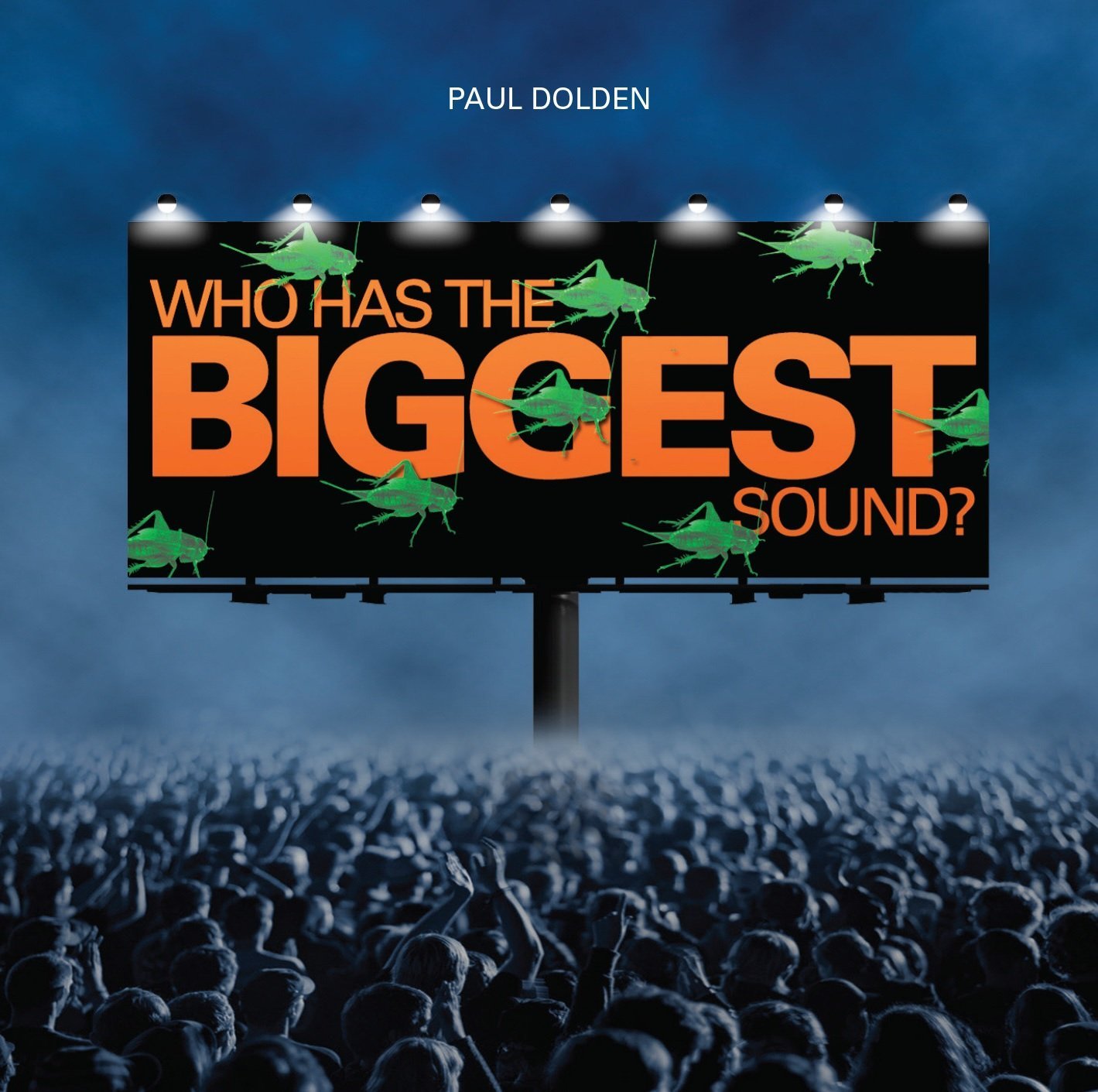
Who Has the Biggest Sound? by Paul Dolden. (Starkland ST-220)
A difficult to categorize recording that brings two major works by this (previously unknown to me) Canadian composer to the listening audience. I reviewed this disc here.  I am still working on absorbing its subtleties.

221CoverB

Prayers Remain Forever by Martin Bresnick (Starkland ST-221)
In addition to providing me with quite a few readers the opportunity to review this recording introduced me to the work of this too little known living American composer.  My review garnered quite an amazing amount of readers as well as an appreciative response from Mr. Bresnick himself.  And now I find myself buying his other recordings.  Really great music.


Album cover

Album cover

Notes from the Underground by Anthony Davis. (BMOP sound 1036)

I have been a fan on Anthony Davis and his music for some years now and I was pleased to be able to review this disc.   I  was later able to obtain an interview with Professor Davis which will be forthcoming later this year.

download

Tom Johnson/Samuel Vriezen Chord Catalog/Within Fourths, Within Fifths. (Edition Vandelweiser)

I eagerly reviewed this crowd sourced CD in which I was proud to be one of the contributors to its production.  It is only the second recording of Johnson’s landmark of minimalism and an opportunity to hear the work of the fine composer/performer Samuel Vriezen.

basketmonk

Basket Rondo/Jukebox in the Tavern of Love by Meredith Monk/Eric Salzman. (Labor LAB 7094)

This Labor Records release would have escaped my attention were it not for my having run across it while researching another new music article.  New music aficionados might remember Eric Salzman for earlier works such as “Civilization and It’s Discontents” and his involvement with Nonesuch records or one of his many other significant involvements in the new music scene over the last 40 years or so.  This disc is the première recording of Meredith Monk’s “Basket Rondo”, one of her best realized new works as well as the première of a great new sound/music drama by Salzman.  A more thorough review is in the works.

howardhersh2

Something by Howard Hersh ( Snow Leopard Music 888295062350)

Mr. Hersh kindly sent me this CD for review which will be forthcoming but it easily makes it to my favorites list for 2014.

webreaknonclass

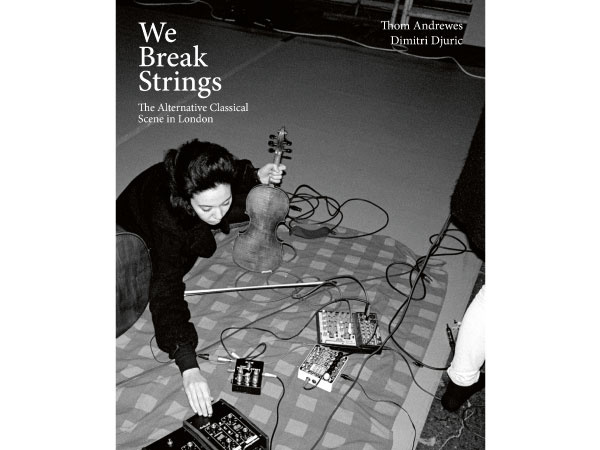
I also have to mention another crowd sourced project, “We Break Strings” by Thom Andrews and Dimitri Djuric, a book about the “alternative classical scene in London”.  The book which includes a CD sampler languishes in my “to be read” stack but my initial perusal left me with the impression of a beautifully conceived and executed volume which has much to offer the musically curious.  More about this book in a future blog.


2014 in review


The WordPress.com stats helper monkeys prepared a 2014 annual report for this blog.

Here’s an excerpt:

A New York City subway train holds 1,200 people. This blog was viewed about 6,400 times in 2014. If it were a NYC subway train, it would take about 5 trips to carry that many people.

Click here to see the complete report.