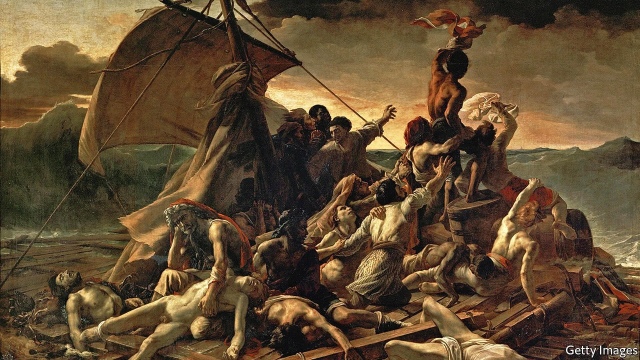
Political Classical: Conflict in the Concert Hall, Hans Werner Henze’s “Das Floß der Medusa” (1968), then and since then.


Cover of the original vinyl release of “Der Floss der Medusa”

The 1913 riotous premiere of Stravinsky’s “Rite of Spring” is pretty well known in classical music history. Sandwiching the premiere of his masterpiece of modernism between well known conservative chestnuts such as “Les Sylphides” (an orchestration by Alexander Glazunov of piano music by Chopin, 1907-9) which opened the concert along with Carl Maria von Weber’s “Les Spectre de la Rose” (an 1841 Berlioz orchestration of Weber’s 1819 piano piece, “Invitation to the Dance”) and Alexander Borodin’s “Polovtsian Dances” from his opera “Prince Igor” (1887-1890) which were programmed to follow it. Combine these (familiar to audiences) conservative works with the Rite’s original choreography by Vaclav Nijinsky and the subject of pagan ritual that form the scenario played before an audience consisting of elite concert goers seeking a familiar easy experience along with a burgeoning group of bohemian leaning audience members (who loved the Rite’s loud, subversive nature of both music and staging) and you have a formula for conflict. Speculation is that Stravinsky and/or his producers planned this event to create a contrast for his new modernist work but more likely it was a largely a product of its time and of human nature.

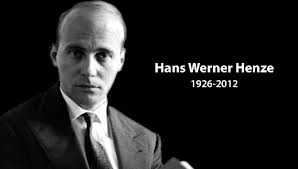
Fifty two years later, Hans Werner Henze appears to have had nothing in mind (at least initially) other than the premiere of his new work, “Das Floß der Medusa” (The Raft of the Medusa) on December 9, 1968 in Hamburg’s “Planten und Blomen” Hall. The recording which was later released on DGG LPs had been done sans audience on the previous days, December 4-8th, and preparations were being made for that night’s world premiere performance before an audience.

An article would later run in the German magazine Der Spiegel describing the event. I present the text of that article in my own translation:

Der Spiegel, December 12, 1968

“What is necessary”, says Hans Werner Henze, 42, “are not museums, opera houses and world premieres … What is necessary is the creation of mankind’s greatest work of art: the world revolution.”
Last Monday, Henze’s “Das Floss der Medusa,” an “Oratorio volgare e militare, in due parti” commissioned by the NDR, was to be premiered in Hamburg — instead, there was a revolution in the hall.

The 1060 seats in Hall B by Planten un Blomen were fully occupied, the NDR Symphony Orchestra was already tuning the instruments, on the podium were ready: Edda Moser (soprano), Dietrich Fischer-Dieskau (baritone) and Charles Regnier (speaker) , the North German Radio Choir, the RIAS Chamber Choir and the St. Nikolai Boys’ Choir. The game could begin, and it began — a duo volgare e militare between NDR and SDS.

Because the Berlin SDS friends under Gaston Salvatore, summoned by Henze, didn’t want to do without this premiere of the APO (Außerparlamentarische Opposition) man Henze any more than the socialist students of the Hamburg Music Academy — albeit for different reasons: The Hamburgers cared about Henze’s music as reactionary to expose the Berliners, to bring their Hamburg colleagues to reason and to divert attention to the middle-class audience. Action against Henze, argued the Berlin “Project Group Culture and Revolution,” would only benefit the bourgeois enemy.
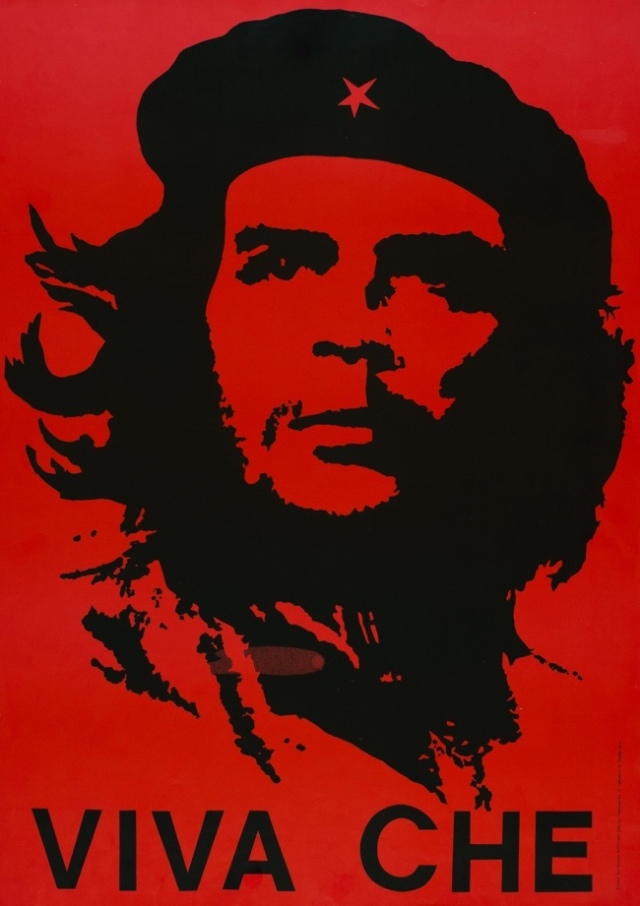
Che Guevara (1928-1967)

After three days of palaver, the Hamburg wing was lame. For example, the intention to ask the composer to explain the structures of his music when he played Medusa was abandoned, as was the plan to intervene in the choral singing, and the attempt to expose Henze’s listeners to Henze as culinary Henze consumers.

On Monday evening, Berliners and Hamburgers moved in socialist harmony to Planten un Blomen, the premiere location that Henze claims to have confused with Blohm & Voss. At least that’s how the Berlin SDS had informed the Hamburg SDS.

NDR program director Franz Reinholz, to whom Henze owes the “Medusa” commission, knows otherwise: “Henze,” Reinholz assures, “inspected the hall himself beforehand. He was also informed about the audience.” shipyard workers, it was, the socialist students recognized once again, an audience of “rich bastards.”

Shortly before 8 p.m. the squad was ready for action in Hall B. And before the conductor Henze stepped out of the artist’s room, Che was already in the hall: the agitators had pinned a Che Guevara portrait to the desk; it was intended to remind us of what had been concealed in the program with Henze’s approval: the oratorio is dedicated to the Latin American freedom fighter.

NDR program director Franz Reinholz didn’t appreciate this memento at all – he tore down the poster. He felt that politics and art did not go together.

The students didn’t think so. They put up a new poster and hoisted the red flag, and a team of anarchists, who had come with duck decoys and other hunting instruments, hung a black one next to it. Then the radio hit, the police joined in, the RIAS Chamber Choir began, but not in unison. “Lower the red flag,” demanded one singer, two singers left sobbing: “We are Berliners and have had enough of red flags.” to whose honor they should sing, left the stage and never came back.

The composer, however, was determined to prove his revolutionary sentiment to his comrades for the first time by saying, “The red flag,” said Henze, “it stays.”

While NDR director Gerhard Schröder (SPD), long since in the safe broadcasting van, stopped the live tumult at 8:19 p.m. and radioed his listeners a recording of the dress rehearsal, his deputy, Freiherr von Hammerstein-Equord (CDU), countered in the hall the resistance of the demonstrators banners and placards; A little later, a squad of 25 police officers, visors on combat helmets, broke into the hall. “Nazis!” “Fascists!” shouted the audience. One artist yelled enthusiastically, “Down with the Reds!”

“The police,” Hammerstein explained, “were ready at the request of the NDR, which considered demonstrations possible and had to ensure the safety of its employees, the audience and valuable instruments.”
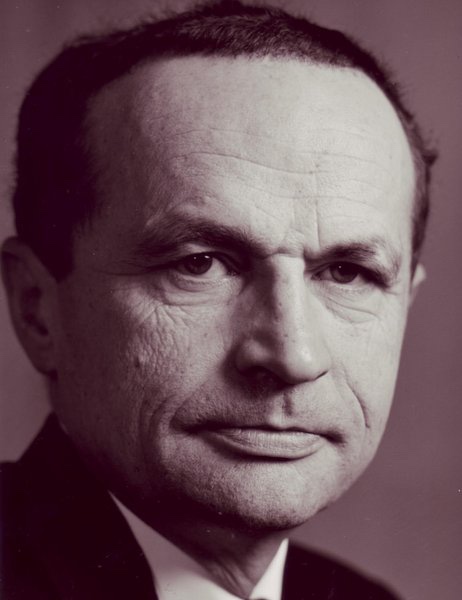
Ernst Schnabel, librettist

NDR employee Ernst Schnabel, librettist of “Medusa”, felt the precautions thoroughly. Several police officers threw him through a glass door, expedited him with six other delinquents to police headquarters, took his fingerprints, and locked him in cell 7 until midnight. Schnabel to Hammerstein-Equord: “We don’t have breakfast together anymore.”

Meanwhile, Hammerstein kept order in Planten un Blomen. When Henze informed the audience: “The intervention of the police prevented the discussion,” Hammerstein snatched the microphone from his hand. The hands in the stalls responded with rhythmic Ho Chi Minh clapping, and Henze clapped along — three times. Then he disappeared through a back door.

At that time the “raft of the Medusa” was already well advanced in the ether waves — on the usual counter-revolutionary course.

“Wherever”, the “Süddeutsche Zeitung” judged, “the choirs sang, there was the old, floating, iridescent Henze sound, which doesn’t hurt anyone and never becomes distinctive. The orchestra … strangely often reminded of Richard Strauss.”

The music critic Heinrich von Lüttwitz saw “Medusa” as a “tragi-comic absurdity” full of “romantic colours”, with “sometimes clumsy, sometimes fussy recitatives and melodramas”.

Henze biographer Klaus Geitel saw the “raft” in the “ocean of an emotional but overly extended, lyrically colored monotony”.

It may be that, as Henze puts it, this evening “brought him a little further” politically. But the Henze fans in the APO have failed — that’s how the currently most thoroughly analyzing music theorist Heinz-Klaus Metzger, who identifies with the “anti-authoritarian wing of the SDS,” puts it.

‘The APO, Metzger predicts, ‘will only have created meaningful conditions when German musicians no longer refuse to perform under a red or even a black flag, but instead perform a work by Henze. And for strictly musical reasons. Unfortunately, not even Tucholsky’s bon mot applies to this composer: “Because of bad weather, the German revolution took place in music.”

______________________________________

——————————————————–

So it went in 1968. The Oratorio performance was cancelled and the world premiere had to wait until January 29, 1971 when it was performed in Vienna by the ORF Orchestra conducted by Miltiades Carides. The recording of the first performance was achieved prior to the performance with the audience. That recording was released in 1969.

Many more performances followed but one of those performances, in 2001, was attended by a former chorister, Henning Sidow. He was twelve years old at that 1968 non-concert. And the following article on his experiences of that attempted performance was published in Der Spiegel in 2013.

————————————————–

__________________________________

Blaze at the choral-concert. How the “Raft of the Medusa” went down.

He was anxiously awaiting the big performance: when he was twelve, Henning Sidow was supposed to perform on stage with the NDR boys’ choir in Hamburg. And indeed, the live performance of the oratorio was exciting – but for completely unexpected reasons.

The boys’ choir was founded in 1960 as the choir of the North German Radio and has been connected to the main church of St. Nikolai since 1967.

“As a twelve-year-old in 1968, I had only vague ideas about the political and social turmoil of the time. But on December 9th, as a member of the St. Nikolai boys’ choir, they became tangible experiences for me as a result of the unsuccessful premiere of the oratorio “Das Raft der Medusa” by composer Hans Werner Henze in Hall B in Hamburg’s Planten un Blomen Park.

I had been in the boys’ choir for four years, which belonged to the NDR until 1967 and was then taken over by the St. Nikolai parish in Hamburg. We “experienced” boys felt quite up to the task of taking part in Henze’s musically demanding oratorio and also appearing in a world premiere that was to be broadcast live on the radio.

The play tells the tragic story of the French frigate “Medusa”, which ran aground as the only ship in a convoy on the way to Senegal in 1816. Since there were not enough lifeboats for the 400 people on board, the crew built a raft that could accommodate around 150 men, women and children and which was to be pulled ashore by the boats. But the officers fled in the boats, leaving the people on the raft to fend for themselves. On the day of the accidental rescue 13 days later, there were only 15 survivors. The others fell victim to starvation, lack of water or cannibalism.”

Hide and seek in the empty hall

“Our boys’ choir was supposed to portray the children on the raft – first as living, then as dead. A difficult piece with a socially critical background, this “Raft of the Medusa”, we knew that. It meant not only intensive rehearsals, but also many afternoons and evenings of rehearsals. What we didn’t know was that the premiere was never to take place.

The location of the event and the preparations fascinated me. The hall seemed huge to me as a child. Large platforms were set up here for the performance, with countless instruments on them. There were people everywhere: stagehands, technicians, orchestra musicians, choristers and soloists – it was just teeming. Now we guys were added.

We had a lot of waiting time and were able to explore everything. So we crawled under the stage construction, played hide and seek, crawled under the platforms and shimmied over wooden struts until we got too many splinters in our fingers. And right next door there was another hall, several stories high – a gigantic glass box. There was no event taking place at the time, so the hall was yawning and unlit. We strolled through them, hearts in our pants because of the darkness and the eerie acoustics of the room.”

Protest in the concert hall

“Then things got serious, rehearsals began. In my memory, Hans Werner Henze was a small man who was already a bit bald at the time, but incredibly energetic. He radiated a mixture of warmth, ingenious artistry and normality. We boys found him sympathetic, but he had no airs and graces and met everyone completely naturally, friendly and patiently. He treated us as if we were adults, which I found very beneficial. When I was a child, I was used to other well-known personalities whom we had met here and there through our performances to be treated and professionally not taken very seriously.

Henze was excellent at conveying his music to the participants, it was lively, colorful and exciting like the story itself. The dramatic story and the historical background that he and the music told us captivated me even then. Conducting, however, was not his thing, I remember his somewhat awkward gestures. But that’s not so important in a professional ensemble, as long as the right impulses and cues come. In any case, we children liked and admired him and his music.

On December 9, 1968, as far as I can remember, the hall was filled to the last seat with an audience. There was talk of more than 1000 guests. Henze was already at the desk. But just before it started, there was a small crowd in front of the stage. A few protesting students stood directly in front of the podium and hung red flags to the left and right of Henze’s desk. It was not clear whether the master just put up with this or whether it had been agreed with him, as was later speculated. In any case, he didn’t seem to put up much resistance to the activities.”

The situation is escalating

“Shortly thereafter, the audience and the choir became restless. Because one of the choirs, the RIAS Chamber Choir, came from Berlin, the enclosed city. Red flags were literally a red rag for many who lived there. At first I – and I’m sure my fellow boys too – didn’t understand much of what was happening down there. But when voices from the Berlin choir grew louder and louder, refusing to sing under “the red flag”, I understood what it was all about. The adults feared that they and the music would be exploited by demonstrating communist students. In addition, a large portrait of Ché Guevara has now been erected, to which the work is dedicated.

Henze’s efforts to get the performance started were nipped in the bud by the boycott of the Berlin singers. The removal of the communist symbols was demanded louder and louder from the podium, before they would refuse to sing a single note. In the meantime it was getting more and more restless in the auditorium and in front of the stage there were small scuffles between the demonstrators and some spectators who got involved. Negotiations between the choir and the composer were taking place behind the scenes as to the conditions under which the performance could still take place.

We boys watched the whole thing with suspense, since the circumstances had now reversed: the auditorium had become the stage, and we on the podium had a box view of this live cultural scandal. Music was out of the question. In the back of the hall, the doors flew open and police officers in full riot gear marched in. Like a horde of ants, they came down the aisles from several sides to the podium. I don’t remember how many there were, maybe a hundred. They looked particularly martial with their helmets with full visors and the shields they – to protect against what actually: a few students, musicians and false notes? – carried in front of them.”

A dark chapter

“Henze had meanwhile disappeared unnoticed and downstairs young people were having their arms twisted behind their backs in order to be taken away. Among them was Ernst Schnabel, who wrote the text of the play. He was later charged with “resisting the authority of the state”. On the other hand, part of the audience did not like the actions of the police and protested, which did not prevent the state authorities from their plan to convict the “perpetrators” in flagrante delicto.

I can’t remember exactly how long the commotion lasted. In any case, it never came to a performance, and at some point we left the stage disappointed. It was incomprehensible to us children why a few red flags and the likeness of a bearded South American led to such an uproar. For us it was about art, about music. We felt cheated of our work.

The newspapers reported extensively on this event in the following days. Some tabloids insisted on turning it into a real political scandal. To this day it is unclear to me what the state authorities were thinking when they made this appearance. That’s for sure

That she was thin-skinned in those times and liked to overreact on such occasions. The fear that the ideology that prevailed behind the Iron Curtain could also spread to the West was too great.

For Hans Werner Henze, who died in 2012, this scandal is said to have been a dark chapter in his artistic career. Later, it is said, he did not want to be reminded of it.

My own memories of that evening only surfaced again years later: at the much delayed premiere in June 2001 in Hamburg’s Laeiszhalle. After 33 years I experienced “The Raft of the Medusa” a second time. The fact that I was still able to silently speak and sing along to the lyrics and the music showed how much the piece and the story it was based on had impressed me at the time. None of it was lost. I left the performance deeply touched.”

___________________________________________________

So, here we are some 46 years after the riotous non-premiere of Henze’s fine oratorio/requiem, 111 years since the famed “riots at the Rite”. The Stravinsky has since firmly taken its place in the commonly performed orchestral and ballet repertory. The Henze work, never laying any claim to the seminal and visionary compositional methods that characterize Stravinsky’s landmark work, continues to receive performances and recordings having established itself as a substantial work, and himself as a significant composer with a rich and varied career.

NB: All translations are my own efforts. Historical photos are included under fair use terms.

New Music Buff’s Best of 2023


Attack of the Music Memes

After agonizing about writing a “best of” blog and publishing it before January 1, I decided to take a pause and enjoy the holidays. So here I look back on my 2023 in the rear view mirror but with memories still pretty fresh.

Regular readers of this blog likely already know of my oft shared opinion of the superfluous nature of “best of” lists and of my acquiescence in producing such on an annual basis. I certainly don’t think of this as a meaningless exercise and I think the process has grown on me. It is a chance to achieve a perspective which would be missed by simply plowing on ahead with the usual flow of reviews and articles. But drawing down that 12 month perspective is an opportunity to evaluate those months, to see where we’ve been and to hopefully get a smidgen of insight into where I/we are likely headed.

My Facebook friends will recognize the representative meme at the head of this article which is one of the more cloying aspects of “AI”, whatever that is. So indulge me for a moment to look at this seemingly new intrusion into the reality we thought we knew. So, what is “AI” and what will it do to us? Ultimately I’m not the one to answer that question but I’d like to throw some ideas to add to the speculation.

First, the choices a composer makes, like the choices of a painter, a writer, etc. are the stuff of the mystery of creation itself. Why “A major”, or why that tuning, or scale, or rhythm, or orchestration, etc? So along comes the notion of removing, or at least distancing, the artist from their creative product. That notion started not with famed proponent John Cage but rather with Johannes Chrysostymous Wolfgang Amadeus Mozart in his K. 516f musical dice game. Voila! Algorithmic composition (actually fairly common practice in the classical era). An early manifestation of “AI”? Perhaps.

Lejaren Hiller (1924-1994) was the first composer to employ electronic data processing in a musical work in his Fourth String Quartet subtitled “Iliac Suite” in 1957. There followed similar experiments with various iterations of electronic creations at music centers worldwide including The University of Illinois at Champaign, Columbia-Princeton, Stanford, The University of California Berkeley and San Diego, The San Francisco Tape Music Center (later subsumed into the Mills College Center for Contemporary Music, IRCAM in Paris, Israel Electronic Music Studio, and counterparts in the Nordic countries, Germany, Belgium, etc. Proto “AI”?

While historically interesting I raise this issue to say that, as far as I can tell, “AI” has not made this writer’s greatest hits list but it is interesting and maybe even useful. With that, my concern for the subject officially goes to the back burner for a later time.

2023 has been a year of great personal changes for the writer of this blog. A job change, a geographical relocation, and many things unrelated to this blog characterized a busy year for New Music Buff. So here in a sort of holiday tradition I present my “Best of 2023” from my little listener’s corner of the world. For the sake of simplicity I present a more or less chronological exposition of my sonic adventures. (N.B. Not one portion of this article made use of “AI”).

I begin with not with my 20 most read posts, a practice that characterized previous iterations of this annual exercise. Instead I am providing my top 20 favorite releases that were reviewed in 2023. Please note a couple of caveats. First, I receive a lot of review requests, more than I can even listen to, much less give a reasonably intelligent review. Albums that I’ve not reviewed should not be assumed to be bad or insignificant and my reviews are personal observations. I really only review albums that interest me anyway. Second, this article is only one reviewer’s opinion and not intended to be definitive or to supersede anyone else’s opinions. Third, this is not the end of my attention to music that was released in 2023. Some releases require more time to give a fair listen and a respectful review. There are more to come in 2024.

First a few stats: 2023 saw the publication of some 45 blog posts on New Music Buff, earning me 9693 views for the year. I rarely get comments on my posts (though I welcome and invite comments both positive and negative). Not bad, I think, for the overall less appreciated musical styles that fuel my desire to write about.

Now, in chronological order (of publication) are my personal favorites as a listener:

Neuma 158

Binaural Beats in the Tudor Rainforest started my new year with a bang. Reviewing this disc required me to take a closer look at the astounding work of David Tudor and his unique contributions to new music. This important release is a recording of a work which, by its own concept cannot receive a “definitive” performance. But this recording comes mighty close, involving “binaural” recording utilizing a mobile set of binaural microphones which are worn by the recordist. In addition this recording involved a collaboration with Pauline Oliveros and a group called, “Composers Inside Electronics”. The recording was done during Oliveros’ tenure at UCSD. Rainforest IV is so called because it is the fourth iteration of the instructions that form the original concepts of Tudor’s composition, “Rainforest”. It is an immersive sonic experience heard on headphones but actually not bad even heard on stereo speakers. A rich and wonderful release.

Starkland S-236

From a 1960s electroacoustic to a budding 21st Century composer Kotoka Suzuki released on the reliably interesting and even visionary Starkland label. Next Gen Electroacoustic: Kotoka Suzuki will introduce the listener to this rising star who doubtless will produce more of her compelling compositions.

Sony 194399434826

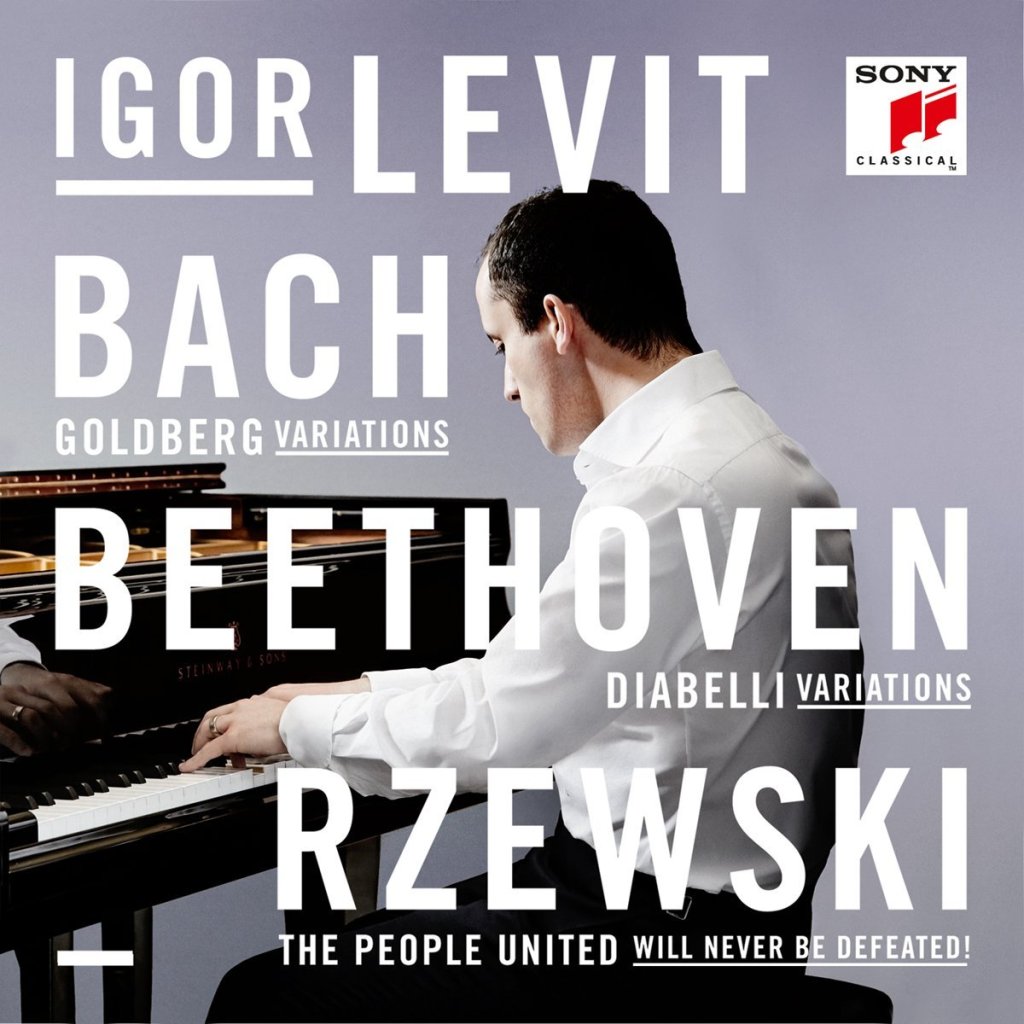
Igor Levit is a fine concert pianist whose albums are effectively redefining the way we, as listeners, perceive the western classical oeuvre. Igor Levit: Defining Tristan does for the various musical pieces inspired by the Tristan legend what Levit did for the concept of the great keyboard variations in which he selected Beethoven’s “Diabelli Variations” and Frederic Rzewski’s “El Pueblo Unido Variations” to join his recording of the Bach “Goldberg Variations” in a 3 disc package placing these three large sets of variations as emblematic of the genre in three different centuries (18th, 19th, and 20th). Levit, by his recorded output, is providing a valuable perspective which may influence repertory choices for years to come.

Levit’s traversal of the Tristan legend here ranges from the second recording of Hans Werner Henze’s too seldom heard “Tristan Preludes” back to works by Wagner (of course) and Liszt. He even slips in his wonderful solo piano transcription of the Adagio of Mahler’s unfinished 10th Symphony into the mix. This is a very compelling Tristan anthology by a deservedly still rising star.

Cantaloupe

This Cantaloupe release by Bang on a Can composer and master clarinetist Evan Ziporyn is both masterful and great fun. Evan Ziporyn: Bang on a Pop consists of transcriptions of “pop” songs for multiple clarinets all played by Ziporyn via his very effective multi-track recordings. The album is very personal and pretty much cliche free with these engaging and insightful transcriptions. It is an homage to the songwriters as well as a showcase for Ziporyn both as composer and as performer.

Microfest MF 23

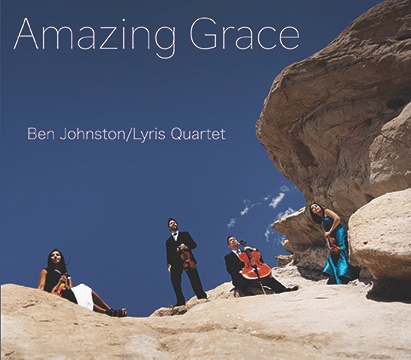
The Young Person’s Guide to Ben Johnston is an ideal way to introduce listeners to the wonderful world of the late Ben Johnston’s music. Johnston, a student and colleague of Harry Partch shows his compositional skills utilizing non-traditional western tunings in these representative works. Johnston here does for some quasi pop tunes what Evan Ziporyn did with his clarinetist perspective for the tunes on Pop Matters. But Johnston’s pretty, accessible work belies fascinating complexities that don’t actually sound complex to the listener. This disc contains Johnston’s last completed work, “Ashokan Farewell” (which Johnston took to be a public domain folk tune but is in fact a piece written by Jay Ungar). It is paired with the 4th String Quartet (a set of ingenious variations on “Amazing Grace”) from 1982 and the 9th String Quartet of 1997. Profound, lovely to listen to, and a great homage.

DVD OM 4001

This DVD is a major addition to the discography of Charles Amirkhanian’s sound poetry as fine sampling of one aspect of Carol Law’s (Amirkhanian’s life partner) complementary visual art. These collaborations are also important contributions to the visual and performative aspect of these collaborative works. Amirkhanian has been a fine curator and promoter of the work of others but he has rather seldom stepped into the spotlight himself. This quirky genre got some fabulous exposure at the 7 day Other Minds 23 festival in 2018 in which Amirkhanian’s work was presented in the (surprisingly varied) context of sound poetry of the amazing international collection of artists who were hosted at those events. This DVD should be in the collection of anyone interested in new music sound poetry and performance art. It is both entertaining and mind bending featuring a juxtaposition of images and sound reviewed in greater detail in the post “Dyadic Dreams”. But words cannot do justice to these works. You really have to see them.

Cedille CDR 90000 210

Readers of this blog know my fondness for the Chicago based label Cedille and their promotion of Chicago based musicians. This disc stands out in this group’s embrace of non-traditional composers alongside more traditional works. The inclusion of works by DJ composer Jlin and the academy based genre defying duo Flutronics alongside composers like Danny Elfman and Philip Glass demonstrate the wide ranging repertoire of Third Coast Percussion. Much more information can be found in Perspectives: Spectacular World Premiere Recordings from Third Coast Percussion on my blog. This one reimagines the percussion ensemble.

Neuma 176

This disc is a good example of why listeners and collectors should pay attention to the Neuma record label. Philip Blackburn, who had been the very successful curator of Innova records, took over the defunct Neuma label which was founded with the intention of promoting largely electroacoustic music though not exclusively.

Agnese Toniutti‘s New Music Vision is actually a review of two discs by this rising star, a dedicated new music pianist that needs to be on your radar. The other Neuma disc contains Toniutti’s traversal of John Cage’s reluctant masterpiece, “Sonatas and Interludes for prepared piano”.

The disc pictured here is Toniutti’s vision beyond the Cage work. This one focuses on mostly living composers Lucia Dlugoszewski, Tan Dun, Philip Corner, and Toniutti’s herself. Basically, if Toniutti plays it, you should probably at least give a listen.

2023 saw the completion of Bay Area pianist Sarah Cahill’s epic survey of piano music by female composers. Cahill is another (predominantly) new music focused pianist about whom I would also assert that, if she plays it, you should probably give at least one listen.

The End of the Beginning: Sarah Cahill’s “The Future is Female” Trilogy Completed will tell you all you need to know about this trilogy which encompasses about 300 years of music history and sheds light on some fascinating and substantial music written by women. Most of the works on this trilogy of albums are, in fact, world premieres but, fear not, even the pieces which are not premieres are likely not in your collection. This is a brilliant selection of music that effectively throws down the gauntlet to challenge other artists to explore this repertory. This trilogy is a true landmark and a joy to the ears.

This third volume in the wonderful Catalyst Quartet’s survey of another unjustly neglected group of composers focuses on the music of three black Americans of the twentieth century. Catalyzing Blackness, Volume Three: The Catalyst Quartet plays 20th Century music by Black Americans was nominated (but didn’t win) for a Grammy Award and, happily, I’m told that more volumes are in preparation. Again, this music is a pleasant revelation that does for black composers what Sarah Cahill has done for women composers (N.B. The first volume by the Catalyst Quartet focused on the black female composer Florence Price). And here’s hoping that Coleridge Taylor Perkinson, George Walker and William Grant Still will become household names in the concert hall.

Microfest MF 21

Son of Partch, Carrying on a Tradition is a really wonderful disc which, though I reviewed it in exceedingly positive terms, provoked a strongly negative reaction from the artist. The reaction apparently also provoked enough interest to have made this review one of my most read of 2023.

But, aside from the unfortunate negative reaction, I still maintain that this is a fine release worthy of attention from anyone who likes new music, microtonality, and the music of Harry Partch. Cris Forster is a composer, theoretician, and instrument builder clearly descended from the Partch tradition. His work deserves attention and this disc is a very satisfying experience.

Islandia IMR 011

Steven Schick is a master percussionist and conductor. This release is the first volume of his personal choices of solo percussion repertoire. Solo Percussion Manifesto Volume I: Steven Schick’s “A Hard Rain” is a manifesto of sorts and does for solo percussion music what Sarah Cahill has done for women composers and the Catalyst Quartet is doing for black composers. There are not many recordings of solo percussion music and Maestro Schick essentially presents his favorite works in definitive performances on a label produced by Bang on a Can cellist Maya Beiser. The second volume is in my review queue and, if this first volume is any indication, it will be a landmark survey.

Cedille

Rising Star Seth Parker Woods’ “Difficult Grace” is a Classic in the Making. Here’s another Grammy nominee that did not win but, this second album by this fine American new music cellist is a winner in my book (er, blog). This is actually the audio of what was developed as a staged performance but the music speaks for itself. Keep an eye/ear out for this rising star who, even now, is storming the new music cello scene in invigorating ways.

Neuma 128

A Reason to Listen: Roger Reynolds’ Latest, “For a Reason”,new recordings on Neuma Records. Here we see Neuma following its original electroacoustic mission with this remarkable set in celebration of Roger Reynolds’s 90th year. This is a lavish 2 CD box set with a beautiful booklet and lucid liner notes. It is a worthy production which showcases recent works by this prolific and important American composer.

Readers of this blog likely are aware of my interest in music that is suppressed and/or neglected so this disc grabbed my attention immediately. Israel does a great job of funding the arts and this can be seen in the proliferation of truly fine performers nurtured by that funding. Less well known are the composers who have flourished in the art healthy politics of this country. Some 50 years of history are represented here. This is but a sampling, albeit finely curated, of several generations of composers displaying a plurality of styles with substantial results. This entertaining disc will whet the appetites of intelligent and curious listeners and, hopefully, bring about more recognition of the world class composers who deserve an audience.

So, finally, went my 2023.

Igor Levit: Defining Tristan


Sony 194399434826 2 CD

Igor Levit is a man of vision and of multiple talents. His pianistic skills and his vast knowledge of repertoire are pretty much unquestioned at this point. His vision is evidenced by his very personal choices in choosing what he will play and record. In my first encounter with this artist, his three disc survey of large keyboard variation works spanning three centuries including Frederic Rzewski’s “The People United…” suggested that this piece represent the 20 century with the Beethoven “Diabelli Variations” representing the 19th century, and Bach’s “Goldberg Variations” the 18th, and virtually the origin of the form.

I have not heard all of Levit’s albums but those I have seem a similar pattern in his choices of what to record. They seem to serve his vision of choosing works for which he makes the case that they be included in the common concert hall repertoire. His inclusion of Ronald Stevenson’s monumental “Variations on DSCH” alongside the Shostakovich Preludes and Fugues effectively issued a challenge to his fellow artists to consider including those masterworks in the canon of music commonly played in concert halls.

The two disc set considered here seems to follow that same pattern. In “Tristan”, Levit makes provocative and unusual but ultimately intelligent choices of what to play.

Here, Levit makes a charming choice of performing the late, great Hungarian pianist, composer, and conductor Zoltan Kocsis whose transcription of Wagner’s “Tristan Prelude” (1857-9) for piano is basically the seed from which this quasi-concept album grows. And finally, in another brilliant move, he includes Ronald Stevenson’s piano transcription of the gorgeous, angst ridden Adagio of Mahler’s unfinished Tenth Symphony 1910-11), making at least the suggestion of a connection between the 19th century of Wagner’s landmark opera and, via Mahler’s post romanticism to Henze’s 20th century Tristan whose inspiration was garnered from that same medieval epic poem.

The centerpiece here is obviously Hans Werner Henze’s “Tristan Preludes” (1974) for piano, orchestra, and tape (a rare but effective choice by this composer). He pairs this large work with curiously connected pieces such as Liszt’s very familiar “Liebestraum No. 3“ (1850), and the less familiar Transcendental Etude, “Harmonies du soir” (1851). Liszt, a contemporary and supporter of Wagner, was the virtuosic showman, the “Liberace” of his day. This helps provide the listener a historical context as well as a contrast to the severe intensity and harmonic rebellion of Wagner’s “Tristan”.

Surprisingly, as far as I can tell, this is only the second recording of this major Henze work (wonderfully conducted by the fine Franz Welser-Möst) and likely the first recording of the Kocsis and Stevenson transcriptions. I have no doubt the Liszt selections have received much attention but they are critical here to Levit’s appropriately lofty (and very much romantic) vision, that of garnering a deserved place for all of this music to be kept alive both in recordings and the concert hall.

Levit’s playing is slow paced, full of romantic angst, and full of nuance. His pacing and his use of a wide dynamic range create an atmosphere that is both dark, and meditative. This album has the deep substance of Levit’s personal vision, a glory to behold. The gauntlet has been laid down.

My End of the Year Personal Best Choices and Other Blather That May Interest My Readers


Were it not for the wishes of some of my valued readers I would not produce such a list. It has no more validity other than, “These are my personal choices”. But there is some joy to be had in contemplating these past 12 months as I have lived them on this blog. So here goes.

My home base is in California, about 90 miles north of Los Angeles though I sometimes travel for work

First I have to tell everyone that March, 2022 will mark the 10th anniversary of this blog, a venture which has been a rich and exciting one. Future blogs will soon include, in addition to album/concert reviews, some articles on subjects which I hope will be of interest to the select group of people who read this material and who share my interest in this music (which I know can be anywhere from difficult to repulsive to many ears). But I have deduced that my readers are my community, a community of kindred spirits freed from the boundaries of geography, a number rather larger than I had imagined was possible and one that I’ve come to cherish. Bravo to all of you out there.

Since February of 2021 I have worked periodically in Washington State, not in a cabin in Mt. Rainier National Park but in Tacoma, just south of Seattle.

COVID 19 has reduced the number of live performances worldwide and I have not attended a live performance since early 2020. But, happily, musicians have continued to produce some amazing work, some of which gets sent to me, and a portion of that gets to be subjected to the analytic scrutiny of my blog.

My lack of attention to any music should never be construed as deprecatory, rather it is simply a matter of limited time to listen. So if I have provided a modicum of understanding or even just alerted someone to something new I am pleased and if ever I have offended, I apologize. All this is my personal celebration of art which has enhanced my spirit and which I want to share with others. Look what Ive found!!!

So, to the task at hand (the “best of” part):

The formula I’ve developed to generate this “favorites retrospective” has been to utilize WordPress’ useful statistics and look at the top viewed posts. From these most visited (and presumably most read) articles I produce a list of ten or so of my greatest hits from there. Please note that there are posts which have had and continue to have a fairly large readership from previous years and they’re not necessarily the ones I might have expected but the stats demand their inclusion here.

Following that I then toss in a few which are my personal faves (please read them) to produce what I hope is a reasonably cogent and readable list. Following my own description of my guiding principles I endeavor to present the perspective of person whose day job and energies are spent in decidedly non-musical efforts but whose interest and passion for new music drives this blog where I share those interests.

As a largely self taught writer (and sometime composer) I qualify my opinions as being those of an educated listener whose allegiances are to what I perceive as pleasing and artistically ideal based on my personal perception of the composer’s/performer’s intent. I am not a voting member for the Grammys and I receive no compensation for favorable reviews. I have the hope/belief that my blogs will ultimately garner a few more listens or performances of art that I hope brings my readers at least some of the joy I feel.

New Music Buff’s Best of 2021

As of this writing I have published 37 blog posts in 2021. COVID, job and personal stressors have resulted in my failing to post at all in December, 2020, January, June, and July of 2021. And only one post in February, 2021. Surprisingly I have managed to get just over 9300 views so far this year (a little more views than last year actually) and it is my plan to publish 4-5 blogs per month going forward into my tenth year.

Me with my listening buddy, Clyde

Not surprisingly, most of my readers are from the United States but I’m pleased to say that I’ve had hits from 192 countries at last count. Thanks to all my readers, apologies to the many countries who didn’t make the cut this year (you’re all welcome to try again in 2022). So, following the United States here are the subsequent top 25 countries who have viewed the blog:

Canada, United Kingdom, Germany, China, France, Netherlands, Spain, Australia, Ireland, India, Italy, Turkey, Nigeria, Japan, Brazil, South Korea, Denmark, Belgium, Sweden, Finland, Russia, Poland, Philippines, Ghana, Norway.

Top Ten Most Read of 2021

The following are the most seen articles of 2021. Some of these are articles whose popularity surprise me as they were written some time ago and are not necessarily, in my opinion, my best work. But readership is readership and I am grateful for that.

Top article, Linda Twine, a Musician You Should Know. Twine is a musician and composer who has worked for some years in New York theater. I chose to profile her and I guess she is well liked because this article from 2018 is one of my top performers. Kudos, Ms. Twine.

Next up is, The Three Black Countertenors, an article suggested by my friend Bill Doggett whose website is a must visit for anyone interested in black classical musicians. This one, from 2014, continues to find readers. It is about the first time three black countertenors appeared on the same stage. Countertenors are themselves a vocal minority when considered in the company of sopranos, baritones, tenors, contraltos, and basses. Being black adds another level of minority in the world of operatic voices so this was indeed historic.

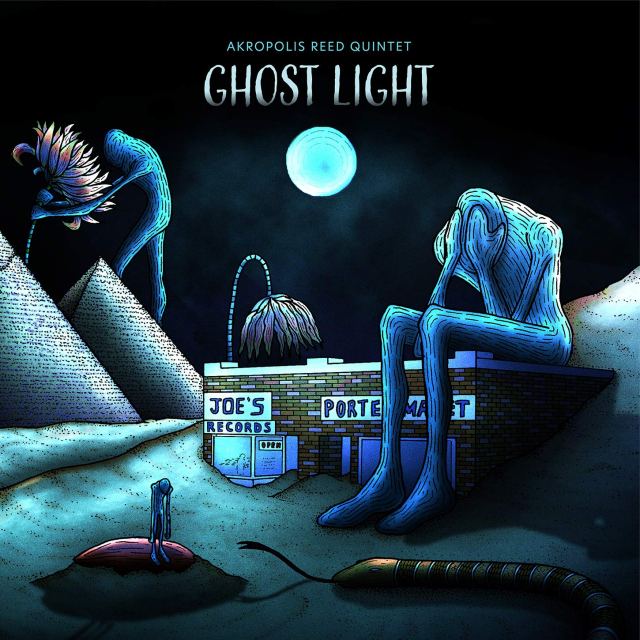
Art and the Reclamation of History is the first of the articles written this year to make the top ten most read. It is about a fabulous album and I hope more people read about it. This Detroit based reed quintet is doing something truly innovative. You really need to hear this.

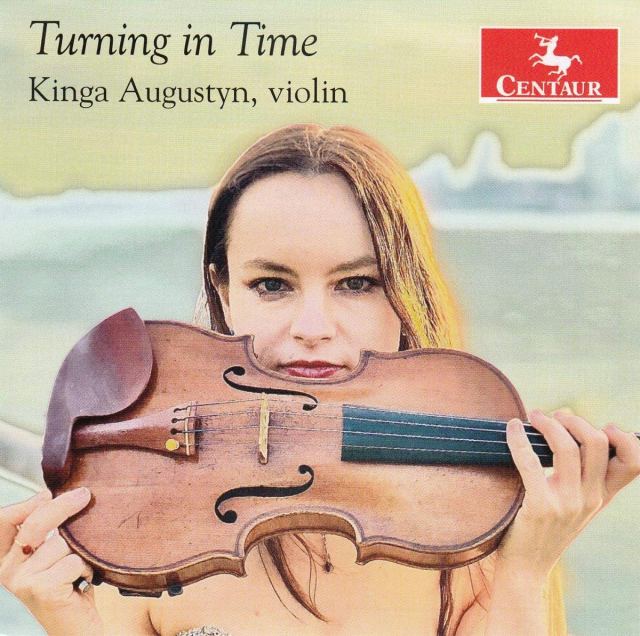
Centaur CRC 3836

Number four is another from this past year, Kinga Augustyn Tackles the Moderns. This album, kindly sent to me by the artist is worth your time if you like modern music. This young Polish/American violinist has both technique and vision. She is definitely an artist to watch.

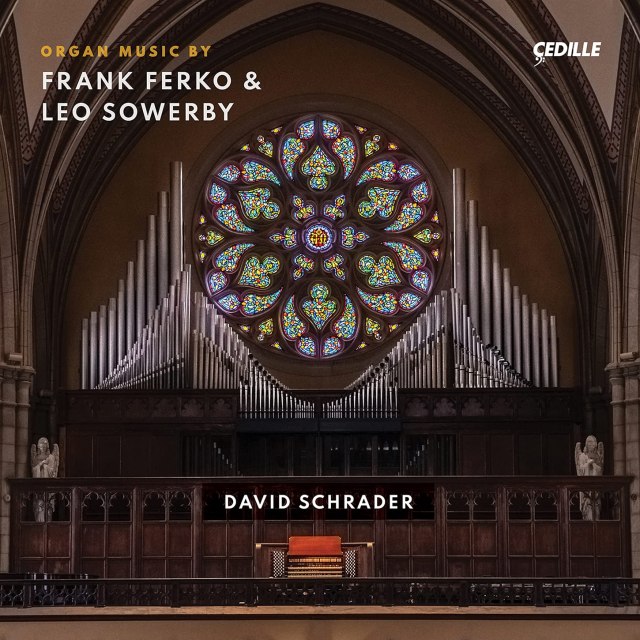
Number five is a truly fabulous album from Cedille records, David Schrader Plays Sowerby and Ferko. This double CD just fires on all cylinders, a fine artist, excellent recording, interesting and engaging repertoire, amazing photography, excellent liner notes, and love for all things Chicago. This one is a major classic release.

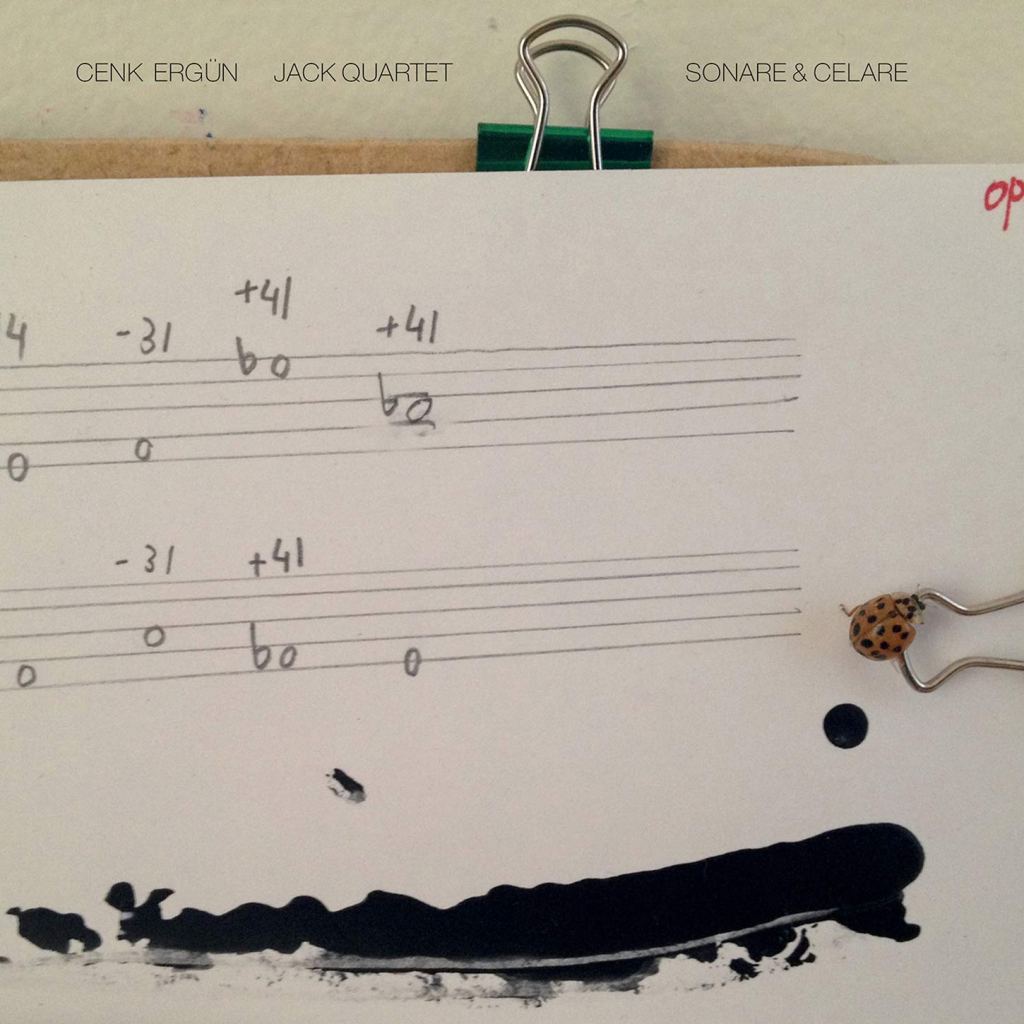
The Jack Quartet Plays Cenk Ergun was a pleasant surprise to this blogger. The Jack Quartet has chosen wisely in deciding to release this recording of new string quartet music by this young Turkish composer of serious substance. I’m glad that many folks read it.

Number seven on this years hit list among my readers is another album sent directly to me by the artist, one whose work I had reviewed before.

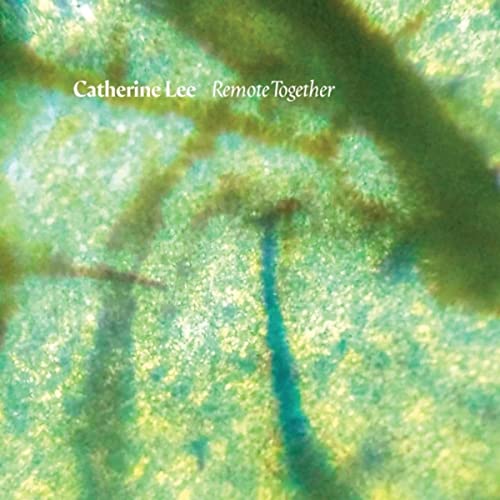
Catherine’s Oboe: Catherine Lee’s New Solo Album, “Alone Together” is among the best of the COVID lockdown inspired releases that flooded the market this year. It is also one of the finest examples of the emerging latest generation of “west coast” composers. Dr. Lee is a master of the oboe and related instruments and she has been nurtured on the artistic ideas/styles that seem to be endemic among composers on the west coast of the United States. She deserves to be heard.

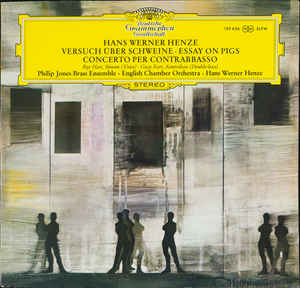
Number Eight is an article from 2014, Classical Protest Music: Hans Werner Henze’s “Essay on Pigs” (Versuch uber Schweine). This 1968 noisy modernist setting of leftist political poetry combines incredible extended vocal techniques with the dissonant modernism of Hans Werner Henze’s work of that era. Also of note is that his use of a Hammond Organ and electric bass guitar was allegedly inspired by his having heard the Rolling Stones. It’s a classic but warn anyone within earshot lest they be terrified.

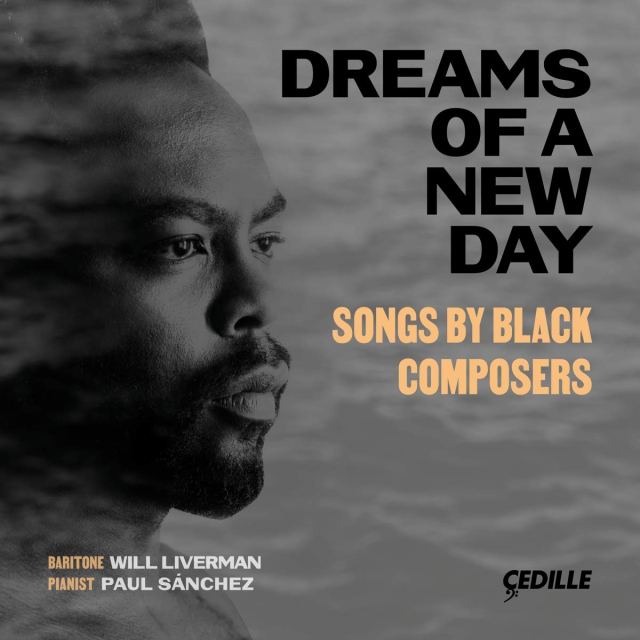
“Dreams of a New Day”, a Landmark Recording Project from Cedille is a virtual manifesto/survey of art song by black composers. Liverman is an amazing singer and the recording by my favorite Chicago record company is pure beauty. This 2021 release ranks ninth among my most read blogs from the past 12 months.

As it happens there is a three way tie for the number ten spot:

Black Composers Since 1964: Primous Fountain is one of a short series of articles I wrote in 2014. I used the date 1964, 50 years prior to the date of the blog post, because it was the year of the passing of the (still controversial) voting rights act. As a result of this and a few related articles I have found myself on occasion categorized as a sort of de facto expert on black music and musicians. I am no expert there but I have personally discovered a lot of really amazing music by black composers which is way too little known and deserves an audience.

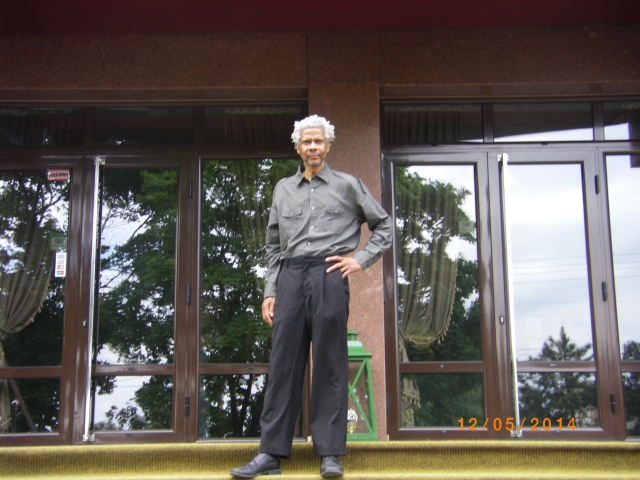
Primous Fountain arrives in Moldova to oversee the performances of his music.

I am pleased to tell you that this too little known composer (and fellow Chicagoan) is being recognized by no less than Michael Tilson Thomas who will conduct an entire program of his works in Miami next year. If my blog has helped in any way then I am pleased but the real honors go, of course, to Mr. Fountain and Mr. Thomas (who first conducted this composer’s music many years ago). Stay tuned.

My “comeback blog”, The Loneliness of the Long Distance Blogger was written to sort of reintroduce myself to the blogosphere and provide some background (excuses?) for my absence. I guess it was a decent read.

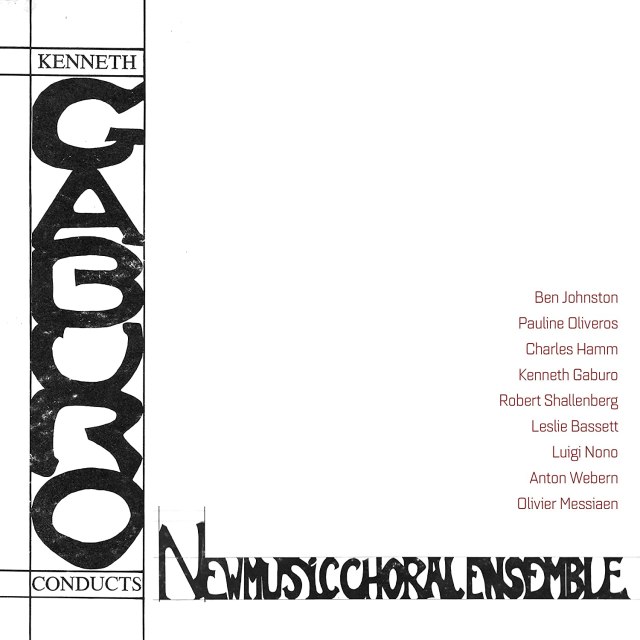
And the third contender for my tenth most read of 2021 is, Kenneth Gaburo, the Avant-Garde in the Summer of Love. This is among the first volley of releases on the revived Neuma label with Philip Blackburn at the helm. Blackburn’s instincts guided Innova records to release many wonderful recordings of music rarely on the radar of larger record companies and this first volley was a harbinger of even more wonderful releases to come. Just do a Neuma search and see what I mean.

The Ones That Didn’t Make the Top Ten

I would be negligent and boringly formulaic to simply report on these top ten. This is not a democratic blog after all, lol. So here are my choices for the ones that many of my dear readers may have missed and should definitely check out. It is anything but objective. They are, in no particular order:

Solo Artist Pamela Z releases “a secret code”. This is another Neuma release, one of a truly original and interesting artist who pretty much defies categories but the territory she explores will amaze you.

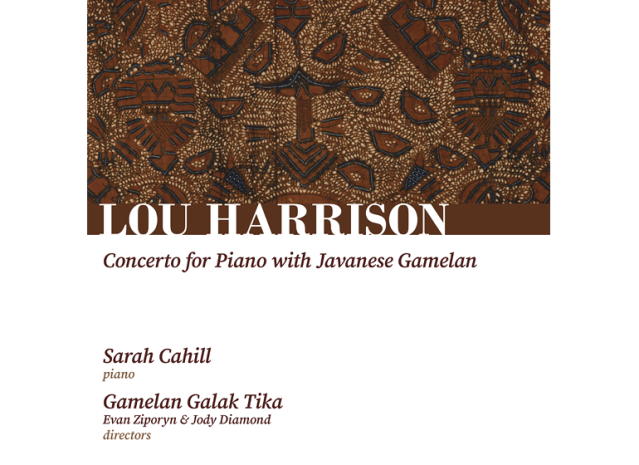
Lou Harrison: Concerto for Piano with Javanese Gamelan, a very special performance of an underappreciated masterpiece is just unabashedly excellent. It is a recording of a 2017 performance (in honor of the composer’s 100th birthday anniversary) in Cleveland by performers who have had a close relationship with this major American composer. I love the music. I love the performers. It’s a digital only release but you can get a download of the album and the fine liner notes from Bandcamp.

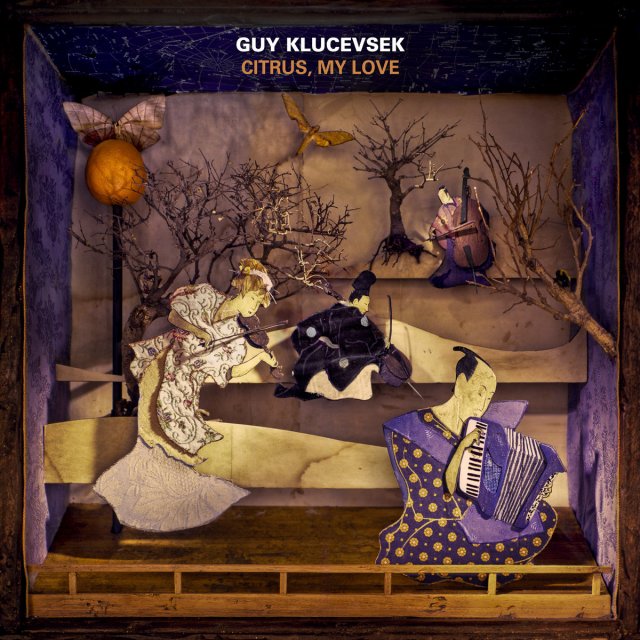
Fixing a Hole to Keep the Music Playing: Starkland brings back Guy Klucevsek’s “Citrus, My Love” is also a digital only release, also available on Bandcamp of an album long out of print but essential to the oeuvre of Guy Klucevsek. Like Philip Blackburn, Tom Steenland (who heads Starkland records) is a musical visionary who has released some of my personal favorite albums. If Tom (or Philip) likes it I will at least give it a listen.
Dennis Weijers: Skill and Nostalgia in an Auspicious Debut Album is a sort of personal discovery for me. This reworking of Philip Glass’ “Glassworks” and Steve Reich’s “Variations for Winds, Strings, and Keyboards” scored for solo accordion and electronics pretty much knocked me over as soon as I heard it. Read the blog to see why but you have to hear this. This is NOT your granddaddy’s accordion.
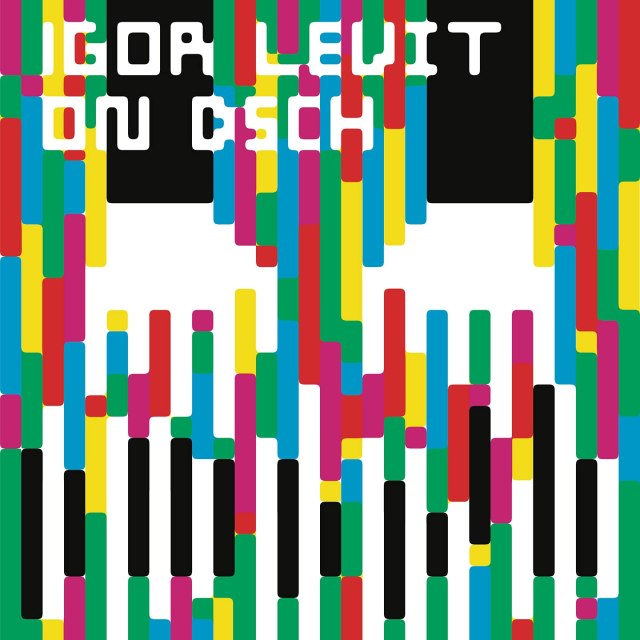
Vision, Virtuosity, and Interpretive Skill: Igor Levit’s “On DSCH” is an album I just can’t stop listening to. I raved about his earlier set of piano variations by Bach, Beethoven, and the late Frederic Rzewski and I look forward to this man’s musical vision as he expands the concert repertoire with works you probably haven’t heard or at least haven’t heard much. You owe it to yourself to watch this artist.

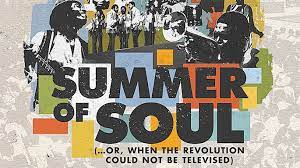
Black Artists Matter: The Resurrection of the Harlem Arts Festival, 1969 is one of the relatively few times when I write about so called “pop” music. It is wholly unconscionable that these filmed performances from 1969 (many of which predated Woodstock) languished for 50 years in the filmmaker’s basement and were nearly lost. One of the recurring themes in this blog is the lament over unjustly neglected music and this is a glaring example. I was delighted to see that the filmmaker Questlove received an award at the Sundance Festival for his work on this essential documentary of American music.

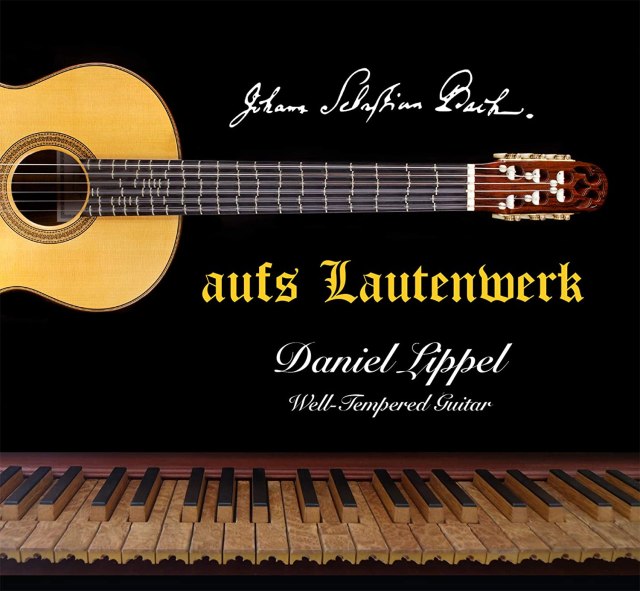
Less “flashy” but sublimely beautiful is Modern Tuning Scholarship, Authentic Bach Performance: Daniel Lippel’s “Aufs Lautenwerk”. This is a masterpiece of scholarship and a gorgeous recording on a specially made Well-Tempered Guitar played with serious passion and interpretive genius by a man who is essential to the productions of New Focus recordings as well as being a fine musician himself. Read the review or the liner notes for details but just listen. This is another one that I can’t stop listening to.

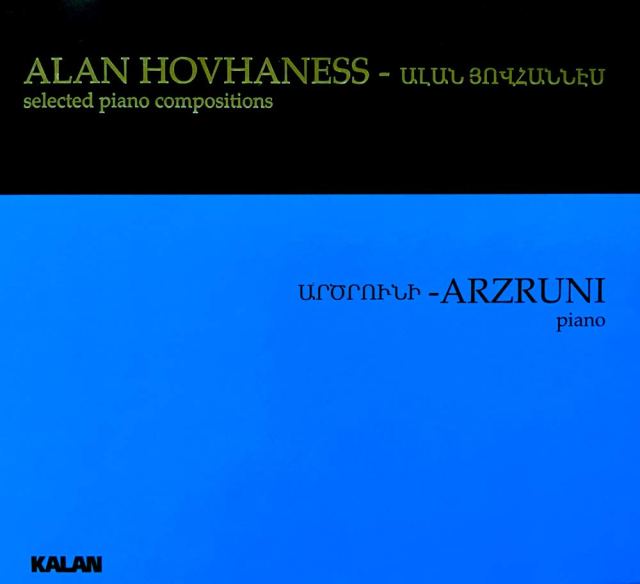
Unheard Hovhaness, this Sahan Arzruni album really rocked my geeky world. Arzruni, a frequent collaborator with Hovhaness turns in definitive performances of these previously unheard gems from the late American composer. A gorgeous physical production and a lucid recording make this another disc that lives on my “frequently played” shelf.

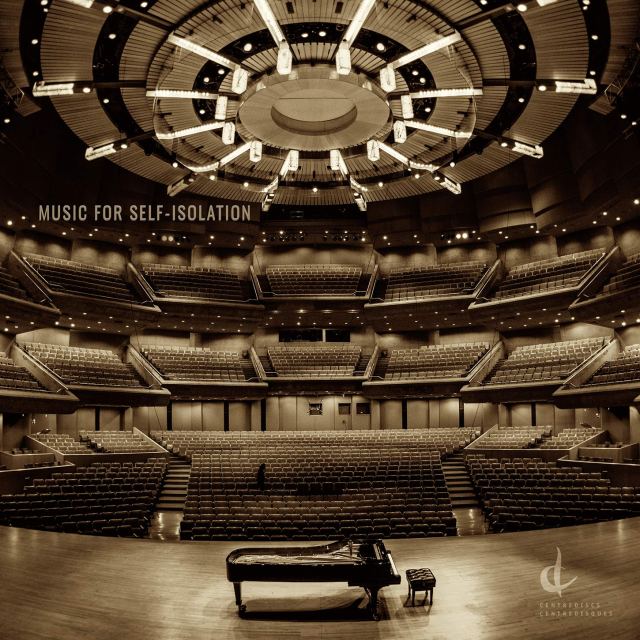
Only the Lonely, Frank Horvat’s “Music for Self Isolation” is yet another release from this emerging Canadian composer. This is one of my favorite COVID Isolation albums, a unique response to this pandemic from an eminently listenable and endlessly creative composer.

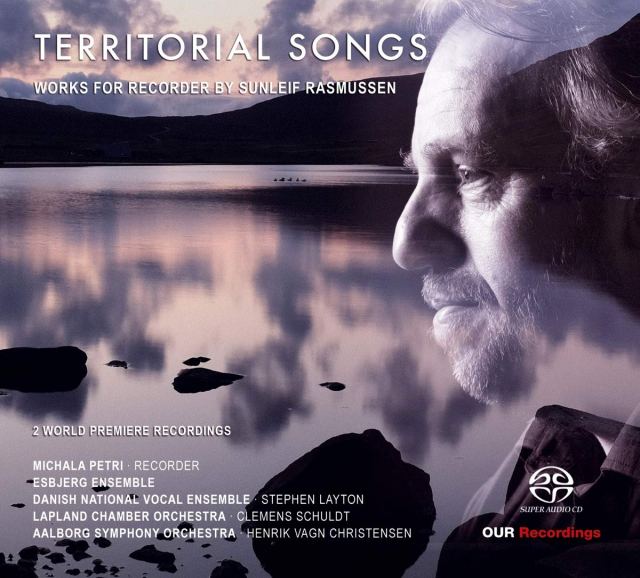
OUR 6.220674

New Music from Faroese Master Sunleif Rasmussen with soloist Michala Petri is an album of world premieres by this master composer from the Faroe Islands. It is also a tribute to the enduring artistry of Michala Petri. I had the honor and pleasure of meeting both of these artists some years ago in San Francisco and anything they do will demand my attention, they’re that good.

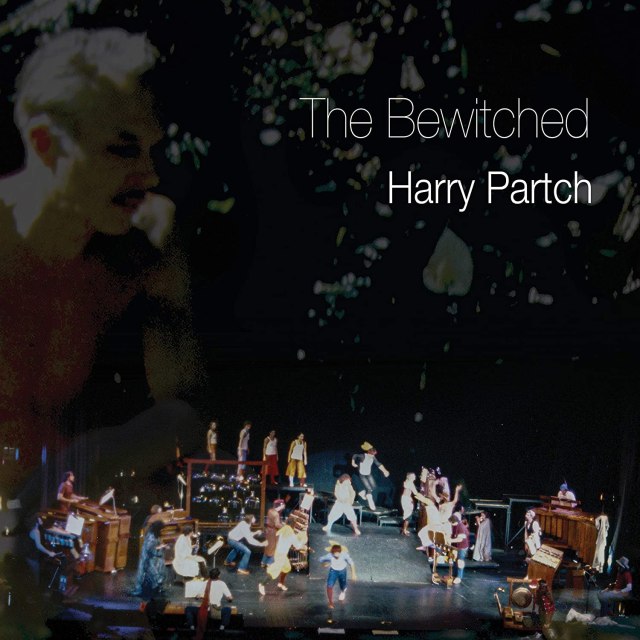
The Bewitched in Berlin, Kenneth Gaburo does Harry Partch for your head (phones). This is another “save” by Philip Blackburn. This performance in Berlin of Harry Partch’s “The Bewitched” is a binaural recording of a very fine performance directed by Kenneth Gaburo. If you’re a Partch fan this is a must have.

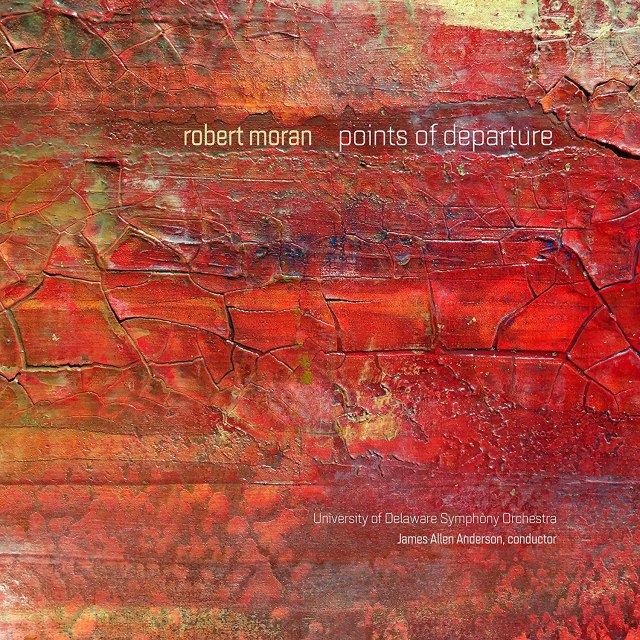
Neuma 123

Last but not least, as they say, Robert Moran: Points of Departure is another triumph of Philip Blackburn’s curation on Neuma records. I have personally been a fan of Moran’s music since I first heard his work at the Chicago iteration of New Music America in 1982. Blackburn’s service to this composer’s work can be likened to similar service done by David Starobin at Bridge Records (who have embarked on complete works projects with several contemporary composers) and Tom Steenland’s work with Guy Klucevsek and Tod Dockstader at Starkland records. Blackburn had previously released the out of print Argo recordings of Moran’s work and now, at Neuma has released this and a few other new recordings of this major American composer’s work.

My apologies to the albums I’ve reviewed which didn’t make it to this year’s end blog but I have to draw a line somewhere. Peace, health, and music. And thank you for reading.

Bang on a Glass Can: Maya Beiser’s New Album


This is not a Philip Glass album. This is also not a tortured Magritte metaphor. It is a Maya Beiser album. Yes, she is playing her transcriptions of several of Philip Glass’ pieces: (Piano) Etude No. 5, Etude No. 2, Mad Rush, Music in Similar Motion, and four movements from Glass’ score to the third of Godfrey Reggio’s trilogy (Koyaanisqatsi, Powaaqatsi, Naqoyqatsi): Naqoyqatsi, Massman, New World, and Old World.

It was after my second hearing of the disc that it occurred to me that Beiser’s transcriptions for cello with electronic looping and layering are in fact her own recompositions of these works in her own image, so to speak. Think Stravinsky’s Tchaikovsky transcriptions in “The Fairy’s Kiss” or Henze’s reworking of Telemann in his Telemanniana (other examples abound). Of course Beiser is working on a smaller scale but she is recomposing these works from a very personal perspective much as those composers did. I had been expecting to not like this album but once heard…

Beiser, a founding and long time member of the Bang on a Can All Stars, cut an elegant figure even when she was at the back of that venerable performing ensemble (got to be good looking cuz she’s so hard to see?). She has always been a highly skilled and accomplished cellist and a thoughtful, intelligent musician. That is true of all the members of the All Stars who started as highly skilled musicians with an interest in new music. Beiser is certainly also a member of the “glam classical” musicians following in the traditions of performers like Nigel Kennedy, Yuja Wang and, well… back at least to Liberace and perhaps Chopin and Liszt. The appellation, “glam classical” is descriptive rather than pejorative in intent. The reality is that all the aforementioned artists remained fine musicians throughout their careers. An imposing physical presence, after all, does not necessarily detract from the music. Quite the opposite sometimes.

Amazon lists this release as Beiser’s 14th album and she comes out strong on all fronts. Her playing, her interpretive skills, and her arrangements make for a very strong, complex, but listenable album. The first two etudes will be familiar to most listeners and are perhaps the most methodical with clear structures though very different from the piano originals. “Mad Rush” (also originally a piano piece) and “Music in Similar Motion” (originally for the Philip Glass Ensemble) both come off as driving ritual symphonic pieces, thrilling new readings of the original compositions (Music in Similar Motion a personal favorite for this writer and this version really rocks). The last four excerpts from Naqoyqatsi are the most lyrical and easy listening works, but again Beiser creates the music in her own personal context, glamorous but authentic and with a warmth that lasts long after the last tones fade. Fabulous album!

Isang Yun: Sunrise Falling


PTC 5186-693

2018 marks the 100th birth anniversary of Korea’s best known composer, Isang Yun (1918-1995). His work has received many performances and recordings but he is not exactly a household name and live performances are still not very common.

Yun is well known for his having been kidnapped by the South Korean secret service from his home in Germany in 1967 due to alleged espionage. He remained a prisoner for two years and was subjected to torture and forced interrogations. It took intervention from the artistic community to secure his release and the petition included signatures of Igor Stravinsky, Herbert von Karajan, Luigi Dallapiccola, Hans Werner Henze, Heinz Holliger, Mauricio Kagel, Joseph Keilberth, Otto Klemperer, György Ligeti, Arne Mellnäs, Per Nørgård, Karlheinz Stockhausen, and Bernd Alois Zimmermann. He was held for the better part of two years and never again returned to South Korea.

This fine 2 CD set is the first release in what this writer hopes will be a series of recordings of Yun’s major works. Dennis Russell Davies has demonstrated both knowledge and mastery of new and unusual repertoire as well as that of established works of the western canon. Despite many recordings of his work in the past those recordings were (and still are) notoriously difficult to find so this set is especially welcome.

Here Davies joins forces with the Bruckner Orchestra Linz and the talents of soloists Matt Haimovitz, Yumi Hwang-Williams, and Maki Namekawa to record a sampling of Yun’s works. In addition to the first (of three) Violin concerto (1981), the Cello concerto (1976), and a sampling of chamber works including Interludium in A (1982) for piano, Glisees (1970) for solo cello, Kontraste (1987) for solo violin, Gasa (1965) for violin and piano (probably the composer’s best known piece), and a short orchestral piece, Fanfare and Memorial (1979).

If you don’t know Yun’s work this is a fine place to start. If you already know his work you will want to hear these performances.  These are definitive and will set the standard for all that follows.

The concertos are somewhat thorny and dissonant but deeply substantive affairs that challenge both orchestra and soloist. Yun’s style draws more from modernist (think Darmstadt) than romanticism but he is capable of great beauty within that context.  In both concertos the soloists must deal with virtuosic challenges but each concerto provides a marvelous showcase for their skills.  Hearing them played by musicians of this caliber they are shown to be masterpieces of the genre.

The chamber music is similarly thorny at times but always interesting. This composer deserves to be better known and recordings like this with quality performances and recordings makes a great step in that direction. Yun was a prolific composer of pretty consistent quality so even a two disc retrospective such as this can only be a brief sampling.  The choices of what to record can’t avoid taking on a personal dimension. Intelligent choices of repertoire combined with defining performances such as these will send the listener on a quest to explore more of his work.

Political Classical: Frank Horvat’s “For Those Who Died Trying”


horvatdiedtrying

Atma ACD2 2788

Frank Horvat (1974- )is a Canadian composer and musician with a profound interest in social justice and human rights.  In this 35 movement string quartet he is concerned with memorializing the lives of 35 activists who died while furthering the cause of human rights.  This work is made even more compelling by including photos from a photo essay of the subjects taken by Luke Duggleby, a Thai-based photographer and journalist.

Without a doubt this is a shining example of what I have termed, “Political Classical”, a genre of protest music which seems to have emerged in the twentieth century.  This work takes its place now with Frederic Rzewski’s Pueblo Unido Variations, and works by composers like Luigi Nono, Hans Werner Henze, and countless others who have chosen to use their expertise in the classical genre to write works analogous to the folk protest music which is perhaps better known to the listening public.

With songs one has the words which can directly or indirectly evoke the particular issue being addressed.  But, other than a dedication in the program notes, how does one imbue their music with the intended meaning for a given protest work.  Well, Mr. Horvat has chosen to utilize only the letters from these victims’ names to form the musical material for each portrait.  That is he uses the letters which correspond to musical notes.  Most famously this practice is known through the B, A, C, H (corresponding in German notation as B flat, A, C, B) theme which is the basis for Bach’s Art of Fugue.

By itself this can be a bland and meaningless exercise but Horvat manages to work within this carefully limited framework to create 35 very convincing portraits of these Human Rights Heroes.  The 35 movements are relatively brief and put this listener in the mind of composers who have  succeeded quite well with such a format such as Alan Hovhaness and Lou Harrison.  Both of these composers and the man in discussion here work in a basically tonal framework with a balanced and judicious use of dissonance.  What is curious is how he seems to succeed in evoking these people purely through sound.

In comes the Mivos Quartet whose job it is to make sense of the composer’s intentions and breath life into the notes on the page.  This New York based string quartet consists of Olivia de Prato, violin; Maya Bennardo, violin; Victor Lowrie Tafoya, viola; and Tyler J. Borden, cello.  And let’s just say they are up to the task.  Each movement takes on its individual character but retains a larger connection to the work as a whole.  Perhaps this is also a metaphor for the nature of individuality as part of the larger concept of humanity and why each perspective is vital to our collective survival.

Before I wax too philosophical let me just say that, at least in terms of this recording, this is a document of classical string quartet which also serves as a memorial to the victims it references and, hopefully, as a sort of wake up call to those who, for whatever reason, are unaware of these atrocities.  Ultimately, I suppose, the goal is the amelioration of inhumane practices.  But until then we may find comfort in the beauty which this composer has brought to this work.  This would seem to be a stab at acknowledgement of sacrifice in the name of human rights seeking justice but, for now, we must settle for beauty even if it brings tears which are a mix of both sadness and joy.

When Politics and the Arts Clash, OM 22


Isang Yun (1917-1995)


The relationship between politics and music is complex and varied.  There are many instances of clashes between these two disciplines from the politics of state and church sponsored music to its repression by those same institutions.

After centuries of Catholic church sponsored music a decision was made in 1903 to repress the performance of anything but Gregorian chant and any instruments except for the ubiquitous organ.  The reasons for this decree have been discussed but the end result was less work for musicians.

More recently the Nazi “degenerate art” concepts and the later proscriptions on “formalist music” in Soviet Russia similarly put artists and musicians out of work.  In fact many were jailed or killed.  Shostakovich and Prokofiev were high profile musicians who endured bans on performances of their music based ostensibly on claims that it brought (or potentially brought) harm to the state’s political visions.

Even more recently the blacklist created by Joseph McCarthy and his acolytes perpetrated a similar assault on actors, directors and writers like Dalton Trumbo (recently dramatized in the excellent film Trumbo with Bryan Cranston leading the fine cast).  This sad chapter of history did not completely end until the 1970s and only recently have efforts succeeded in restoring suppressed screen credits to these films.  Many lives were destroyed or irreparably harmed.  One hopes, of course, that such travesties will not be repeated but the recent efforts to eliminate the NEA suggest that such struggles remain with us.

On February 18th Other Minds will present a centennial celebration of two composers’ births.  Lou Harrison certainly expressed some political themes in some of his music but did not incur state sponsored political wrath.  Unfortunately this was not the case with the other honoree of Other Minds’ 22nd season.

In 1967 Korean composer Isang Yun was kidnapped by South Korean intelligence officers and taken to South Korea to face accusations of collaboration with the communist government of North Korea.  He was held for two years and was subjected to interrogation and torture based on information later acknowledged to have been fabricated.  Even so South Korea declined to allow the ailing composer’s request to visit his hometown in 1994.  He died the following year in his adoptive home in Berlin, Germany.

A petition signed by over 200 artists including composers Karlheinz Stockhausen, Hans Werner Henze, Gyorgy Ligeti and conductors Otto Klemperer and Joseph Keilberth among the many was sent to the South Korean government in protest.  A fine recent article by K. J. Noh, Republic of Terror, Republic of Torture puts the incident in larger political context. It is a lesson sadly relevant even now in our politically turbulent times.

The concert will feature works from various points in his career, both before and after the aforementioned incident.  It is a fine opportunity to hear the work of this too little known 20th century master.  Conductor and pianist Dennis Russell Davies knew and worked with both Harrison and Isang.  It is so fitting that he will participate along with his wife, justly famed new music pianist Maki Namekawa, in this tribute to the the late composer.  This can’t right the wrongs but what better way to honor a composer than by performing his music?

The performance is at 7:30 PM at the historic Mission Dolores Basilica at 3321 16th Street
San Francisco, CA 94114.  Tickets available (only $20) at Brown Paper Tickets.

Getting the Oboe (et al) to Stand on Its Own, Catherine Lee


    Connections can be fascinating and not long after publishing my review of Emily Doolittle’s  release here I received, in addition to a stunning number of readers for that article, a CD by one of her fellow musicians featuring another of Doolittle’s interesting works alongside four other works for solo oboe (or English Horn or Oboe d’amore).  Though certainly kind and timely I did not relish the idea of being subjected to even this short CD single of a soloist with no accompanying musicians playing a series of unknown soliloquies.  My concern was that of having to endure the sincere efforts of a musician who is convinced of her instruments’ solo potentials and who labors to prove this to all but hardly gets past technical achievement like a recording I once heard of the Bach Cello Suites played on a Double Bass, interesting as a technical achievement but…

My fears were clearly unfounded as I listened to each track.  Patience turned to excitement and I think I’ve now heard a sort of new breed of instrumental specialist.  Lee plays oboe as well as the closely related English Horn and the very little known Oboe d’amore with expertise.  But she is not a specialist in the “period ensemble” genre per se. Rather her focus is on the potentialities of her instruments as vehicles for new music, improvisation and solo performances.  There seems to be little threat of a forthcoming rendition of the Telemann Flute Fantasies played on one or all of those.  Instead we have a gifted musician who seems poised to shepherd these instruments into new adventures in the 21st century.

The album consists of 5 tracks, all less than nine minutes in duration but each is a fully realized composition lovingly interpreted by this performer.  I am only familiar with one of the composers here, Emily Doolittle whose Social Sounds from Whales at Night (2007) is the only track which features any accompaniment.  It is a good example of Doolittle’s potentially groundbreaking work with animal sounds.  The other tracks manage to rise above the level of mere effects-ridden etudes to the level of compositions that define their own sound world and subjugate that world to artistic expression.  Very interesting listening.

From the first track it is clear that this is a musician with a deep understanding of the expressive possibilities of her instruments in both traditional and extended techniques as well as a clear sense of how to find music of substance.  Her playing sounds effortless suggesting that she puts a great deal of time into honing her virtuosity but she clearly moves beyond the technical to master the expressive range.
I would certainly be willing to hear just about anything Ms. Lee chooses to play including the relatively obscure repertoire for the oboe d’amore but I have my fingers crossed that we may get to hear her tackling concertos by Morton Feldman, Vincent Persichetti, Witold Lutoslawski and Hans Werner Henze, big projects that are nice to hope for but we do see that her ear for the smaller projects is clearly golden.

Notes From the Underground, A major new recording of Anthony Davis’ orchestral music


Album cover

Album cover

In March, 2014 the Boston Modern Orchestra Project released Notes From the Underground, a major retrospective recording of the composer’s work for large ensembles.  The recording includes Notes from the Underground (1988) a two movement work for orchestra, You Have the Right to Remain Silent (2007) a concerto for clarinet and contra-alto clarinet and Kurzweil processor and a new recording of the piano concerto Wayang No. 5 (1984) with the composer as soloist.  The Boston Modern Orchestra Project is conducted by Gil Rose.

There are liner notes by the composer and also by the great musician/composer/historian George Lewis (and a frequent musical collaborator with Davis).  The notes are relatively brief but contain a wealth of information and provide useful insights into both the musical processes and the sociopolitical forces that drive Davis’ music.  Davis describes his compositional processes and Lewis, a frequent musical collaborator,  places the music in historic and sociopolitical contexts.

Only the Wayang No. 5 has had a previous recording.  It was one of the two works included on the Gramavision release which included the equally engaging Violin Concerto “Maps” (1988) written for and performed by violinist Shem Guibbory.  The concerto reflects Davis’ interest in jazz as well as his study of gamelan music from whence comes the title “Wayang”. Davis has written a series of compositions for various combinations of instruments titled sequentially Wayang No. 1, No. 2, etc.  The term refers to the shadow puppet theater of  Bali which are accompanied by a gamelan orchestra, an ensemble largely of tuned gongs and other percussion instruments.  Davis studied gamelan music and wrote six compositions (so far) titled Wayang of which the fifth is the piano concerto on this recording.

Wayang No. V is the earliest composition on the disc and consists of four movements.  Opening-Dance begins with an improvisatory section with the pianist playing over unresolved harmonies in the orchestra which then leads to the main section of the movement which is characterized by ostinati in the orchestra as well as on the piano.  There is a seamless transition to the second movement Undine, a slow movement with an impressionistic feel.  March also begins without pause from the previous movement.  It is a scherzo like piece where the polyrhythmic structures are quite clear.   The finale, Keçak, a reference to the monkey chant in the ritual enactment of a scene from the Ramayana where the monkey-like Vanara help Prince Rama fight the evil King Ravana.  It begins with a long solo piano introduction followed  by a sort of dialog between the piano and several percussion instruments.  Davis demonstrates his virtuosity here in writing that is indebted as much to gamelan as it is to jazz and modernism from Schoenberg to Bartok, Stravinsky, Hans Werner Henze and Thelonius Monk.

This is a concerto that is more concerned more with expression than empty virtuosity though the piano part could hardly be called easy.  I am amazed that there have been no pianists who have added this wonderful piece to their repertory.  It is a very entertaining piece of music making.

The title track is the orchestral composition, Notes from the Underground (1988).  It is a two movement work dedicated to the writer Ralph Ellison (1914-1994), best known for his National Book Award winning novel The Invisible Man (1952).   The title evokes Dostoevsky’s existential 1864 novel as well as Ellison’s collection of essays, Shadow and Act (1964). The composer describes it as a “riff” on Duke Ellington’s Diminuendo and Crescendo in Blue (1937).  It is, to this listener, a grand set of orchestral variations.

Ralph Ellison

Ralph Ellison (Photo credit: Wikipedia)

The first movement, Shadow, is described by the composer as one that introduces fragments which will be heard in the second movement.  It features a prominent solo for the percussionist.  The second movement, Act is the longer of the two and is described as being written in ten steps with an elaborate polyrhythmic structures described in more detail in the accompanying notes. The writing here probably comes as close to minimalist or process music as anything the composer has done.  It is not minimalism per se  but it is perhaps proto-minimalist techniques whose roots are at least partly in jazz as musicologist Robert Fink suggests.   It produces a ritualistic and meditative feel to this richly orchestrated, reverent and mysterious sounding piece.   It is a fitting tribute to a great American man of letters as well as to the great composer Duke Ellington.

The concerto, You Have the Right to Remain Silent (2007) is the most recent as well as the most overtly political piece on the album and it is a gem.  It is written for clarinet doubling alto clarinet and a Kurzweil synthesizer/sampler and orchestra.  Longtime collaborator, the wonderful J. D. Parran  plays the clarinets winding his way through a balanced hybrid of styles including bebop, modern classical and free jazz styles comprising rhythmic complexity and multiphonics.  One could hardly imagine a soloist better suited for this music.  Earl Howard plays the Kurzweil which intones sampled speech of words from the Miranda Rights which are supposed to be presented at the time of an arrest.  Here they are presented strategically in poetic dialogue with the music controlled by the keyboard player.

Here again the individual movements have their own titles poetically referencing the issues which the composer attempts to invoke in this piece. He says in his notes, “I tried to approach ‘silence’ as, rather than John Cage’s apolitical world of ‘white privilege’, a much more dangerous place.”  The first, Interrogation, is intended to evoke the clarinet as being interrogated by the orchestra.  The second, Loss  features an improvised duet between the Kurzweil and the clarinet.  It ends with an homage to Charles Mingus, a major influence on Davis.  The third, Incarceration includes more text from the Miranda and the Kurzweil processes both the words and the clarinet solo.   And finally, Dance of the Other, intending to evoke the fantasy and the feeling of otherness and presumably alienation.

It is a concerto in the classical sense of a dialogue between soloist and orchestra and it seamlessly blends various classical and jazz harmonies and techniques which challenge the expertise of the soloist.  All the while it clearly presents a political context which meditates on the inhumanities and inequalities inherent in our “correctional” system and in our society as a whole.  As political music it lies within a grand tradition taking a place beside earlier masterpieces of that genre like Henze’s Essay on Pigs (1968) and Rzewski’s Coming Together (1971).  And as a concerto it is a challenge to the soloist and a delight to the listener.

This is a wonderful disc, well recorded and performed.  It presents some amazing and substantial music by one of the living treasures of American composers.  Anthony Davis has had a long and influential presence on the American music scene in his jazz performances as well as his chamber and orchestral music.  His operas like X: The Life and Times of Malcolm X (1986), Amistad(1997 ) and the more recent Wakonda’s Dream (2007) have been performed to critical acclaim. Hopefully this recording will introduce people to this composer’s works and remind those already familiar with the power and depth of Davis’ music.  Bravo to the Boston Modern Orchestra Project for bringing this music to the listening public.  I hope the major orchestras and theaters and recording companies are paying attention so we can hear more from this still too little known composer.

Enhanced by Zemanta

Black Composers Since 1964: Primous Fountain


Primjous Fountain (1949- )

Primjous Fountain (1949- )

I first encountered the work of this composer in 1982 in a broadcast concert of the Milwaukee Symphony that featured his Symphony No. 1. He was billed then as, “Primous Fountain III”.  I listened and, as was my obsessive practice, I recorded the work on a cassette tape so that I could listen again and not have the experience fade into obscurity.  I have listened many times to this wonderful piece and now in the age of social media one can find more of his music on his web page and his Facebook page.

Fountain was born in Chicago in 1949 where he attended Wendell Phillips High School and after graduation completed an orchestral piece Manifestation (1967) which was performed by the Chicago Symphony.  He has also had performances by the Boston Symphony and the New England Conservatory under Gunther Schuller.  I was fortunate recently to make the acquaintance of Mr. Bill Doggett who is a lecturer and marketing representative for black composers who is in touch with Mr. Fountain.  He informs me that Mr. Fountain is alive and well and living in his native Chicago.

Fountain with Hans Werner Henze

Fountain with Hans Werner Henze

Though largely self-taught he later studied with Hans Werner Henze and Gunther Schuller and these experiences seem to have been absorbed into the composer’s palette. In a 1972 interview with Charles Amirkhanian, conductor Harold Farberman and composer Charles Shere the then 20 something Fountain seems to react with disinterest to the apparently sincere  but rather uncomfortable efforts to address racial issues in music.  He speaks as though he feels his music to be so natural a part of his life that he reports his amazing abilities are simply normal to him. He seems unconcerned with the political aspects of being a “black composer”.   His instinct for complex things like orchestration are like walking or breathing, second nature.  His identity is in his music.

Fountain with Gunther Schuller

Fountain with Gunther Schuller

After hearing his youthful work Manifestation none other than Quincy Jones commissioned Fountain’s Symphony No. 2.  There is a performance by the Lugansk Symphony Orchestra of the Ukraine under the baton of Miran Vaupotic available for listening on the composer’s web site as well as on You Tube which now sports a performance of the first two movements of his fourth symphony along with the second movement of his Cello Concerto and selections from other orchestral works.

His idiom might be called conservative in that it incorporates a standard orchestra and uses well-known forms such as Symphony and Concerto but his skill at writing is the point much as it is with other composers trained in schools like Julliard, Curtis, Berklee and the New England Conservatory.

His work sounds at times like a latter day Stravinsky with jagged rhythms and rich orchestration.  There is a passionate post-romantic intensity to the pieces I have heard.  I definitely want to hear more.

Fortunately there is now a YouTube channel dedicated to this composer’s work.  There are, however, no commercial recordings of this man’s music that I was able to find.  Here we see a prodigy who was embraced by many in the world of serious music and whose star appeared to have been rising.

But for all the love and attention that prodigies sometimes get it hardly guarantees exposure beyond their youth.  Fountain is not well-known but that has nothing to do with the quality of his music from what I have been able to hear.  And as sincere as the performances are in the MP3 and YouTube selections they are hardly the pinnacle of musical interpretation.  His music is complex and challenging to performers and I have no doubt that a major symphony orchestra with an insightful conductor could better demonstrate the power of his music.

One hopes that the body of music of this American composer will find an audience in his native country some day but limitations of arts funding and the plight of the black minority composer suggest that this will not be an easy path.  I hope that some enterprising young musicology student might take on the cataloging and analysis of his work to help this process.  Any takers?

Maybe the people at Naxos records or one of the many fine and creative independent labels who have recorded so much neglected music might take on the task of bringing some of this music to classical audiences.  It would be a loss to allow it to languish under-appreciated and largely unheard.  We truly don’t know what we’re missing and I think that is a terrible shame.

Enhanced by Zemanta

Classical Protest Music: Hans Werner Henze “Essay on Pigs” (Versuch über Schweine)


German composer Hans Werner Henze (1926-2012) left Germany in 1953 because of his dissatisfaction with German intolerance of both his leftist politics and his homosexuality. He settled in Italy where he lived with his partner and had a long, prolific career composing music for orchestra, chamber ensembles, theater, soloists and film. Much of his music was an expression of his politics.

The “Versuch über Schweine”or in English, “Essay on Pigs” of 1968 is scored for woodwinds, brass, strings, percussion, “beat organ” and electric guitar with vocal soloist. It was created at one of the composers most overtly political periods which included the Sixth Symphony (1969), El Cimarrón (1969-70) and Das Floss Der Medusa (1968). Indeed there was much political conflict in the world at this time.   The musicians have a challenging instrumental score to interpret but this is no ordinary vocal part as it calls for the extended vocal techniques of the singer for whom it was written. Henze was reportedly very impressed with having heard the Rolling Stones and this encounter appears to have influenced his musical sound as well.

As near as I can determine the work was performed only once on February 14, 1969 with Roy Hart and the English Chamber Orchestra conducted by the composer and subsequently recorded with those forces. The vocalist in the Deutsche Gramophone recording is Roy Hart as well and he appears to be an early practitioner of what we now call ‘extended vocal techniques’. He precedes the likes of Cathy Berberian, Diamanda Galas, Julius Eastman, Joan La Barbara and Meredith Monk. Monk’s students like Robert Een, Andrea Goodman and Anthony De Mare (among others) also carry on the tradition but I know of no one who has attempted this piece since Hart.

English: Photo of Gaston Salvatore

English: Photo of Gaston Salvatore (Photo credit: Wikipedia)

Essay on Pigs is a setting of poetry by Chilean poet Gaston Salvatore (1941-  ) who collaborated with Henze on several works. The music reflects the angry and sometimes hysterical tone of the poetry making this anything but easy listening.

I recall a musicologist, Dr. Richard Norton, who had corresponded with Henze, playing this piece in its entirety (some 20+ minutes) during one of his classes (at the University of Illinois Chicago in the mid-seventies). I always felt that was a sort of revolutionary act to do that. From what I recall I think I was probably the only person in the class who was already familiar with the work. The reaction of confusion or stunned silence from my fellow students was what one would expect from anyone who had not heard the piece before.

I have been unable to find any critical reviews or reports of audience reactions to performances but this is a piece that has the potential to clear a room or provoke anger.  It must have been quite a show. The piece certainly deserves a revival and I think it is a very significant piece of political music whose expressionism reflects well the issues of the times.  The problem is finding a vocalist to navigate this highly unique and unusual piece..  Any takers?

Enhanced by Zemanta

Political Classical Music in the Twentieth and Twenty First Centuries


My earliest listening adventures in new music, the ones that shaped my present interests, included the early Odyssey vinyl which contained Steve Reich’s tape piece of 1966, “Come Out”, Frederic Rzewski’s 1974 recording which contained Attica (1972) and Coming Together (1972) and the RCA budget disc of new music which contained Penderecki’s harrowing Threnody for the Victims of Hiroshima (1960). In addition to satisfying my fascination with new sounds they were also pointedly political in their messages.

In late 2008 or very early in 2009 I read of a recital to be held at Mills College premiering some of the pieces in a set of piano pieces commissioned by Sarah Cahill called, “A Sweeter Music”, a title taken from a speech by Martin Luther King. I was already familiar with Cahill’s fine pianism and her support of new music. Pieces had been commissioned from Meredith Monk, Frederic Rzewski, Terry Riley, Yoko Ono, Bernice Johnson Reagon, Pauline Oliveros, Peter Garland, Kyle Gann, Paul Dresher, Carl Stone, Ingram Marshall, Jerome Kitzke, Phil Kline, Mamoru Fujieda, Larry Polansky, Michael Byron, The Residents, and Preben Antonsen. I think this was a significant set of commissions and I am happy to read on Cahill’s website that a recording will be forthcoming from Other Minds records.

The recital was a very informal affair in a small concert room at Mills. Many of the pieces were in stages of rehearsal and none of them had the later added multi-screen video projections which were created by Cahill’s husband, the fine videographer and filmmaker, John Sanborn. The audience was small and only a few pieces were actually played but Cahill discussed the project plans and afforded the opportunity for the audience to examine the actual scores.

Needless to say I enjoyed the evening. I spoke with Ms. Cahill and asked if she knew of any books on the subject of political classical music. She concentrated seriously for a moment, searching her knowledge of the literature and replied, “No, I don’t know of any, you should write one.”

That idea has continued to intrigue me so I have decided to begin a series of blog posts on what I do know about contemporary classical music written with the intention of stating a political or social issue. It didn’t take much thought or research to know that this would be a big topic.

At some point I will need to construct a sort of taxonomy of the types of political music to more widely define the area. Fo)r now, though, I decided to limit my research to music written after 1950 by non-pop composers (much has been written about folk/pop political music) which was written with the intention of stating and/or influencing a political or social issue.

I found a great article by Kyle Gann (he always seems to know about music I like, including his own) which appeared in 2003. It is a fine starting point for these efforts.

I will begin by trying to construct a list of such music and, in addition to the pieces listed above, I would suggest  Rzewski’s magnum opus The People United Will Never Be Defeated (1975), Salvatore Martirano’s L’s GA (1968), Karel Husa’s Music for Prague 1968, Luigi Nono’s Intolleranza (1960), Hans Werner Henze’s Essay on Pigs (1968), George Crumb’s Black Angels (1970).

I am open to suggestions in the construction of this list and welcome comments as I attempt this project.

RIP Hans Werner Henze


I just learned last night that the great German composer Hans Werner Henze died on Saturday October 27th at the age of 86.  I have been fascinated by this man and his music since the mid 1970s.  While generally classified as a sort of neo-romantic these days I recall the man and the music of controversy.

Henze was, for me, one of the great political composers and stands with the likes of Luigi Nono, Hans Eisler.  His compositions like ‘Essay on Pigs’, ‘The Raft of the Frigate Medusa’, ‘El Cimmaron’, and the 6th Symphony stand out as some of the finest political commentary achieved in classical music.  The premiere of The Raft of the Frigate Medusa had to be cancelled due to political protests which broke out in the concert hall and among the musicians themselves.

Though he may be better known for his wonderful operas and film scores (which I like as well) I will always remember when DGG suddenly dropped Henze from their catalog in the 1970s due to how politically hot he was.  I recall his interview in Stereo Review, I believe, where he discussed his homosexuality and denigrated his German homeland for their discriminatory practices.  Henze had moved to Italy where he spent many productive years.

Much of his music has, for me, a sort of “in your face” quality that reminds me of the expressionism of Schoenberg and the sound world of Varese.  Pieces like the Essay on Pigs will still not fail to offend, repel and fascinate listeners because of it’s dissonant style and unusual extended vocal techniques as well as the political content of the text.  One of my favorite Henze pieces will always be the noisy and very dissonant 6th Symphony which he composed during a stay in Cuba.  And while his style mellowed somewhat after that his compositional approaches were frequently pushing the envelope using tape, spoken voices and dissonances that worked well in the context of his work.

The sweeping grandiose orchestral works include ballets, 10 symphonies, various concerti.  His operas are rather frequently performed.  And his chamber music, including 5 string quartets, deserve more attention.  It is clear as to why he is considered a sort of neo-romantic and I don’t think that that is at odds with his political convictions.  Henze seems to me to have been an idealist, supporting progressive and radical political ideas as a part of his grand and all embracing  style.  Harsh sounds did not need to be excluded from his sonic pallete.  He seems to have embraced a wide variety of techniques and sustained a long and productive career.  Perhaps he was the ideal post-modern romantic.

RIP, Hans.  We go on listening.  Thank you for the sounds.

henze